Best Luxury Sports Watches: Timeless Style & Precision

What Makes a Luxury Sports Watch Worth the Investment
There is a certain category of timepiece that sits at the intersection of technical achievement and refined taste. Luxury sports watches are not simply tools for telling time, nor are they purely decorative objects. They occupy a very specific space, built to withstand real-world demands while projecting an image of taste, accomplishment, and discernment. Understanding what separates a genuinely exceptional sports watch from everything else requires a closer look at the history, the mechanics, and the brands that helped define the category entirely.
A Brief History of the Luxury Sports Watch
The modern luxury sports watch as we know it took shape in the 1950s and 1960s, when manufacturers began responding to the needs of divers, pilots, and motorsport professionals who required precision instruments that could keep pace with their environments. Rolex introduced the Submariner in 1953, a milestone that essentially invented the blueprint every dive-oriented sports watch would follow for decades. Omega released the Speedmaster that same decade, which would later earn its place in history aboard Apollo missions. Patek Philippe followed a different trajectory, introducing the Nautilus in 1976, designed by Gerald Genta, bringing an integrated bracelet and sports-ready aesthetic to the haute horology world. That era built the foundation. The watches collectors chase today, many of them vintage references from those exact decades, are products of that defining period.
Key Features That Define a True Luxury Sports Watch
Not every watch marketed as a sports timepiece actually earns that title at the luxury level. The distinguishing factors come down to a combination of movement quality, material integrity, and design functionality. At the top tier, you are looking at in-house mechanical movements with certified chronometer accuracy, cases crafted from 904L stainless steel, titanium, or precious metals, and crystals made from sapphire or, in vintage references, acrylic that has developed character over time. Water resistance ratings, shock resistance, and legibility under pressure are not afterthoughts but core design priorities. What separates a genuine luxury sports watch from a competent but lesser piece is the level of finishing applied to components that most wearers will never see. It is craftsmanship for its own sake.
The Most Respected Luxury Sports Watch Brands
A handful of manufacturers have consistently set the standard in this category. Each brings a distinct philosophy to the sport-luxury balance.
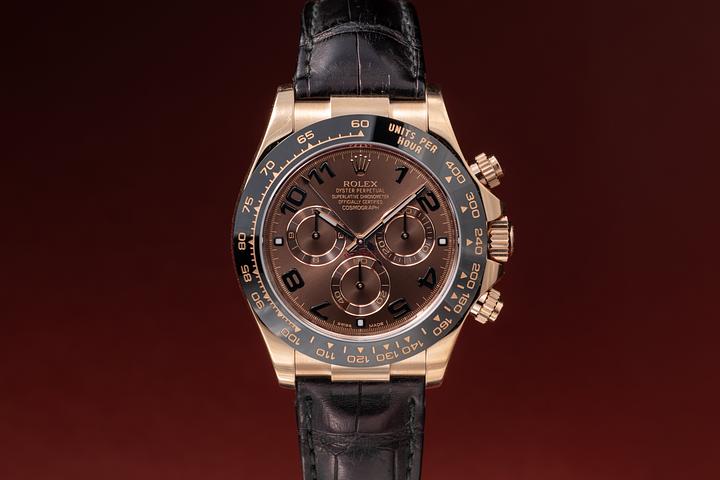
- Rolex remains the most recognized name, with references like the Submariner, GMT-Master II, Daytona, and Explorer forming the backbone of the market.
- Patek Philippe offers the Nautilus and Aquanaut, both of which command extraordinary prices and long waiting lists at authorized dealers.
- Audemars Piguet created the Royal Oak in 1972, another Gerald Genta design, and it remains one of the most imitated silhouettes in watchmaking.
- Omega holds a unique position bridging professional-grade functionality with accessible pricing relative to peers, through the Seamaster and Speedmaster lines.
- Richard Mille operates at the extreme end of both price and engineering, producing pieces that look as though they were designed for Formula 1 paddocks.
- IWC Schaffhausen brings a slightly more understated approach with the Pilot and Portugieser families, both of which carry serious technical credentials.
Understanding Watch Movements in Sports Watches
A movement is the engine of the watch, and in the sports category, reliability under stress is the baseline requirement. The most respected movements in this segment are mechanical automatics, meaning they wind themselves through the motion of the wearer's wrist. Rolex calibers are produced entirely in-house, rigorously tested, and adjusted to perform within tight accuracy tolerances. Omega uses co-axial escapements in most of their modern sports references, a technology that reduces friction and theoretically extends service intervals. When examining vintage sports watches, movement condition becomes a significant factor in valuation. An original, unserviced movement in good working order often carries more appeal to seasoned collectors than one that has been heavily polished or poorly restored.
How to Evaluate a Luxury Sports Watch Before Buying
Whether you are shopping new or vintage, the evaluation process matters significantly. Condition, originality, and provenance are the three pillars of informed purchasing. For vintage references specifically, originality of the dial, hands, bezel, and case is the primary driver of value. A Rolex Submariner with its original tropical dial, meaning one that has developed a rich brown patina over decades, can command multiples of the price of an identical reference with a replacement dial. For new watches, waiting list dynamics at authorized dealers have created a parallel secondary market where prices often exceed retail considerably. Understanding that reality helps buyers make strategic decisions about when, where, and how to purchase.
Practical Tips for First-Time Luxury Sports Watch Buyers
If this is your first time navigating this market, a few principles can help you avoid costly mistakes. Research the specific reference you want in depth before committing. Learn what an original example looks like, what serial number ranges correspond to which production years, and which variations are considered most desirable. Work only with dealers who offer authentication documentation and transparent return policies. If buying vintage, ask about service history and whether the watch has been polished. An unpolished case retains the sharp edges and original surface texture that collectors prize. Patience is genuinely an asset here. The right example at the right price is worth waiting for.
Vintage vs. Modern Luxury Sports Watches: Which Is Right for You
This is a question that comes up constantly and the honest answer is that it depends entirely on what you value most in a watch. Modern luxury sports watches offer the security of warranty coverage, updated movements with improved accuracy, and consistent finishing straight from the manufacturer. Vintage watches offer something harder to quantify: a connection to a specific moment in horological history, the appeal of organic patina, and in many cases, stronger long-term value appreciation. A 1960s Rolex Submariner with a matte dial and original bezel insert is a fundamentally different object from its modern counterpart, not better or worse in every respect, but distinct in a way that resonates deeply with serious collectors. Many enthusiasts end up owning both, and that is not an accident.
The Investment Case for Luxury Sports Watches
Watches are not stocks, and treating them purely as financial instruments is a perspective that tends to lead to disappointment. That said, the secondary market data for certain luxury sports watch references over the past two decades shows consistent appreciation that has outpaced many traditional asset classes. Rolex sports references, particularly discontinued models and those with desirable original configurations, have shown remarkable resilience in value. Patek Philippe Nautilus references sold above retail almost from the moment they are purchased new. The key distinction is between watches that hold value because of genuine collector demand and those that spike temporarily due to hype. Focus on references with proven track records, and the investment case becomes considerably more grounded.
Why Tropical Watch Should Be Your Source for Luxury Sports Watches
When it comes to acquiring genuine, authenticated luxury sports watches, particularly at the vintage level, the source matters as much as the watch itself. Tropical Watch has built a reputation in this space by doing the work most dealers skip: deep authentication, transparent condition reporting, and a commitment to presenting watches that represent the actual state of the collector market rather than a sanitized retail experience. If you are searching for the best vintage Rolex sports watches for serious collectors, Tropical Watch offers the kind of curated inventory and expertise that removes guesswork from the process entirely. The knowledge embedded in each listing reflects years of hands-on experience with the most sought-after references in the market. For anyone serious about acquiring a timepiece that will hold meaning and value for decades, that level of expertise is not optional. It is the starting point.
Frequently Asked Questions About Luxury Sports Watches
What is considered a luxury sports watch?
A luxury sports watch is a high-end timepiece engineered for durability and real-world functionality while meeting the finishing and craftsmanship standards expected from premium watchmakers. Key characteristics include in-house or certified movements, robust case materials, water or shock resistance, and a design that balances technical utility with refined aesthetics. Brands like Rolex, Patek Philippe, Audemars Piguet, and Omega are the most recognized names in this category.
Which luxury sports watch holds its value best?
Rolex sports references, particularly the Submariner, GMT-Master II, and Daytona, have historically shown the strongest value retention in the secondary market. Patek Philippe Nautilus models also consistently trade above retail. Vintage references with original, unmodified configurations tend to appreciate more reliably than modern pieces purchased new at authorized dealers.
How do I verify a vintage luxury sports watch is authentic?
Authentication involves examining the movement, dial, case, and all components for originality and consistency with known production specifications for the reference. Serial numbers should align with the correct production era. Working with a specialist dealer who provides documented authentication and provenance history is the most reliable approach for buyers without deep technical expertise.
Are luxury sports watches worth buying as investments?
Certain references from brands like Rolex and Patek Philippe have shown consistent long-term appreciation. However, watches should primarily be purchased because of genuine interest in the piece. Investment potential is strongest in references with verifiable collector demand, original configurations, and limited supply. Treating watches as a primary investment vehicle without knowledge of the market carries significant risk.
What is a tropical dial on a vintage Rolex?
A tropical dial refers to a vintage Rolex dial that has developed a brown or chocolate-colored patina over decades, caused by exposure to UV light, humidity, and environmental conditions over time. These dials are considered among the most desirable configurations in the vintage Rolex market and significantly increase a watch's value when the patina is natural and consistent across the dial surface.
What should I look for when buying a luxury sports watch for the first time?
Focus on researching a specific reference thoroughly before purchasing, including its production history, known variations, and what an original example should look like. Prioritize condition and originality over cosmetic perfection alone. Purchase from reputable dealers with transparent return policies and authentication credentials. For vintage pieces, avoid examples with polished cases, replaced dials, or unverified service histories.