Rolex Watch Prices Explained: Models, Materials, and Value
What Does a Rolex Watch Actually Cost? A Complete Pricing Guide
If you have ever found yourself searching "how much does a Rolex cost" and feeling more confused after reading the results than before, you are not alone. Rolex pricing is layered. It depends on the model, the materials, the age of the watch, the market conditions, and sometimes, frankly, just the moment you happen to be looking. This guide breaks all of that down in a straightforward way so you can actually understand what you are dealing with before making one of the most significant purchases of your life.
The Rolex Brand and Why Pricing Is Different From Other Watches
Rolex is not simply a watchmaker. It is one of the most vertically integrated luxury manufacturers in the world, producing the majority of its own components in-house, from the movements to the cases and even the metal alloys used in certain models. That level of control over production quality is a significant driver of cost. Unlike brands that outsource movements or rely on third-party cases, Rolex governs nearly every detail of what goes into each watch. That independence has also made Rolex one of the most consistent performers in terms of long-term value retention. These are not just watches. They are, in many respects, stores of value with a history of outperforming expectations on the resale market.
Entry-Level Rolex Prices: Where the Collection Starts
The most accessible point of entry into the Rolex collection is the Oyster Perpetual. In its current form, this stainless steel watch with a clean, minimalist dial typically retails around $5,800 to $6,400 depending on the dial color and case size. The Datejust, one of Rolex's most iconic and historically significant references, starts around $7,100 in stainless steel with an Oyster bracelet and moves upward considerably depending on configuration. These are the watches that most people encounter first, and they represent the foundation of what Rolex does well: precision, durability, and design coherence. Do not let the word "entry-level" imply anything less than exceptional. These are serious timepieces backed by serious craftsmanship.
Mid-Range and Sport Models: Where Pricing Gets Interesting
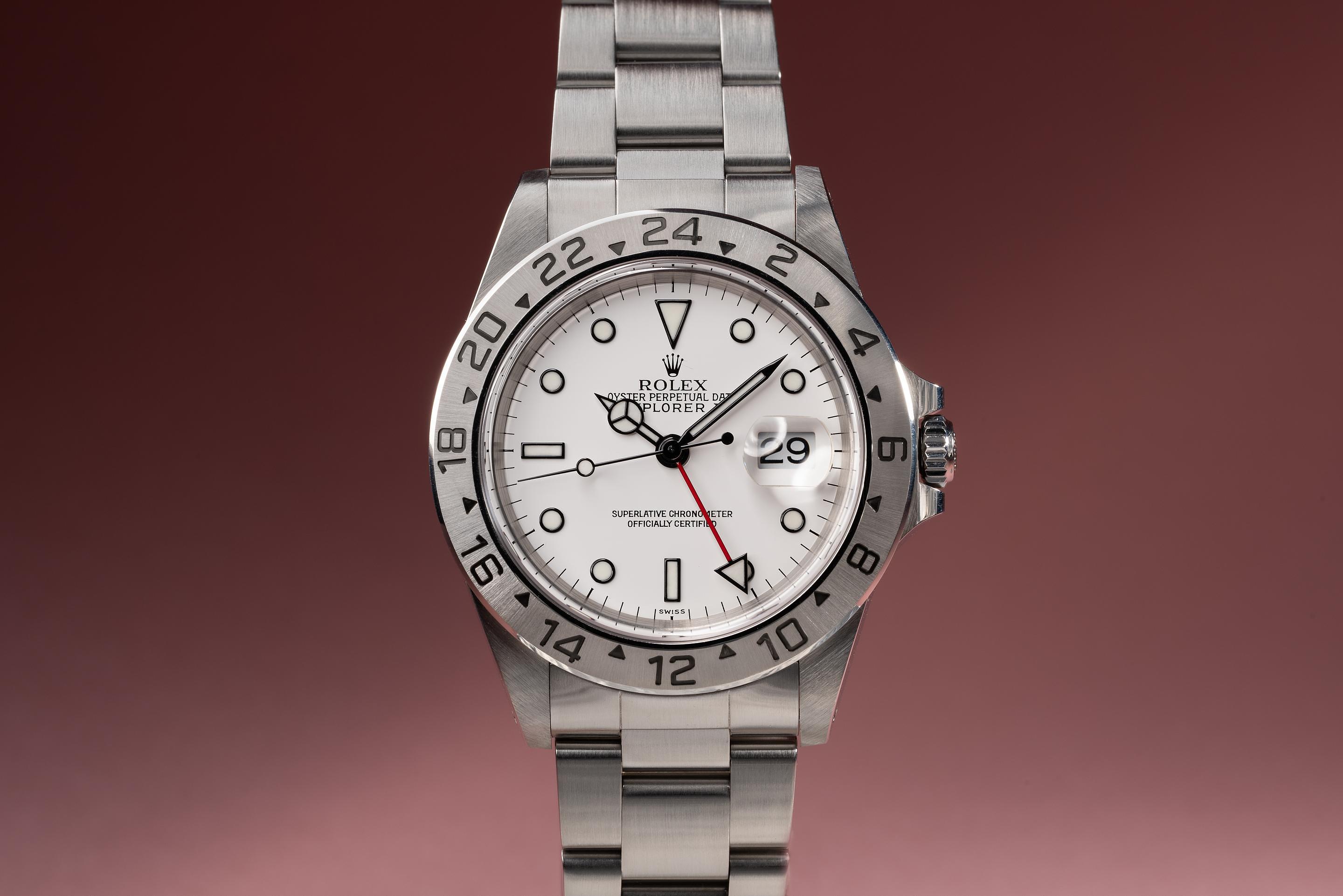
This is where Rolex pricing starts to stretch. Sport references like the Submariner, the GMT-Master II, and the Explorer have become some of the most sought-after watches on the planet, and their retail prices reflect that. The Submariner in stainless steel currently retails at approximately $9,100. The GMT-Master II, depending on the bezel configuration, sits between $10,700 and $12,500 at retail. The Explorer models, both the original 36mm and the larger Explorer II, fall in a similar range. Here is where something important happens: actual transaction prices on the secondary market often exceed retail by a significant margin. For certain references, particularly those with waiting lists at authorized dealers, the grey market price can be 30 to 100 percent above retail. That dynamic is very real and worth understanding before you start your search.
High-End and Precious Metal Rolex References
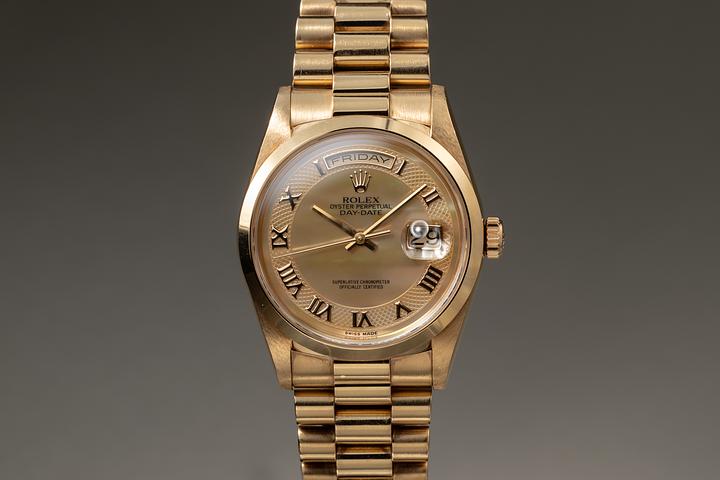
Moving into the more rarified territory, Rolex offers many of its core references in 18k yellow gold, white gold, Everose gold, and two-tone combinations of gold and steel. A two-tone Datejust in Rolesor, the brand's name for its proprietary gold and steel combination, typically starts around $12,000 to $15,000. A full 18k gold Submariner or Day-Date climbs considerably higher. The Day-Date, often referred to as the "President" due to its association with world leaders, is offered exclusively in precious metals and diamonds, with pricing beginning around $36,000 and extending well past $100,000 for diamond-set versions. The Sky-Dweller, Rolex's most technically complex watch, occupies a similar price tier. These are watches built for a different level of statement, and the materials back up every dollar.
Vintage Rolex Pricing: A Separate Category Entirely
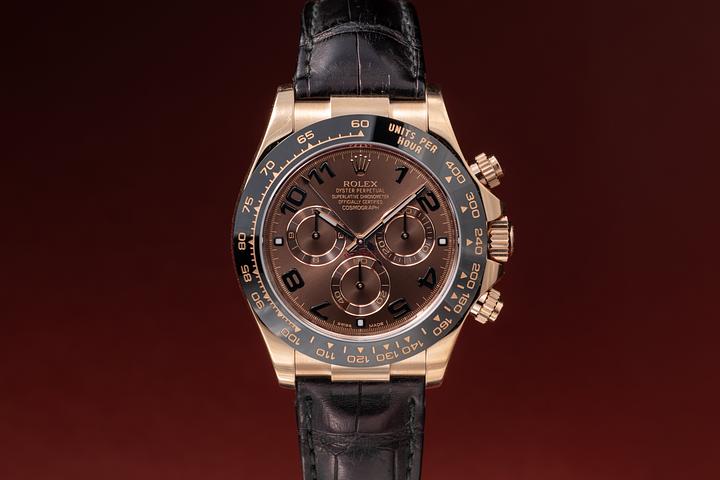
Vintage Rolex is a market unto itself. A reference 5513 Submariner from the 1960s might sell for anywhere between $8,000 and $30,000 or more depending on condition, originality, and specific dial characteristics. The "Tropical" dial variations, where the original black or brown surface has aged into a distinctive warm tone, command strong premiums among collectors. Paul Newman Daytona references, once overlooked, have become some of the most valuable vintage watches on the secondary market, with examples trading well into the six and seven-figure range at major auction houses. Vintage Rolex pricing is driven by condition, provenance, patina, and the depth of collector interest at any given moment. It rewards research and patience in equal measure.
Key Factors That Influence Rolex Watch Prices
Understanding what moves the price on any given Rolex comes down to a set of consistent variables that apply across new and pre-owned examples alike.
Reference number and production year Dial condition, including original printing and any patina Bracelet presence and condition, including end links Box and papers, which can add meaningful value Movement service history and originality of components Market demand and current grey market premiums Rarity of specific configurations within a referenceThese factors are not equally weighted, and context matters. A watch with faded service marks but full documentation can sometimes outperform a pristine example with no provenance, depending on the collector community and the specific reference involved.
New Versus Pre-Owned: What to Expect From Each Market
Buying new from an authorized dealer offers the security of warranty coverage and the assurance of authenticity, but availability for the most desirable references remains limited. The pre-owned market offers access to a much broader inventory, often at prices that reflect real market value rather than retail list pricing. Certified pre-owned programs have improved significantly in recent years, and buyers working with knowledgeable specialists can find exceptional examples with confidence. The vintage segment, in particular, is best navigated with expert guidance, given how much detail goes into assessing originality and value at that level.
How to Budget for a Rolex Purchase
Budgeting for a Rolex is not just about the purchase price. Factor in authentication costs if buying from a private seller, potential servicing if the watch has not been maintained recently, insurance once the watch is in your possession, and any applicable taxes or import fees depending on where you are purchasing. For new watches, the retail price is largely fixed. For pre-owned and vintage pieces, build in room for due diligence. The cost of getting expert eyes on a watch before purchase is trivial relative to the value of the transaction itself. Think of it as part of the investment, not an added inconvenience.
Why Tropical Watch Is the Right Place to Find Your Rolex
When you are ready to invest in a vintage or pre-owned Rolex, the source matters enormously. Tropical Watch is a trusted destination for collectors and first-time buyers alike, offering a curated selection of authenticated timepieces backed by genuine expertise. The team at Tropical Watch understands the nuances of the vintage market at a level that most general dealers simply do not, and that depth of knowledge translates directly to buyer confidence. Whether you are searching for a specific reference or simply beginning to explore what the market holds, working with specialists who live and breathe this material changes the experience entirely. If you are serious about finding a watch that holds its value and tells a story, explore the full collection of vintage Rolex watches for sale at Tropical Watch and see what exceptional really looks like.
Frequently Asked Questions About Rolex Watch Prices
What is the average price of a Rolex watch?
The average retail price of a new Rolex watch falls between $7,000 and $12,000 for stainless steel sport and dress models. Precious metal references and highly complicated models can exceed $40,000 at retail, while vintage examples vary widely based on reference, condition, and collector demand.
Why do some Rolex watches cost more than retail on the secondary market?
High demand combined with limited authorized dealer availability pushes certain references above their retail price on the grey market. Models like the Submariner, GMT-Master II, and Daytona regularly trade at premiums of 30 to 100 percent or more above their official list prices depending on market conditions.
Does a Rolex hold its value over time?
Rolex watches have historically demonstrated strong value retention, with many references appreciating significantly over time, particularly in stainless steel sport variants and vintage references with desirable characteristics. No investment is guaranteed, but Rolex has a well-documented track record in the resale market.
What is the least expensive Rolex you can buy?
The Rolex Oyster Perpetual is generally the most affordable entry point into the collection, with current retail pricing starting around $5,800 depending on the case size and dial color. Pre-owned examples can sometimes be found at slightly lower prices through reputable dealers.
What makes vintage Rolex watches more expensive than new ones?
Vintage Rolex watches derive their value from rarity, historical significance, condition, and specific dial or component characteristics that are no longer produced. Certain aged dials, rare configurations, and references associated with cultural moments carry collector premiums that can far exceed the price of equivalent new models.
Is it safe to buy a pre-owned Rolex?
Yes, buying pre-owned can be entirely safe when you purchase through a reputable specialist or certified dealer who authenticates each watch. The key is working with someone who has verifiable expertise and a transparent process for assessment, rather than buying through unverified private channels without inspection.