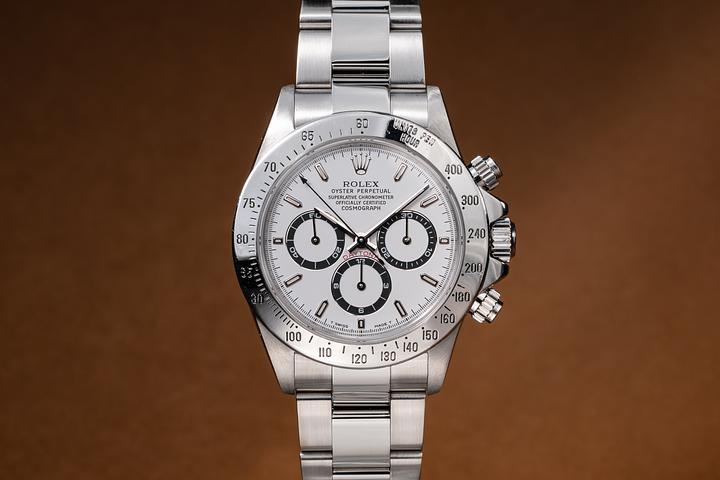
Rolex GMT Master II White Gold: Timeless Elegance & Innovation

What Makes the Rolex GMT Master II White Gold So Special?
There are watches, and then there are statements. The Rolex GMT Master II in white gold sits firmly in the second category. Originally designed in the 1950s as a functional tool watch for long-haul pilots navigating multiple time zones, the GMT Master II has evolved into one of the most coveted luxury timepieces in the world. The white gold variant takes everything that made the original great — the rotating bezel, the dual time zone functionality, the legendary Rolex caliber movement — and wraps it in one of the most precious metals available. The result is a watch that functions like a professional instrument but looks like something reserved for a different occasion entirely. If you have been exploring high-end Rolex options and keep landing back on this reference, there is a reason for that.
A Brief History of the Rolex GMT Master Line
Understanding the white gold GMT Master II means understanding where it came from. Rolex introduced the original GMT Master in 1954, developed in collaboration with Pan American World Airways. Pilots needed a reliable way to track home time alongside local time during transatlantic routes, and Rolex answered with a 24-hour bezel and an additional GMT hand. That first reference, the 6542, became iconic almost immediately. Over the following decades, Rolex refined the design through several references, eventually introducing the GMT Master II in 1983. The key upgrade was a movement that allowed the hour hand and GMT hand to be set independently, giving the wearer true two-time-zone capability. The introduction of precious metal versions, including white gold, elevated the collection from pilot tool to luxury icon. Today, the GMT Master II in white gold represents the pinnacle of that long evolution.
Understanding the White Gold Case and Its Appeal
White gold is not the same as platinum, and it is not simply a cosmetic substitute for stainless steel. Rolex produces its white gold in-house using an alloy that typically combines gold with white metals such as palladium, which gives the case its distinctive cool-toned appearance without the porosity concerns of older nickel-based formulas. The result is a material that feels substantial, looks refined, and develops a character over time that stainless steel simply cannot replicate. On the GMT Master II, the white gold case measures 40mm in diameter, a dimension Rolex has long considered the ideal balance between presence and wearability. The Oyster case design, with its screw-down crown and solid caseback, ensures the watch remains waterproof to 100 meters — a practical detail that reminds you this is still a Rolex, not just a piece of jewelry.
The Meteorite and Gem-Set Dials That Define the Collection
If the white gold case is the foundation, the dial is where the GMT Master II in white gold truly separates itself. Rolex has offered this reference with some genuinely remarkable dial options, including the famous meteorite dial — made from actual Gibeon meteorite, a material formed in space billions of years ago. The Widmanstatten pattern on a meteorite dial is entirely unique to each watch, meaning no two are exactly alike. Beyond meteorite, Rolex has also paired the white gold GMT Master II with gem-set bezels featuring ice-blue dials that are exclusive to 18k white gold models. The ice-blue color is only available in the white gold reference, which gives collectors another reason to seek it out specifically. These are not decorative afterthoughts. Each dial choice reflects a level of material science and craftsmanship that takes years to master.
The Movement Inside: Caliber 3285
Luxury without function is just decoration. Rolex understands this, which is why the GMT Master II is powered by the in-house Caliber 3285, one of the most advanced movements Rolex has ever produced. The Caliber 3285 features a Chronergy escapement, a proprietary Rolex development that improves efficiency and reliability while reducing sensitivity to magnetic interference. The movement offers a power reserve of approximately 70 hours, meaning the watch keeps running through a long weekend without being worn. It also carries the Superlative Chronometer certification, which means it has been tested and certified by Rolex to perform within plus or minus two seconds per day after casing — a standard that exceeds official COSC chronometer requirements. For a watch this visually impressive, the mechanical credibility underneath matters.
Key Features of the Rolex GMT Master II White Gold at a Glance
For those who prefer a quick reference before diving deeper, here is a summary of the core specifications that define this reference.
Case material: 18k white gold Case diameter: 40mm Bezel: 18k white gold with Cerachrom insert or gem-set options Dial options: Meteorite, ice-blue, gem-set variants Crystal: Scratch-resistant sapphire with Cyclops lens Movement: Caliber 3285, automatic, 70-hour power reserve Water resistance: 100 meters Bracelet: Oyster bracelet in 18k white gold with Oysterlock claspHow the GMT Master II White Gold Compares to Other GMT Variants
Rolex produces the GMT Master II in several materials, including Oystersteel, two-tone Rolesor, yellow gold, and Everose gold. Each version has its own personality. The steel versions, like the beloved Pepsi and Batman references, carry enormous popularity in the collector market for their everyday wearability and relative accessibility. The Everose gold version offers warmth and a distinctly dressy character. The white gold variant, however, occupies a specific position — it is the most formal, the most precious, and in many ways the most technically interesting given the exclusive dial options only offered in this metal. If the Oystersteel GMT Master II is the watch you wear every day, the white gold version is the one you keep. Collectors who have spent time with both often describe the white gold as the version they did not know they needed until they tried it.
Buying and Collecting the GMT Master II White Gold
Acquiring a white gold GMT Master II from an authorized dealer has never been straightforward. Rolex controls production carefully, and precious metal sports watches remain among the most allocated references in the entire catalog. The secondary and pre-owned market is where most collectors ultimately find their piece, and it is a market that rewards patience and research. Condition, provenance, and original documentation significantly affect value. Models with original box and papers command meaningful premiums. The meteorite dial examples in particular have shown consistent demand among collectors who understand how rare and irreplaceable those dials truly are. Whether you are buying as an investment or simply because you love the watch, doing the homework before purchasing always pays off.
Why Tropical Watch Is the Right Partner for Your Rolex GMT Journey
When the watch you are looking for is this specific, the source matters as much as the watch itself. Tropical Watch has built a reputation within the vintage and luxury Rolex community for one reason: genuine expertise combined with an inventory that reflects real collector knowledge. Whether you are searching for a white gold GMT Master II with a meteorite dial or exploring the broader world of precious metal Rolex references, working with a trusted specialist makes all the difference. At Tropical Watch, every watch is vetted with the kind of scrutiny that collectors expect and novice buyers deserve. If you are ready to explore authenticated luxury timepieces from one of the most respected names in the pre-owned Rolex market, browsing the current selection at Tropical Watch luxury Rolex GMT Master II white gold collection is the logical first step for any serious buyer looking to make a confident, well-informed purchase.
Frequently Asked Questions About the Rolex GMT Master II White Gold
What is the difference between the Rolex GMT Master II white gold and stainless steel versions?
The white gold version is crafted from 18k white gold rather than Oystersteel, making it heavier, more precious, and significantly more expensive. It also offers exclusive dial options, including the meteorite and ice-blue dials, which are not available in stainless steel references.
Is the ice-blue dial exclusive to the white gold GMT Master II?
Yes. Rolex reserves the ice-blue dial exclusively for 18k white gold models across several collections, including the GMT Master II. It is one of the clearest ways to identify the white gold reference from a distance.
What movement does the Rolex GMT Master II white gold use?
The GMT Master II in white gold is powered by the Rolex Caliber 3285, an in-house automatic movement with a 70-hour power reserve, Chronergy escapement, and Superlative Chronometer certification.
How do I authenticate a pre-owned Rolex GMT Master II in white gold?
Authentication involves verifying the serial and model numbers, examining the movement, assessing the case finishing, and reviewing the accompanying documentation. Purchasing from a reputable specialist dealer with a verifiable track record significantly reduces the risk of acquiring a counterfeit or misrepresented piece.
What makes the meteorite dial on the GMT Master II white gold so valuable?
Each meteorite dial is cut from genuine Gibeon meteorite material, meaning every dial features a completely unique crystalline pattern. No two dials are identical, which gives each watch an inherent rarity that resonates strongly with serious collectors.
Is the Rolex GMT Master II white gold a good investment?
Precious metal Rolex references, particularly those with rare dial configurations, have historically held or appreciated in value over time. The white gold GMT Master II, especially in meteorite or gem-set variants, has demonstrated strong collector demand in the secondary market, though individual results vary based on condition, provenance, and market timing.