Rolex Serial Number Lookup Guide: Date, Verify, Authenticate
Why Your Rolex Serial Number Matters More Than You Think
Every Rolex ever made carries a serial number. It is stamped into the case, quietly holding decades of history, provenance, and authentication data within a handful of digits. Whether you are buying, selling, insuring, or simply curious about the watch on your wrist, understanding how to perform a Rolex serial number lookup is one of the most practical things a collector or first-time buyer can do. It is not just a formality. It is how you verify what you actually have, establish a production year, and protect yourself in a market where counterfeits are sophisticated and growing increasingly harder to spot without knowing exactly what to look for.
Where to Find the Serial Number on Your Rolex
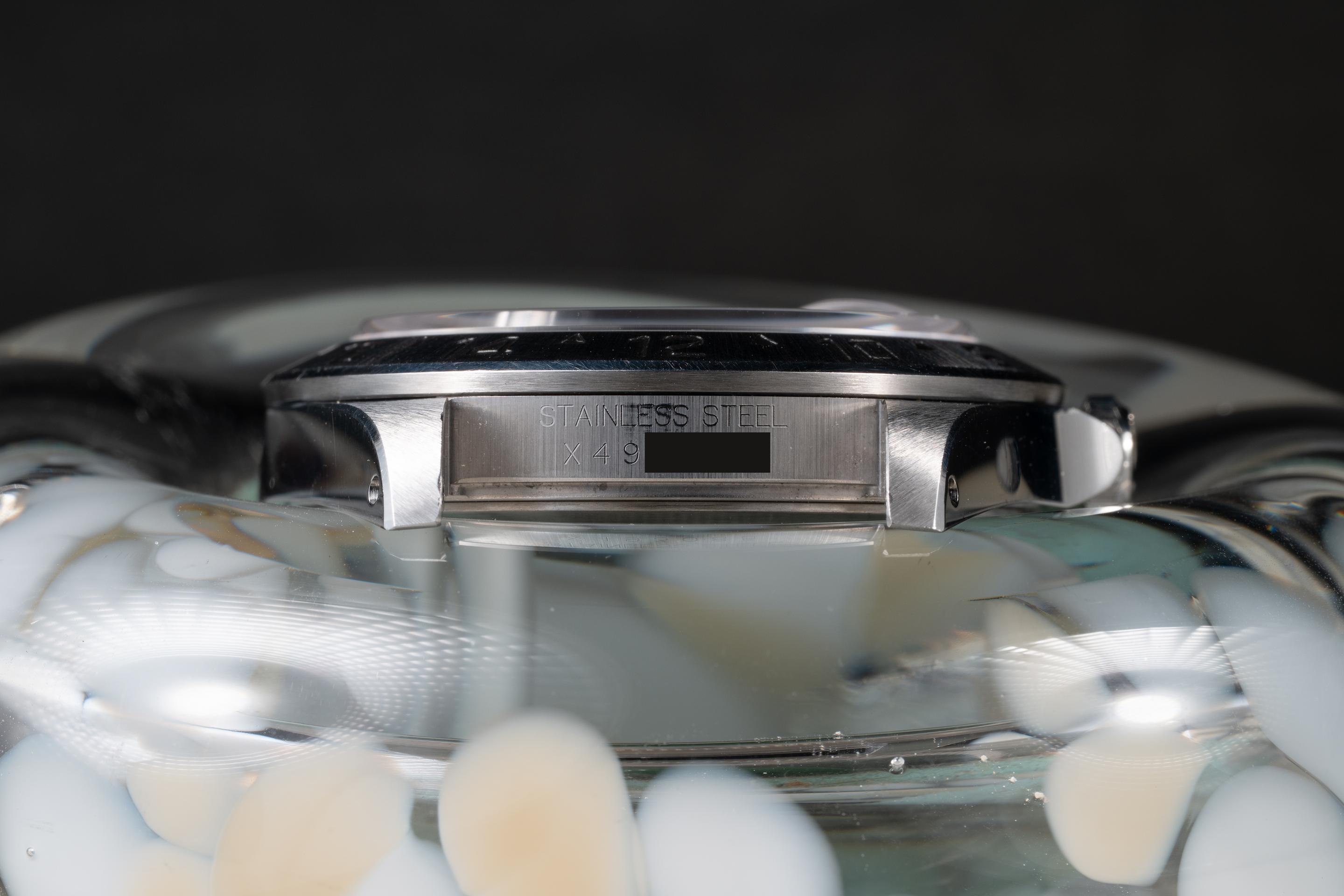
The location of the serial number has changed across different production eras, which is itself useful information. On vintage Rolex models produced before approximately 2005, the serial number is engraved between the lugs at the 6 o'clock position on the case. You typically need to remove the bracelet or strap to see it clearly. On modern Rolex watches produced from around 2005 onward, Rolex moved the serial number to the inner bezel ring, visible through the crystal on the dial side of the case at the 6 o'clock position. This change was made largely to improve anti-counterfeiting measures, though interestingly it made the number easier to read without disassembly. Some models also feature the reference number engraved at the 12 o'clock lug position, which is worth noting because the serial and reference numbers serve entirely different purposes.
Rolex Serial Number Ranges by Production Year
Rolex serial numbers are sequential, not encrypted, which makes them genuinely useful for dating a watch to a specific production period. The system is not perfectly precise since Rolex manufactured movements in batches rather than strict chronological order, meaning watches with consecutive serial numbers could have been assembled and sold months apart. That said, the ranges are close enough to establish a reliable production window. Here is an overview of the general timeline based on serial number prefixes and ranges:
Serial numbers in the 10,000 to 99,000 range generally correspond to production between the 1920s and early 1930s Numbers from 100,000 to 999,999 cover roughly 1930 through the late 1940s The 1,000,000 to 1,999,999 range covers approximately 1950 to 1960 Numbers beginning with a letter prefix, such as the R, L, E, X, N, and C series, were used from the mid-1980s through the early 2000s The random serial number system was introduced around 2010, replacing the sequential format entirelyThis shift to randomized serial numbers after 2010 was deliberate. Rolex made it significantly harder for counterfeiters to predict and replicate valid serial numbers simply by knowing the production calendar. If your Rolex was made after this transition, verifying authenticity requires more than just a serial number lookup and typically involves direct inspection by a trained watchmaker or authorized dealer.
How to Use a Rolex Serial Number Lookup
Performing a Rolex serial number lookup is straightforward but worth doing carefully. Start by locating the exact number, ideally photographing it under good lighting so you can confirm every digit clearly. Transposing even a single number can lead you to incorrect production year data. Once confirmed, you can cross-reference the serial number against published serial number databases, many of which are available through reputable watch reference sites and collector communities. These databases map serial number ranges to approximate production years and can also help identify the reference number most commonly associated with that production period. Keep in mind these lookups provide estimated date ranges rather than precise manufacture dates, which is standard for the industry.
Rolex Serial Numbers and Authentication
A valid serial number is a starting point for authentication, not the finish line. Experienced counterfeiters have long known how to engrave plausible serial numbers onto replica cases, which is why authentication requires examining multiple elements simultaneously. The serial number should be crisp and evenly engraved, not shallow, painted over, or with irregular spacing. It should also correspond logically to the reference number, meaning the model and production era should align. A Submariner with a serial number from the 1960s should have dial typography, case proportions, and movement characteristics consistent with that decade. Any mismatch between the serial number era and the physical attributes of the watch is a significant red flag worth investigating immediately.
Reference Numbers vs. Serial Numbers: Understanding the Difference
These two numbers are frequently confused by newer collectors, and the distinction matters. The serial number is unique to each individual watch and functions like a fingerprint. No two Rolex watches share the same serial number. The reference number, on the other hand, identifies the model, and every watch of the same model will share the same reference number. For example, every Rolex Submariner Date 116610LN shares the reference 116610LN regardless of when it was made or who owns it. The serial number tells you when your specific watch was made. The reference number tells you what it is. Together, they are the most essential pieces of identifying information a Rolex carries.
Why Serial Number Verification Matters When Buying Pre-Owned
The pre-owned luxury watch market has grown substantially, which is genuinely great for buyers seeking value on iconic pieces. The challenge is that the same demand that drives this market also attracts dishonest sellers. Verifying a serial number before purchasing a pre-owned Rolex accomplishes several things at once. It confirms the production year matches what is being represented in the listing, which affects value. It allows you to check whether the watch has been reported stolen, through services that maintain databases of recovered and reported timepieces. It also helps you assess whether any service history records or accompanying documents correspond to the actual watch. Papers showing a service date from 2015 on a watch with a serial number indicating 2018 production should immediately prompt further questions.
Insuring and Reselling Your Rolex: Why Documentation Starts With the Serial Number
If you own a Rolex, the serial number is the anchor of its entire paper trail. Insurers will request it when writing a policy, and appraisers use it to verify what they are assessing. When the time comes to resell, buyers will ask for it, and reputable dealers will cross-reference it immediately. Watches sold with complete documentation that includes the serial number, original box, papers, and service history consistently command higher resale values than comparable watches sold without them. Recording your serial number separately from the watch itself is a practical precaution that many owners overlook entirely until it becomes urgently relevant during a loss or dispute.
Tropical Watch: Your Trusted Source for Verified Vintage Rolex
For collectors who take serial numbers seriously, the source of the watch matters just as much as the watch itself. Tropical Watch specializes in authenticated vintage and pre-owned luxury timepieces, with a particular expertise in rare and historically significant Rolex references. Every piece is evaluated with the kind of attention that goes far beyond a surface-level serial number check. When you are looking for a curated, trustworthy destination to explore and acquire authenticated vintage Rolex watches with verified serial numbers and documented provenance, Tropical Watch brings both the inventory and the expertise to make that process feel as it should: informed, confident, and without reservation. Whether you are a seasoned collector or approaching your first serious acquisition, working with a specialist who understands the full context behind every serial number is simply the smarter way to buy.
Frequently Asked Questions About Rolex Serial Number Lookup
How do I find the serial number on my Rolex?
On vintage models made before approximately 2005, the serial number is engraved between the lugs at the 6 o'clock position, visible after removing the bracelet. On modern models, it appears on the inner bezel ring at the 6 o'clock position, readable through the crystal without disassembly.
Can I use a Rolex serial number to determine the exact production date?
Not with complete precision. Serial numbers provide an estimated production window based on known batch ranges, typically within one to three years. Rolex produced movements in batches, so exact dates are not retrievable from the serial number alone.
Does a valid Rolex serial number guarantee authenticity?
No. A valid-looking serial number is not sufficient proof of authenticity on its own. Counterfeiters replicate plausible numbers, which is why authentication requires examining the engraving quality, case construction, dial details, movement, and consistency between the serial and reference numbers together.
What is the difference between a Rolex serial number and a reference number?
The serial number is unique to each individual watch and identifies when it was made. The reference number identifies the model and is shared by all watches of the same reference. Both numbers are essential for full identification and authentication.
Can I check if a Rolex has been stolen using the serial number?
Yes. Several watch theft registries and databases allow you to search a serial number to determine whether a specific watch has been reported stolen or recovered. This is a recommended step before purchasing any pre-owned Rolex.
Why did Rolex switch to random serial numbers around 2010?
Rolex moved to randomized serial numbers to make it substantially more difficult for counterfeiters to predict or replicate valid serial numbers by referencing the known sequential production timeline. The change was a deliberate anti-counterfeiting measure, not an administrative update.