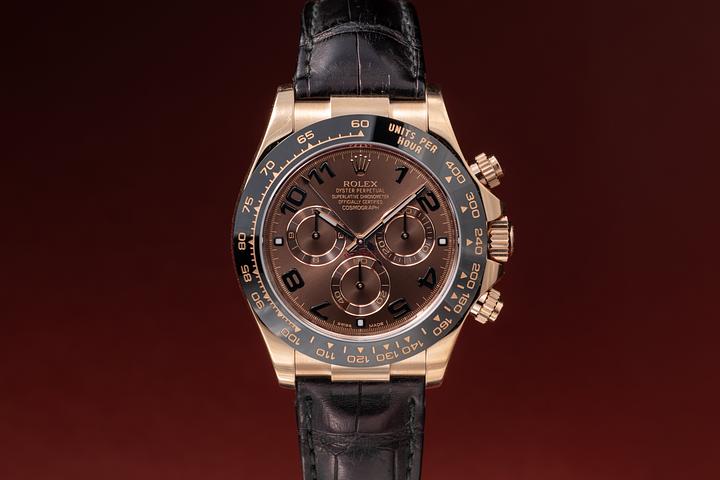
Rolex Watch Prices Explained: Cost, Craftsmanship, and Legacy
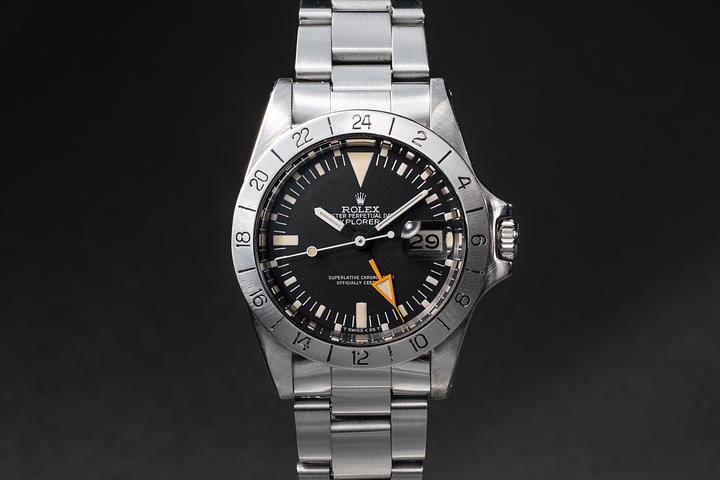
Rolex Watch Prices Explained: What You Are Really Paying For
Few names carry the weight that Rolex does. Say it in any language, in any city, and people understand what it means. But when someone asks how much a Rolex watch costs, the answer is rarely simple. Prices range from a few thousand dollars on the entry level to well over a hundred thousand for rare or vintage references. That range exists for a reason, and understanding it changes how you see every Rolex you encounter. This is not just a pricing breakdown. It is an education in what makes a watch worth wearing for a lifetime and passing down for another.
The Entry Point: How Much Does a Rolex Watch Cost to Start
The most accessible Rolex watches generally begin around $5,000 to $7,000 at retail. Models like the Oyster Perpetual and the Air-King sit in this range. They are not stripped-down versions of something better. They are complete watches with the same movement quality, water resistance, and finishing standards that define every piece Rolex produces. The entry price reflects materials, labor, and precision at a level that most watch brands simply do not match at any price. For a first-time buyer, this is where the story begins, and it is a solid place to start.
Mid-Range Rolex Models and What Drives the Price Higher
Step into the $8,000 to $15,000 range and you encounter some of the most iconic references in watchmaking history. The Datejust, the Explorer, and the Submariner all live here in their steel configurations. These models have been in continuous production for decades, which speaks to their design stability and enduring demand. Price increases within this tier are driven by case size, bracelet complexity, dial material, and whether a bezel is plain, fluted, or set with diamonds. A Submariner with a ceramic bezel tells a different engineering story than an early reference with an aluminum insert, and the market reflects that distinction clearly.
Precious Metals, Complications, and the Upper Tier of Rolex Pricing
Once you move into yellow gold, white gold, or Everose gold, prices shift considerably. A Day-Date in 18-karat gold starts above $35,000 and climbs well beyond that with gem-set dials or diamond bezels. The Sky-Dweller, which features one of the more complex Rolex calibers ever made, carries a retail price that often exceeds $15,000 in steel and significantly more in precious metal. Complications cost money to develop and produce. Rolex designs and manufactures its own movements in-house, which means that every hour of engineering invested in a new mechanism is reflected in what you pay. That is not a markup. That is accountability for craft.
What Craftsmanship Actually Means Inside a Rolex
The word craftsmanship gets used loosely in the watch industry. With Rolex, it refers to something specific and measurable. The brand manufactures its own alloys. Oystersteel, its proprietary version of 904L stainless steel, is harder and more corrosion-resistant than the 316L used by most competitors. Rolex cuts, assembles, and tests movements entirely in-house. Its Superlative Chronometer certification requires accuracy to plus or minus two seconds per day after casing, which is tighter than standard COSC certification. Every bracelet clasp, every crown seal, every dial surface is produced with tolerances most manufacturers cannot achieve consistently. The price of a Rolex is the price of that consistency, repeated across millions of pieces over decades.
Rolex Heritage and Why History Adds Value
Rolex was founded in 1905 by Hans Wilsdorf in London, later relocating to Geneva. By 1926, the brand had introduced the Oyster case, the first truly waterproof watch case in history. In 1931, the Perpetual rotor made self-winding practical at scale. These were not marketing innovations. They were engineering breakthroughs that changed what wristwatches could do. That history is embedded in every current model. When you buy a Submariner today, you are wearing a design lineage that includes the watches worn by explorers, divers, and heads of state across seven decades. That heritage has real monetary weight, and it shapes how the market values both new and vintage references.
The Secondary Market: Why Rolex Watches Hold and Gain Value
Very few consumer products appreciate over time. Rolex watches are a documented exception. Certain references, particularly vintage sport models like the Paul Newman Daytona or early Submariner references with tropical dials, have sold at auction for six and seven figures. Even modern references in steel regularly trade above retail on the secondary market due to limited availability at authorized dealers. This is not speculation. It is a consistent pattern backed by decades of auction results and private sales data. The reasons include controlled production volumes, sustained brand equity, and a global collector community that understands what it is buying. A Rolex is rarely a depreciating asset.
Factors That Influence the Price of Any Specific Rolex
If you are evaluating a specific watch, several variables determine its price beyond the base reference number. Understanding these makes it easier to compare options accurately.
Material and metal type (steel, gold, two-tone Rolesor) Dial color, material, and condition in the case of vintage references Bezel type and whether it features gems or a ceramic insert Box and papers, which significantly affect resale value Service history and originality of components Reference number and production year for collectible models Overall condition including case sharpness and bracelet stretchHow to Think About Buying a Rolex as an Investment and a Purchase
There is a difference between buying a Rolex because you want to wear it and buying one because you expect it to appreciate. Both are valid, but they lead to different decisions. If wearability matters most, prioritize the reference that fits your lifestyle and aesthetic. If long-term value matters, vintage references with original dials and documented provenance tend to perform better over time than newer models. The best outcome is usually the one where both criteria align, where the watch you love to wear also happens to be the one the market continues to respect. That combination exists more often in the Rolex catalog than in any other brand at a comparable price range.
Why Tropical Watch Is the Right Source for Vintage Rolex Watches
When the watch you are looking for is not on a dealer's shelf, sourcing it correctly becomes the entire transaction. Tropical Watch specializes in vintage and pre-owned Rolex watches, and the difference in approach is immediately apparent. Every piece in the inventory is evaluated for originality, condition, and provenance. If you are searching for a reference with a tropical dial, an early bezel insert, or an uncommon production variant, this is the kind of collection where those discoveries happen. For collectors who understand that the details determine the value, shopping with a source that understands those same details is essential. Tropical Watch is where serious buyers find authenticated vintage Rolex watches with verified provenance and collector-grade quality. The expertise behind the curation reflects a genuine understanding of the market, not just an inventory list.
Frequently Asked Questions About Rolex Watch Prices
What is the starting price of a Rolex watch?
The most affordable new Rolex watches begin at approximately $5,000 to $7,000 at an authorized dealer. Models like the Oyster Perpetual represent the entry point and still reflect the full quality standards of the brand.
Why are Rolex watches so expensive compared to other brands?
Rolex manufactures its own movements, alloys, and components entirely in-house. The brand uses proprietary materials, maintains exceptionally tight precision standards, and controls production volume carefully. These factors combine to justify the price premium at every tier.
Do Rolex watches hold their value over time?
Many Rolex references retain or increase in value, particularly vintage sport models and limited-production references. Factors such as condition, originality of parts, and whether the watch includes original box and papers all influence long-term value significantly.
Which Rolex models are the most sought after by collectors?
Collectors consistently pursue vintage Daytona references, early Submariners, GMT-Master models with original bezels, and any reference featuring a tropical dial. These watches combine rarity, historical significance, and design appeal in ways that sustain strong demand.
What does it mean when a Rolex has box and papers?
Box and papers refer to the original packaging and documentation that accompanied a watch when it was sold new. These items verify authenticity, establish the reference and serial number, and meaningfully increase the watch's resale and collectible value.
Is it better to buy a new or vintage Rolex?
Neither option is universally better. New Rolex watches offer current warranty coverage and modern features. Vintage references offer historical significance, unique dial variations, and often stronger appreciation potential. The right choice depends on your collecting goals and personal preference.