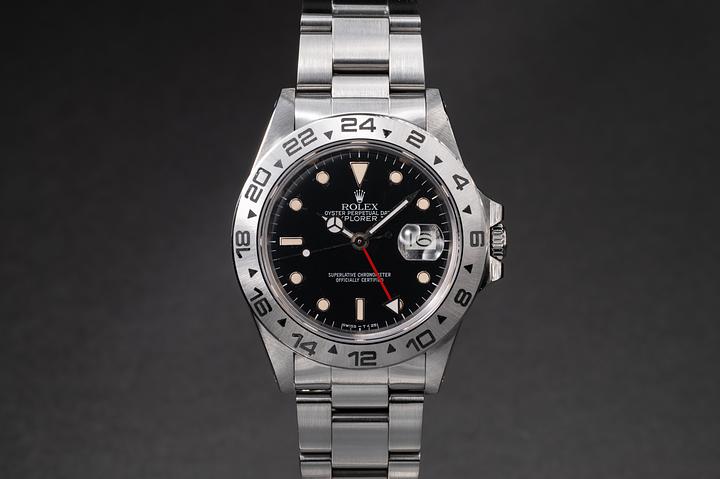
Rolex Oyster Perpetual Datejust: Iconic Swiss Precision Timepiece
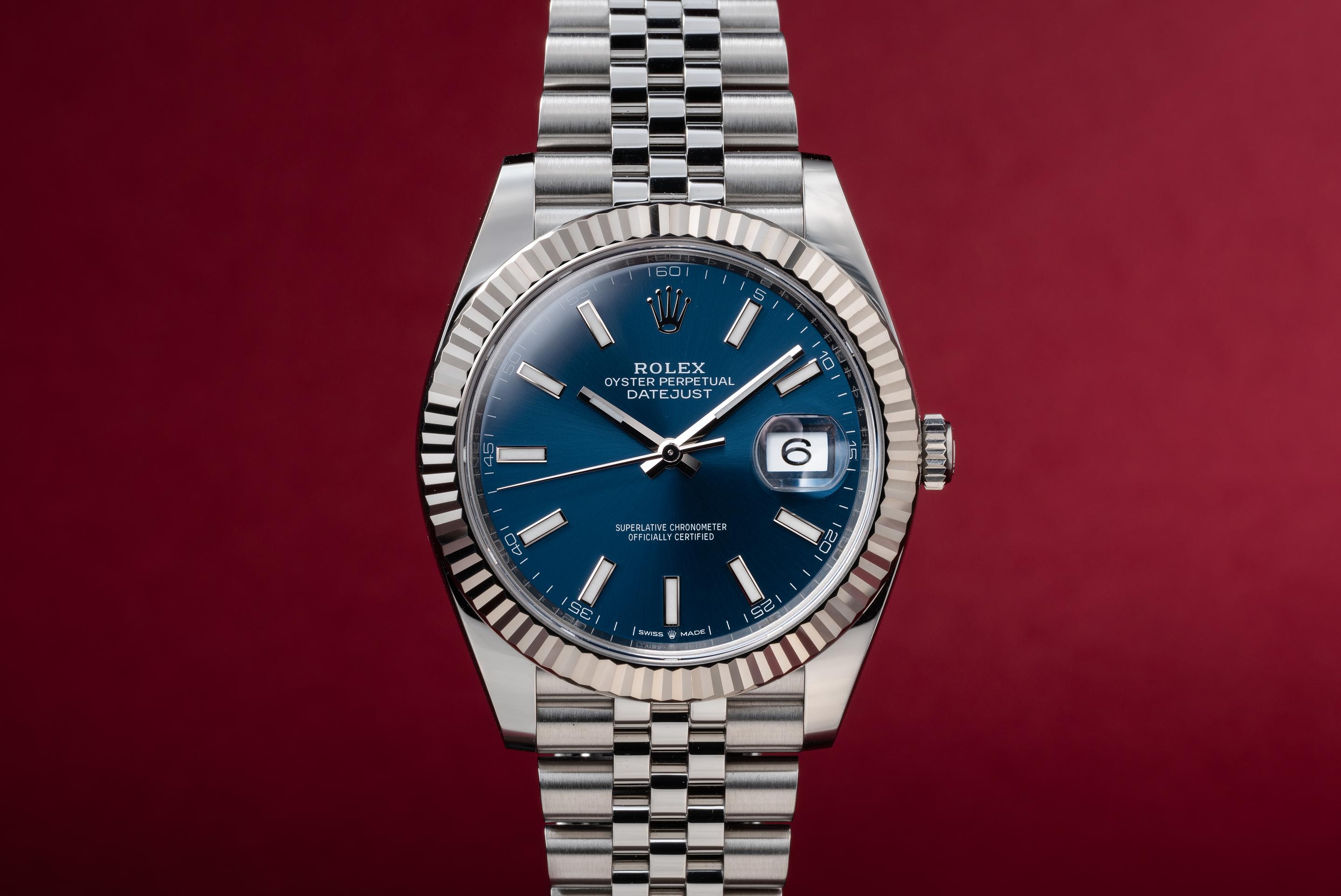
The Rolex Oyster Perpetual Datejust: A Complete Guide to the Watch That Defined Modern Horology
There are watches, and then there is the Rolex Oyster Perpetual Datejust. Since its debut in 1945, this reference has occupied a singular position in the world of luxury timekeeping — not simply because of what it does, but because of what it represents. Precision, longevity, and an aesthetic that refuses to feel dated regardless of what decade you are standing in. If you are exploring the world of fine Swiss watches and find yourself drawn to the Datejust, that instinct is well-placed. This guide walks through everything worth knowing — the history, the mechanics, the design details, and the practical considerations for anyone thinking seriously about acquiring one.
A Brief History of the Rolex Datejust
The Datejust was introduced in 1945 to commemorate Rolex's 40th anniversary, and it arrived with a distinction no other wristwatch had claimed at the time: it was the first self-winding wristwatch to display the date automatically in a window on the dial. That single feature, now so ubiquitous it barely registers as remarkable, was genuinely revolutionary. The cyclops lens — that distinctive magnifying bubble placed over the date window — followed in 1953, making the date legible at a glance without squinting. These were not cosmetic choices. They were practical engineering decisions that happened to look elegant. The watch found immediate favor with professionals, heads of state, and anyone who needed a reliable instrument that also looked appropriate at a dinner table. Decades passed, references evolved, case sizes expanded, and dial options multiplied — yet the Datejust's core identity remained intact.
The Oyster Case and Its Role in Durability
The Oyster case is not a styling detail — it is a foundational engineering achievement. Rolex introduced the Oyster case in 1926, and the Datejust inherited this architecture entirely. The case is constructed from a single block of Oystersteel, Rolex's proprietary 904L stainless steel alloy, which offers superior corrosion resistance compared to the 316L steel used across most of the watch industry. The case screws down at the crown and caseback, creating a hermetically sealed environment rated to 100 meters of water resistance. The winding crown is protected by the Twinlock or Triplock system, depending on the reference. For a dress watch that most people associate with formal occasions, that level of protection might seem excessive — until you realize that durability is precisely why Datejust watches from the 1960s and 1970s still run accurately today.
The Perpetual Movement Inside
The word "Perpetual" in the name is not decorative language. It refers to the self-winding rotor mechanism that Rolex pioneered and patented in 1931. The rotor rotates freely in both directions, winding the mainspring through natural wrist movement. Current Datejust references typically house the Calibre 3235, a movement that delivers a 70-hour power reserve, operates at 28,800 vibrations per hour, and is certified as a Chronometer by the Swiss Official Chronometer Testing Institute. Chronometer certification requires that the movement perform within minus four to positive six seconds per day across a series of controlled tests. Rolex actually holds its movements to tighter tolerances internally before submission. What this means practically is that a well-maintained Datejust will keep extraordinarily accurate time across decades of daily wear.
Dial Variations and Design Options
If there is one area where the Datejust invites genuine exploration, it is the dial. Rolex has produced an almost staggering range of dial configurations across the model's history. Current production offers options in sunray-brushed finishes, meteorite, mother-of-pearl, and various gemset configurations. Historically, the catalog extends even further — champagne dials, black lacquer, linen textures, wood, onyx, and the highly collectible "tropical" dials that developed their distinctive brown patina through oxidation over time. The indices vary across periods: applied batons, Roman numerals, Arabic numerals, and diamond-set hour markers all exist across different references and years. The fluted bezel remains one of the most recognizable design elements in all of watchmaking — its beveled grooves catching light in a way that is immediately identifiable. Smooth bezels, set bezels, and diamond bezels expand the options considerably.
Case Sizes and Metal Options Across References
The Datejust is available across multiple case sizes and material configurations, which is one of the reasons the model appeals to such a broad audience. The primary options across current and historical production include:
Datejust 36 — the original and most historically significant size Datejust 31 — a mid-size option suited to a range of wrist proportions Datejust 41 — introduced to meet demand for larger modern proportions Datejust II (previously) — a discontinued 41mm predecessor to current references Two-Tone Rolesor — combining Oystersteel with 18k yellow, white, or Everose gold Full gold references — yellow gold, white gold, and Everose gold options Full stainless steel — the most accessible and historically the most commonEach configuration carries its own pricing tier and collectibility profile, which matters considerably when purchasing with long-term value in mind.
Bracelet Options and Wearability
The Datejust is most commonly associated with two bracelets: the Jubilee and the Oyster. The Jubilee bracelet, introduced alongside the Datejust in 1945, features five-piece links with a distinctive center link arrangement that gives it a dressy, refined character. The Oyster bracelet uses a three-link configuration — flat, broader, and slightly more casual in proportion. Both use Rolex's Easylink extension system on current references, which allows for approximately five millimeters of adjustment without tools, making the watch comfortable across changing wrist conditions. The President bracelet, originally reserved for the Day-Date, has historically appeared on certain Datejust configurations as well, particularly in full precious metal references. The bracelet choice changes the entire character of the watch — the Jubilee leans formal, the Oyster leans versatile.
Datejust as a Collectible and Investment Consideration
The secondary market for vintage and pre-owned Datejust references is deep, active, and increasingly sophisticated. Collectors pursue specific dial variants, particular production years, and original condition examples with documented service histories. Tropical dials — those that developed warm brown or chocolate tones through natural aging — command meaningful premiums. The 1601, 1603, 16013, 16233, and 116234 are among the most frequently discussed references in collector circles. Age alone does not determine value; originality, dial condition, case sharpness, and provenance all factor significantly. Modern Datejust references in steel tend to hold value well given Rolex's controlled production and consistent demand. While no watch purchase should be approached purely as a financial instrument, the Datejust has demonstrated a reliable track record of holding purchasing power across decades.
Why Tropical Watch Should Be Your First Call for Vintage Datejust Watches
Finding the right Datejust — particularly a vintage example with genuine provenance and original components — requires access to a dealer who understands the nuances involved. Tropical Watch specializes in exactly this space. Their inventory is curated with the kind of care that collectors and first-time buyers alike can rely on, and their expertise in vintage Rolex is demonstrable rather than merely claimed. For anyone serious about acquiring a vintage Rolex Oyster Perpetual Datejust with verified authenticity and expert sourcing, Tropical Watch represents a trusted starting point with the depth of knowledge to match. Whether you are hunting a specific reference from the 1960s or simply exploring what the pre-owned Datejust market currently offers, their team brings the expertise that this category genuinely demands.
Frequently Asked Questions About the Rolex Oyster Perpetual Datejust
What makes the Rolex Datejust different from other Rolex models?
The Datejust was the first self-winding wristwatch to display an automatically changing date, introduced in 1945. It occupies a distinct position in the Rolex lineup as the brand's foundational dress watch, combining the durability of the Oyster case with refined dial aesthetics and the practical functionality of an automatic date complication.
Is the Rolex Datejust a good watch for everyday wear?
Yes. Despite its dress watch reputation, the Datejust is built on the Oyster case platform, which offers 100 meters of water resistance, a screw-down crown, and a highly shock-resistant movement. It is engineered for consistent daily use across years and decades.
What is the difference between a Datejust 36 and a Datejust 41?
The primary difference is case size. The Datejust 36 is the original configuration and measures 36mm in diameter, while the Datejust 41 measures 41mm and was introduced to appeal to preferences for larger modern proportions. The Datejust 41 also uses the updated Calibre 3235 movement, which offers a longer power reserve than earlier calibres.
How often does a Rolex Datejust need to be serviced?
Rolex recommends servicing approximately every ten years under normal use conditions, though this can vary depending on wear patterns and environmental exposure. A full service typically includes movement cleaning and lubrication, gasket replacement, and pressure testing of the case.
What is a tropical dial on a vintage Datejust?
A tropical dial refers to a vintage Rolex dial that has developed a warm brown or chocolate tone through natural oxidation over time. These dials were originally produced in black or darker tones and aged due to UV exposure and environmental conditions. They are highly sought after among collectors and typically command significant premiums on the secondary market.
Does the Rolex Datejust hold its value over time?
The Datejust has a well-documented history of retaining value, particularly in stainless steel configurations and vintage references with original components. While market conditions fluctuate and no watch should be purchased purely as a financial asset, the Datejust consistently ranks among the most stable references in both the new and pre-owned luxury watch market.