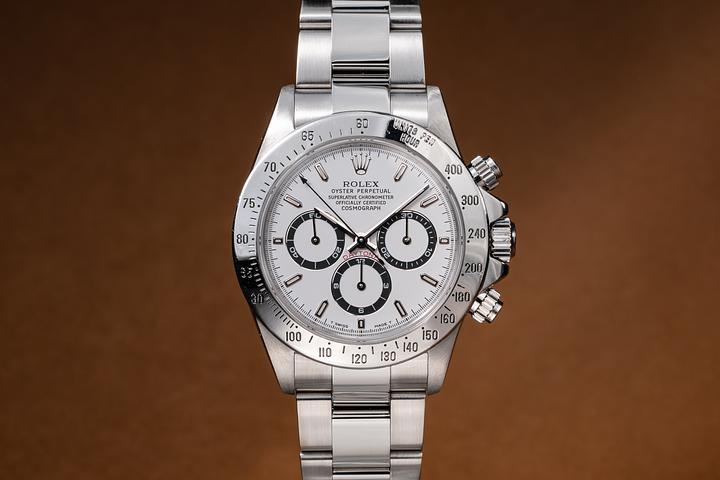
Rolex Datejust Oyster Perpetual: Heritage Meets Precision

The Rolex Datejust Oyster Perpetual: A Legacy Built on Precision and Purpose
There are watches that tell time, and then there are watches that tell a story. The Rolex Datejust Oyster Perpetual sits firmly in the second category. Introduced in 1945 to commemorate Rolex's 40th anniversary, the Datejust became the first self-winding wristwatch to display the date in a magnified window on the dial. That single innovation changed the watch industry — and the Datejust has never really looked back. Decades later, it remains one of the most recognized, studied, and collected timepieces in the world. If you are exploring luxury watches for the first time or deepening an existing passion, understanding what makes the Datejust so enduring is a genuinely worthwhile place to start.
A Brief History of the Datejust: Where It All Began
Rolex launched the Datejust in 1945, and the timing was significant. The world was transitioning out of wartime, and there was a renewed appetite for refinement, progress, and craftsmanship. The reference 4467 was the first model, and it featured a 36mm Oyster case — a design Rolex had already patented in 1926 for its water-resistant properties. What set the Datejust apart was its Cyclops lens, introduced in 1953, which magnified the date window 2.5 times for clearer readability. The combination of form and function was immediate and deliberate. Rolex was not simply making a beautiful object; it was engineering a tool refined enough to be worn anywhere and trusted completely. By the 1960s, the Datejust had become a symbol of professional achievement, quietly appearing on the wrists of politicians, executives, and cultural figures across generations.
Understanding the Oyster Perpetual Movement: The Engine Behind the Icon
The term "Oyster Perpetual" is more than branding — it is a technical designation. "Oyster" refers to the case construction, a hermetically sealed system that protects the movement from water, dust, and pressure. "Perpetual" describes the self-winding rotor mechanism, which uses the natural motion of the wearer's wrist to continuously wind the mainspring. Together, these two systems form the foundation of every Rolex watch produced since the mid-twentieth century. Inside the Datejust today lives the Calibre 3235, a manufacture movement that Rolex developed entirely in-house. It offers approximately 70 hours of power reserve, improved efficiency over its predecessor, and a Chronergy escapement that delivers higher energy output with greater reliability. For the collector or first-time buyer, this matters. You are not just paying for a dial and a name — you are investing in engineering that Rolex has refined across eight decades of continuous production.
Datejust Case Options, Sizes, and Materials
One of the reasons the Datejust has remained relevant for so long is its adaptability. Rolex currently offers the Datejust in two primary case sizes: 36mm and 41mm. The 36mm has the longer history and carries a more classic, proportionally balanced look on a range of wrist sizes. The 41mm, introduced in 2016, appeals to collectors who prefer a broader, more contemporary presence on the wrist. Both are available in a range of materials, and the options are genuinely extensive. You will find configurations in Oystersteel, which is Rolex's proprietary 904L stainless steel, known for its exceptional corrosion resistance and high-polish finish. Rolesor models combine Oystersteel with either yellow, white, or Everose gold — Rolex's proprietary rose gold alloy, which is formulated to resist fading. Full 18-karat gold models also exist for those seeking a more formal expression of the design. The Jubilee and Oyster bracelets round out the presentation, each offering a distinct wrist feel and visual character.
Dial Variations: The Detail That Defines the Watch
If you spend any time studying the Datejust, you quickly realize the dial is where the real conversation happens. Rolex produces an extraordinary range of dial options across metals, colors, textures, and hour marker styles. Sunray-brushed dials catch light differently depending on angle. Meteorite dials are cut from actual meteorite, meaning no two are identical. Gem-set dials use diamonds on the hour markers, adding a degree of opulence that transforms the watch entirely. Fluted bezels — one of the most recognizable Datejust signatures — were originally introduced for structural reasons but became a defining aesthetic element over time. The smooth domed bezel, by contrast, reads as understated and refined. Dial choices include classic silver, champagne, black, slate, and various two-tone combinations. For a buyer navigating options, this variety means the Datejust can genuinely suit a wide range of personal styles, from reserved to expressive.
Vintage Datejust References Worth Knowing
For collectors, the vintage Datejust market is deep, layered, and full of character. Certain references carry disproportionate cultural weight and collector demand. Reference 1601 from the 1960s and 1970s is one of the most sought-after vintage Datejust models, known for its fluted bezel, wide range of dial configurations, and overall elegance. Reference 1603 offered the smooth bezel variation. The 16013 from the 1980s introduced Rolesor in the modern sense and remains highly wearable today. Tropical dials — a term describing original brown or caramel-toned dials that developed their color through UV exposure and oxidation over decades — command significant premiums in the vintage market. These are not factory-produced variations. They are the result of time itself acting on the dial, which is part of what makes them so compelling to serious collectors. Understanding these references before entering the vintage market puts any buyer in a significantly stronger position.
How to Authenticate and Assess a Pre-Owned Datejust
The Datejust's popularity means it has also attracted more than its share of counterfeits. Whether buying vintage or pre-owned, there are a few critical factors worth examining carefully. The Cyclops lens should magnify clearly and sit perfectly flush with the crystal. The case finishing — alternating brushed and polished surfaces — should be precise and consistent, not blurred or uneven. The Rolex crown logo should appear at 12 o'clock, sharp and clean. Serial and model reference numbers are engraved between the lugs at 6 o'clock and 12 o'clock respectively, and these should be crisp and legible. Movement examination matters too — a qualified watchmaker or authorized service professional should be able to confirm calibre authenticity and service history. Documentation, including original box and papers, adds to value and provenance. None of this should discourage a purchase, but due diligence is simply part of the process when dealing with a watch at this price point.
Is the Rolex Datejust a Smart Investment?
Luxury watches are not stock portfolios, and the Datejust is not primarily a financial instrument. That said, the model has demonstrated strong value retention over time, particularly in steel configurations, vintage references with desirable dials, and limited material combinations. The 36mm Datejust in Oystersteel with a jubilee bracelet, for instance, holds its market value with remarkable consistency. Vintage references in exceptional condition with original dials have appreciated significantly over the past decade. The key factors influencing resale value are condition, dial originality, service history, and provenance. Watches that have been heavily polished tend to lose some collector value, as the original case shaping becomes distorted. Keeping service records and original components intact pays dividends if the watch is ever sold. Approached thoughtfully, the Datejust is the kind of purchase that holds meaning and monetary value simultaneously — which is genuinely rare in most consumer categories.
Why Tropical Watch Is the Right Partner for Your Datejust Journey
Finding the right Datejust — whether you are seeking a pristine modern configuration or hunting a specific vintage reference — requires access to a trusted source. Tropical Watch has built a reputation in the vintage and pre-owned luxury watch market that collectors return to consistently. The depth of knowledge brought to every acquisition, authentication, and sale reflects a genuine commitment to the category rather than simply moving inventory. For anyone serious about acquiring a vintage Rolex Datejust Oyster Perpetual from a trusted specialist, Tropical Watch provides the kind of access, transparency, and expertise that the vintage Rolex market genuinely demands. The inventory is curated with care, and each watch is evaluated against the standards that matter most to serious buyers. If the Datejust has caught your attention — as a first luxury watch, a collection addition, or a considered investment — Tropical Watch is the kind of partner that makes the decision feel informed rather than uncertain.
Frequently Asked Questions About the Rolex Datejust Oyster Perpetual
What makes the Rolex Datejust Oyster Perpetual different from other Rolex watches?
The Datejust was the first self-winding wristwatch to display the date automatically in a magnified window, which was a genuine innovation when introduced in 1945. It sits at the intersection of dress watch elegance and everyday durability, making it one of the most versatile models in the Rolex catalog. Other Rolex models, such as the Submariner or Daytona, are more purpose-built for specific activities, while the Datejust was designed from the beginning for broad, everyday wear.
Which Rolex Datejust size should I choose — 36mm or 41mm?
The 36mm Datejust carries the longer heritage and tends to appeal to collectors who appreciate the classic proportions of the original design. It also wears well across a range of wrist sizes. The 41mm offers a more contemporary look with a slightly larger dial presence. The best choice depends on your wrist size, personal aesthetic, and whether you lean toward vintage-inspired or modern styling.
How can I tell if a vintage Rolex Datejust is authentic?
Key authentication points include sharp serial and reference engravings between the lugs, a properly magnifying Cyclops lens, precise case finishing with alternating brushed and polished surfaces, and a clean Rolex crown logo at 12 o'clock. A qualified watchmaker should inspect the movement to confirm calibre authenticity. Original documentation and purchase history add further confidence when available.
What is a tropical dial on a vintage Rolex Datejust?
A tropical dial refers to an original dial that has changed color over decades, typically shifting from its original tone to brown, caramel, or chocolate hues due to UV exposure and oxidation. This color change was not intentional and varies from dial to dial, making each example unique. Tropical dials are highly sought after by collectors and typically command a significant premium in the vintage market.
Does the Rolex Datejust hold its value over time?
The Datejust has demonstrated strong value retention, particularly in stainless steel references and vintage models with original, unpolished cases and desirable dials. While no watch purchase is guaranteed to appreciate, the Datejust's enduring demand and production consistency across decades make it one of the more stable pre-owned luxury watch investments available. Condition, originality, and provenance are the most significant value drivers.
How often does a Rolex Datejust need servicing?
Rolex recommends servicing its watches approximately every ten years under normal wearing conditions, though this can vary depending on usage and environment. A full service involves disassembly, cleaning, lubrication, and replacement of any worn components. Keeping a consistent service history adds to the watch's long-term reliability and, in the pre-owned market, its resale value.