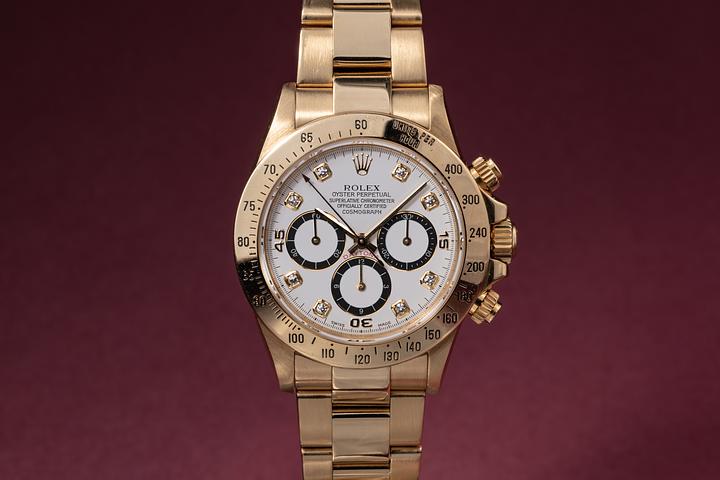
The Rolex Explorer 1016: A Timeless Icon in Adventure Watches

The Rolex Explorer 1016: A Complete Guide to One of Horology's Greatest Icons
There are watches, and then there are watches that define an entire era of exploration, craftsmanship, and design philosophy. The Rolex Explorer 1016 sits firmly in that second category. Produced from 1963 to 1989, this reference quietly built a reputation that still commands serious attention from collectors and enthusiasts decades after it left production. Whether you are new to the world of vintage Rolex or a seasoned collector trying to better understand what makes the 1016 so special, this guide covers everything you need to know — the history, the design details, the variations, and why it continues to hold its own in a market flooded with newer options.
The Origins of the Explorer Line and How the 1016 Came to Be
The Rolex Explorer line was born from a very specific moment in history. The 1953 ascent of Mount Everest by Edmund Hillary and Tenzing Norgay — with Rolex watches on their wrists — gave the brand a story it would build on for decades. The Explorer was designed to be a tool watch capable of withstanding extreme conditions while remaining precise and legible at a glance. The reference 1016 succeeded the earlier 6610 and 6350 models and represented a significant refinement in both movement and aesthetic. By 1963, Rolex had essentially settled on a formula that would remain largely unchanged for over twenty-five years, which is itself a testament to how well-executed the design was from the start.
Design Language: Clean, Intentional, and Built to Last
The 1016 runs a 36mm Oyster case in stainless steel, which by today's standards might seem modest, but the proportions are close to perfect for a dress-adjacent tool watch. The dial is matte black — or glossy, depending on the production era — with applied hour markers at 12, 6, and 9, and a combination of rectangular and round markers filling in the remaining positions. The Mercedes hands are immediately recognizable. The absence of clutter is not laziness; it is a deliberate engineering decision prioritizing legibility under pressure. The 3, 6, and 9 numerals appear in crisp white against the dark dial, and the overall visual balance is something modern design teams still study. No date complication. No additional subdials. Just time, told clearly.
The Caliber 1560 and 1570: The Movements That Powered an Icon
Inside the 1016, Rolex used two primary movements across its production run. Early examples from the 1960s were fitted with the Caliber 1560, a 25-jewel movement with a relatively modest power reserve of around 42 hours. By the late 1960s and into the 1970s, Rolex transitioned to the Caliber 1570, which offered improvements in efficiency and accuracy. Both movements are COSC-certified chronometers, meaning they were tested to strict accuracy standards before leaving the manufacture. The 1570 in particular is considered one of the most reliable vintage Rolex movements available, with parts still relatively accessible and watchmakers generally familiar with its service requirements. For a watch bought as a daily wearer or a long-term collectible, that matters.
Key Variations and What Collectors Actually Look For
The 1016 had a long production run, which means there are meaningful variations across the decades. Here is what collectors tend to focus on when evaluating an example:
Matte vs. glossy dial — early matte dials are often considered more collectible and carry a distinct aesthetic Underline dials — a small subset of early 1016s feature an underline beneath the word "Explorer," making them notably rarer Gilt dials — very early examples with gold lettering and hands on a matte black background are among the most sought-after variants Case lug thickness — earlier cases tend to have sharper, more defined lugs that age distinctively Caliber 1560 vs. 1570 — originality of the movement to the case matters significantly to serious collectorsCondition is everything in vintage collecting, but with the 1016, originality often trumps cosmetic perfection. An honest, unpolished case with an original dial will almost always outperform a heavily polished example with a replaced dial at auction or in private sale.
The 1016 on the Wrist: Wearability and Everyday Relevance
It is worth stepping back from the collector perspective for a moment and just talking about what it is like to actually wear this watch. The 36mm case sits flat and low on the wrist. The lack of a date window keeps the dial symmetrical and clean. The Oyster bracelet, whether original or replaced, is comfortable over long periods. This is not a statement watch in the way a large-cased modern sports reference might be — it is quieter, more considered. It pairs with a suit just as naturally as it does with a jacket and jeans. That versatility is part of what kept the design in production for so long and part of why it still feels relevant today rather than dated. A well-maintained 1016 does not look like a museum piece; it looks like a watch someone has actually lived with.
Market Value and Investment Perspective
The Rolex Explorer 1016 has experienced meaningful price appreciation over the past decade, driven by a combination of collector demand, limited supply of well-preserved examples, and the broader vintage Rolex market gaining mainstream recognition. Entry-level examples in average condition with service replacements can be found in the mid-four-figure range, while exceptional examples — particularly underline or gilt dial references in unpolished, original condition — can cross well into five figures. The market rewards originality and provenance. Documentation, original boxes, and service records all contribute to value. From a pure investment standpoint, the 1016 has demonstrated consistent appreciation, though purchasing any vintage watch with only financial returns in mind tends to lead to disappointment. Buy it because you understand it and appreciate it, and the rest tends to follow.
How to Authenticate a Rolex Explorer 1016 Before Buying
The popularity of the 1016 has made it a target for fraud, ranging from outright fakes to frankenwatches assembled from mixed parts. Before committing to a purchase, there are several steps worth taking. Have the watch examined by an independent watchmaker familiar with vintage Rolex. Request evidence of the serial number's consistency with the production date. Examine the dial closely — printing quality, lume plots, and text alignment are difficult to reproduce accurately. Check case back engravings and crown markings. The movement inside should correspond with the known production timeline for the reference. Buying from reputable dealers who specialize in vintage Rolex significantly reduces risk and often comes with authentication documentation that adds long-term value to the piece.
Why the Rolex Explorer 1016 Still Matters in Modern Horology
In an era defined by constantly shifting trends, limited releases, and the ever-present pressure to have the newest thing, the 1016 quietly makes an argument for permanence. Its production run of more than two decades says something: when something works, you do not fix it. The design has influenced an entire generation of tool watches that followed, and the legibility-first philosophy embedded in every dial decision remains a benchmark for the industry. Modern Rolex still produces the Explorer, and the lineage connecting that current reference back to the 1016 is visible and direct. Understanding the 1016 is, in many ways, understanding how Rolex thinks about watch design at its core — practical elegance, zero compromise on accuracy, and a case that outlasts the trends surrounding it.
Why Tropical Watch Is Your Trusted Source for Vintage Rolex Explorer 1016 Watches
Finding a well-preserved, authenticated Rolex Explorer 1016 is not always straightforward. The vintage market moves quickly, provenance documentation is inconsistently maintained, and the risk of encountering frankenpieces is real. That is where working with a specialist makes a genuine difference. Tropical Watch has built its reputation on exactly this — sourcing, authenticating, and presenting exceptional vintage timepieces to collectors who know what they are looking for and expect transparency at every step. If you are serious about acquiring a vintage Rolex Explorer 1016 from a trusted luxury watch dealer, Tropical Watch provides the expertise, inventory depth, and documented provenance that the vintage Rolex market demands. This is not a generalist marketplace — it is a curated destination for collectors who understand the difference between owning a watch and owning the right watch.
Frequently Asked Questions About the Rolex Explorer 1016
What years was the Rolex Explorer 1016 produced?
The Rolex Explorer 1016 was produced from approximately 1963 to 1989, making it one of the longest continuously produced references in Rolex history with relatively minor changes throughout its run.
What movement does the Rolex Explorer 1016 use?
The 1016 was fitted with either the Caliber 1560 in early production or the Caliber 1570 in later examples. Both are COSC-certified automatic movements, with the 1570 generally considered slightly more refined and easier to service today.
What makes the underline dial Rolex Explorer 1016 so valuable?
The underline dial features a small line beneath the word "Explorer" on the dial face. These examples were produced in limited quantities during the early production years and are considered rare, which drives significant collector interest and premium pricing.
Is the Rolex Explorer 1016 a good investment?
The 1016 has shown consistent market appreciation over the past decade, particularly for examples with original dials, unpolished cases, and documented provenance. While no vintage watch purchase guarantees financial returns, the 1016 has a strong track record among collectible Rolex references.
How do I tell if a Rolex Explorer 1016 is authentic?
Authentication requires examining the dial printing quality, movement caliber consistency with the production era, serial number alignment, case engravings, and overall parts originality. Having the watch independently assessed by a qualified vintage Rolex specialist before purchase is strongly recommended.
What is the case size of the Rolex Explorer 1016?
The Rolex Explorer 1016 features a 36mm Oyster case in stainless steel. While modest by current standards, the proportions are considered well-balanced and contribute to the watch's versatility as both a tool watch and an everyday wear piece.