Exploring the Iconic Legacy of the Pepsi Rolex Watch
What Is the Pepsi Rolex Watch and Why Does Everyone Want One?
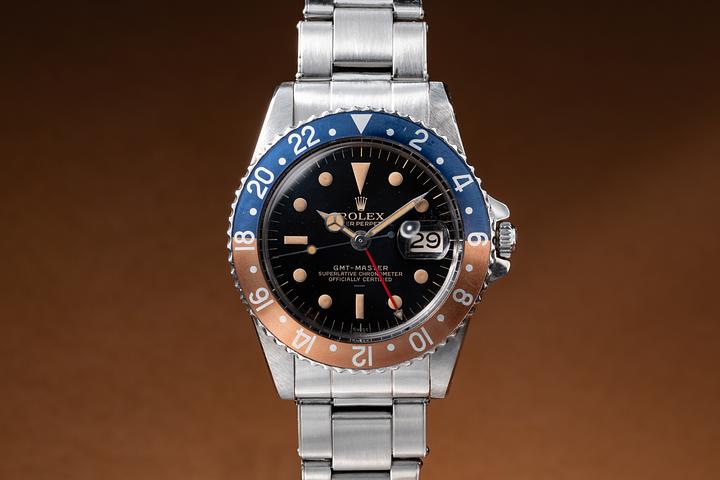
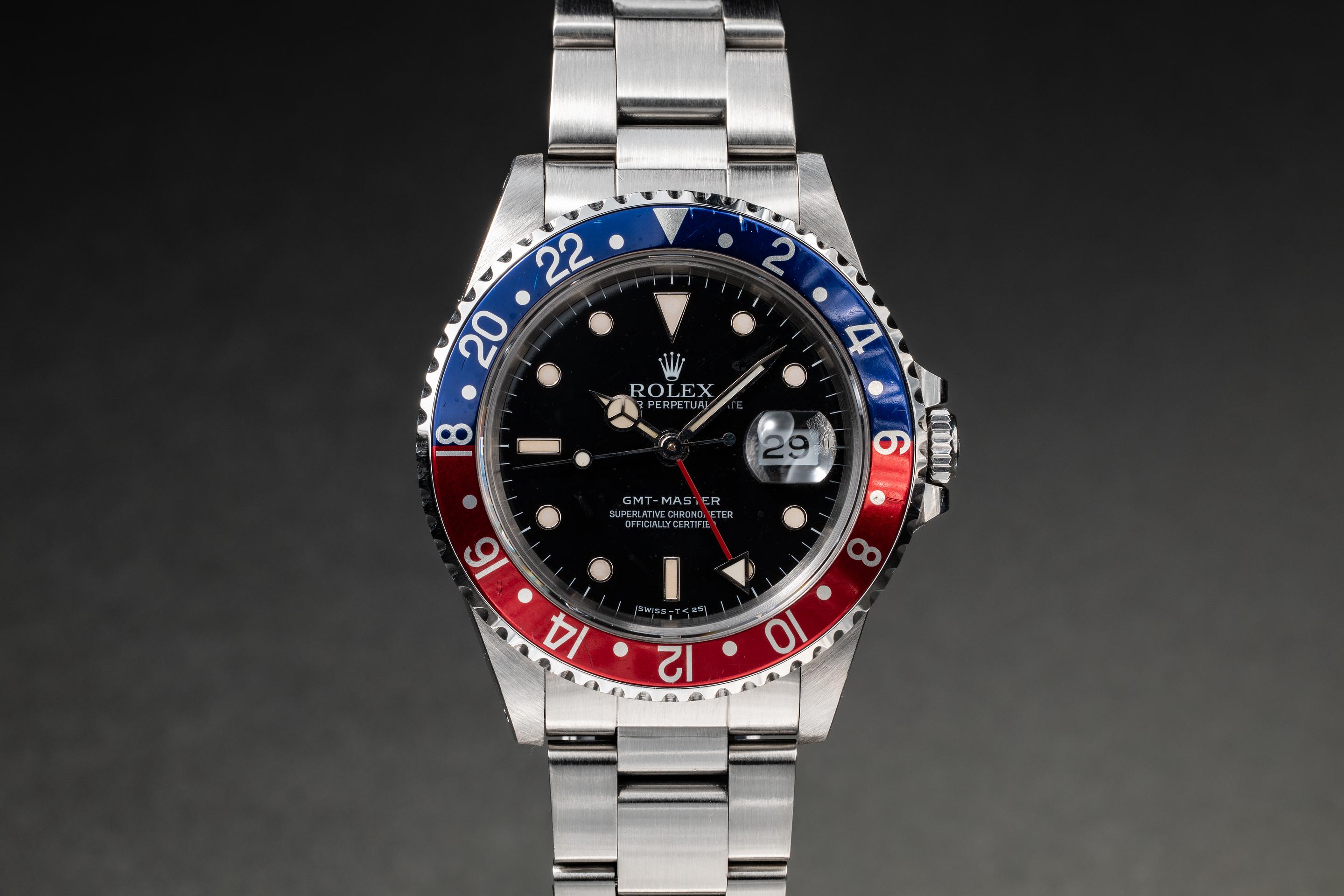
Few watches in the history of horology have earned a nickname quite like the Pepsi Rolex. The name is not an official Rolex designation, of course, but rather a term of endearment that collectors and enthusiasts worldwide have used for decades to describe the iconic red and blue bezel that adorns certain references within the Rolex GMT-Master family. It is vivid, it is bold, and it is immediately recognizable. Whether you are new to the world of luxury watches or a seasoned collector, understanding the Pepsi Rolex is a genuinely rewarding journey into watchmaking history, cultural significance, and enduring design philosophy.
The Origins of the Pepsi Rolex GMT-Master
The story begins in the early 1950s, when Rolex was approached by Pan American World Airways — better known as Pan Am — to develop a timepiece that could assist pilots in tracking two time zones simultaneously during transatlantic flights. The result was the GMT-Master, introduced in 1954. This watch featured a 24-hour graduated bezel and an additional hand that pointed to a second time zone, making it a practical instrument for aviation professionals. The very first reference, the Ref. 6542, arrived with a two-tone bezel in red and blue, and that color combination immediately set itself apart from anything else on the market. The resemblance to Pepsi's corporate colors was purely coincidental, but the nickname stuck with remarkable permanence. What began as a tool watch for airline pilots became one of the most coveted luxury timepieces in the world.
Key References in the Pepsi GMT-Master Lineage
The Pepsi colorway has appeared across several important Rolex references over the decades, each with its own distinct character and collectible appeal. Understanding these references helps buyers and enthusiasts make more informed decisions when exploring the market.
Ref. 6542 (1954) — The original GMT-Master with a Bakelite bezel insert, now extraordinarily rare and valuable Ref. 1675 (1959–1980) — A long-running production reference with numerous dial and bezel variations Ref. 16750 (1981–1988) — Featured a sapphire crystal and quickset date mechanism Ref. 16710 (1989–2007) — The last steel Pepsi before a notable interruption in the colorway's availability Ref. 126710BLRO (2018–present) — The modern Oystersteel Pepsi with a ceramic bezel, officially reintroduced to great fanfareThe Aluminum vs. Ceramic Bezel Debate
One of the most meaningful distinctions within the Pepsi GMT-Master world is the difference between aluminum and ceramic bezel inserts. Vintage references up to and including the Ref. 16710 used aluminum bezels, which are more susceptible to fading and scratching over time. Interestingly, this aging quality is actually highly desirable among collectors because it lends authenticity and character to the watch. A beautifully patinated aluminum Pepsi bezel can significantly enhance a vintage piece's value and charm. The modern Ref. 126710BLRO introduced a Cerachrom ceramic bezel, which is virtually scratch-proof and maintains its color intensity indefinitely. Ceramic offers practical durability, while aluminum offers historical soul. Neither is objectively superior — it depends entirely on what the buyer values most in their watch ownership experience.
Why the Pepsi Rolex Holds Such Cultural Weight
The Pepsi GMT-Master is not simply a watch. It is a cultural artifact. It has appeared on the wrists of heads of state, aviation pioneers, celebrities, and adventurers for well over half a century. Marlon Brando reportedly wore one. Ronald Reagan was photographed with a GMT-Master. The watch has appeared in film, music, and journalism at various points across its history, consistently reinforcing its identity as a symbol of worldly sophistication and professional accomplishment. There is also a practical elegance to it — the GMT-Master was genuinely designed to solve a real problem, and that utilitarian origin gives it a credibility that purely decorative luxury pieces sometimes lack. People who wear the Pepsi Rolex tend to appreciate that balance of form and function deeply.
What Makes the Pepsi GMT-Master a Sound Investment?
From a purely financial perspective, the Pepsi GMT-Master has demonstrated remarkable resilience and appreciation in the secondary market. Vintage references in excellent condition routinely command significant premiums, and certain rare variants — such as the Ref. 6542 with an original Bakelite bezel, or dial configurations with unusual printing — can reach extraordinary auction results. Even more contemporary references like the Ref. 16710 have appreciated considerably since production ended in 2007. The modern Ref. 126710BLRO has maintained a market price well above its retail value since launch, reflecting persistent demand that Rolex's controlled supply cannot fully satisfy. As with any luxury investment, condition, provenance, and originality of parts are critical factors that influence value. A watch with its original bracelet, box, and papers will always command more interest than one without.
How to Buy a Pepsi Rolex Wisely
Purchasing a Pepsi GMT-Master, whether vintage or modern, requires careful research and a measured approach. The market contains both authentic examples and sophisticated replicas, so due diligence is non-negotiable.
Research reference numbers thoroughly before committing to a purchase Verify the authenticity of the bezel insert, dial printing, and movement Inspect the bracelet and clasp for signs of inconsistency or replacement parts Request documentation including service records, box, and papers when possible Buy from reputable dealers with established reputations in the luxury watch space Consider having the watch independently authenticated by a certified watchmakerRolex GMT-Master Pepsi vs. Other GMT Variants
Rolex has produced the GMT-Master in several compelling colorways beyond the Pepsi configuration. The "Batman" features a black and blue bezel. The "Root Beer" combines brown and gold tones. The all-black bezel version is clean and understated. Each has its own dedicated following. However, the Pepsi consistently ranks among the most recognized and sought-after of them all, largely because it was the original and because its color contrast is so visually distinctive. When collectors discuss GMT-Master references, the Pepsi invariably anchors the conversation. That kind of enduring relevance within an already prestigious product line speaks volumes about its place in horological culture.
Where to Find Your Pepsi Rolex with Confidence
Finding the right Pepsi Rolex is as much about finding the right seller as it is about finding the right watch. For collectors who are serious about acquiring a genuine, thoroughly vetted example — particularly within the vintage segment — working with a trusted specialist is the only sensible approach. Tropical Watch has built a reputation as a destination for discerning collectors seeking authentic luxury timepieces with complete integrity, and if you are looking to explore vintage Rolex GMT-Master Pepsi watches for sale, their curated inventory and transparent approach to buying and selling represent exactly the kind of resource that serious watch enthusiasts deserve. The vintage Rolex market rewards patience and expertise, and having a knowledgeable partner alongside you through that process is genuinely invaluable.
Frequently Asked Questions About the Pepsi Rolex Watch
Why is the Rolex GMT-Master called the Pepsi?
The nickname Pepsi comes from the watch's distinctive red and blue two-tone bezel, which closely resembles the color scheme associated with the Pepsi-Cola brand. Rolex never officially used this name, but the watchmaking community adopted it organically and it has remained in common use since the 1950s.
What is the most valuable Pepsi Rolex reference?
The Ref. 6542, particularly examples retaining an original Bakelite bezel insert, is generally considered the most historically significant and valuable Pepsi GMT-Master. Exceptional examples in original condition have achieved substantial prices at major auction houses.
Is the modern Pepsi Rolex worth buying in 2024?
The modern Ref. 126710BLRO remains one of the most desirable sports watches in current production. Its secondary market value continues to exceed retail price, and its ceramic bezel construction ensures long-term durability. For collectors who appreciate both aesthetics and investment potential, it remains a highly worthwhile acquisition.
What is the difference between a Rolex GMT-Master and a GMT-Master II?
The GMT-Master II, introduced in 1983, features an independently adjustable hour hand, allowing the wearer to set the local hour separately from the GMT hand without stopping the watch. The original GMT-Master required setting the local time together with the movement. The Pepsi colorway has appeared on both references across different production eras.
How can I tell if a Pepsi Rolex is authentic?
Authentication requires examining multiple elements including the movement, case finishing, dial printing quality, bezel insert material, and bracelet construction. Serial and reference numbers should align with known production records. When in doubt, having the watch evaluated by a certified watchmaker or reputable specialist is the safest approach before any purchase.
Does the Pepsi Rolex hold its value over time?
Historically, the Pepsi GMT-Master has demonstrated strong value retention and appreciation, particularly in vintage references and well-preserved examples. Market performance is always subject to broader economic conditions and collector demand, but the Pepsi's combination of historical significance and cultural cachet has supported its standing in the secondary market consistently over decades.