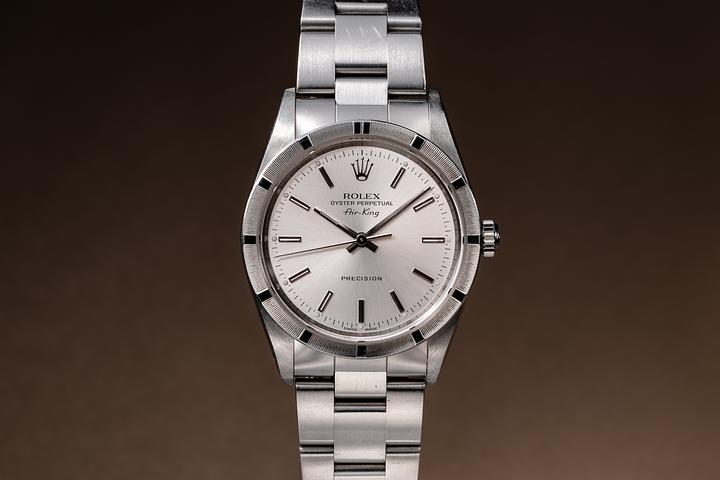
Rolex Watch Service Guide: Preserve Precision and Value
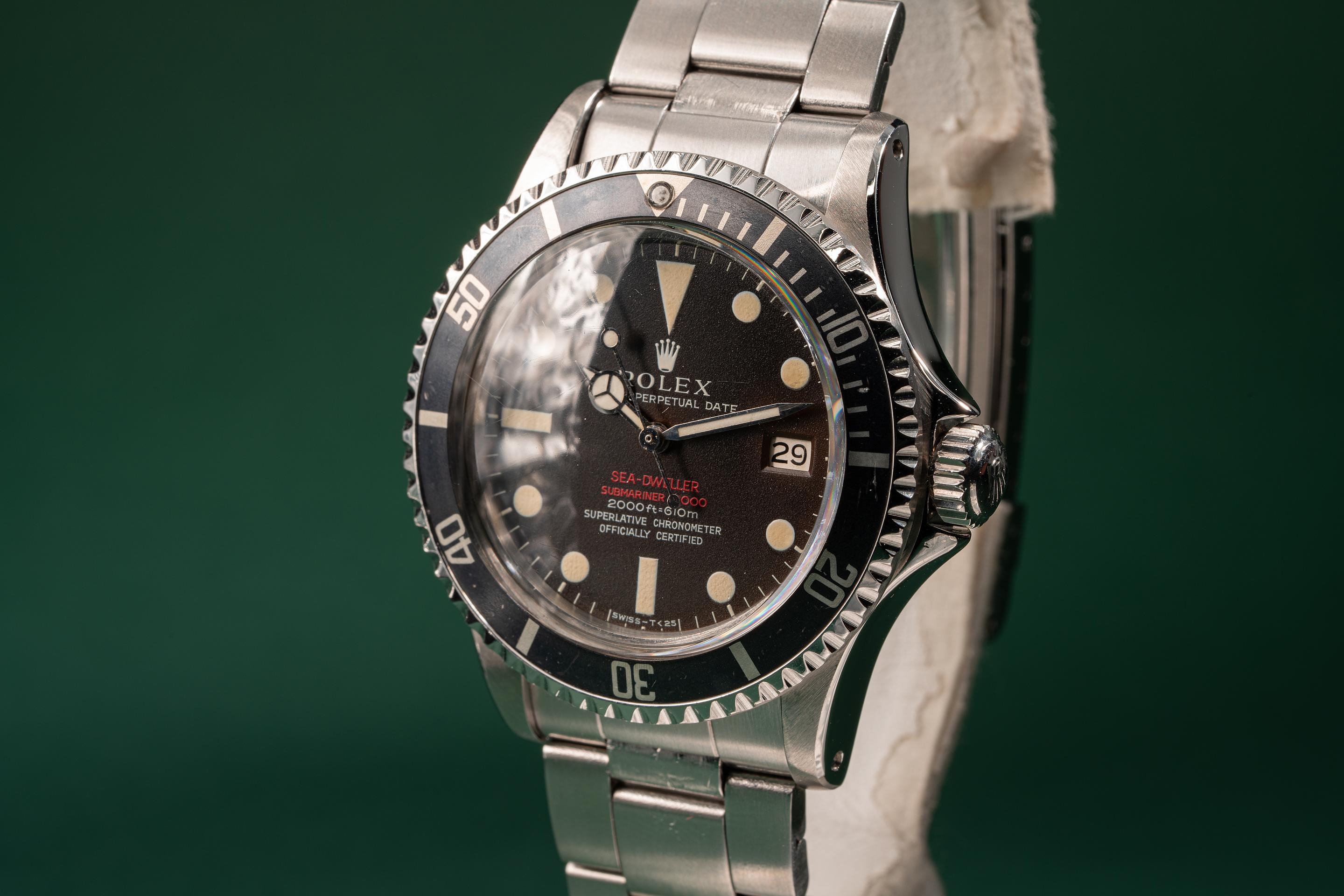
Why Rolex Service Matters More Than Most Watch Owners Realize
There is something quietly remarkable about a Rolex that has been properly maintained for decades. It keeps time. It holds its value. It looks, in many cases, almost exactly as it did the day it left Geneva. That does not happen by accident. Behind every well-preserved Rolex is a service history that reflects genuine care, certified expertise, and an understanding of what these watches truly are — not just timepieces, but precision mechanical instruments with a legacy worth protecting. If you own a Rolex or are considering one, understanding the service process is one of the most important things you can do.
A Brief History of Rolex Watchmaking and Why It Sets the Standard
Rolex was founded in 1905 by Hans Wilsdorf in London, though its manufacturing operations eventually settled in Geneva and Biel, Switzerland. From the beginning, Wilsdorf was obsessed with precision — not just in keeping time, but in making watches that could survive real-world conditions. The Oyster case, introduced in 1926, was the world's first waterproof wristwatch case. The Perpetual rotor followed in 1931, giving Rolex its self-winding movement. These were not small innovations. They fundamentally changed what wristwatches could be. Over the following century, Rolex developed in-house movements, proprietary alloys like Oystersteel and Everose gold, and certification standards that exceed standard Swiss chronometer requirements. Every single Rolex movement must pass the COSC chronometer test before additional in-house testing is applied. That level of manufacturing precision is exactly why servicing a Rolex correctly matters so much — these movements are built to exacting tolerances that demand equally exacting care.
How Often Should a Rolex Be Serviced
Rolex officially recommends servicing your watch approximately every ten years, assuming normal use and no mechanical issues arise. This is a longer interval than many watch brands suggest, and it reflects the quality of Rolex's engineering. That said, ten years is a guideline, not a guarantee. Several factors can accelerate the need for service — exposure to salt water, impact damage, significant temperature changes, or simply heavy daily wear. If your Rolex is running noticeably fast or slow, if the winding feels unusually stiff, or if the crown no longer screws down properly, those are signals that service should happen sooner rather than later. A movement left too long without lubrication can develop wear that is both costly and, in some cases, irreversible.
What Happens During a Full Rolex Service
A complete Rolex service is a thorough, multi-stage process. It is not a quick cleaning or a battery swap — this is a full mechanical overhaul performed by trained horological technicians. Understanding what is involved helps explain both the time required and the cost.
A complete service typically includes the following steps: The watch is fully disassembled, separating the case, bracelet, dial, and movement. The movement is broken down to its individual components, which can number in the hundreds. Every part is inspected under magnification for wear, damage, or dimensional deviation. Worn components are replaced using genuine Rolex parts. All remaining parts are cleaned ultrasonically and dried. The movement is lubricated with specific oils and greases calibrated to each component. The movement is reassembled and regulated to Rolex's precision standards. The case and bracelet are pressure-tested, polished or brushed per owner preference, and resealed. The watch is tested for water resistance and timekeeping accuracy before it is returned.This process can take several weeks, particularly when done through an official Rolex service center. The result, however, is a watch that performs as close to factory specification as possible.
Authorized Service Centers Versus Independent Watchmakers
This is a conversation that comes up constantly in the Rolex community, and it deserves a direct answer. Rolex Authorized Service Centers use genuine Rolex parts, trained technicians, and calibrated tools specific to each movement caliber. That matters. A non-genuine mainspring or balance staff can affect timekeeping, long-term durability, and in some cases, the resale value of the watch. Independent watchmakers vary enormously in skill and access to parts. Some are genuinely exceptional and work with trusted suppliers. Others are not. For newer Rolex references under warranty, authorized service is non-negotiable. For vintage models — pre-1990s references, in particular — the calculus is slightly different, since original parts may no longer be available through Rolex, and an experienced independent specialist in vintage movements can sometimes be the better option. Know your watch and choose accordingly.
The Real Cost of Rolex Servicing and What Affects the Price
Rolex service costs vary based on the model, complexity of the movement, condition of the watch, and whether it requires replacement parts. As a general benchmark, a full service on a modern Rolex can range from approximately $800 to over $1,500 USD depending on the reference and what is discovered during disassembly. Complications such as the Daytona chronograph or a GMT-Master with a more complex movement will typically sit toward the higher end. Vintage models may carry different pricing structures depending on parts availability. It is worth noting that deferring service to save money in the short term often results in higher costs later. Dry movement components accelerate wear, and a damaged pivot or worn gear cannot simply be oiled back to health. Think of it less as an expense and more as an investment in the longevity of a watch that may be worth considerably more in the years ahead.
Preserving Value Through Proper Service Documentation
In the luxury watch market, provenance and documentation carry real monetary weight. A Rolex with a complete and verifiable service history will almost always command a stronger resale price than an identical model without records. Buyers — whether private collectors or dealers — want to know a watch has been cared for correctly. Keep every receipt. Record the date of service, the service center, and any parts that were replaced. If you have the original box and papers, store them safely and separately. For vintage Rolex watches especially, documentation that confirms authenticity, originality, and service history can be the difference between a standard sale and an exceptional one. Do not underestimate how much this paperwork matters.
Tips for Extending the Life of Your Rolex Between Services
There are practical habits that significantly reduce wear between service intervals and help your Rolex perform at its best for years.
Rinse the watch with fresh water after exposure to salt water, chlorine, or sand. Avoid setting the date between approximately 9 PM and 3 AM, as this is when the date mechanism is actively engaging and can be damaged. Store the watch away from strong magnetic fields, including speakers, laptops, and magnetic closures on bags. Wind a manual-wind Rolex gently and consistently, stopping when resistance is felt. Have the water resistance tested every two to three years even outside of a full service, especially if the watch is used in water. Avoid extreme impacts — Rolex movements are robust, but repeated shock will affect regulation over time.These are small commitments that collectively extend the intervals between major services and protect the movement from preventable damage.
Why Tropical Watch Is the Right Partner for Your Rolex Journey
Whether you are looking to acquire a carefully preserved vintage Rolex or simply want to understand more about the watches you already own, working with a trusted specialist makes every difference. Tropical Watch brings together deep horological knowledge, a curated inventory of authenticated timepieces, and a genuine commitment to the kind of quality that Rolex owners expect. For collectors pursuing rare references and those new to the world of fine watchmaking alike, finding the right source matters enormously. When you choose to explore certified pre-owned and vintage Rolex watches with verified service history, you are not simply purchasing a watch — you are investing in something with a documented past and a well-supported future. That combination of authenticity, expertise, and respect for the craft is exactly what Tropical Watch represents.
Frequently Asked Questions About Rolex Service
How long does a full Rolex service take?
A complete service performed by an authorized Rolex service center typically takes between four and eight weeks, depending on the reference, current service volume, and whether replacement parts need to be ordered. Independent watchmakers may vary in turnaround time.
Will servicing a Rolex affect its value?
A properly documented service by a certified technician using genuine parts generally preserves or enhances resale value. Over-polishing the case or replacing original components with non-genuine parts can negatively affect value, particularly for vintage references.
Can I wear my Rolex while it is overdue for service?
You can, but it carries risk. A movement running on degraded lubricants or with worn components experiences accelerated damage. If your watch is running inaccurately or shows signs of mechanical irregularity, discontinuing daily wear and booking a service promptly is advisable.
Does a vintage Rolex need the same service as a modern one?
The service process is similar in structure, but vintage movements require technicians with specific expertise. Parts availability differs, and in some cases, preserving original components is a priority for collector value. Seek a specialist with demonstrable experience in the specific vintage caliber your watch contains.
What is the difference between a service and a repair?
A service is a scheduled, preventative overhaul of the movement, case, and bracelet regardless of a specific fault. A repair addresses a particular mechanical failure or damage. The two are not mutually exclusive — a repair is often performed during a scheduled service if an issue is discovered during disassembly.
How do I know if my Rolex needs service before the ten-year interval?
Common signs include timekeeping that has drifted significantly from its regulated accuracy, difficulty winding or setting the crown, unusual sounds from the movement, or a crown that no longer screws down securely. Any of these warrant immediate evaluation by a qualified watchmaker.