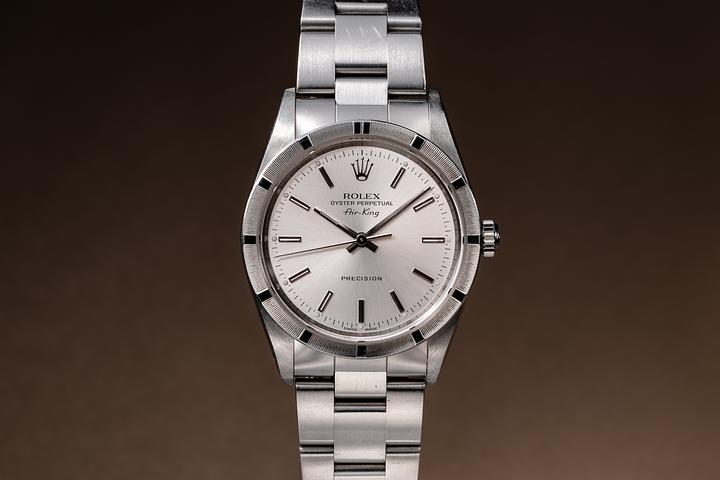
Rolex Serial Number Lookup Guide: Dates, History, and Value
Why Your Rolex Serial Number Tells You More Than You Think
Most people buying or selling a Rolex focus on the dial, the condition, the bracelet. And those things absolutely matter. But there is something else — a quiet string of numbers stamped into the case that carries an enormous amount of information about who made the watch, when it was made, and what it might actually be worth today. The Rolex serial number is not just an identifier. It is a historical record, a verification tool, and in some cases, a value multiplier. If you have never done a Rolex serial number lookup, or you are not sure what to do with the results, this guide is going to walk you through everything you need to know.
Where to Find Your Rolex Serial Number
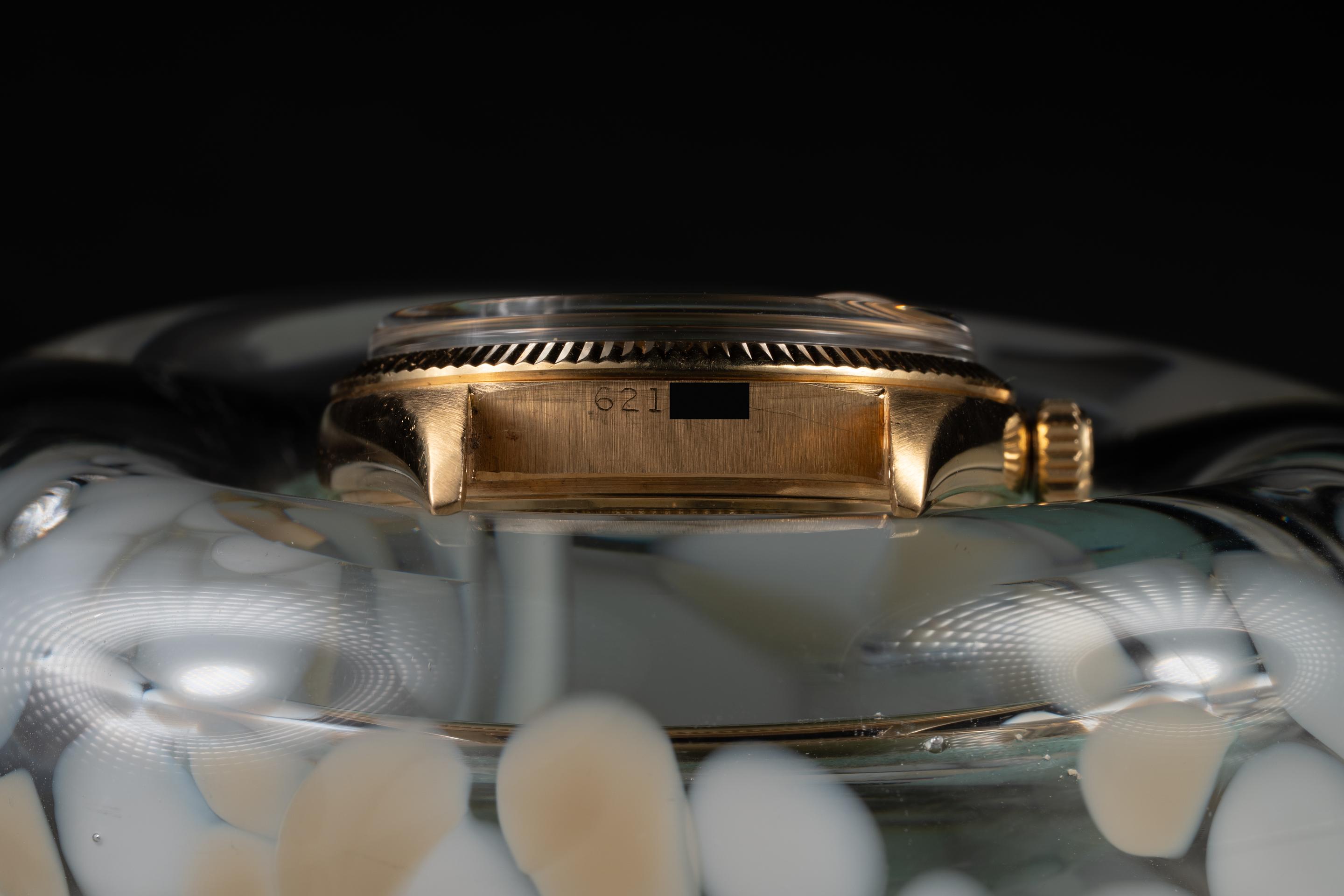
This is the part people sometimes overthink. The location of the serial number depends on when your Rolex was manufactured. For watches produced before approximately 2005, the serial number is engraved on the outside of the case at the 6 o'clock position, between the lugs where the bracelet attaches. You will need to remove the bracelet or at least release it from that side to see it clearly. For watches made after 2005, Rolex began engraving the serial number on the inner bezel ring — the rehaut — which is visible on the dial side without removing anything. Some modern references also include the serial number on the caseback or in documentation. Either way, once you have the number, the lookup process becomes straightforward.
A Brief History of Rolex Serial Numbers and Why They Matter
Rolex has been producing watches since 1905, but the serial numbering system most collectors reference today became more structured throughout the mid-twentieth century. Early serial numbers from the 1920s and 1930s were relatively low — we are talking four and five digit numbers — and they climbed steadily as production expanded. By the 1980s and 1990s, Rolex was using six and then seven digit serials. The brand eventually transitioned to a randomized serial number system around 2010, which means that for watches produced after that point, the serial number no longer directly indicates production year. That shift was intentional — Rolex made the change partly to protect privacy and prevent counterfeiting. For vintage and pre-2010 pieces, the serial number remains one of the most reliable dating tools available.
How to Read the Rolex Serial Number Date Chart
Before the randomized system was introduced, Rolex serials followed a sequential format that collectors and experts have mapped out with reasonable precision. Here is a general reference for understanding production eras based on serial number ranges:
Serial numbers beginning with 1–9999 correspond to watches produced in the 1920s and earlier Numbers in the 10,000–99,999 range generally date to the late 1920s through 1930s Six-digit serials starting with 1 through 4 typically place a watch in the 1950s through early 1970s Serials beginning with 5 or 6 in the six-digit range often indicate mid-1970s to mid-1980s production Numbers starting with 7, 8, or 9 suggest late 1980s into the early 1990s Letter-prefixed serials — such as A, P, Y, or F — were introduced in the mid-1980s and run through the 2000s, each corresponding to specific year windowsThese are reference points, not absolutes. Minor production overlaps exist, and some watches sat in inventory before retail sale, which can create a gap between manufacture date and purchase date. Still, the serial number gets you close — often within a year or two.
What a Serial Number Lookup Actually Tells You
Running a Rolex serial number lookup gives you more than a manufacture date. It can confirm whether the watch is authentic, reveal what reference number it corresponds to, and help you understand what era of production you are dealing with. For vintage collectors, this matters enormously. A Submariner produced in 1967 carries different characteristics — and often different value — than one made in 1972, even if both look similar at a glance. The serial number is the thread that connects a watch to its specific chapter of Rolex history. It can also help verify documentation. If a watch comes with original papers, the serial number on the papers should match the case exactly. Any discrepancy is a serious red flag.
Rolex Serial Numbers and Watch Value
Here is where things get genuinely interesting. The serial number does not just confirm age — it influences market value in measurable ways. Certain production years align with desirable dial variants, case materials, or transitional design periods that collectors actively seek out. A vintage Rolex Day-Date produced in a specific year might carry a rare dial configuration — a "tropical" dial, for example, where the original lacquer has aged into warm brown tones — that commands a premium well beyond standard models. The serial number helps authenticate and date these variations, which in turn supports valuation. Watches with documentation matching the serial number, especially those with original box and papers, consistently sell for more in the secondary market. The serial number is often the linchpin of that documentation story.
Common Mistakes to Avoid During a Serial Number Lookup
There are a few things that trip people up when researching Rolex serials. First, relying solely on a serial number chart without cross-referencing the reference number is a mistake — serial and reference work together, not independently. Second, assuming that any online serial lookup tool is definitively accurate. Most reputable databases are well-maintained, but they work from historical data and general production windows, not Rolex's internal records. Rolex does not publicly release production data. Third, ignoring the physical watch. A serial number that checks out does not automatically confirm authenticity. It should be one part of a broader authentication process that includes examining case finishing, movement condition, dial printing, and other details. Use the serial number as a starting point, not a final answer.
How to Use Serial Numbers When Buying a Vintage Rolex
When you are evaluating a vintage Rolex purchase, the serial number should be part of your due diligence checklist from the beginning. Ask the seller for the serial number before you inspect the watch in person. Do a preliminary lookup to understand what era and reference you should be looking at. When you see the watch, verify the number matches what was provided. Check both the 6 o'clock lug engraving and — on newer pieces — the rehaut. If papers or a warranty card are included, match those numbers precisely. If the watch has been serviced, a reputable watchmaker will have noted the serial in their service records. All of this documentation creates a provenance chain that protects both buyer and seller and supports the watch's long-term value.
Why Tropical Watch Is the Right Place for Vintage Rolex Research and Acquisition
Understanding serial numbers is a skill, but applying that knowledge to a real purchase requires access to watches that have already been properly vetted. That is where expertise matters. For collectors who take provenance seriously — who understand that a serial number is not just a formality but a window into a watch's entire history — finding a trusted source is everything. Tropical Watch specializes in exactly this kind of curated, research-backed approach to vintage Rolex. Whether you are searching for a specific reference, trying to understand what a production year means for value, or simply want to work with people who speak this language fluently, exploring the full inventory of authenticated vintage Rolex watches with verified serial numbers is a logical next step for any serious collector. The team understands what makes a watch genuinely exceptional — not just cosmetically, but historically — and that context shapes every watch offered through the platform.
Frequently Asked Questions About Rolex Serial Number Lookups
How accurate is a Rolex serial number date lookup?
For watches produced before 2010, serial number date lookups are generally accurate within one to two years. They rely on documented production data compiled by collectors and researchers over decades. For watches produced after Rolex transitioned to a randomized serial system around 2010, serial numbers no longer indicate production year.
Can a serial number confirm whether a Rolex is authentic?
A serial number lookup is one part of authentication, but it cannot confirm authenticity on its own. Counterfeit watches can carry copied or plausible serial numbers. Full authentication requires examining the movement, case finishing, dial details, and ideally having the watch reviewed by a qualified expert or authorized dealer.
Where exactly is the serial number on a vintage Rolex?
On vintage Rolex watches produced before approximately 2005, the serial number is engraved on the case at the 6 o'clock side between the lugs. To see it clearly, the bracelet typically needs to be partially removed. On newer references, the serial number also appears on the rehaut, the inner bezel ring visible through the crystal.
Does the Rolex serial number affect resale value?
Yes, indirectly. The serial number establishes production year, which helps identify dial variations, case materials, and transitional models that carry collector premiums. A watch with intact, matching documentation — where the serial number on the case matches original papers — consistently commands higher prices in the secondary market.
What is the difference between a Rolex serial number and a reference number?
The serial number is unique to each individual watch and is used to determine production date. The reference number identifies the specific model — the case shape, dial configuration, and material combination. Both numbers are typically engraved on the case between the lugs, with the reference number appearing at the 12 o'clock side.
Can I contact Rolex directly to verify a serial number?
Rolex does not publicly provide production records or confirm manufacture dates to private individuals based on serial numbers alone. Authorized Rolex service centers can sometimes provide service history or basic verification, but comprehensive serial research is generally conducted through experienced dealers, established collector databases, or authentication specialists.