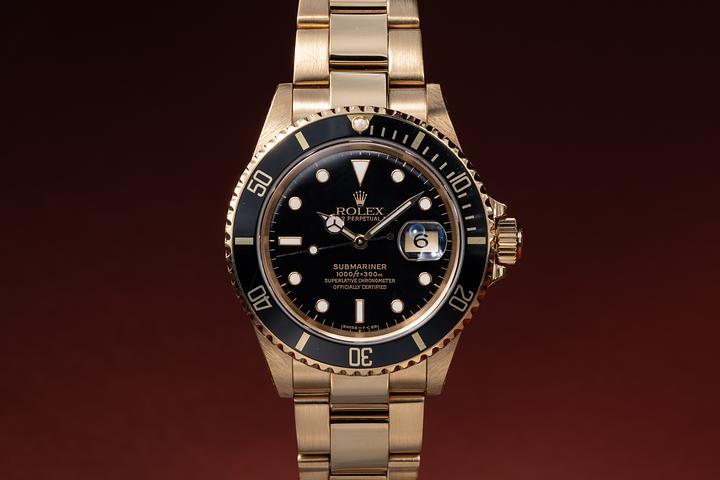
Le Mans, Daytona, and the Watches That Define Racing
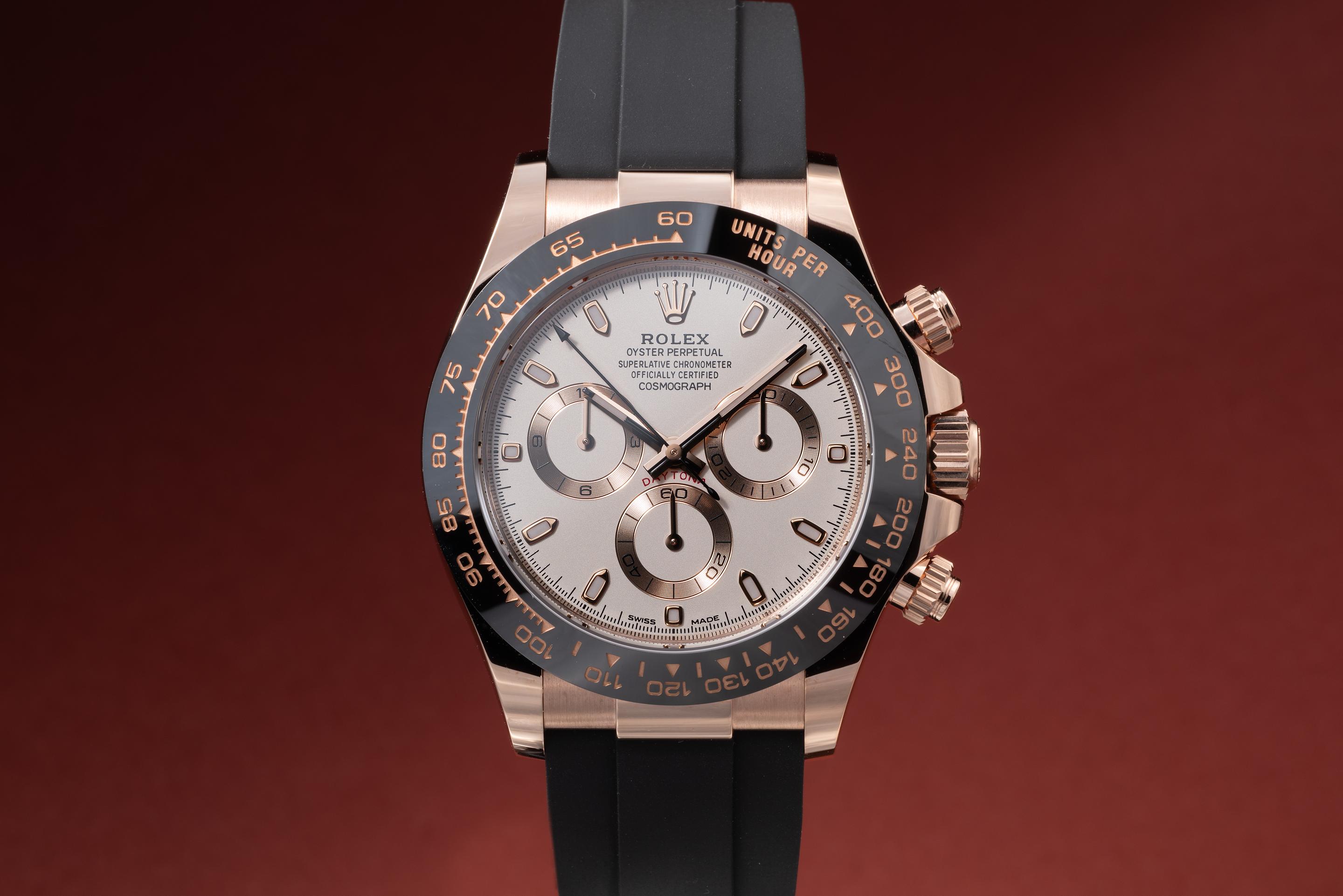
Le Mans, Daytona, and the Watches That Captured Racing's Golden Era
There is something about motorsport and mechanical watchmaking that has always made perfect sense together. Both disciplines demand precision. Both reward obsessive attention to detail. And both carry a kind of romance that is genuinely difficult to explain to someone who has never felt it. The Le Mans 24 Hours and the Daytona 500 are two of the most iconic races in history, and somewhere along the way, the luxury watch industry attached itself to that legacy in ways that became permanent. The result is a category of timepieces that continues to captivate collectors, enthusiasts, and first-time buyers alike. If you have ever wondered why certain watches carry racing names, what that actually means for their design or history, and whether any of it matters when making a purchase decision, this is where the story starts.
Why Motorsport and Luxury Watches Have Always Been Inseparable
It goes back further than most people realize. In the early twentieth century, timing was everything in motorsport. Races were won and lost by fractions of seconds, and the instruments used to measure those fractions needed to be accurate, legible, and durable under extreme conditions. Watchmakers were the obvious answer. Brands like Heuer, Longines, and later Rolex became official timekeepers at races across Europe and North America. Being associated with Le Mans or the Daytona International Speedway was not just a marketing exercise. It was a functional relationship. Drivers wore chronographs on their wrists. Teams used stopwatches from the same manufacturers. The partnership was built on genuine utility, which is part of why it lasted.
The Rolex Daytona: A Watch Born From a Specific Place and Purpose
The Rolex Cosmograph Daytona is the most famous racing-inspired watch in the world, and its name is not accidental. Rolex became the official timepiece sponsor of the Daytona International Speedway in the early 1960s, and in 1963, the company released a chronograph reference formally named the Cosmograph, which would later adopt the Daytona designation. The watch was purpose-built for racing drivers. It featured a tachymeter scale on the bezel, allowing drivers to calculate average speed over a measured distance. The subdials tracked elapsed minutes and hours. Everything about the design reflected its intended environment: fast, loud, and demanding. Early Daytonas sold modestly at first. Rolex dealers reportedly had difficulty moving them. That trajectory reversed completely over the following decades, and today the Daytona is among the most sought-after references in the entire secondary market.
Le Mans and the Watches That Defined an Era of Endurance Racing
While Daytona gave its name to one of watchmaking's most iconic references, Le Mans influenced the broader culture of watch design in different but equally significant ways. The 24 Hours of Le Mans, held annually in France since 1923, became the ultimate test of endurance for both machinery and human beings. Drivers competing at Le Mans required instruments that could track lap times, manage stint durations, and withstand the physical punishment of extended high-speed running. Heuer's association with Le Mans through Steve McQueen's 1971 film of the same name permanently embedded the Monaco chronograph into racing watch history. That single cultural moment changed how the public understood the connection between horology and motorsport. Watches were no longer just timekeeping tools at the track. They were part of the identity of the drivers themselves.
Chronograph Functionality: What Racing Heritage Actually Means for the Watch
Understanding why a racing-heritage watch looks the way it does helps buyers make better decisions. The chronograph complication, which allows the wearer to start, stop, and reset a seconds counter independently of the main timekeeping function, was the central feature of every serious racing watch. Tachymeter bezels, pulsometer scales, and telemeter graduations all served functional roles. The pushers flanking the crown on a Daytona or a Monaco were not decorative choices. They were operational controls designed for use with gloved hands at speed. Even the dial layouts of these watches, with their high-contrast subdials and bold numerals, were engineered for legibility in difficult conditions. When you are buying a racing-heritage watch today, you are purchasing the end result of decades of iterative design refinement driven by actual use.
Key Racing-Inspired Luxury Watch References Worth Knowing
The market for racing-heritage luxury watches is broad, but a handful of references consistently appear at the top of collector conversations. Each carries its own specific history and design logic.
- Rolex Cosmograph Daytona, references 6239 through current generation, named for the Florida speedway and inseparable from motorsport luxury
- TAG Heuer Monaco, introduced in 1969, square-cased and worn by Steve McQueen during the filming of Le Mans
- TAG Heuer Carrera, named after the Carrera Panamericana road race and designed by Jack Heuer for legibility
- Omega Speedmaster, worn on the wrist of racing drivers and NASA astronauts alike, built around a manual-wind chronograph movement
- Girard-Perregaux Laureato, worn by drivers in period and now experiencing a strong collector revival
Vintage Rolex Daytona: Why Collectors Pay Significant Premiums
The vintage Daytona market is one of the most discussed segments in all of watch collecting, and for valid reasons. Early references from the 1960s and early 1970s, particularly those fitted with exotic dials, command prices that regularly exceed six figures at major auction houses. The so-called Paul Newman Daytona, named after the racing enthusiast and actor who frequently wore reference 6239 and its variants, became a shorthand term for any Daytona fitted with an Art Deco-style dial featuring contrasting subdial colors and external minute track markings. These dials were not originally considered special. Over time, their rarity and association with Newman transformed them into the most valuable dial variant in Rolex's entire catalog. A Paul Newman Daytona sold at Phillips auction in 2017 for over seventeen million dollars, setting a record for any Rolex at auction.
What to Look for When Buying a Racing-Heritage Luxury Watch
Whether you are entering the market for the first time or adding to an existing collection, a few principles apply consistently across the category.
- Originality matters above almost everything else. Matching dials, hands, and bezels to the correct reference and production period substantially affects value and authenticity.
- Service history documentation, while not always available for vintage pieces, adds confidence to any purchase.
- Case condition tells a story. Heavy polishing removes metal and obscures original sharp edges, which collectors generally consider a negative.
- Movement condition and caliber matching to the case reference should be verified by a qualified watchmaker before purchase.
- Provenance, especially for historically significant pieces, can add meaningful value and collector interest.
How Le Mans and Daytona Continue to Shape Modern Watch Design
The influence of Le Mans and Daytona on contemporary watchmaking has not faded. If anything, it has intensified as both races celebrate significant anniversaries and as the broader culture rediscovers the analog appeal of mechanical instruments. Modern Rolex Daytona references continue to use a ceramic tachymeter bezel and in-house chronograph movement, while maintaining the essential visual DNA of the 1960s originals. Brands like Richard Mille have built entire identities around motorsport partnership, producing watches that push material science to its limits in direct response to the demands of racing environments. Even fashion-forward brands reference racing aesthetics in their dial typography, color choices, and case proportions. The grammar of motorsport watchmaking is now a permanent part of the broader luxury watch vocabulary.
Why Tropical Watch Is the Right Source for Vintage Rolex and Racing-Heritage Timepieces
When you are serious about owning a watch with genuine motorsport heritage, the source matters as much as the reference itself. Tropical Watch has built a reputation within the vintage Rolex community for offering authenticated, carefully sourced timepieces that meet the expectations of knowledgeable collectors. Their inventory reflects a deep understanding of what makes a racing-heritage watch genuinely significant, from dial originality to movement integrity. For collectors pursuing a vintage Rolex Daytona chronograph with verified motorsport provenance, working with a specialist who understands the nuances of these references is not optional, it is essential. Tropical Watch offers that level of expertise, and for anyone navigating the considerable complexity of the vintage Rolex market, vintage Rolex Daytona specialists with authenticated racing-heritage inventory represent exactly the kind of trusted partner that protects both your investment and your confidence in the purchase.
Frequently Asked Questions
Why is the Rolex Daytona named after the Daytona International Speedway?
Rolex became the official timepiece of the Daytona International Speedway in the early 1960s. The Cosmograph chronograph adopted the Daytona name to reflect that association and its intended use by racing drivers competing at the track.
What makes a Paul Newman Daytona different from a standard Daytona?
Paul Newman Daytonas refer to early Rolex Daytona references fitted with exotic dials featuring Art Deco-style graphics, contrasting subdial colors, and external minute track markings. These dials were not considered special when new but became the most valuable dial variant in Rolex collecting history over time.
Which watches were actually worn at Le Mans?
Several references have historic connections to Le Mans, most notably the TAG Heuer Monaco, which Steve McQueen wore during the filming of his 1971 film. Heuer also served as an official timekeeper at the race for many years, making their chronographs closely tied to Le Mans history.
Is a vintage Rolex Daytona a good investment?
Vintage Rolex Daytonas, particularly original-dial examples in unpolished condition with matching components, have demonstrated consistent long-term value appreciation. However, condition, originality, and provenance all significantly affect outcome, and buyers should work with reputable specialists before purchasing.
What should I prioritize when buying a vintage racing chronograph?
Dial originality, case condition, movement caliber matching, and service documentation are the most important factors. A watch with an original, unrestored dial in honest condition will typically hold value better than a cleaner-looking example with replaced or refinished components.
Does motorsport heritage affect the resale value of a luxury watch?
Yes, significantly. Watches with documented racing associations, strong cultural provenance, or iconic placement in motorsport history consistently command premiums in the secondary market. The Rolex Daytona and TAG Heuer Monaco are the clearest examples of this effect in practice.