Rolex Lefty Sprite: Swiss Craftsmanship for Left-Handed Users
What Is the Rolex Lefty Sprite and Why Does It Matter?
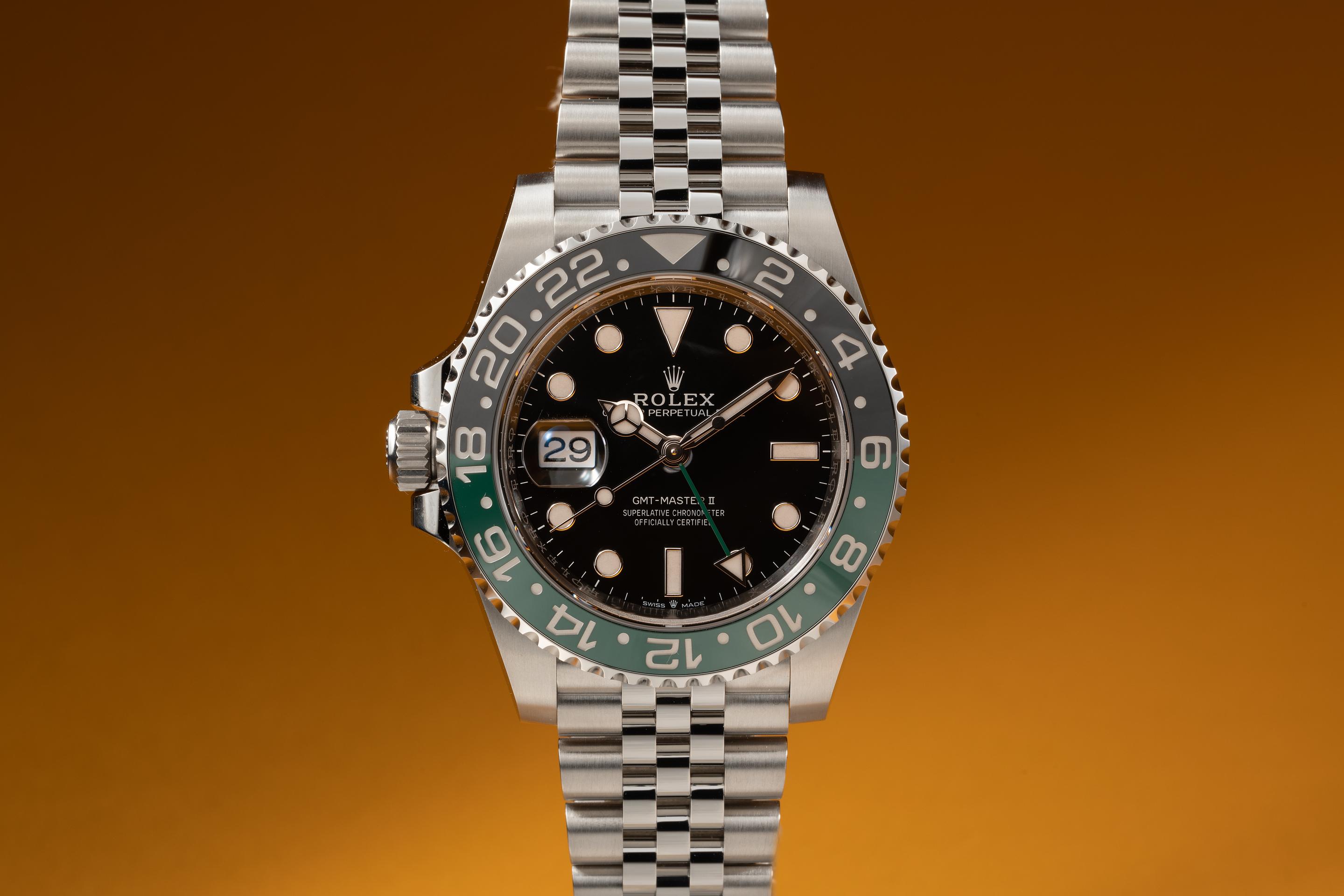
There are watches, and then there are watches that make you stop mid-scroll and actually think. The Rolex Lefty Sprite is one of those pieces. It occupies a genuinely fascinating corner of the luxury watch world — one that blends thoughtful ergonomic design with the kind of Swiss precision Rolex has built its entire reputation around. If you have never heard of it, or you have only caught a glimpse of it without fully understanding what makes it special, this is the right place to start. The Rolex Lefty Sprite is, at its core, a watch designed for left-handed wearers — with the crown repositioned to the left side of the case rather than the conventional right. That single design change opens up a surprisingly deep conversation about watchmaking philosophy, collectibility, and what it really means to serve every kind of wrist.
The History Behind the Rolex Lefty Configuration
To appreciate the Lefty properly, you need a little context about how watches are typically built. Standard watch cases position the crown — the small winding and setting mechanism — on the right side at the three o'clock position. This is comfortable for right-handed wearers who carry their watch on the left wrist. But for left-handed individuals, wearing a watch on the right wrist means that same crown sits pressed directly against the back of the hand, which is both uncomfortable and, over time, quietly irritating. Rolex recognized this and, over the decades, produced a selection of models with a mirrored case design. The crown shifts to the nine o'clock position, the dial orients accordingly, and suddenly the experience of wearing a luxury watch is transformed for a portion of the population that had long been overlooked by mainstream watchmaking conventions. It is a thoughtful gesture from a brand that rarely makes accidental decisions.
What Makes the Sprite Dial So Visually Distinctive
The Sprite name itself carries weight in Rolex collecting circles. It refers to a specific dial variant associated with certain GMT-Master and Explorer models, characterized by a vivid color scheme and highly legible typography. The Sprite dial, depending on the reference, often features a bold combination of colors — sometimes a striking green and black — paired with sharp, clean hour markers and that unmistakable Rolex refinement. When the Sprite dial is married to the Lefty configuration, the result is a piece that feels both rare and purposeful. It is not a gimmick. The dial design prioritizes readability, the color contrast is intentional, and the overall aesthetic still adheres to the Rolex standard of restrained luxury. Nothing feels excessive. Everything feels considered.
The Movement Inside: Swiss Precision That Needs No Introduction
Whatever configuration a Rolex comes in, the movement inside is never an afterthought. The calibers associated with Lefty Sprite references are in-house Rolex movements — self-winding mechanical calibers that are COSC-certified chronometers or exceed even those standards. Rolex movements are known for their robustness, their accuracy within plus or minus two seconds per day in real-world conditions, and their longevity when properly serviced. The Oyster case — which the Lefty Sprite retains — provides water resistance and dust protection, making this not just a display piece but a genuinely wearable instrument. The Triplock crown, repositioned to accommodate left-handed wear, maintains the same sealing performance as any standard Rolex configuration. The engineering does not compromise because the design is different. That consistency is part of what makes Rolex what it is.
Key Specifications Worth Knowing Before You Buy
If you are researching the Rolex Lefty Sprite with a purchase in mind, here are the core specifications and features you should be aware of as you evaluate your options.
Case material is typically Oyster steel, with some references available in precious metals Crown position is at nine o'clock, mirrored from the standard configuration Dial features the Sprite color scheme, often with green and black tones Movement is an in-house Rolex self-winding caliber Water resistance is maintained through the Triplock crown system Case size varies by reference but typically falls within the 40mm range Bracelet options include the Oyster and Jubilee, depending on reference and yearThese details matter because they help you verify authenticity when purchasing from any secondary market. Any deviation from these specifications in a supposedly genuine example should prompt closer scrutiny.
Collectibility and Market Value of the Rolex Lefty Sprite
Here is where things get genuinely interesting for collectors and investors alike. The Lefty configuration is inherently rarer than standard production models. Rolex produced these pieces in significantly lower numbers, and the Sprite dial variant adds another layer of scarcity on top of that. When you combine a low production run with a distinctive aesthetic and a dedicated collector community, the market value tends to reflect that reality. Vintage examples in excellent condition with original dials and bracelets command serious premiums at auction and through reputable dealers. The color of a Sprite dial can also shift over time — a process collectors refer to as patina — and certain tonal changes are considered highly desirable. A well-preserved Lefty Sprite with honest, original aging can easily outperform general market expectations for comparable Rolex references.
How to Identify an Authentic Rolex Lefty Sprite
Authentication is always a critical step when purchasing any vintage or pre-owned Rolex, and the Lefty Sprite demands particular attention given its collectibility and value. There are several markers of authenticity that informed buyers consistently examine.
Dial printing should be sharp, even, and consistent with known reference examples Crown position must genuinely be at nine o'clock with proper case machining Serial and reference numbers should align with known production records for Lefty models The cyclops lens, if present, should magnify the date by 2.5x and sit flush with the crystal Movement should match the caliber documented for the specific reference Case finishing should show appropriate wear consistent with the watch's stated ageIf you are not confident in your ability to assess these details independently, always work with a trusted specialist who has verifiable expertise in vintage Rolex authentication. The investment is significant, and due diligence is simply non-negotiable.
Is the Rolex Lefty Sprite the Right Watch for You?
The honest answer is that it depends entirely on what you value in a luxury timepiece. If you are a left-handed watch enthusiast who has spent years tolerating the minor indignity of a crown digging into your wrist, the Lefty Sprite is a revelation. It wears with a comfort and intentionality that standard configurations simply cannot replicate on the right wrist. If you are a collector drawn to low-production variants with documented provenance and strong secondary market performance, the Lefty Sprite checks that box convincingly. And if you simply appreciate a watch that has a genuine story behind it — one rooted in practical design philosophy rather than marketing invention — this piece earns its place in any serious collection. It is not the flashiest Rolex in the catalog. It does not need to be. Its value is in the details.
Why Tropical Watch Is Your Best Resource for the Rolex Lefty Sprite
When it comes to sourcing a Rolex Lefty Sprite, the difference between a rewarding acquisition and a costly mistake often comes down to who you work with. Tropical Watch has built a reputation in the vintage and pre-owned luxury watch market for exactly the kind of expertise this category demands. Their team understands the nuances of Lefty configurations, Sprite dial variations, and what genuine market value looks like for these pieces in current conditions. For collectors and first-time buyers alike, working with trusted vintage Rolex Lefty Sprite specialists means gaining access to properly authenticated inventory, transparent provenance documentation, and guidance from people who genuinely know the material. The vintage Rolex market rewards patience and expertise. Tropical Watch brings both to the table, and that matters more than most buyers initially realize.
Frequently Asked Questions About the Rolex Lefty Sprite
What does Lefty mean in the context of a Rolex watch?
Lefty refers to a Rolex configuration where the winding crown is positioned at nine o'clock rather than the standard three o'clock position. This design is intended for left-handed individuals who wear their watch on the right wrist, eliminating discomfort caused by the crown pressing against the hand.
Is the Rolex Lefty Sprite a limited edition watch?
The Lefty Sprite is not a formally designated limited edition in the traditional sense, but it was produced in significantly smaller quantities than standard Rolex references. This lower production volume contributes directly to its rarity and elevated collector value on the secondary market.
Can right-handed people wear a Rolex Lefty Sprite?
Yes. While the Lefty configuration is designed with left-handed wearers in mind, there is no restriction preventing right-handed collectors from wearing or owning one. Many collectors acquire the Lefty Sprite purely for its aesthetic distinction and rarity, regardless of hand dominance.
What does the Sprite dial look like on a Rolex?
The Sprite dial is characterized by a bold, high-contrast color scheme — most commonly featuring green and black — with sharp hour markers and clean typography. It is visually striking while remaining consistent with Rolex's broader design language of purposeful legibility and refined detail.
How much does a Rolex Lefty Sprite cost?
Pricing varies considerably based on reference, condition, provenance, and current market demand. Vintage examples in excellent original condition with matching bracelets and documentation can command premiums well above comparable standard-configuration Rolex models. Consulting a reputable specialist is the most reliable way to assess fair market value for a specific example.
How do I verify the authenticity of a Rolex Lefty Sprite before purchasing?
Authentication should include examination of dial printing quality, crown position and case machining, serial and reference number verification against known production records, movement caliber confirmation, and an assessment of wear consistency relative to the watch's stated age. Working with a certified vintage Rolex specialist significantly reduces authentication risk.












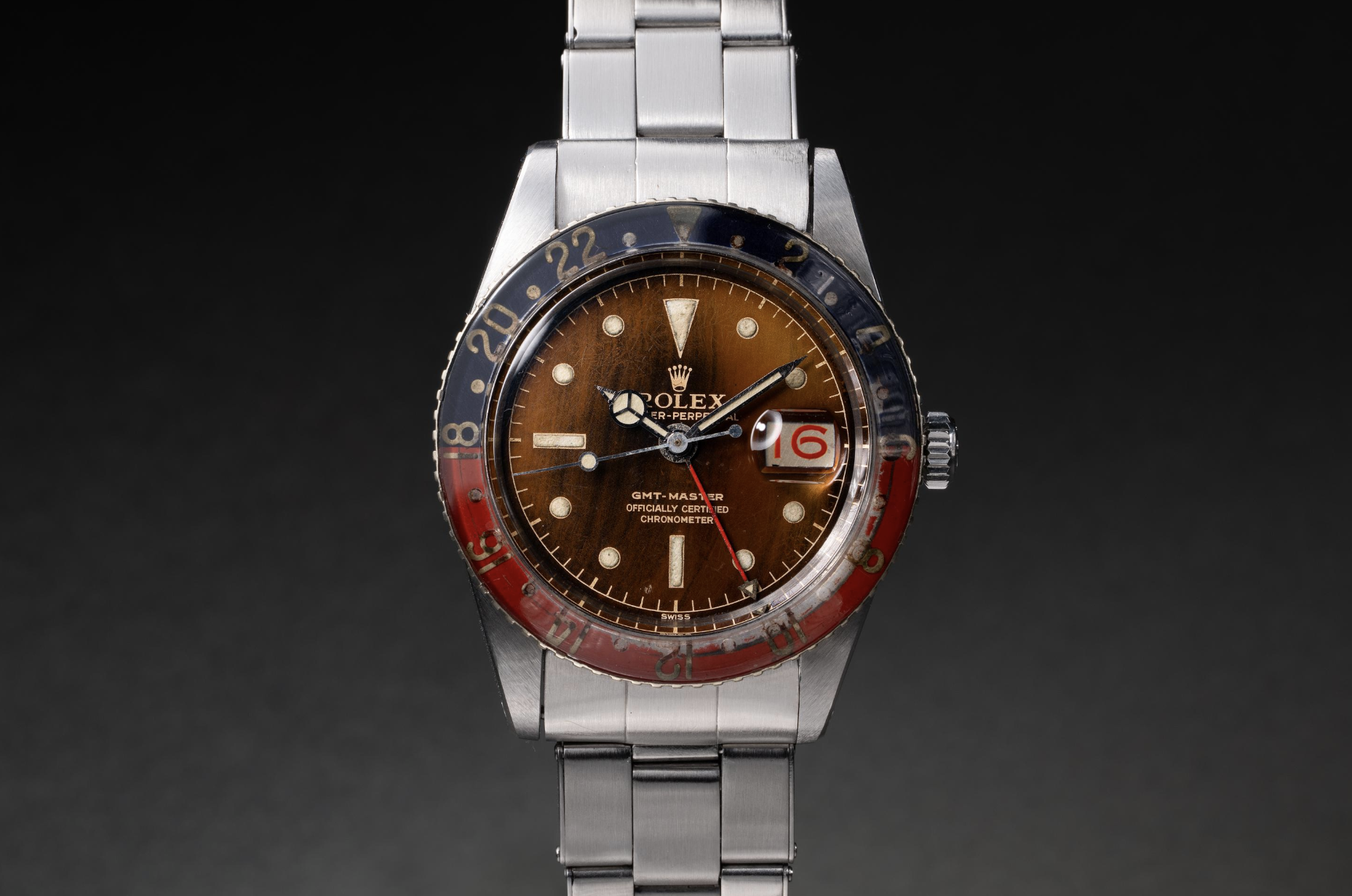






















Table of Contents
Get More from the Journal