Rolex Jubilee vs Oyster Bracelet: Which Is Right for You

Rolex Jubilee vs Oyster Bracelet: Which One Is Right for You?
If you have spent any time researching Rolex watches, you have probably run into this question sooner or later. The Jubilee or the Oyster? It sounds like a simple choice, but once you start pulling at that thread, you realize there is actually quite a bit of history, nuance, and personal preference wrapped up in those two bracelets. Both are iconic. Both are unmistakably Rolex. And yet they feel completely different on the wrist and serve very different purposes in terms of style and function. This guide breaks it all down so you can walk away with a clear picture of what separates these two designs and which one makes the most sense for you.
A Brief History of the Rolex Oyster Bracelet
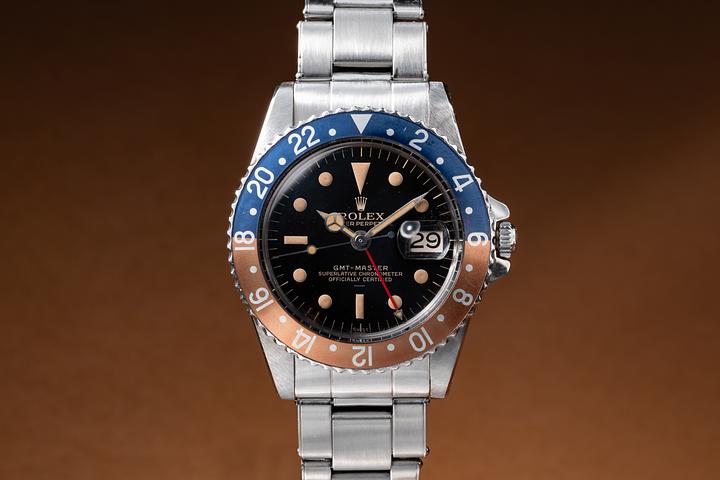
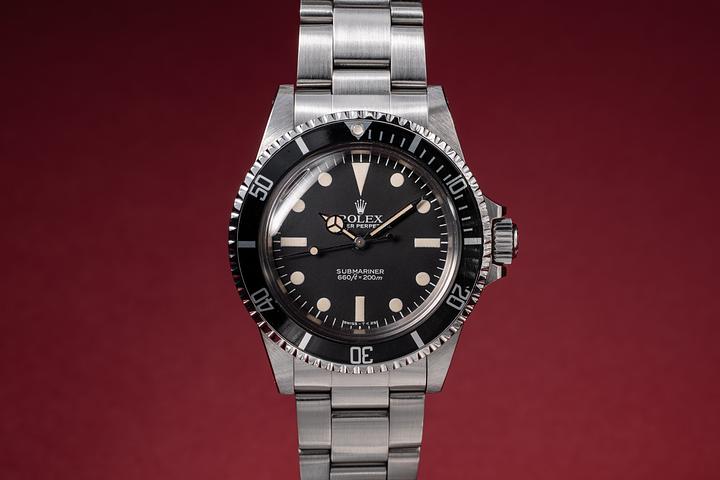
The Oyster bracelet is about as foundational as it gets in the world of Rolex. Introduced in the 1930s alongside the Oyster case itself, this bracelet was built to be tough. It features flat, broad three-piece links that give it a solid, almost architectural look. The design philosophy behind it was straightforward: create something that could keep up with an active lifestyle without looking like it was trying too hard. Over the decades, it became the default bracelet pairing for Rolex sport models. The Submariner, the GMT-Master, the Explorer, the Daytona, all of these sport references have been historically paired with the Oyster, and for good reason. It just fits the personality of those watches perfectly.
A Brief History of the Rolex Jubilee Bracelet
The Jubilee bracelet has a slightly more celebratory origin story. Rolex created it in 1945 to commemorate the 40th anniversary of the brand, and it debuted alongside the Datejust, which was itself a landmark release. The five-piece link construction, with its three middle links flanked by two outer links, gives the Jubilee a noticeably more refined and supple drape compared to the Oyster. It moves differently. It sits differently. From the beginning, the Jubilee was positioned as the dressier option, and that identity has remained consistent across its entire history. Even today, when you see a Datejust on a Jubilee, there is something immediately elegant about the combination.
Key Design Differences Between the Two Bracelets
Getting into the actual construction of each bracelet helps clarify why they feel so distinct. The Oyster uses a three-link design with wider, flatter center links and two outer links. It is more rigid and structured. The Jubilee uses five links, three of which are smaller and rounded in the center, and that configuration creates a more flexible, almost flowing feel. Beyond flexibility, there is also the visual texture to consider. The Jubilee tends to have more surface area variation with its polished and brushed finish combinations, which catches light in a more complex way. The Oyster, by contrast, has a cleaner, more uniform profile that reads as sporty and direct.
Which Rolex Models Pair With Each Bracelet?
This is where things get really useful if you are trying to narrow down a purchase. Knowing which bracelet typically accompanies which model helps you understand what Rolex intended for each watch stylistically.
Models historically paired with the Oyster bracelet:
- Rolex Submariner
- Rolex GMT-Master II
- Rolex Explorer and Explorer II
- Rolex Sea-Dweller and Deepsea
- Rolex Daytona
Models historically paired with the Jubilee bracelet:
- Rolex Datejust
- Rolex Day-Date
- Rolex Pearlmaster
- Rolex Sky-Dweller
That said, Rolex has offered both bracelets as options on certain references over the years, and the market for aftermarket and original-configuration vintage pieces has created a wide variety of combinations. Some collectors specifically seek out Datejusts on Oyster bracelets for a sportier look, while others prefer a Submariner with a Jubilee for added wrist comfort.
Comfort and Wearability Compared
Ask anyone who wears both and comfort tends to come up fast. The Jubilee is widely regarded as one of the most comfortable bracelets ever made in the luxury watch segment. That five-link construction gives it a naturally conforming quality, almost like it adapts to the shape of your wrist as you wear it. The Oyster is comfortable too, particularly with Rolex's Glidelock and Easylink extensions built into modern versions, but it has a firmer, more structured feel against the wrist. For daily wear in a business or social setting, many people lean toward the Jubilee purely for comfort. For outdoor activities, water exposure, or anything physically demanding, the Oyster holds up with a bit more rigidity and security.
Durability and Maintenance Considerations
Both bracelets are made to Rolex's exacting standards and will outlast most watches you have ever owned if cared for properly. However, the Jubilee, because of its more intricate link structure, can show stretch over time more visibly than the Oyster. The many small links mean there are more pivot points where micro-movement accumulates across years of wear. This is not a flaw so much as a characteristic of the design. Rolex has addressed this in modern versions with improved tolerances and materials, but vintage Jubilee bracelets in particular are known to develop a slight looseness that some collectors actually appreciate as part of the character. Oyster bracelets, with fewer and larger links, tend to hold their shape over long periods of wear with less visible stretching.
Resale Value and Collector Considerations
If you are thinking about this from an investment or resale perspective, bracelet originality matters significantly. Vintage Rolex watches with their correct, period-appropriate bracelets and end links command notably higher prices on the secondary market. A vintage Datejust with its original Jubilee bracelet in good condition, correct end links matching the case reference, and intact clasp hardware will always outperform a comparable example with a replacement bracelet. The same applies to sport models on Oyster bracelets. Collectors and dealers closely inspect stretch, hallmarks, and reference numbers stamped inside the bracelet links. Keeping original bracelets with their watches, even imperfect ones, is almost always the right call if long-term value matters to you.
Making Your Decision: Jubilee or Oyster?
At the end of the day, neither bracelet is objectively better. They each serve a distinct purpose and suit a particular kind of wearer. If your lifestyle leans toward the outdoors, travel, or casual day-to-day wear, the Oyster bracelet offers that clean, rugged dependability. If you are dressing for business, formal occasions, or simply prefer a bracelet that disappears onto your wrist with a silky comfort, the Jubilee is a remarkable choice. Many serious Rolex enthusiasts own examples of both and find themselves rotating based on what the day calls for. That is honestly not a bad place to end up.
Why Tropical Watch Is Your Destination for Vintage Rolex Bracelets and Watches
When it comes to sourcing vintage Rolex pieces with their correct, original bracelets intact, the difference between a knowledgeable dealer and a generalist is everything. Tropical Watch has built its reputation specifically on the kind of expertise that matters in this space: understanding reference numbers, identifying correct end links, assessing bracelet stretch honestly, and presenting pieces with full transparency. Whether you are searching for a vintage Datejust on an original Jubilee or a classic Submariner on a matching Oyster, you will find that the team at Tropical Watch approaches each piece with a collector's eye. If you are serious about adding a properly configured vintage Rolex to your collection, browsing the carefully curated inventory at Tropical Watch, trusted source for vintage Rolex Jubilee and Oyster bracelet watches is a genuinely worthwhile place to start your search.
Frequently Asked Questions
What is the main difference between the Rolex Jubilee and Oyster bracelet?
The Jubilee features a five-link construction that is more flexible and dressier, while the Oyster uses a three-link design that is more rigid, structured, and suited to sport models.
Is the Jubilee bracelet more comfortable than the Oyster bracelet?
Most wearers find the Jubilee more comfortable for extended wear due to its supple five-link design that conforms naturally to the wrist, though both bracelets are well-constructed and comfortable by any standard.
Can I put a Jubilee bracelet on a Rolex Submariner?
Technically yes, and some owners do prefer this combination, but the Submariner was designed and is traditionally paired with the Oyster bracelet. Matching the correct bracelet to the reference is important if originality and resale value matter to you.
Do Jubilee bracelets stretch more than Oyster bracelets over time?
Yes, vintage Jubilee bracelets are known to show stretch more visibly over time due to their greater number of link pivot points. This is a known characteristic rather than a defect, and modern versions have improved tolerances to reduce this effect.
Does having the original bracelet affect a vintage Rolex's value?
Significantly. Vintage Rolex watches with original, period-correct bracelets and matching end links command higher prices on the secondary market. Bracelet authenticity is closely examined by serious collectors and dealers.
Which Rolex bracelet is better for active or outdoor use?
The Oyster bracelet is generally the better choice for active or outdoor settings. Its broader, flatter links and more rigid construction handle physical activity, water exposure, and daily wear in demanding conditions with greater ease.








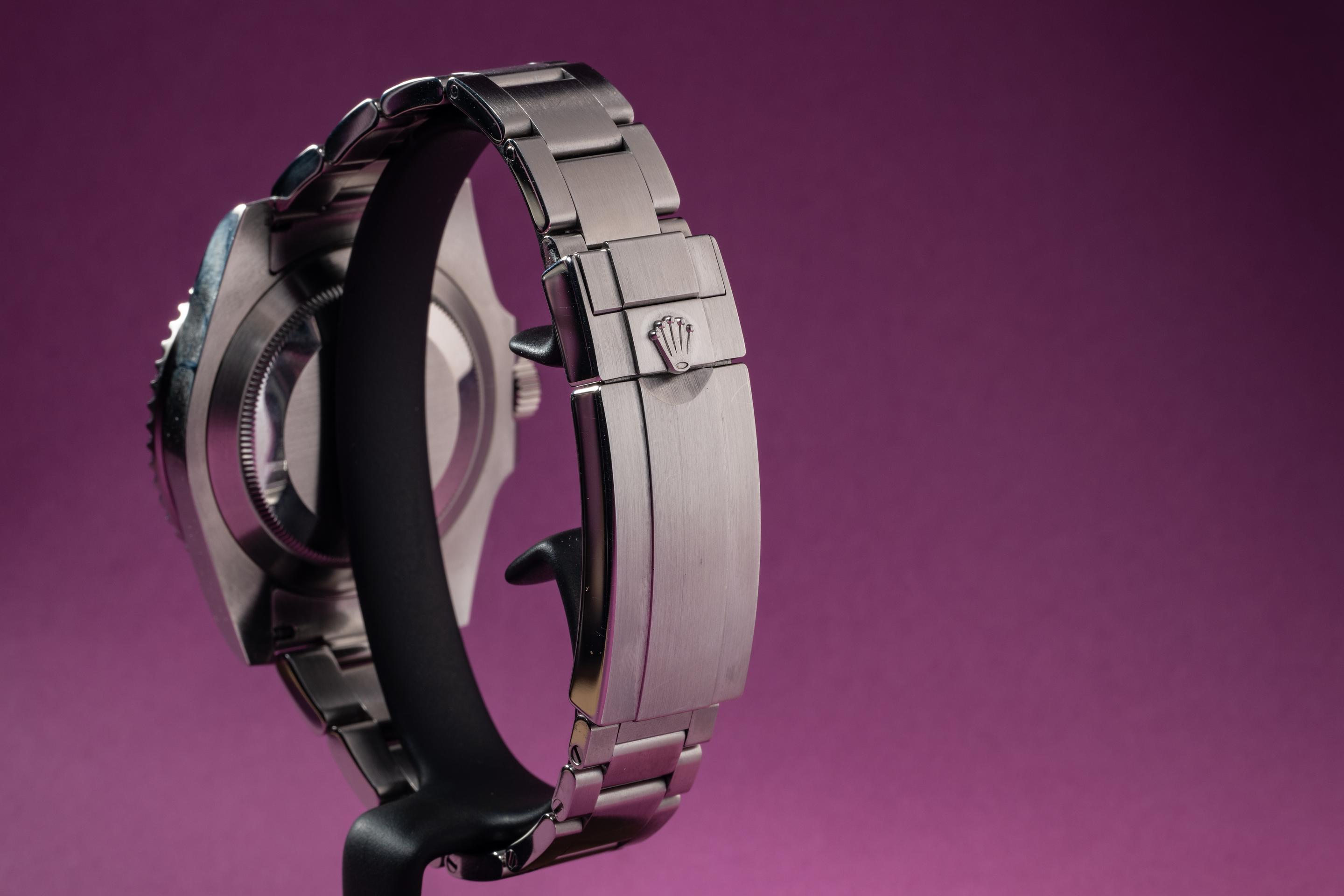


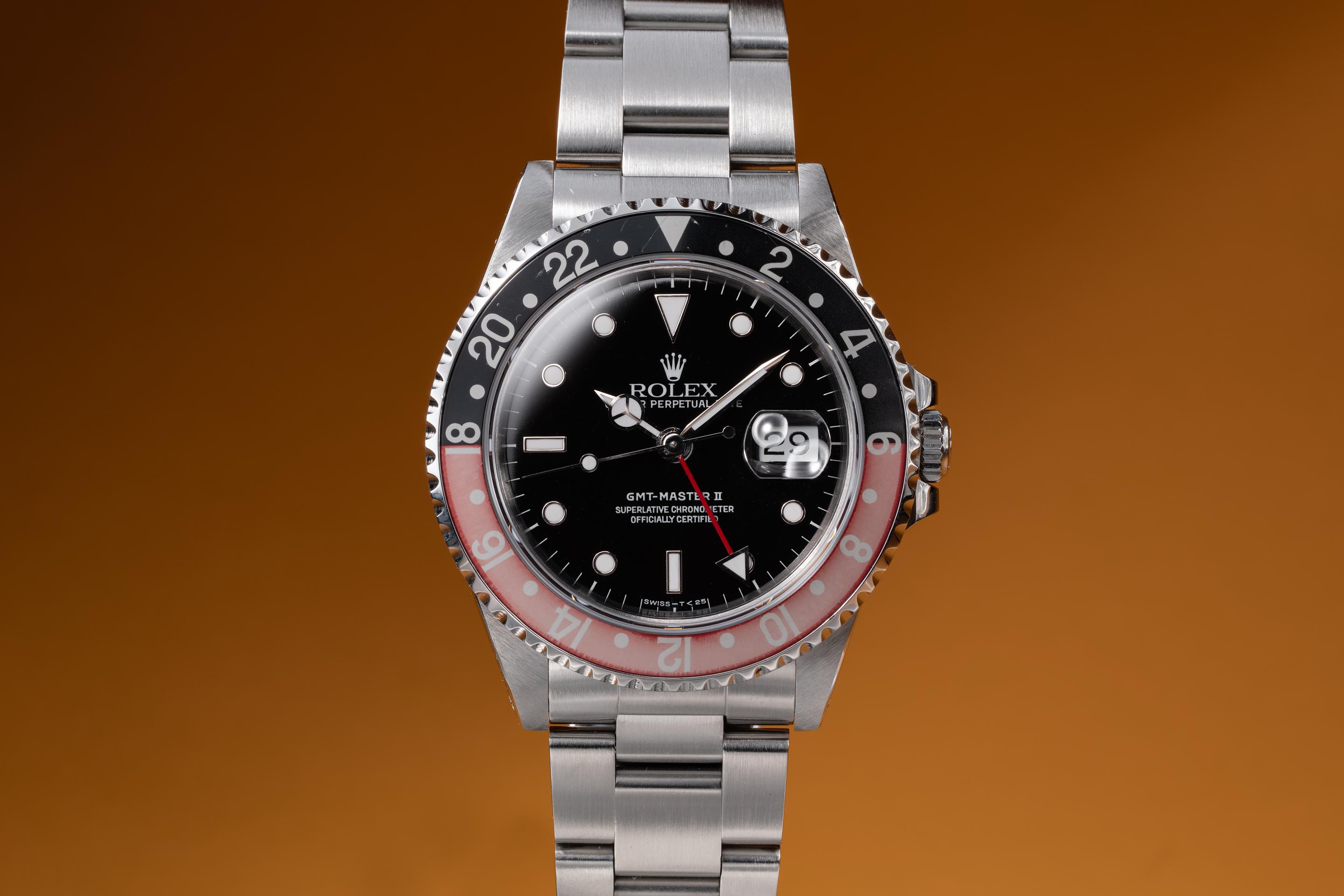


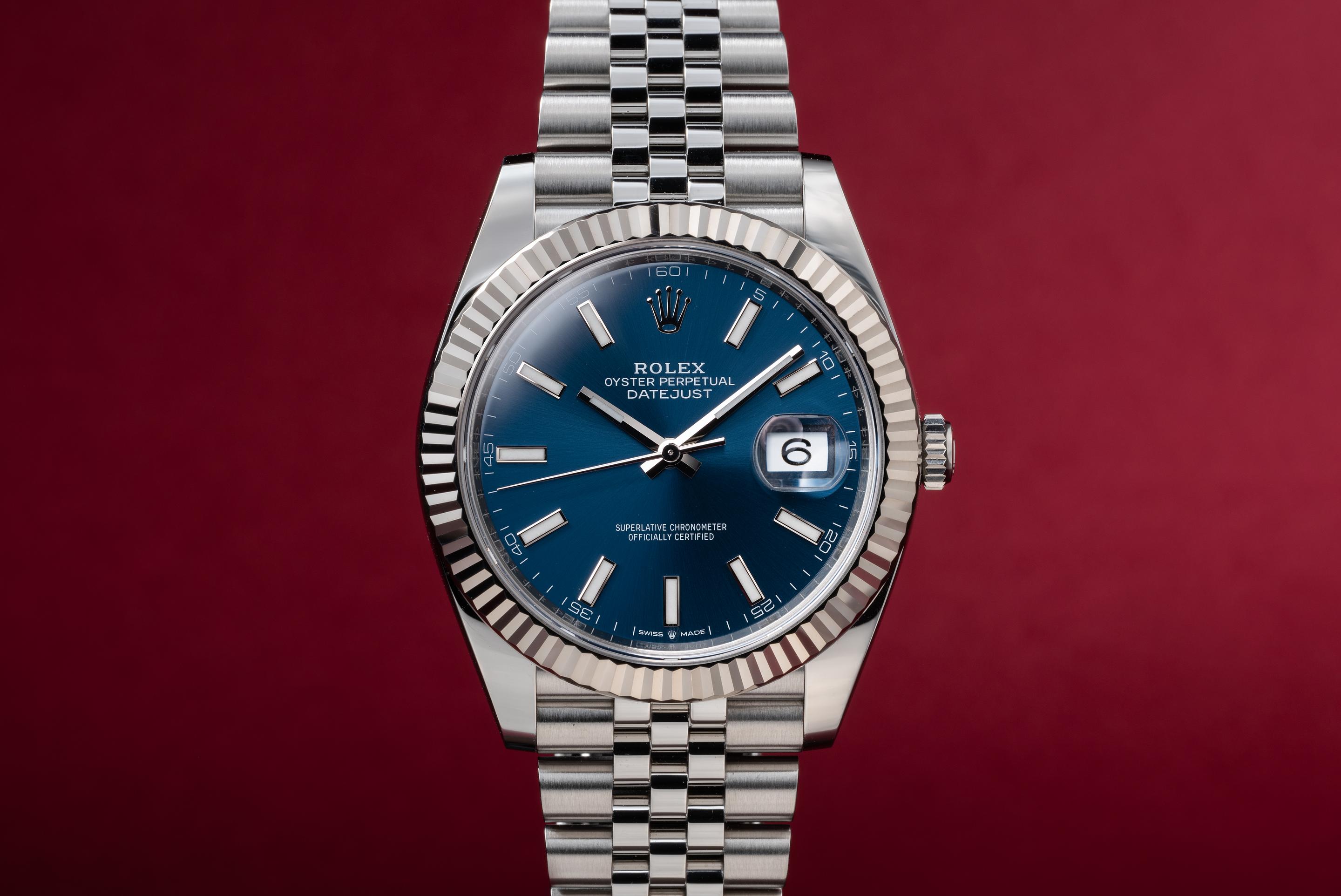

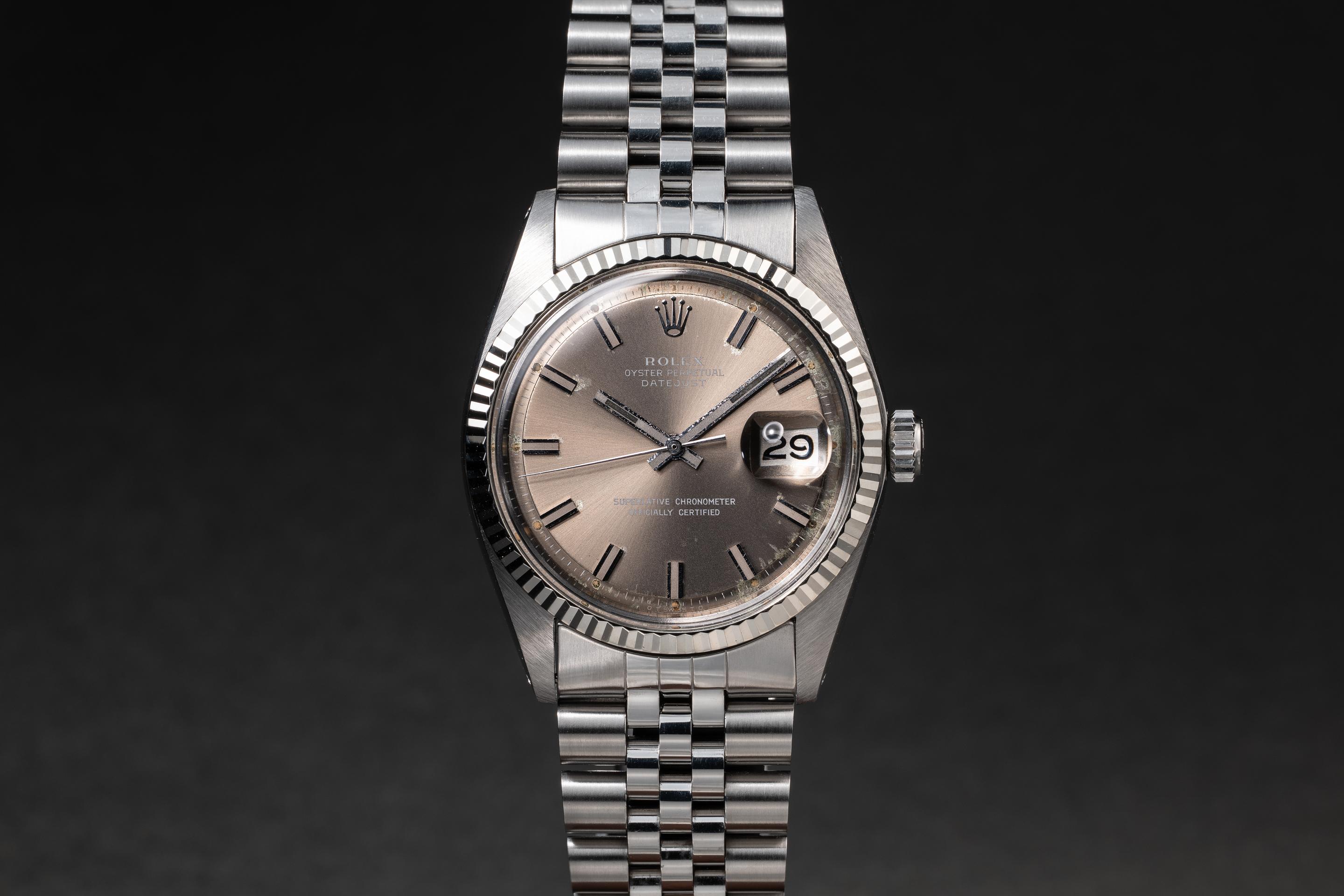


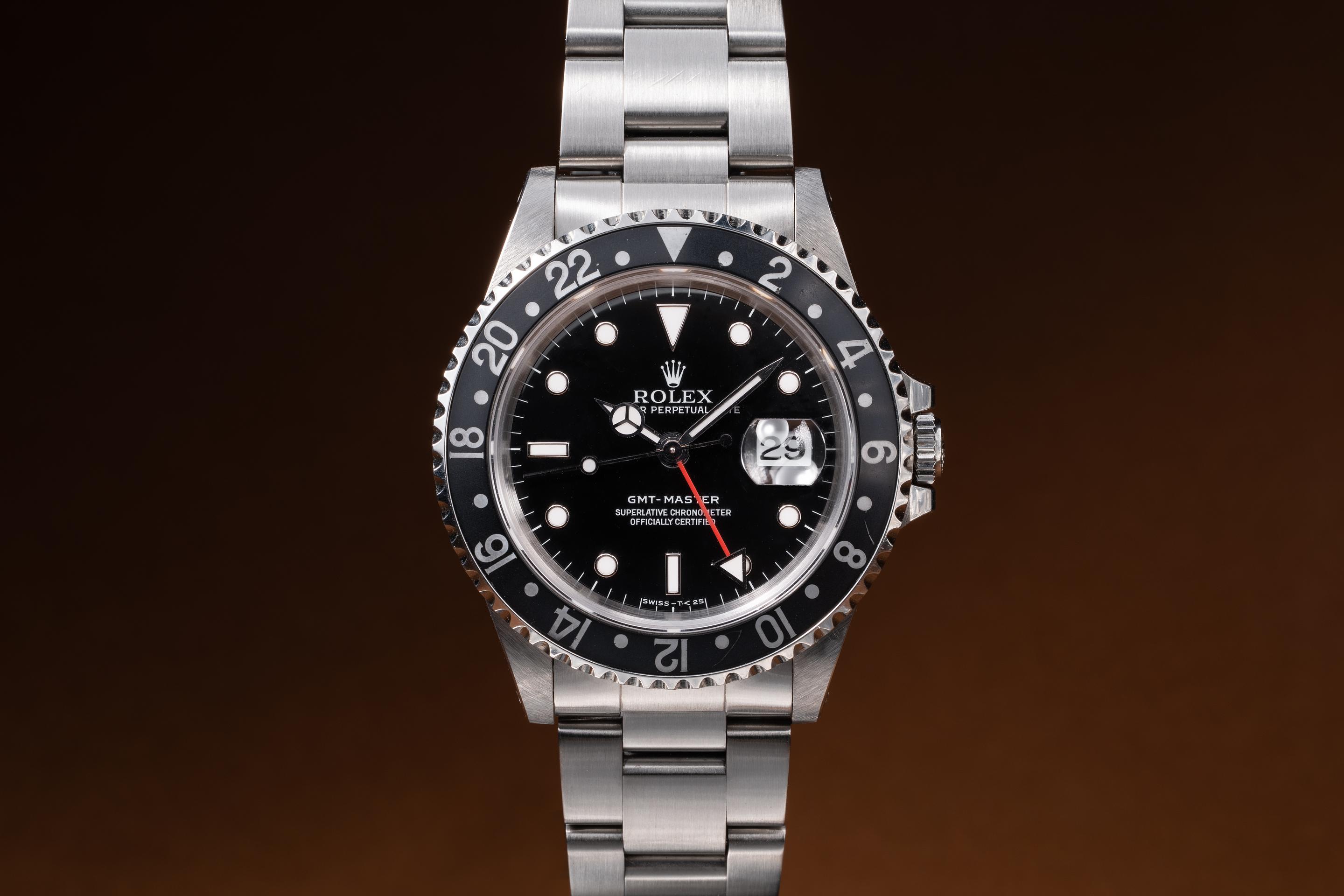


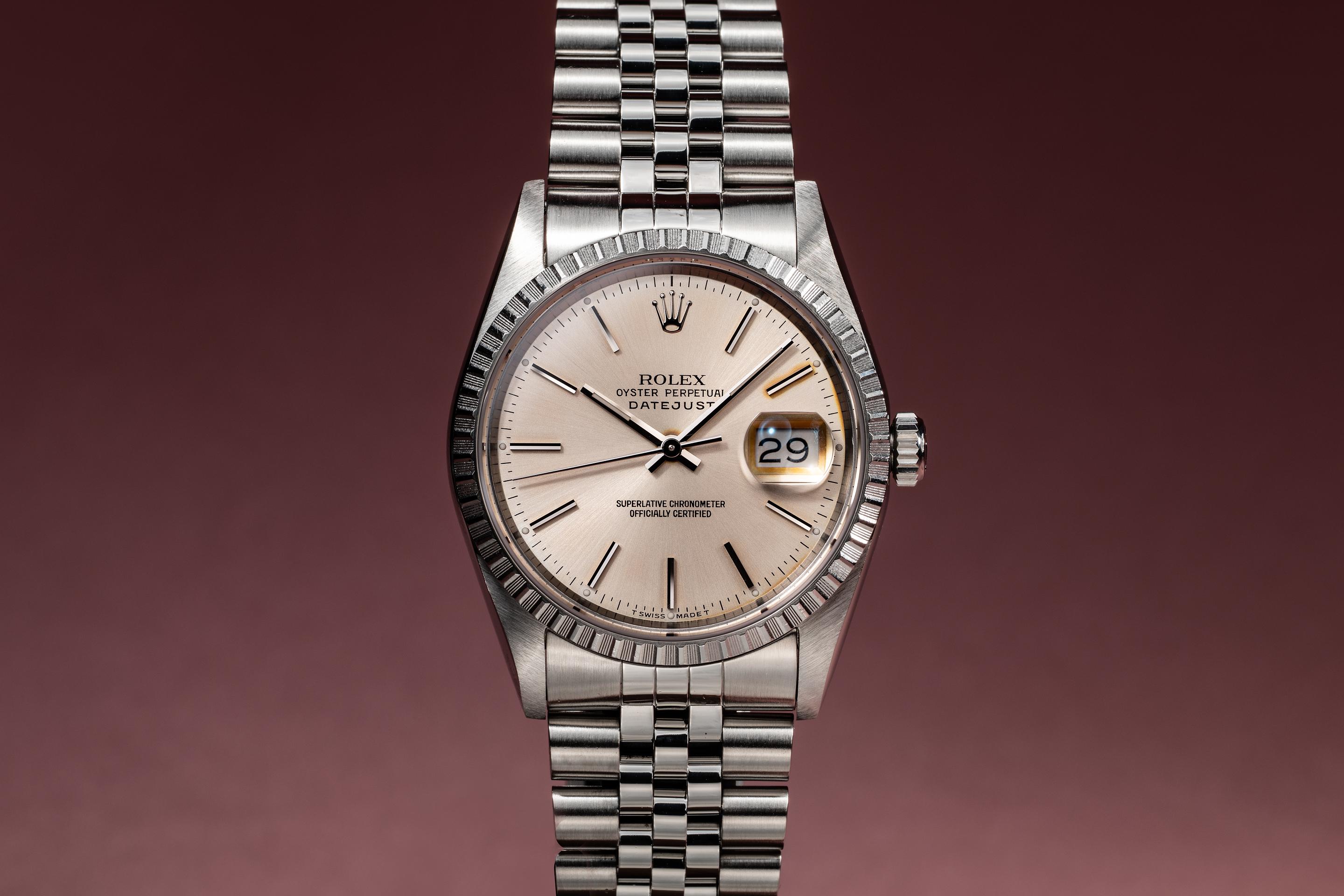
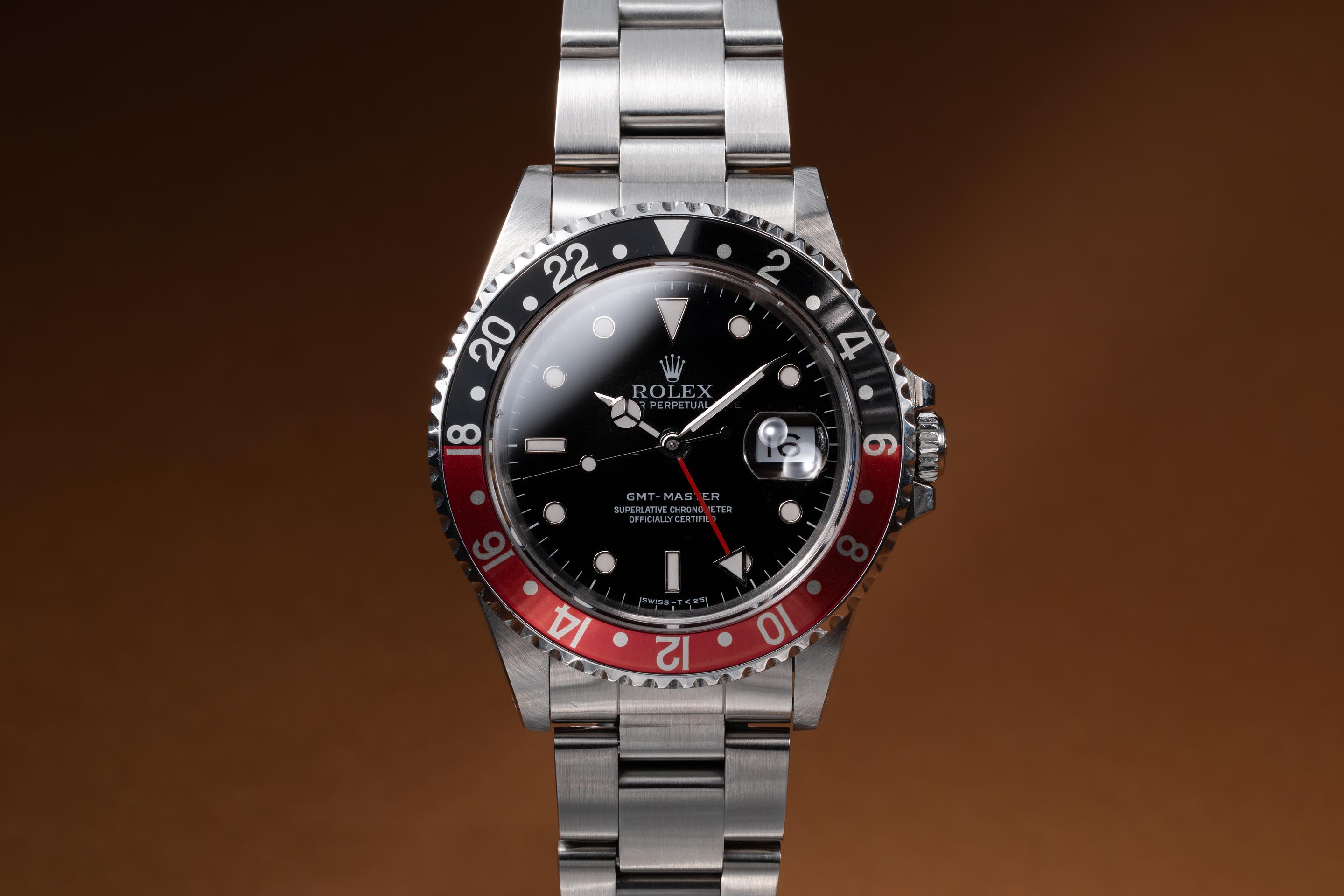
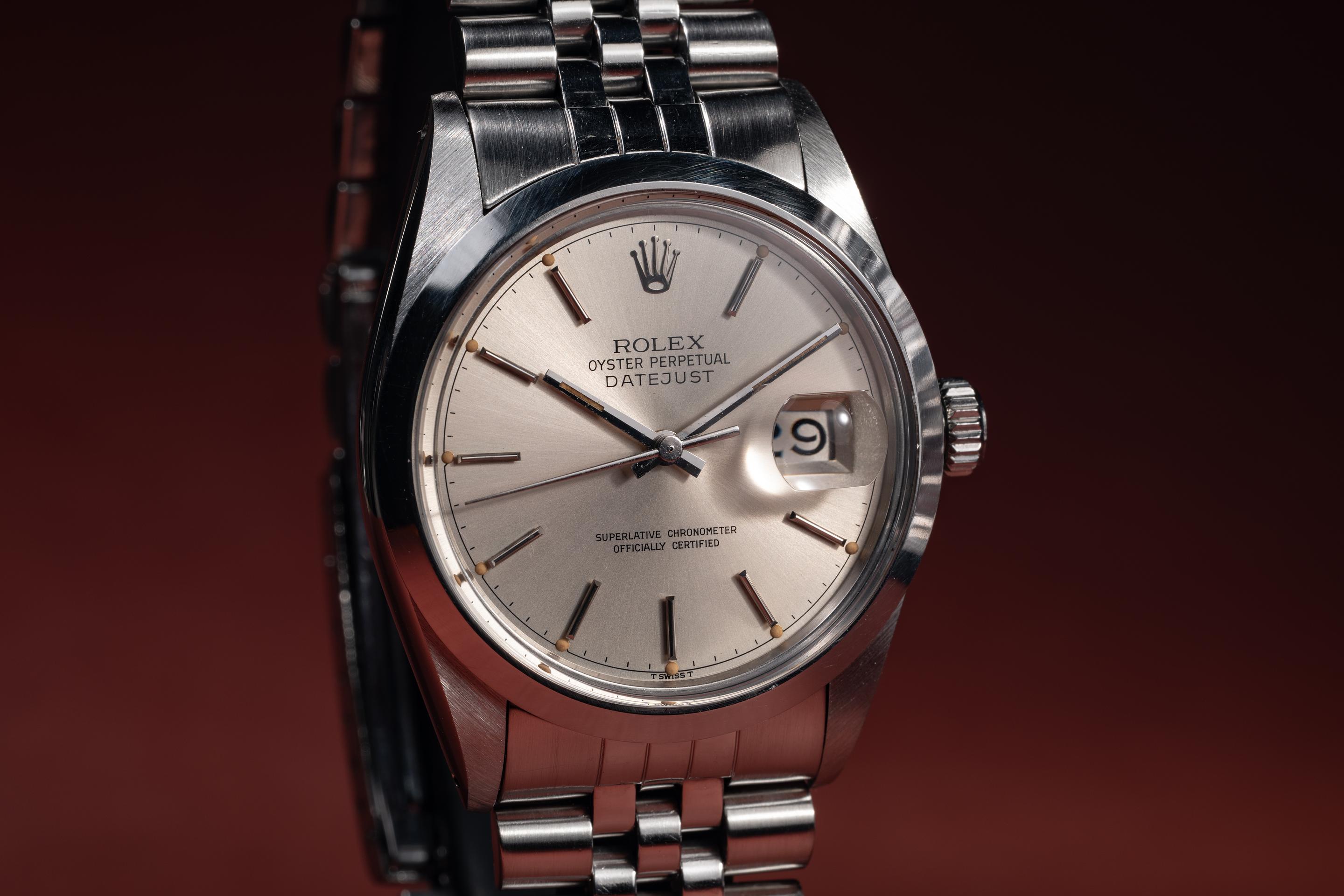



Table of Contents
Get More from the Journal