Do Tudor Watches Hold Value? What Buyers Should Know

Do Tudor Watches Hold Value? What Buyers Need to Know
Tudor occupies an interesting space in the watch world. It sits under the same parent company as Rolex, carries serious Swiss manufacturing credentials, and yet often gets lumped into debates about whether it belongs in the same conversation as true investment-grade timepieces. The honest answer to whether Tudor watches hold their value is nuanced. They can, and some models genuinely do, but the picture is more complicated than a simple yes or no. If you are considering a Tudor purchase and want to understand what you are actually getting into from a value-retention standpoint, this breakdown covers the key factors you need to weigh.
A Brief History of Tudor and Its Place in the Market
Tudor was founded in 1926 by Hans Wilsdorf, the same man behind Rolex. The brand was designed from the start to offer watches built to Rolex standards but at a more accessible price point. For decades, Tudor served as a kind of gateway into the Rolex universe. It was not positioned as a lesser brand so much as a practical alternative. The watches used high-quality Swiss movements, shared some design DNA with Rolex, and carried genuine horological credibility. After a quieter period in the 1990s and early 2000s, Tudor relaunched in 2012 with renewed energy, updated movements, and a modern identity that attracted a younger, more design-conscious audience. That relaunch is part of why conversations about Tudor value retention have become far more interesting in the past decade.
How Tudor Watches Compare to Rolex in Value Retention
This comparison comes up constantly, and for good reason. Rolex watches are widely regarded as the benchmark for value retention in the watch industry. Certain references have appreciated dramatically over the past twenty years, with some vintage and modern pieces selling at auction for multiples of their retail price. Tudor does not perform at that level across the board, but it also does not fall apart the way some mid-range Swiss brands do on the secondary market. The gap between retail and resale for many Tudor models is notably smaller than what you would see from comparable brands. That is meaningful. It suggests that the market respects Tudor as a serious product, even if it does not yet treat it the same way it treats a Rolex Submariner or a Daytona.
Which Tudor Models Have the Strongest Resale Value
Not all Tudor watches are created equal when it comes to holding value. Certain references consistently perform better on the secondary market, and understanding which models those are can help you make a smarter purchase decision.
- The Black Bay collection, particularly early references and limited editions, tends to retain value well
- The Pelagos is another strong performer, especially among divers who appreciate its titanium case and helium escape valve
- The Black Bay GMT has gained significant traction since its release and holds up reasonably well at resale
- The Black Bay Fifty-Eight, with its slim profile and vintage-inspired aesthetic, has become one of the most desirable references in the lineup
- Limited edition and collaboration pieces, including the Bronze variants, often carry a premium on the secondary market
What connects the stronger performers is a combination of demand, limited supply, and genuine distinctiveness. These are watches people actively want, and that demand is what sustains value over time.
Factors That Influence Tudor Resale Value
Condition matters enormously. A Tudor in pristine condition with its original box and papers will always fetch a higher price than one that shows heavy wear or is missing its documentation. Beyond physical condition, the age of the watch, the specific reference, and broader market trends all play a role. Vintage Tudor watches, particularly those from the 1960s and 1970s, have attracted serious collector interest in recent years. Some of these earlier pieces carry historical significance given their connection to Rolex heritage, and that backstory drives demand. On the modern side, watches with in-house movements, specifically Tudor MT5601 and related calibers, tend to be viewed more favorably by buyers because they signal quality and independence from generic ébauche movements.
The Role of Brand Perception in Value Retention
Tudor's relaunch in 2012 was a turning point. The brand invested in developing its own movements, elevated its design language, and began competing directly with Swiss brands at a higher price tier. That repositioning shifted how the market perceives Tudor. It is no longer just a budget Rolex alternative. It is a credible luxury sports watch brand with its own identity. That shift in perception has real consequences for resale value. When collectors and buyers take a brand seriously, they are willing to pay for it on the secondary market. Tudor has earned a level of respect that brands at similar price points often do not enjoy. The Rolex connection does not hurt, but Tudor has increasingly built its own credibility separate from that association.
Tudor vs. Other Watch Brands at a Similar Price Point
When you compare Tudor to Swiss competitors in a similar retail range, the value proposition becomes clearer. Many brands in that mid-luxury tier depreciate significantly the moment they leave the retailer. Tudor, by contrast, tends to hold closer to its retail price on the secondary market, and in some cases exceeds it. That relative stability is not guaranteed, and it varies by model, but as a general rule Tudor performs better than its price point might suggest. This is partly due to supply control. Tudor, like its parent brand, does not flood the market with product. That measured approach to distribution helps maintain demand and, by extension, secondary market prices.
Should You Buy a Tudor as an Investment
The watch industry has a complicated relationship with the word investment. The honest position is that most watches are not reliable financial investments in the traditional sense. Markets shift, tastes change, and predicting which references will appreciate is genuinely difficult. That said, Tudor watches are a smarter buy than many alternatives if value retention matters to you. You are unlikely to lose dramatically on a well-chosen Tudor purchase, and in some cases you may come out ahead. The more important question is whether the watch brings you genuine satisfaction as an object. A watch that holds its value and that you actually enjoy wearing is the real win. Buying purely for speculation, without that underlying appreciation for the piece, is a strategy that rarely ends well regardless of the brand.
Tips for Buying a Tudor With Value Retention in Mind
If you want to give yourself the best chance of holding value over time, a few practical principles apply across nearly every purchase decision in this space.
- Prioritize popular and established references over niche or experimental models
- Always retain the original box, papers, and warranty documentation
- Buy from reputable sources to ensure authenticity and provenance
- Avoid heavy modifications or aftermarket parts, which reduce resale appeal significantly
- Research secondary market prices before purchasing so you understand current demand
These are not complicated principles, but buyers who skip even one of them often find themselves at a disadvantage when it comes time to sell.
Why Tropical Watch Is Your Trusted Source for Vintage and Luxury Timepieces
Understanding value retention in watches is one thing. Finding the right piece from a source you can actually trust is another challenge entirely. Tropical Watch specializes in authenticated vintage and luxury watches, with deep expertise in the kind of historical context that matters when you are making a serious purchase. Whether you are exploring Tudor or considering something from the broader world of vintage Swiss watchmaking, the team at Tropical Watch brings the knowledge and inventory to match serious buyers with serious pieces. For those drawn to the heritage end of the market, browsing their curated selection of vintage watches with proven resale value is a worthwhile starting point. The difference between buying from a knowledgeable specialist and purchasing from an unknown source is not abstract. It shows up directly in the quality of what you receive, the accuracy of what you are told, and ultimately in the long-term value of your collection.
Frequently Asked Questions About Tudor Watch Value
Do Tudor watches hold their value better than other mid-range Swiss brands?
Generally, yes. Tudor tends to retain a higher percentage of its retail value compared to many Swiss brands in a similar price range. The Rolex connection, in-house movements, and controlled distribution all contribute to stronger secondary market performance.
Which Tudor model holds its value the best?
The Black Bay collection, particularly early references and limited editions, consistently performs well on the secondary market. The Black Bay Fifty-Eight and the Pelagos are also strong performers among modern references.
Are vintage Tudor watches worth buying?
Vintage Tudor watches, especially those from the 1960s and 1970s, have attracted serious collector attention in recent years. Models with historical significance and strong provenance can represent excellent value for buyers willing to research the market carefully.
Does Tudor increase in value over time?
Some Tudor references have appreciated over time, particularly limited editions and early Black Bay models. However, appreciation is not guaranteed, and results vary significantly by reference, condition, and broader market conditions.
How important are box and papers for Tudor resale value?
Very important. A complete set, meaning original box, papers, and warranty documentation, can meaningfully increase the resale price of a Tudor watch. Buyers on the secondary market consistently pay a premium for complete examples.
Is Tudor a good alternative to Rolex for value retention?
Tudor does not match Rolex's overall track record for appreciation, but it performs better than most alternatives at its price point. For buyers who want Swiss quality, strong brand credibility, and reasonable value retention without paying Rolex premiums, Tudor is a genuinely compelling option.








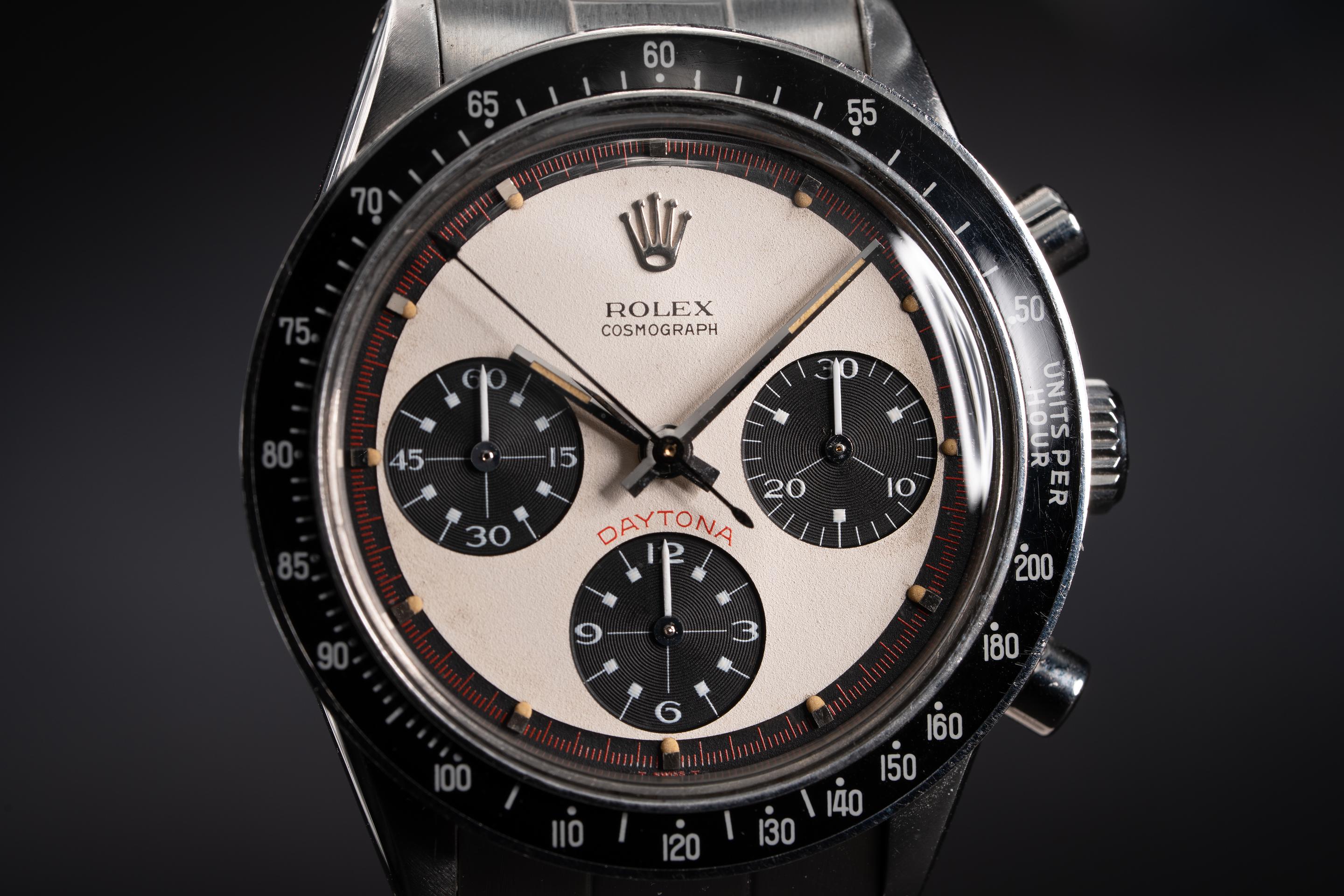


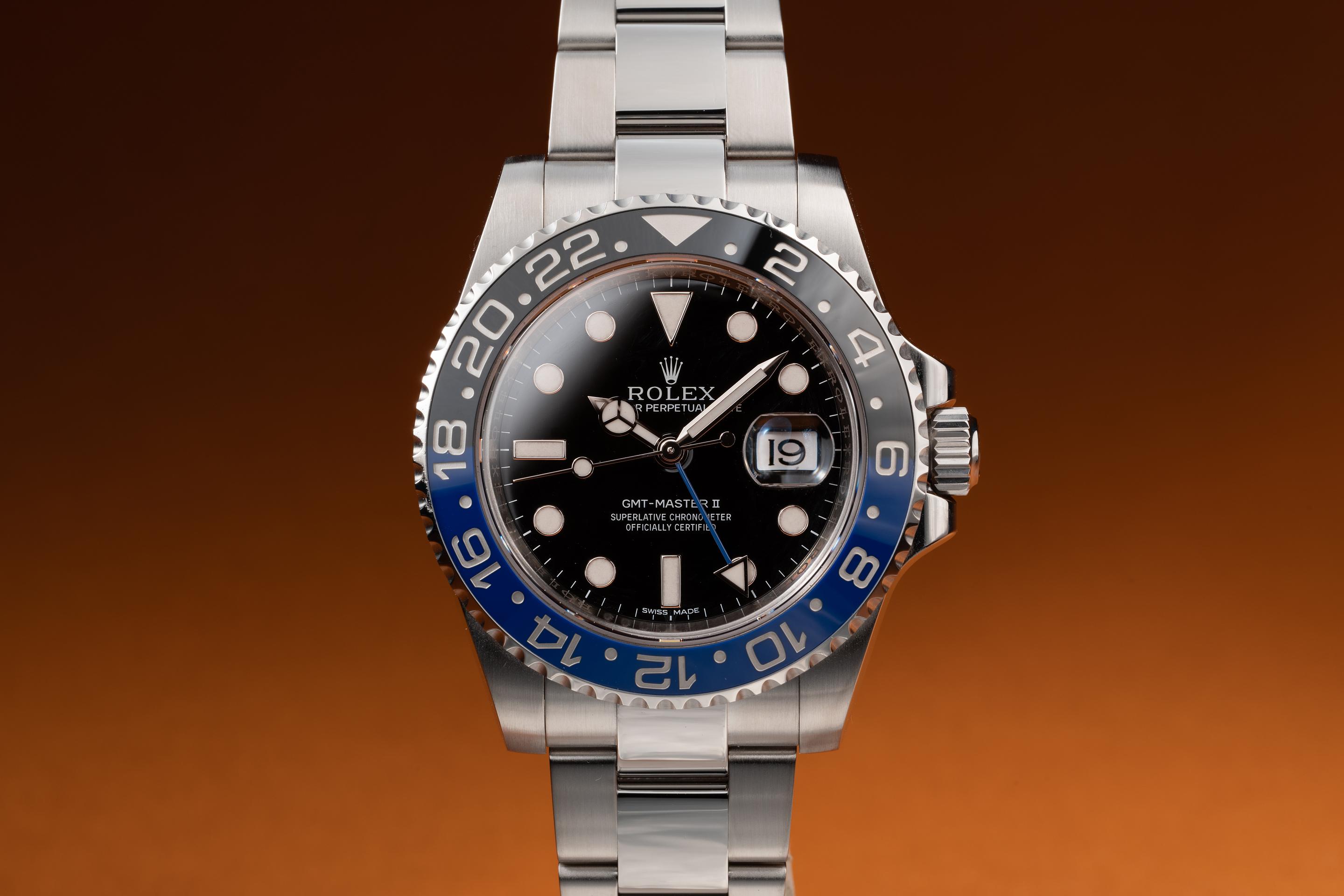

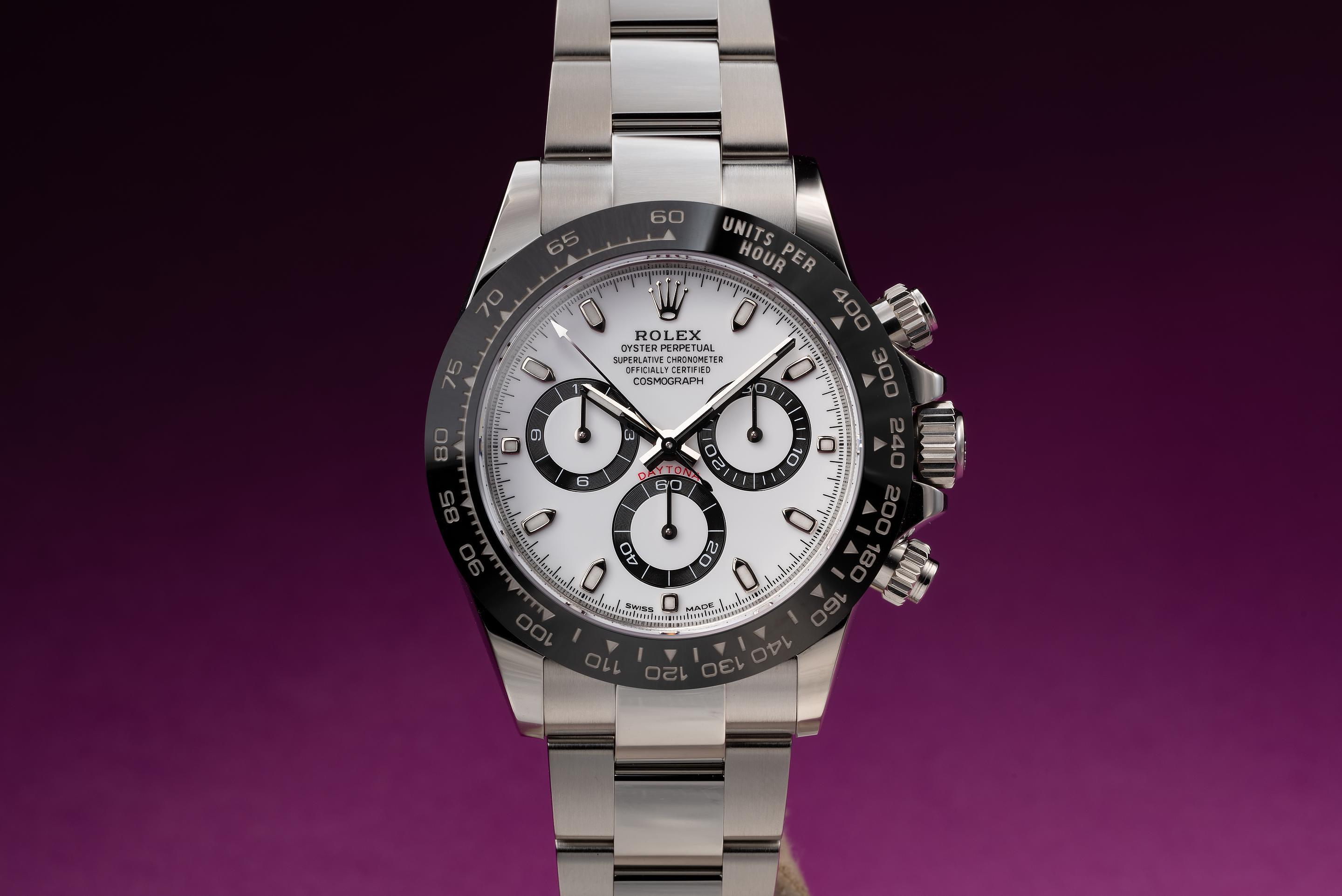
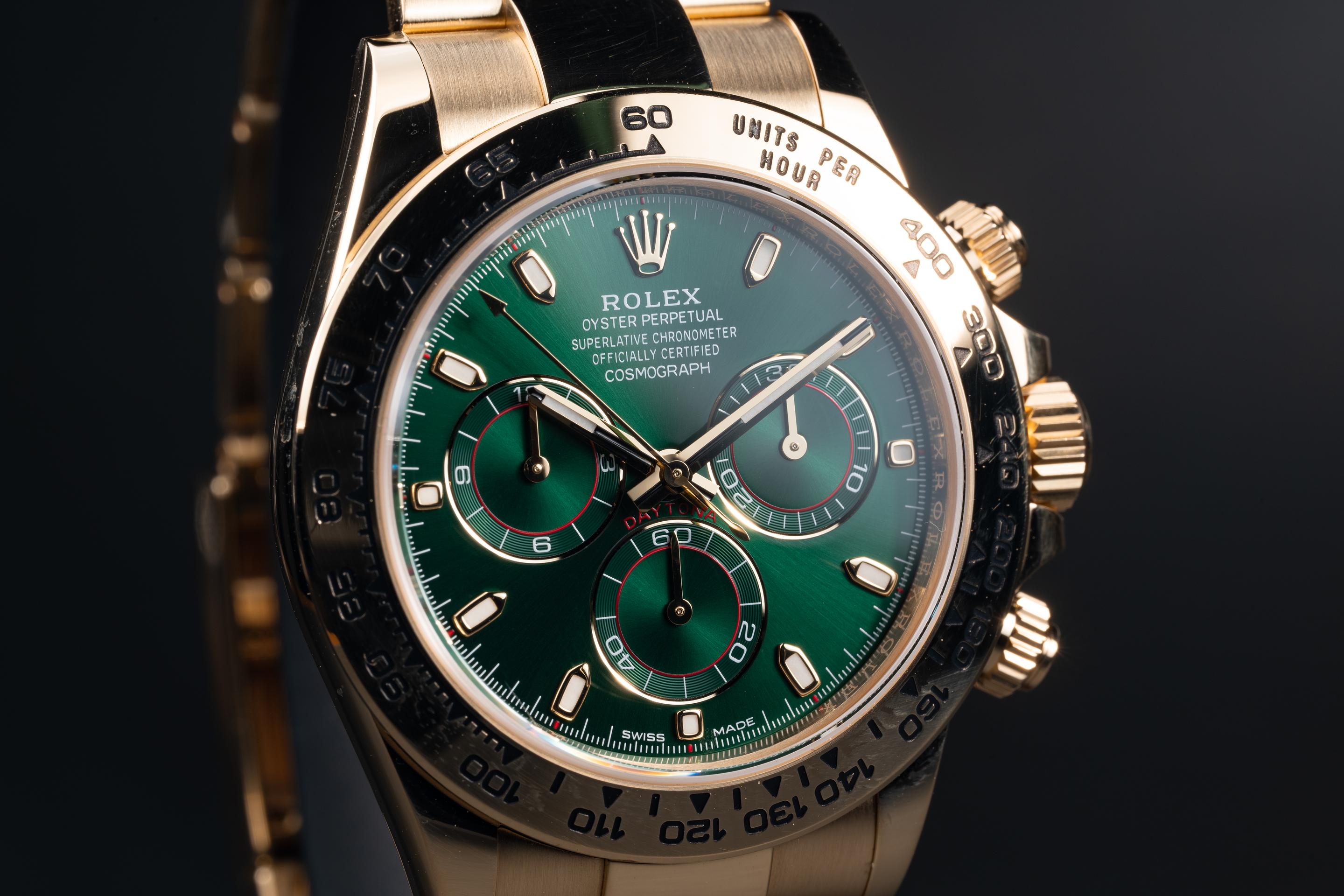




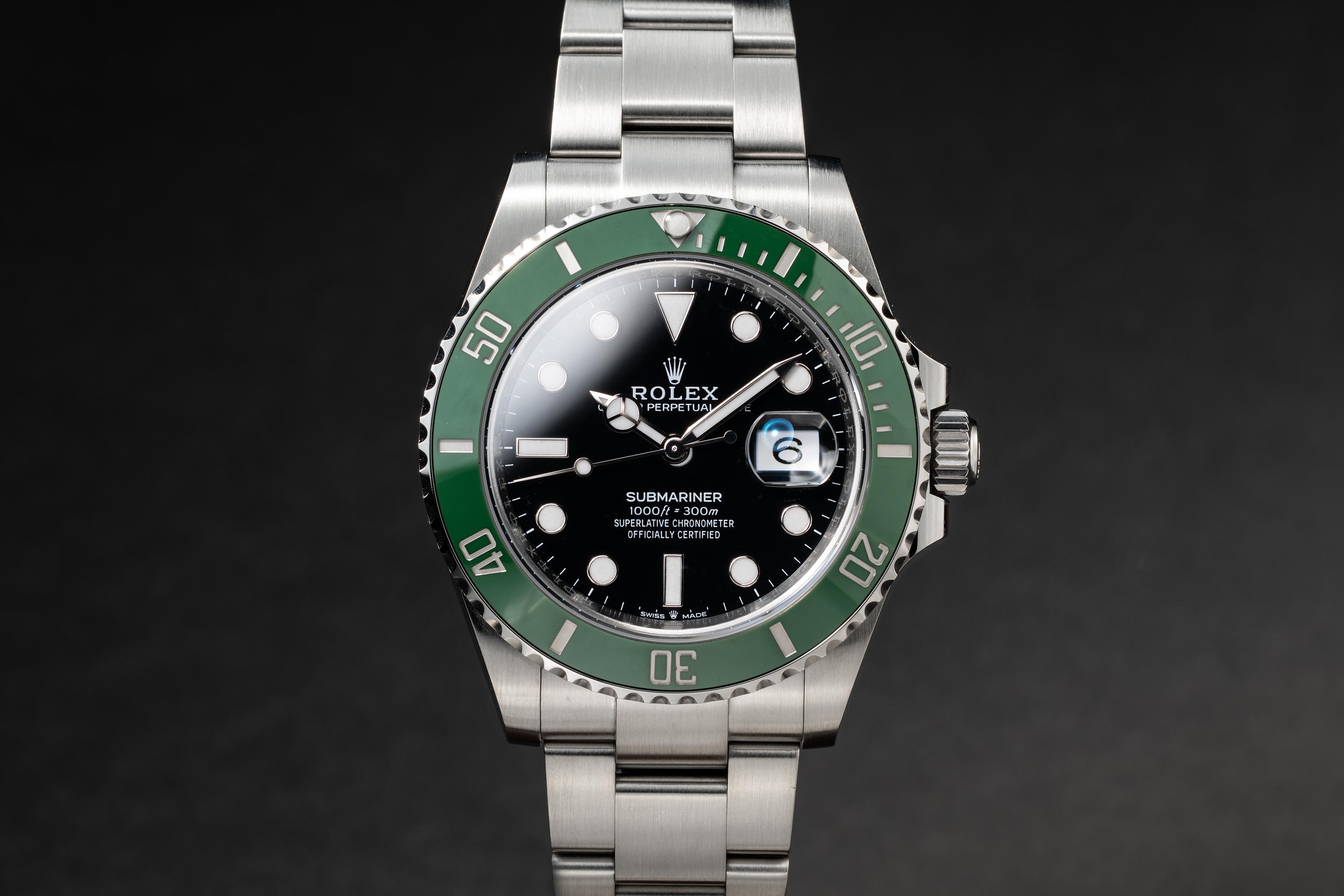


















Table of Contents

Get More from the Journal