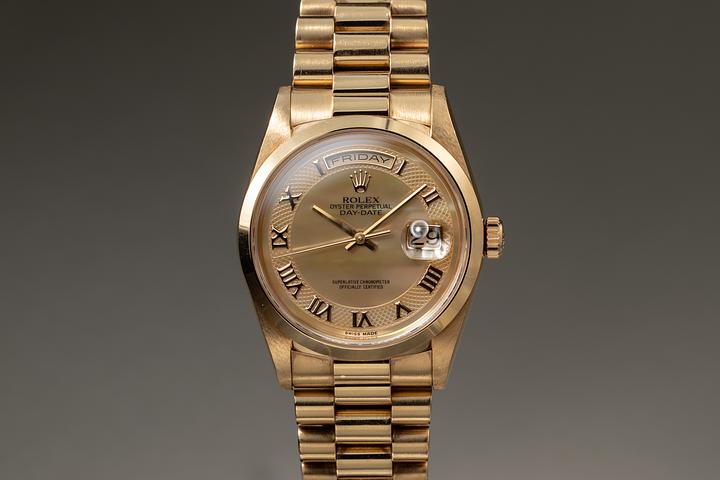
Rolex Bubbleback History and Legacy in Automatic Watchmaking

The Rolex Bubbleback: A Turning Point in Automatic Watchmaking History
There are watches that tell time, and then there are watches that tell a story. The Rolex Bubbleback sits firmly in the second category. Produced between the late 1920s and the early 1960s, the Bubbleback represents one of the most significant chapters in the history of automatic watchmaking. It was not simply a product of its era — it helped shape the era itself. For collectors, historians, and anyone with a genuine appreciation for precision engineering wrapped in elegant design, the Bubbleback remains a reference point that refuses to fade.
What Is the Rolex Bubbleback and Why Does It Matter
The Rolex Bubbleback earned its nickname honestly. When Rolex began fitting its watches with self-winding automatic movements in the 1930s, the rotor mechanism required additional space inside the case. The solution was to extend the caseback outward, creating a distinctly domed, bubble-like profile at the rear of the watch. Functional and unconventional, this design choice became the defining visual characteristic of an entire generation of Rolex timepieces. What matters is not just the shape, though. The Bubbleback represented Rolex's commitment to bringing automatic movement technology to a broader market during a period when the concept of a watch that wound itself was still relatively new and genuinely impressive to consumers.
The Origins of Self-Winding Technology at Rolex
Rolex did not invent the automatic watch movement, but the brand was instrumental in refining and popularizing it. Founder Hans Wilsdorf understood early on that a truly practical watch needed to remove as many friction points from daily life as possible. Manual winding was one of those friction points. In 1931, Rolex introduced the Perpetual rotor — a 360-degree rotating mechanism that converted the natural motion of the wearer's wrist into stored energy. This innovation eventually became the foundation for virtually every self-winding mechanical watch produced since. The Bubbleback was the first production watch to house this technology, making it not just a collector's item but a legitimate historical artifact in the timeline of horology.
Design Characteristics That Define the Bubbleback
The Bubbleback was produced across dozens of reference numbers over roughly three decades, and that variety is part of what makes the collection so compelling to study. Case sizes typically ranged from around 30mm to 36mm, relatively modest by modern standards but appropriate for the aesthetics of the mid-twentieth century. Dials appeared in a wide range of configurations, including two-tone designs, sector dials, and California dials featuring a distinctive mix of Arabic and Roman numerals. Cases were crafted in stainless steel, yellow gold, rose gold, and two-tone combinations. The diversity within the Bubbleback family means that no two collections look quite the same, which has only increased the watch's appeal among serious vintage collectors seeking something personal and specific.
Key Features That Defined the Bubbleback Generation
Understanding what made the Bubbleback technically significant helps explain why it still commands attention today. Several defining characteristics set it apart from the watches that came before and positioned it as a benchmark for what followed.
- Perpetual rotor automatic movement requiring no manual winding
- Domed caseback accommodating the early rotor mechanism
- Wide dial variety including sector, California, and two-tone configurations
- Cases produced in steel, yellow gold, rose gold, and mixed metals
- Reference numbers spanning multiple decades of incremental refinement
- Oyster case construction offering water and dust resistance on select models
How the Bubbleback Influenced Modern Rolex Design
It would be an understatement to say the Bubbleback influenced what came after. The movement architecture developed during the Bubbleback era laid the groundwork for Rolex's subsequent caliber development, eventually leading to slimmer, more refined automatic movements that no longer required the extended caseback. By the early 1960s, Rolex had developed movements compact enough to fit within a standard profile case, effectively making the bubble unnecessary. The Bubbleback was retired, but its legacy was absorbed into every automatic Rolex produced from that point forward. The Datejust, the Submariner, the Day-Date — none of these iconic references exist in their current form without the engineering lessons learned through the Bubbleback's production run.
The Bubbleback as a Collector's Timepiece
In the vintage watch market, the Rolex Bubbleback occupies a unique position. It is accessible enough that dedicated collectors can realistically acquire examples without the extreme price pressure attached to references like the Paul Newman Daytona, yet significant enough historically that knowledgeable buyers recognize its importance immediately. Condition, dial originality, case sharpness, and movement authenticity are the primary factors influencing value. Tropical dials — those that have developed rich, warm patina over decades of oxidation — are particularly sought after and can dramatically affect a watch's desirability. Original, unpolished cases with visible lugs and crisp lines are considered especially desirable among purists. For buyers entering the vintage Rolex market, the Bubbleback offers a meaningful entry point into a world where history, craftsmanship, and investment value genuinely intersect.
What to Look for When Buying a Vintage Rolex Bubbleback
Purchasing a vintage Rolex Bubbleback requires a degree of educated caution. The market contains examples in genuinely exceptional condition, but also watches that have been refinished, serviced with non-original parts, or misrepresented in terms of their reference history. Buyers should prioritize dial originality above almost everything else — replaced or restored dials significantly diminish both historical accuracy and resale value. Movement authenticity matters equally; the caliber inside should correspond correctly to the reference and production period of the case. Case condition deserves careful inspection, as amateur polishing can erase the sharp angles and proportions that define the watch's original character. Working with a reputable specialist dealer rather than navigating general auction platforms blindly is the most reliable way to ensure what you are buying is exactly what it is represented to be.
Why Tropical Watch Is the Right Source for Vintage Rolex Bubbleback Watches
When the stakes are this high — and with vintage Rolex, they always are — the source matters as much as the watch itself. Tropical Watch has built its reputation specifically around the kind of vintage Rolex expertise that the Bubbleback market demands. Every piece is authenticated, documented, and assessed with the depth of knowledge that only comes from years of immersion in the vintage segment. If you are searching for a trusted destination to explore and acquire vintage Rolex Bubbleback watches with authenticated provenance, Tropical Watch offers exactly the transparency, expertise, and curated inventory that serious buyers need. This is not a generalist marketplace — it is a specialist destination built for collectors who understand the difference between owning a watch and owning a piece of horological history.
Frequently Asked Questions About the Rolex Bubbleback
Why is the Rolex Bubbleback called a Bubbleback?
The Rolex Bubbleback earned its nickname because the caseback is distinctly domed or bubble-shaped. This design was necessary to accommodate the early automatic rotor mechanism, which required more internal depth than standard manual-wind movements of the time.
When was the Rolex Bubbleback produced?
The Rolex Bubbleback was produced from approximately the late 1920s through the early 1960s, with the majority of significant references manufactured during the 1930s, 1940s, and 1950s. Production ended once Rolex developed slimmer automatic movements that no longer required the extended caseback.
Is the Rolex Bubbleback a good investment?
The Rolex Bubbleback has demonstrated consistent collector interest and long-term value retention. Examples with original dials, unpolished cases, and correct movements in strong condition have appreciated meaningfully over time. As with any vintage watch investment, condition and authenticity are the primary drivers of value.
What makes a Rolex Bubbleback dial valuable?
Dial originality is the single most important factor in a Bubbleback's value. Tropical dials, which have developed a warm patina through natural oxidation over decades, are among the most sought-after. Any dial that has been restored, refinished, or replaced carries significantly lower collector value.
How do I authenticate a vintage Rolex Bubbleback?
Authentication requires verifying that the dial, movement caliber, case reference, and serial number are all consistent with each other and with known production records for that specific reference. Working with a specialist dealer or independent watch authenticator with demonstrated vintage Rolex expertise is strongly recommended.
How does the Rolex Bubbleback relate to modern Rolex watches?
The Bubbleback was the first Rolex production watch to house the Perpetual automatic rotor, which remains the foundation of every self-winding Rolex movement made today. The engineering principles refined during the Bubbleback era directly enabled the development of the modern Rolex Oyster Perpetual line and all references derived from it.




































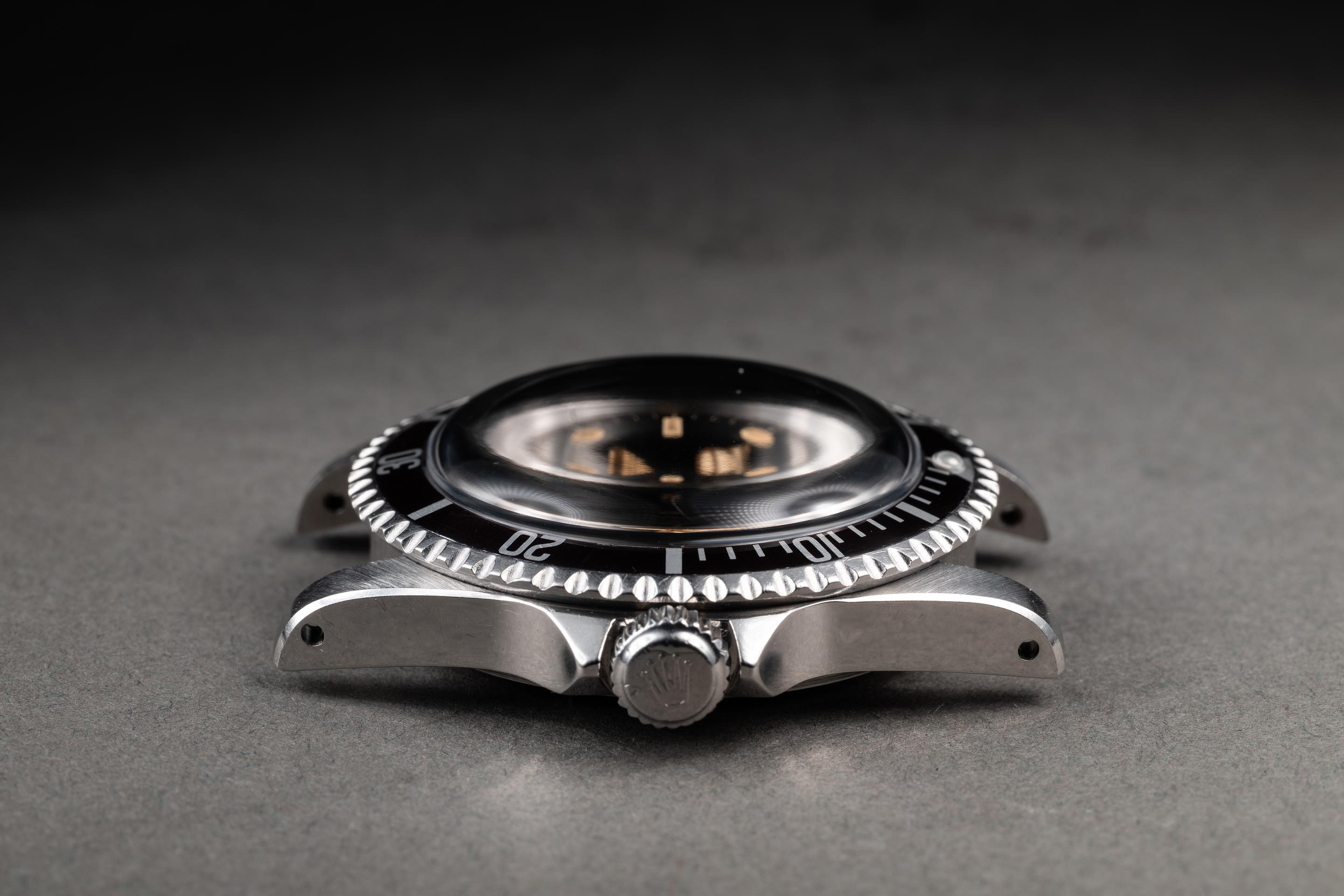




Table of Contents


Get More from the Journal