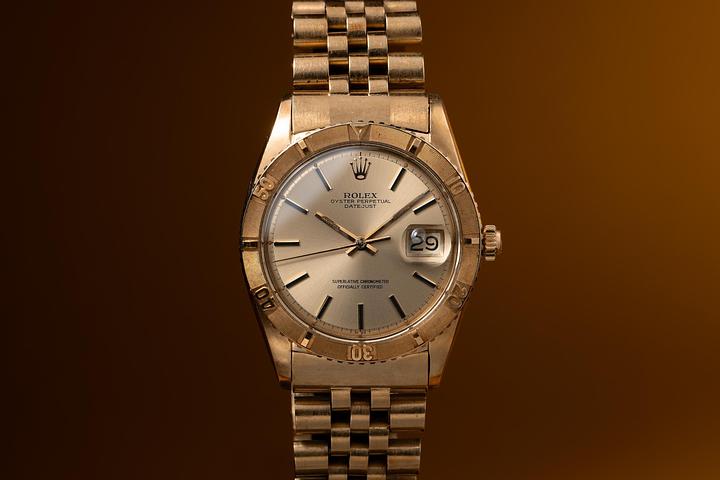
Where Rolex Watches Are Made: Inside Swiss Manufacturing Mastery

Where Are Rolex Watches Made? The Answer Might Surprise You
If you have ever held a Rolex and wondered what makes it feel so different from everything else on the market, the answer starts long before it reaches your wrist. Every Rolex watch is made in Switzerland, and not just assembled there in a loose, stamp-of-approval kind of way. The brand controls nearly every stage of production across facilities concentrated in Geneva and Biel, with in-house manufacturing that most watchmakers would find genuinely difficult to replicate. That level of vertical integration is rare. It is also exactly what gives a Rolex its reputation. Understanding where and how these watches are made helps explain the price, the prestige, and yes, why vintage examples hold their value the way they do.
The Swiss Origin Story: Why Switzerland Matters So Much
Switzerland did not accidentally become the center of the watchmaking universe. The country built that identity over centuries, with a culture of precision craftsmanship that runs deep across the Jura Mountains and the cantons surrounding Lake Geneva. Horology became embedded in Swiss identity the same way wine is embedded in French culture. When Hans Wilsdorf formally moved Rolex to Geneva in 1919, he was not simply changing an address. He was planting his company inside the most credible watchmaking ecosystem on earth. The Swiss Made designation, which Rolex carries with full qualification, requires that at minimum 60 percent of production costs originate in Switzerland. Rolex exceeds that threshold significantly. The brand essentially manufactures everything from scratch, within its own walls, in Swiss territory.
The Two Key Locations Behind Every Rolex
Rolex operates primarily from two Swiss cities, each playing a distinct role in the production process. The first is Geneva, specifically a facility in the Plan-les-Ouates district, where Rolex handles movement manufacturing, gem-setting, dial production, and final assembly. The second is Biel, in the Bernese Jura region, where the brand produces its cases, bracelets, and the metal components that define the physical architecture of each watch. Between these two locations, Rolex manages a production operation that is essentially self-contained. Very few components are sourced from outside suppliers. That independence matters because it means Rolex sets its own standards rather than inheriting someone else's tolerances.
Inside the Movement: What Rolex Actually Builds From Scratch
Most people do not fully appreciate how unusual it is for a watch brand to manufacture its own movements. Many respected Swiss companies source calibers from third-party movement makers. Rolex does not. Every movement inside a Rolex is designed, manufactured, and certified in-house. The brand has developed its own alloys, including Oystersteel and Rolesor, its own Parachrom hairspring made from a proprietary paramagnetic alloy, and its own Perpetual rotor system for automatic winding. The movements undergo testing through COSC, the Swiss Official Chronometer Testing Institute, and then face an additional round of internal testing under Rolex's own standards before any watch leaves the facility. The result is a caliber that earns the title of Superlative Chronometer, accurate to plus or minus two seconds per day.
Rolex Case and Bracelet Production: Precision at Scale
The physical construction of a Rolex case is not simple stamping and polishing. At the Biel facility, raw metal arrives and is machined, shaped, and finished through processes that involve both industrial precision and skilled hand-finishing. The Oyster case, which Rolex introduced in 1926 as the world's first waterproof watch case, is still produced with the same core philosophy of hermetic protection. Cases are machined to tight tolerances, lugs are shaped, bezels are fitted, and then the entire exterior goes through a finishing process that may include polishing, satin brushing, or a combination of both depending on the model. Bracelets receive similar attention. The Jubilee and Oyster bracelets, for example, involve individually crafted links that are assembled and adjusted to create the fluid, secure feel that Rolex collectors recognize immediately.
Rolex Dials and Gem-Setting: The Quiet Craftsmanship
Dials might seem like a simple component, but the Rolex approach to dial production is anything but minimal. The brand produces dials at its Geneva facility using materials ranging from lacquered finishes and meteorite to onyx, mother-of-pearl, and exotic stones. Each dial is inspected carefully before it advances to assembly. For models featuring diamonds or other gemstones, the gem-setting work is performed by trained setters who work under magnification, placing stones by hand into bezels and dials with a level of precision that does not happen at speed. Rolex does not rush this. The brand produces an estimated one million watches per year, which sounds like a large number until you consider how much handwork is embedded in each one.
Quality Control: The Standard That Justifies the Price
Rolex has a quality control process that is legitimately layered. Before a watch reaches a retailer, it passes through multiple stages of inspection covering water resistance, timekeeping accuracy, bracelet function, crown and pusher operation, and aesthetic finish. The brand performs its own pressure testing, its own timing verification, and visual inspection under controlled lighting. Watches that do not meet specifications are not shipped. They are corrected. This is not marketing language. It is documented practice that has been maintained across decades and contributes directly to the brand's reliability record in the field. Vintage Rolex collectors and enthusiasts consistently report that movements from decades past, properly maintained, still perform within reasonable accuracy standards today.
What Swiss Manufacturing Means for Long-Term Value
There is a practical reason why Rolex watches retain and often appreciate in value over time, and Swiss manufacturing is central to that story. When a brand controls its supply chain, its materials, and its standards, it creates a consistent product that the market learns to trust. Rolex has maintained that consistency for over a century. Buyers in the secondary market understand that a well-preserved Rolex from the 1960s or 1970s was built to the same philosophical standard as a current production model, even as the technology has evolved. That continuity creates confidence. Confidence creates demand. Demand sustains and elevates value. It is a straightforward equation when you follow it back to the source, which is always the Swiss manufacturing process itself.
Why Tropical Watch Is the Right Partner for Your Rolex Journey
Understanding where and how Rolex watches are made naturally raises the next question: where do you find authentic examples worth owning? Whether you are entering the market for the first time or expanding a serious collection, the source matters as much as the watch itself. Tropical Watch specializes in authenticated vintage Rolex timepieces, with a curatorial approach that reflects genuine expertise in Swiss watchmaking provenance and collector-grade quality. When you are searching for certified vintage Rolex watches crafted in Switzerland, the standard of authentication and transparency you receive from the platform determines everything. Tropical Watch brings together the knowledge, the inventory, and the trust that serious collectors and first-time buyers both deserve when making this kind of investment.
Frequently Asked Questions About Where Rolex Watches Are Made
Are all Rolex watches made in Switzerland?
Yes, every Rolex watch is manufactured in Switzerland. The brand operates primary production facilities in Geneva and Biel, where it handles everything from movement manufacturing to case finishing and final assembly. Rolex qualifies fully for the Swiss Made designation and exceeds its requirements.
Does Rolex make its own movements?
Rolex manufactures all of its movements in-house at its Geneva facility. The brand does not source movements from third-party suppliers. Every caliber is designed, built, and tested internally before it is placed in a watch.
What makes Rolex watches more expensive than other Swiss watches?
The cost reflects the brand's vertical integration, proprietary materials, multi-stage quality control, and the volume of skilled handwork involved in production. Rolex controls nearly every element of its supply chain, which drives both precision and cost.
What is the Swiss Made designation and does Rolex qualify?
Swiss Made is a regulated designation requiring that a minimum of 60 percent of manufacturing costs originate in Switzerland and that final inspection occurs there. Rolex not only meets this threshold but significantly exceeds it through its near-total in-house production model.
Do vintage Rolex watches hold their value?
Vintage Rolex watches have historically demonstrated strong value retention and appreciation in the secondary market. This is driven by consistent build quality, brand recognition, limited original supply of certain references, and sustained collector demand globally.
How can I verify the authenticity of a vintage Rolex?
Authenticity verification for vintage Rolex watches involves examining the movement, case references, serial numbers, dial printing, and originality of components. Working with a reputable dealer who specializes in vintage Rolex and provides documented authentication is the most reliable approach for buyers.