Rolex Oyster Perpetual Datejust: A Legacy of Timeless Precision
What Makes the Rolex Oyster Perpetual Datejust So Iconic?
Few timepieces in the history of watchmaking carry the weight—both cultural and mechanical—of the Rolex Oyster Perpetual Datejust. Introduced in 1945 to commemorate Rolex's 40th anniversary, the Datejust was the first wristwatch in the world to feature an automatically changing date display on the dial. That alone would have been enough to secure its place in history. But Rolex did not stop there. Over the decades, this watch has quietly evolved, absorbing new materials and refined calibers while never losing the essential character that made collectors fall for it in the first place. It is precise. It is handsome. And it is built to last longer than most things you will ever own.
A Brief History of the Datejust: Where It All Began
The year was 1945. The world was recalibrating after years of conflict, and Rolex chose that moment to unveil something genuinely new. The original Datejust arrived in an 18-karat gold case, fitted with a cyclops lens over the date window—a feature that would become immediately recognizable worldwide. In 1953, Rolex introduced the Jubilee bracelet specifically for this model, a five-link design that remains one of the most admired bracelets in the industry. By 1969, the date display had been upgraded with the Quickset mechanism, allowing wearers to adjust the date independently of the time. Each iteration represented a meaningful advancement, not cosmetic change for its own sake. The Datejust was always about function first, elegance second—and somehow, it delivered both without compromise.
The Oyster Case: Engineering That Defined a Category
The Oyster case is not just an aesthetic choice. It is the foundation upon which the Datejust's reliability is built. Introduced by Rolex in 1926, the Oyster case was the world's first waterproof wristwatch case, and it set the standard for how a watch should protect its movement from dust, moisture, and pressure. Today's Datejust models are water-resistant to 100 meters—far beyond what most wearers will ever require, but reassuring nonetheless. The case is constructed from Oystersteel, Rolex's proprietary 904L stainless steel alloy, which is notably more corrosion-resistant than the 316L steel used by most watch manufacturers. In gold versions, Rolex uses only gold produced in its own foundry. This level of vertical integration is rare in any industry and speaks directly to the brand's commitment to quality from raw material to finished product.
Movement and Precision: What Powers a Datejust
Inside every modern Datejust beats a Rolex Perpetual movement—a self-winding mechanical caliber manufactured entirely in-house. Current models are equipped with the caliber 3235, a movement that represents decades of accumulated horological knowledge. It offers approximately 70 hours of power reserve, meaning the watch will keep running through a full weekend without ever touching your wrist. Rolex movements are certified as Superlative Chronometers by the brand's own testing standards, which exceed those set by the Official Swiss Chronometer Testing Institute. The result is an accuracy of plus or minus two seconds per day—an extraordinary benchmark for a mechanical movement. These are not numbers for marketing brochures. They reflect a genuine obsession with precision that has defined Rolex since its earliest years.
Dial and Design Options: Finding the Right Datejust for You
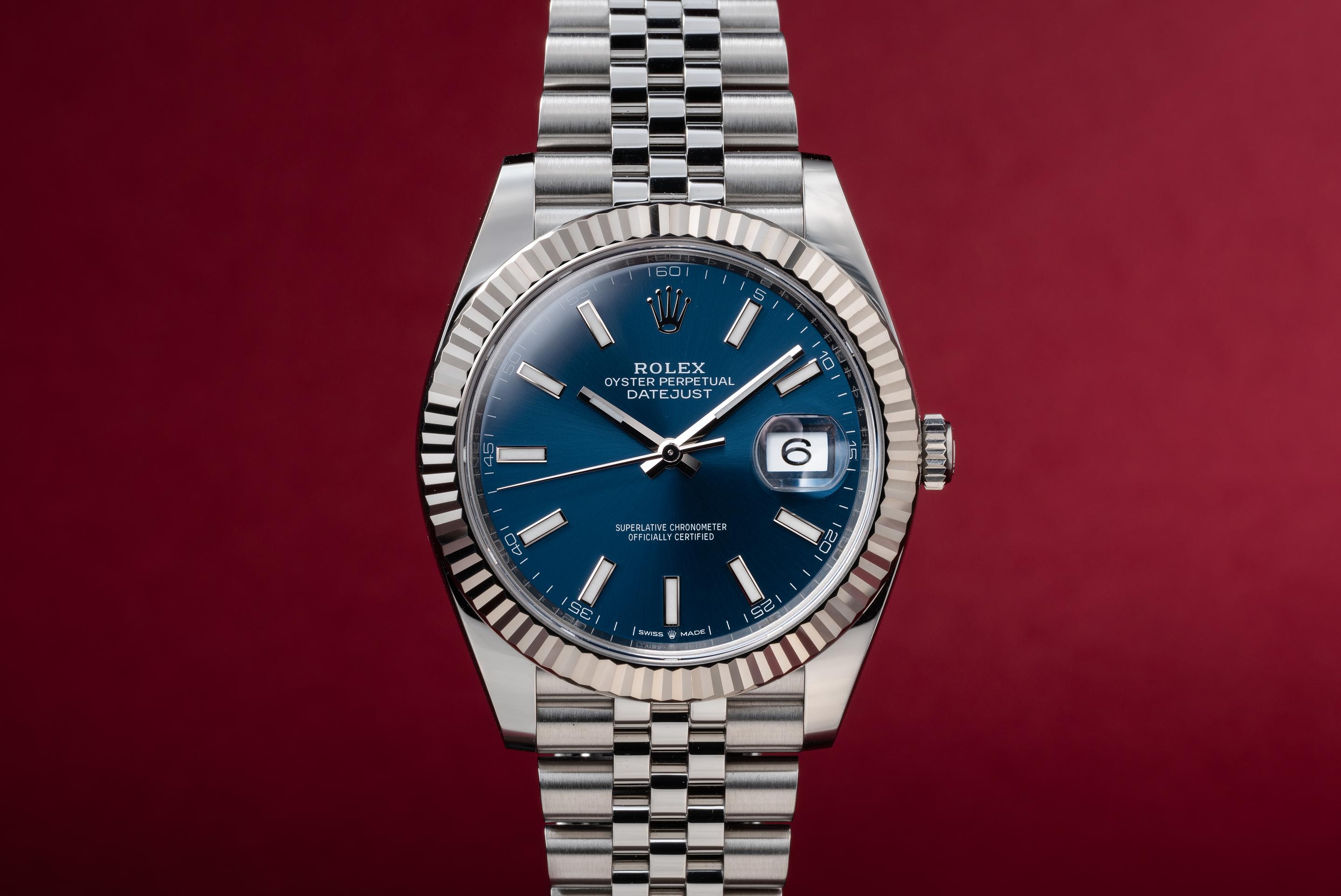
One of the quieter pleasures of the Datejust is the sheer breadth of configuration available. Rolex currently produces the Datejust in two primary case sizes—36mm and 41mm—offering flexibility for different wrist sizes and style preferences. Dial options range from clean, classic white or black to more expressive choices like sunray-finished silver, vibrant blue, or diamond-set variations. Bezels can be smooth, fluted, or diamond-set, each communicating a distinct personality. And the bracelet choice—Jubilee or Oyster—changes the overall character of the watch significantly. The Jubilee feels dressier, almost jewelry-like. The Oyster leans sportier and more utilitarian. Neither is wrong. The Datejust accommodates both directions without looking confused.
Rolex Datejust vs. Other Rolex Models: How Does It Compare?
Buyers new to Rolex sometimes wonder how the Datejust fits relative to other references in the lineup. It occupies a distinct middle ground between the purely sports-oriented models and the more overtly dress-focused Day-Date. Consider how these models differ at a glance:
Rolex Submariner — Dive-focused, bezel with 60-minute scale, sportier profile Rolex Day-Date — President bracelet, day display added, prestige-tier positioning Rolex Datejust — Versatile, date-only display, wearable across formal and casual contexts Rolex Air-King — Simplified dial, aviation heritage, no date complication Rolex Explorer — Tool-watch DNA, cleaner dial, adventure-oriented identity
The Datejust wins in versatility. It moves from a business meeting to a weekend dinner without missing a step. Few watches at any price point can claim the same range.
Vintage Rolex Datejust: Why Collectors Take Notice
The vintage market for Datejust references is deep and genuinely rewarding for those willing to explore it. Earlier references from the 1950s and 1960s feature smaller case sizes—typically 36mm—and dials that have aged into extraordinary patina. Glossy lacquer dials from this era have often developed warm tropical tones or rich color gradations that no modern dial can replicate. The gilt printing, early cyclops lenses, and radium or tritium luminous markers tell a story that newer watches simply cannot. Collectors particularly seek out references such as the 1601, 1603, and 16013, each carrying its own distinguishing characteristics. If authenticity and history matter to you—and they should—the vintage Datejust market offers a compelling alternative to buying new.
Buying a Rolex Datejust: New vs. Pre-Owned Considerations
The decision to buy new or pre-owned is not always straightforward, but it is worth thinking through carefully. New Datejust models come with full manufacturer warranty and complete documentation, but availability through authorized dealers has tightened considerably in recent years. Pre-owned models, particularly certified examples from reputable dealers, often represent better value and immediate access. Key things to evaluate when purchasing pre-owned include:
Authentication — Confirm the reference number, serial number, and movement all correspond correctly Condition — Examine case sharpness, crystal clarity, and bracelet stretch Service History — Ask about prior service records and movement condition Documentation — Original box and papers add value and verify provenance Seller Reputation — Source from dealers with verifiable expertise and transparent return policies
Whether new or pre-owned, the Datejust holds its value exceptionally well, particularly in steel configurations, which have proven resilient across broader market conditions.
Why Tropical Watch Is the Right Place to Find Your Datejust
When it comes to sourcing a Rolex Datejust—especially a vintage reference with genuine character—the dealer relationship matters as much as the watch itself. Tropical Watch has built its reputation on exactly this foundation: deep expertise in vintage Rolex, a curated inventory selected for quality and authenticity, and a client-first approach that treats every buyer as a serious collector rather than a transaction. For anyone seeking a trusted source for vintage and pre-owned Rolex Oyster Perpetual Datejust watches, Tropical Watch provides the knowledge, transparency, and selection that informed buyers require. Whether you are entering the Rolex market for the first time or expanding an existing collection, this is the kind of resource that makes the difference between a purchase you second-guess and one you are proud of for decades.
Frequently Asked Questions About the Rolex Oyster Perpetual Datejust
What is the difference between the Datejust 36 and Datejust 41?
The Datejust 36 measures 36mm in diameter and has historically been considered the classic size, appropriate for most wrist sizes and traditionally associated with both men and women. The Datejust 41 is the larger modern reference, measuring 41mm, and appeals to those who prefer a more contemporary proportioned watch. Both house in-house Rolex movements and share the same core design language, though the 41 uses the caliber 3235 while older 36mm references may use earlier calibers.
Is the Rolex Datejust a good investment?
The Datejust is one of the most consistently valued watches in the pre-owned market. While no watch purchase should be made solely on investment grounds, Datejust models in steel—particularly vintage references in original condition—have demonstrated strong value retention over time. Rare dial variations and well-preserved examples from the 1950s through 1970s have appreciated considerably in collector markets.
How often does a Rolex Datejust need servicing?
Rolex recommends servicing its watches approximately every ten years under normal use conditions, though this can vary depending on how the watch is worn and stored. A full service includes disassembling the movement, cleaning and lubricating all components, replacing worn parts as needed, and pressure-testing the Oyster case to confirm water resistance. Regular servicing protects both the movement and the long-term value of the watch.
What does the cyclops lens on a Datejust do?
The cyclops lens is the small magnifying bubble positioned over the date window on the crystal. It magnifies the date display by 2.5 times, making it significantly easier to read at a glance. Rolex introduced this feature in the 1950s and it has remained a defining visual characteristic of the Datejust ever since. On vintage models, the magnification power and clarity of the cyclops lens can help authenticate and date a specific reference.
What is the most collectible vintage Rolex Datejust reference?
Several references command consistent attention from serious collectors. The reference 6305, as one of the earliest Datejust models, holds particular historical significance. Among mid-century references, the 1601 and 1603 are highly regarded for their proportion and dial variety. Models featuring original tropical dials—those that have developed warm brown or chocolate tones through natural aging—command a meaningful premium and are considered among the most desirable in the vintage Rolex market.
Can a Rolex Datejust be worn every day?
Absolutely. The Datejust was designed for exactly this purpose. Its Oyster case provides genuine protection against water and dust, the self-winding movement keeps itself wound through normal wrist motion, and the overall construction is built to withstand daily use across decades. Many Datejust owners wear theirs without removing it for years at a time, which is a testament to how durably and thoughtfully this watch was engineered from the outset.





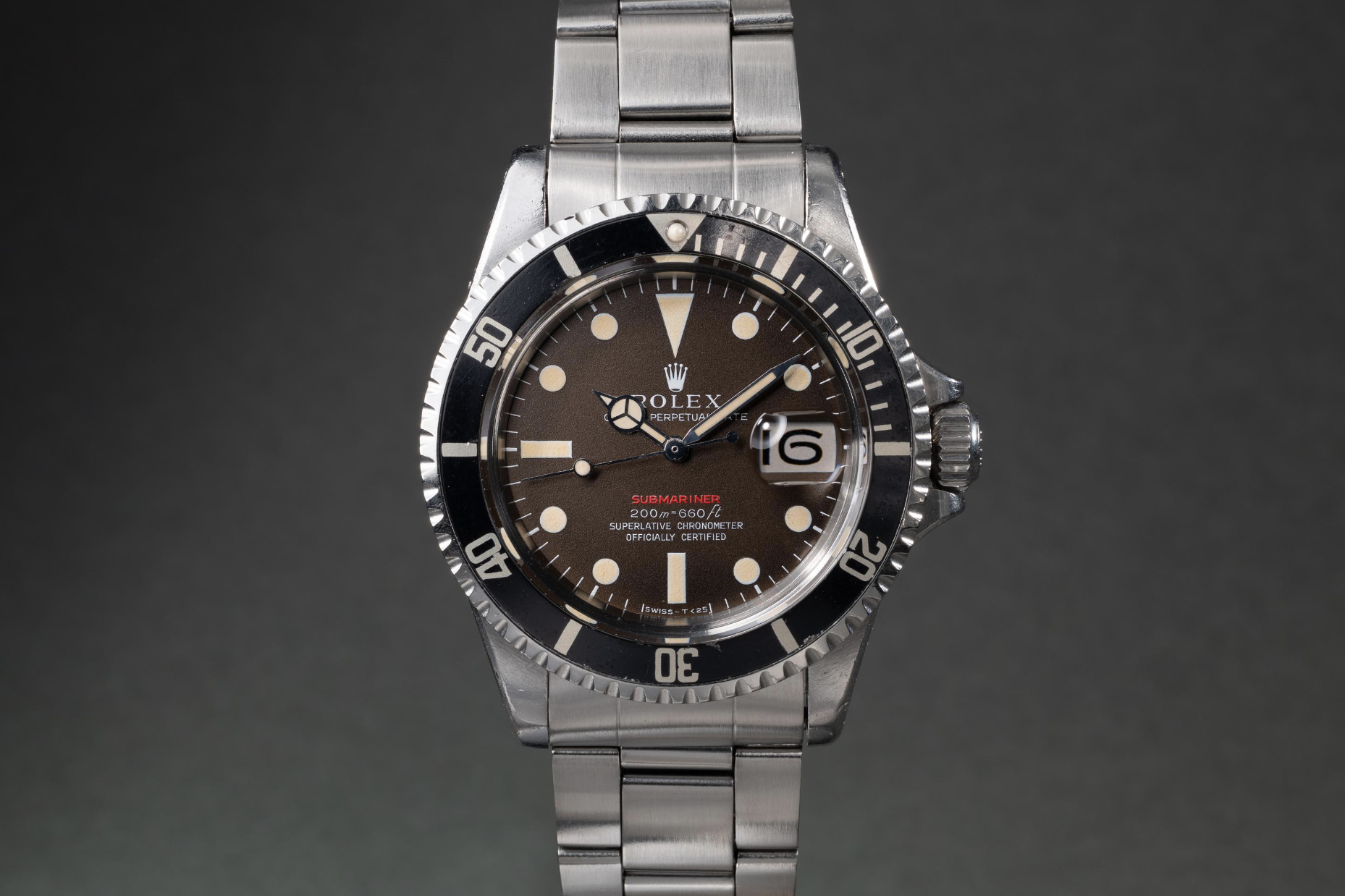


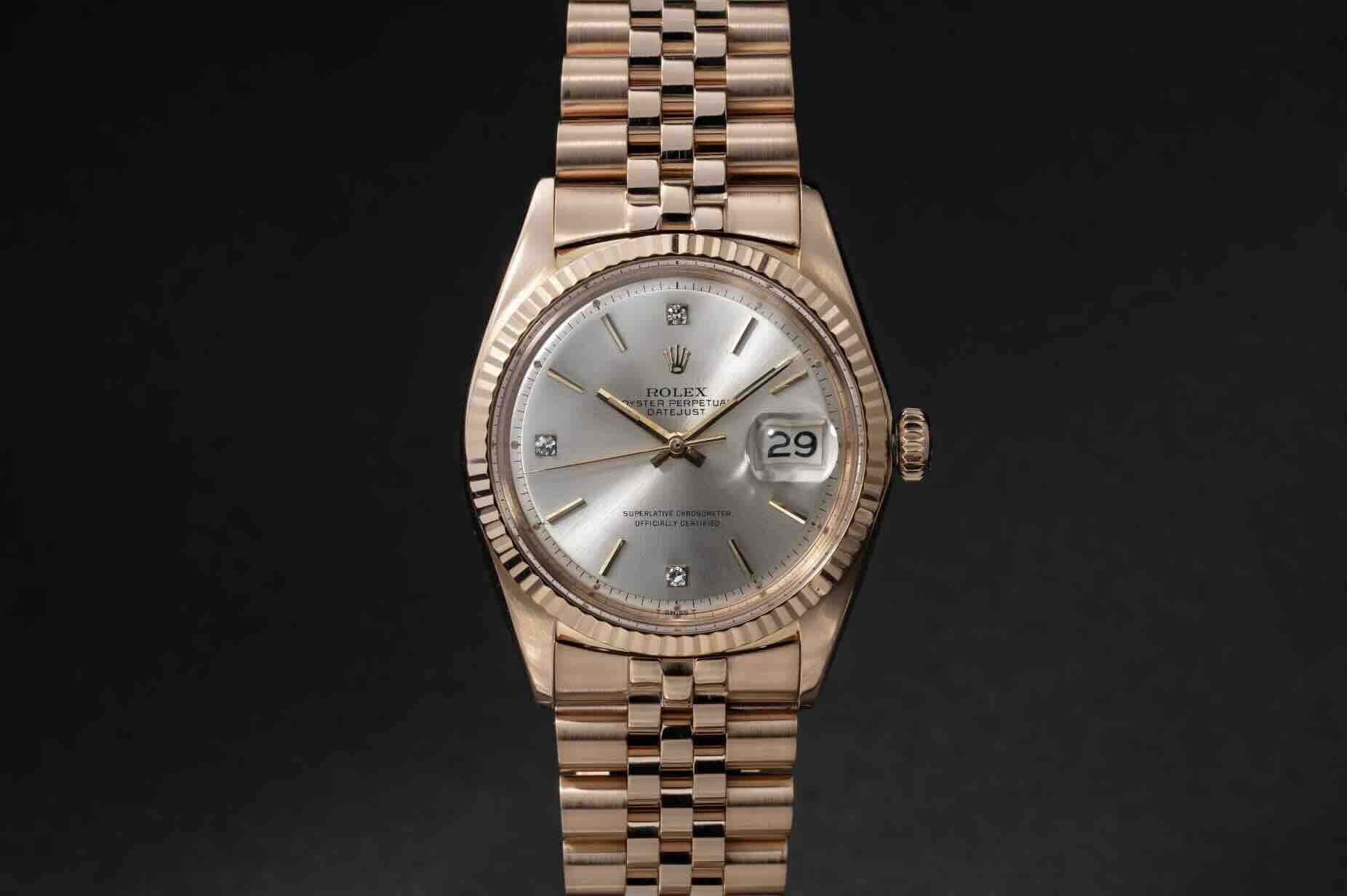



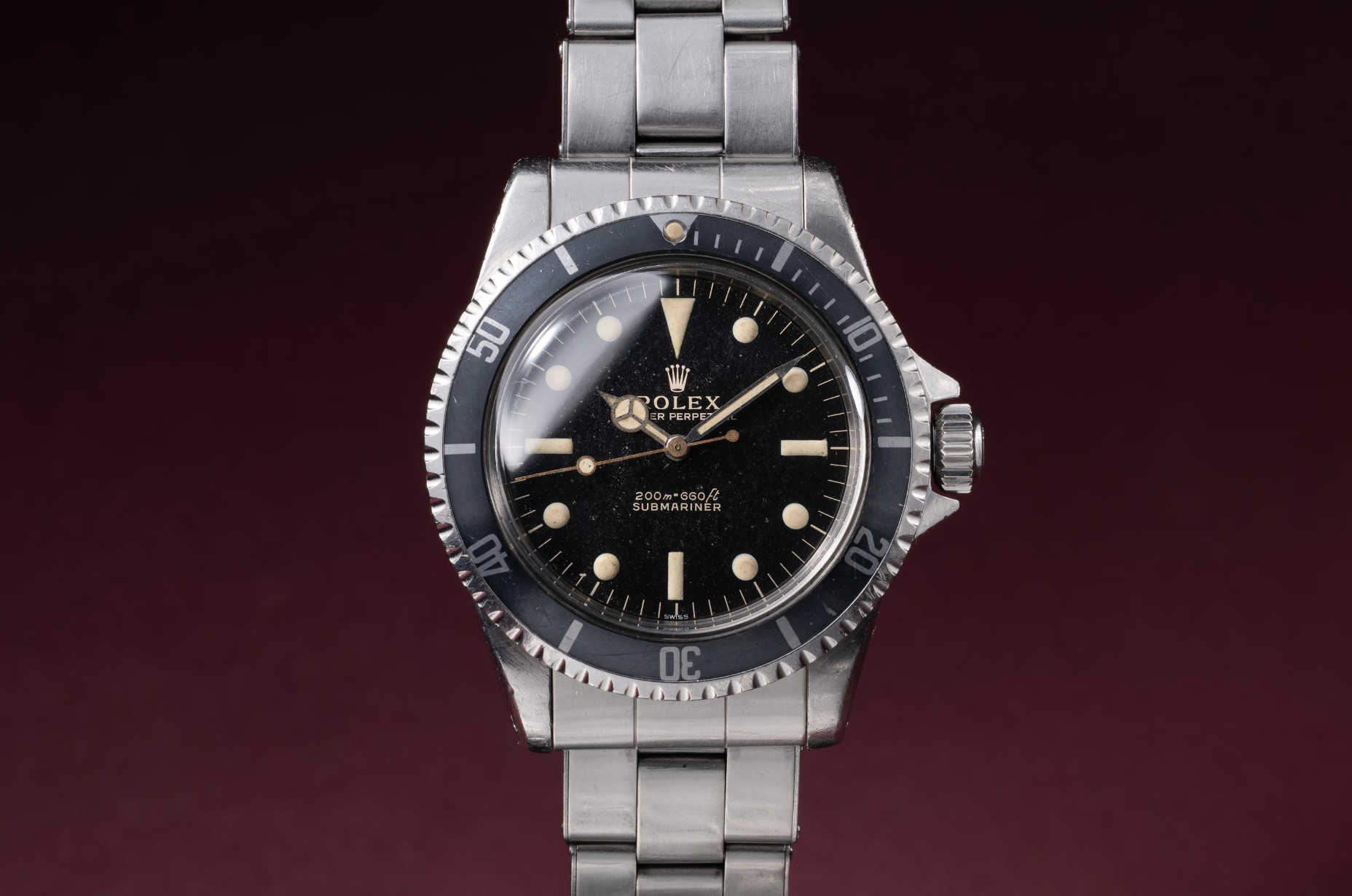

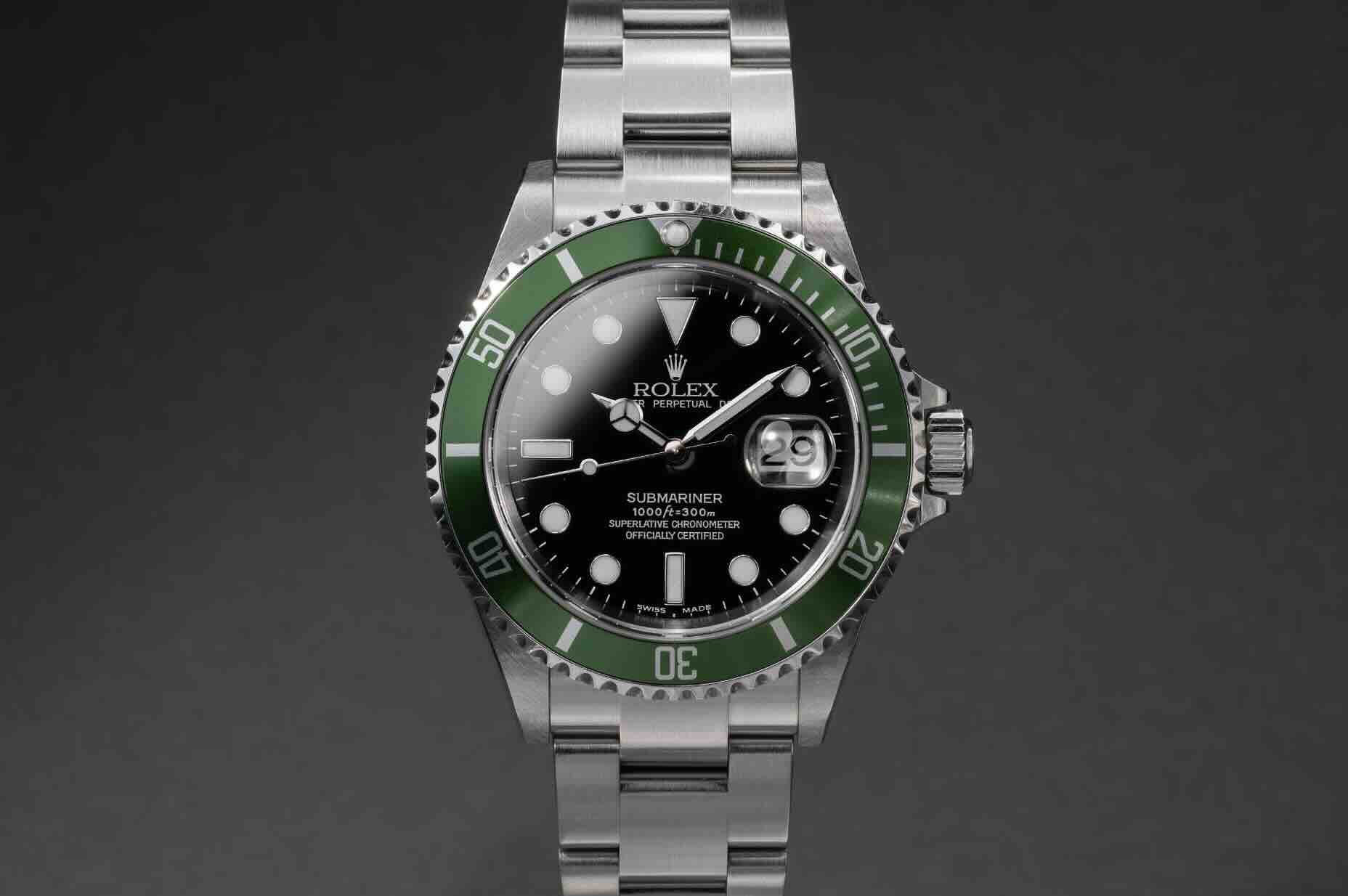


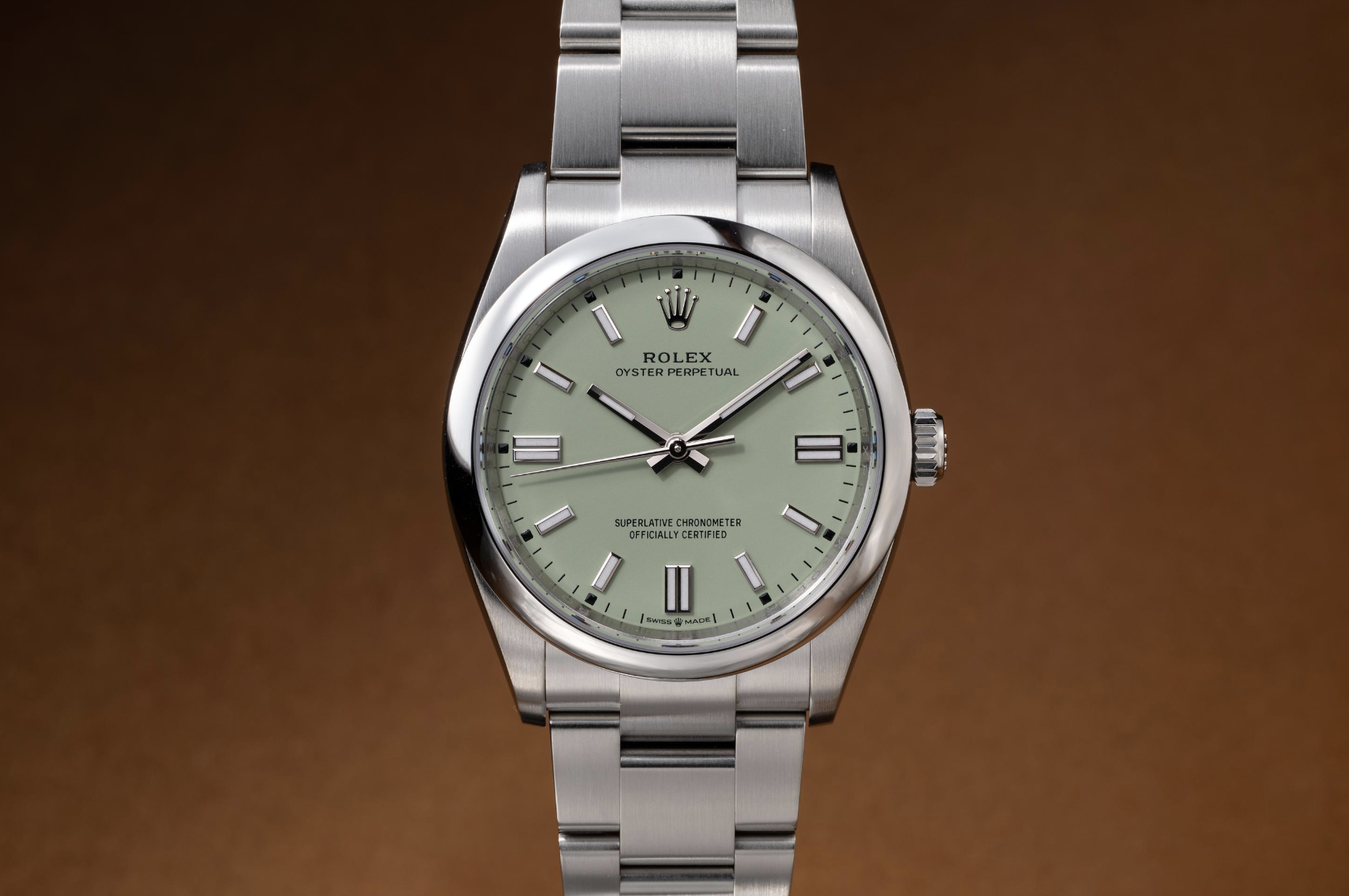
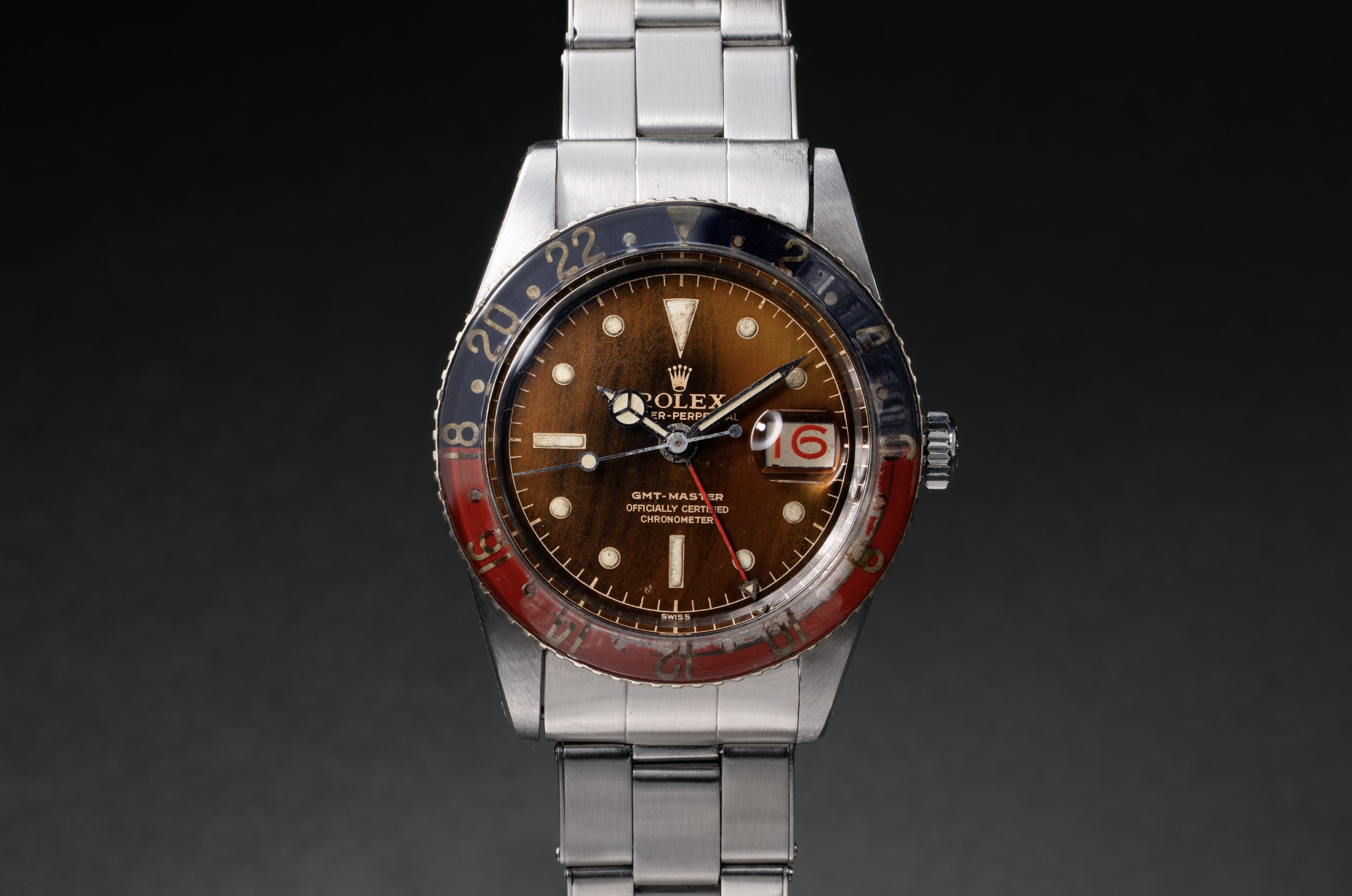
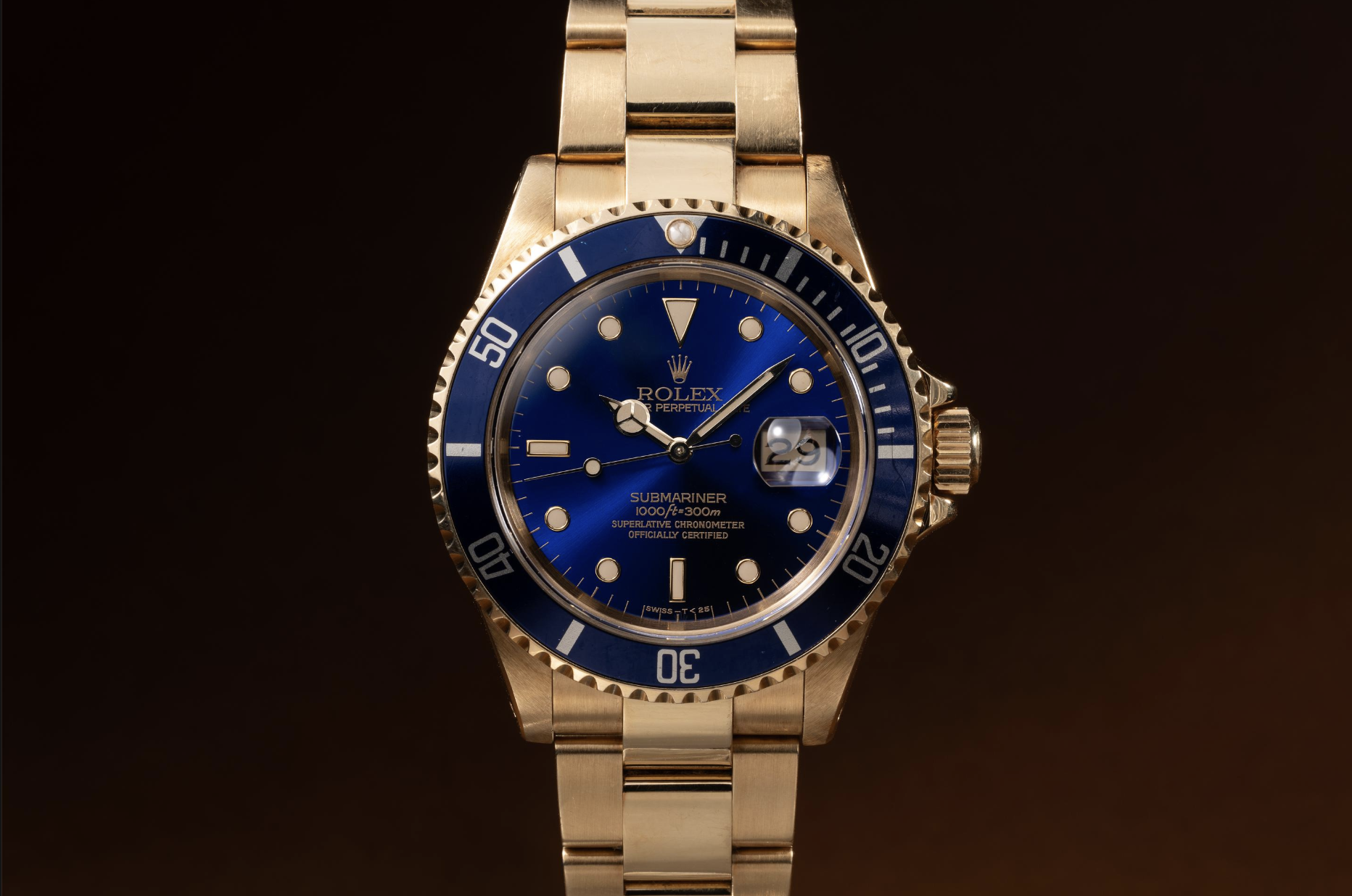


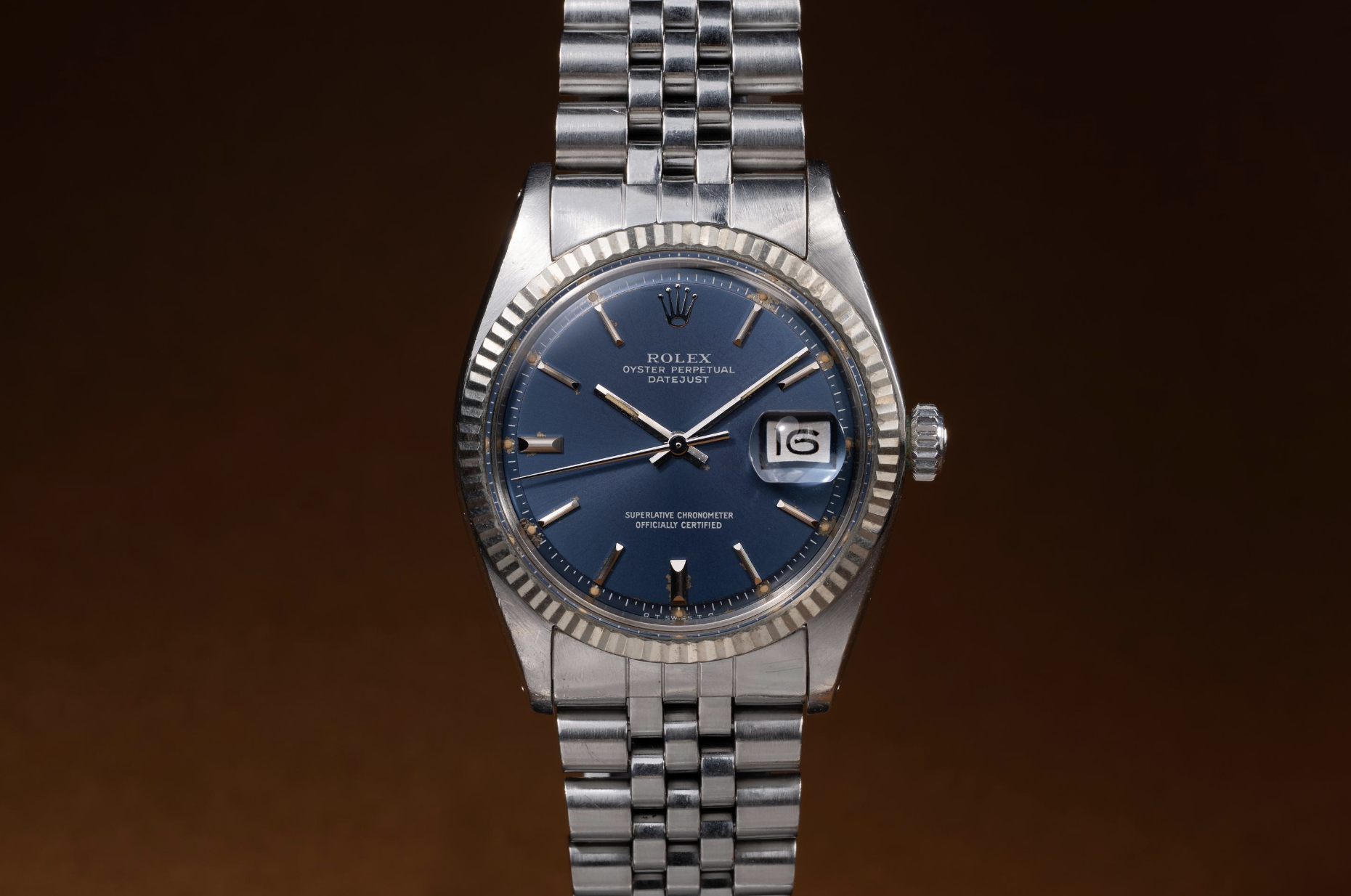
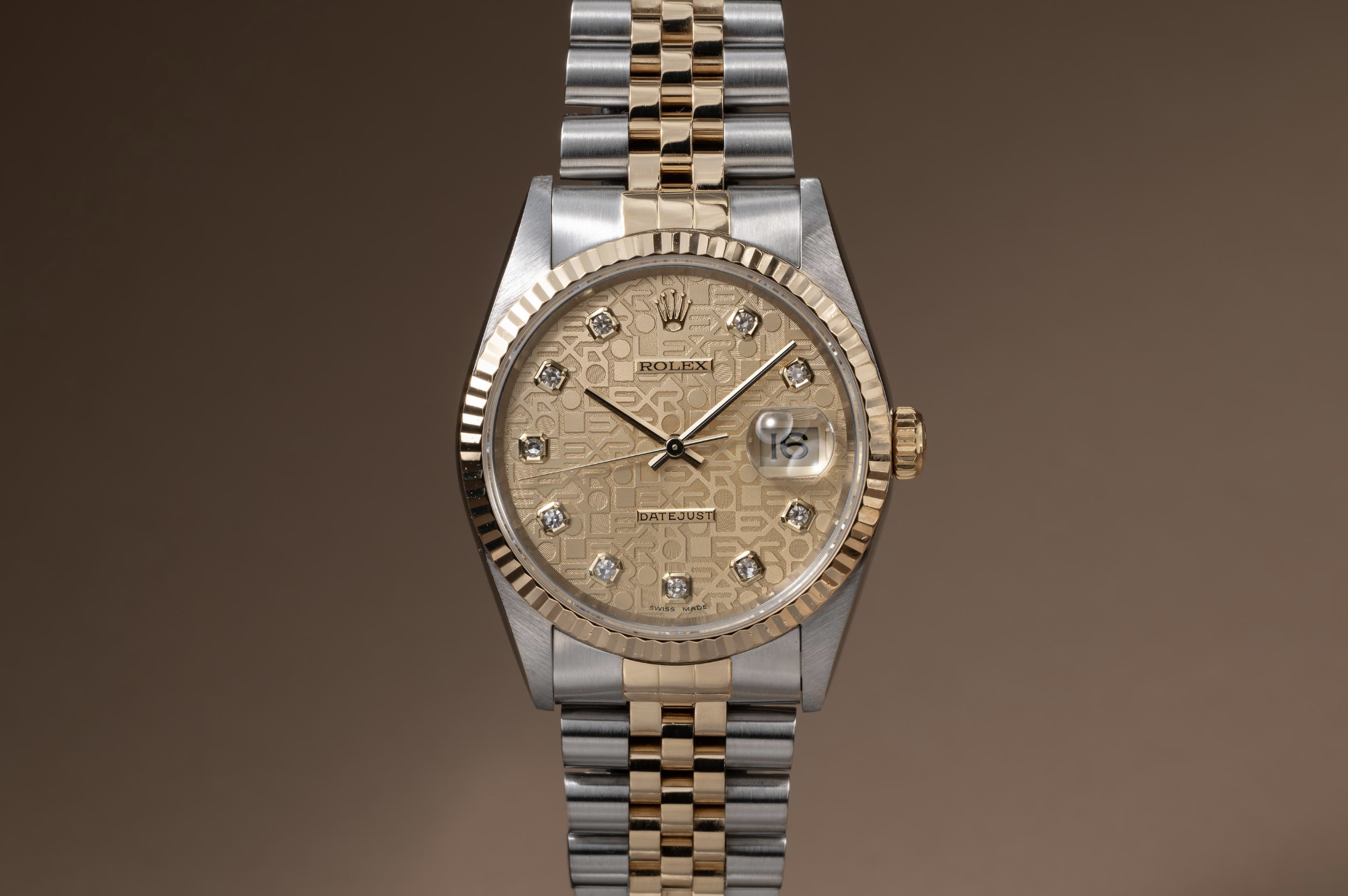
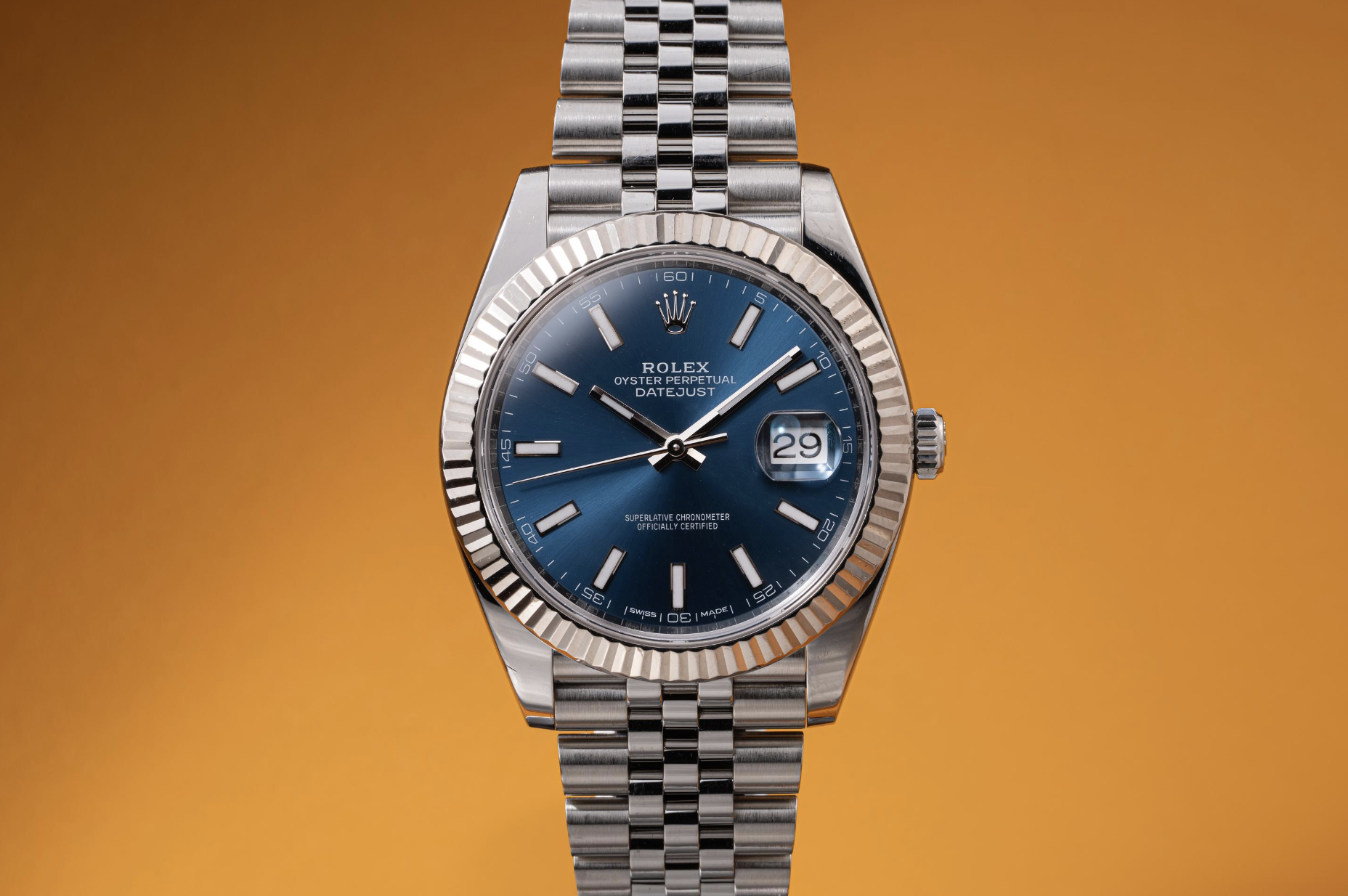


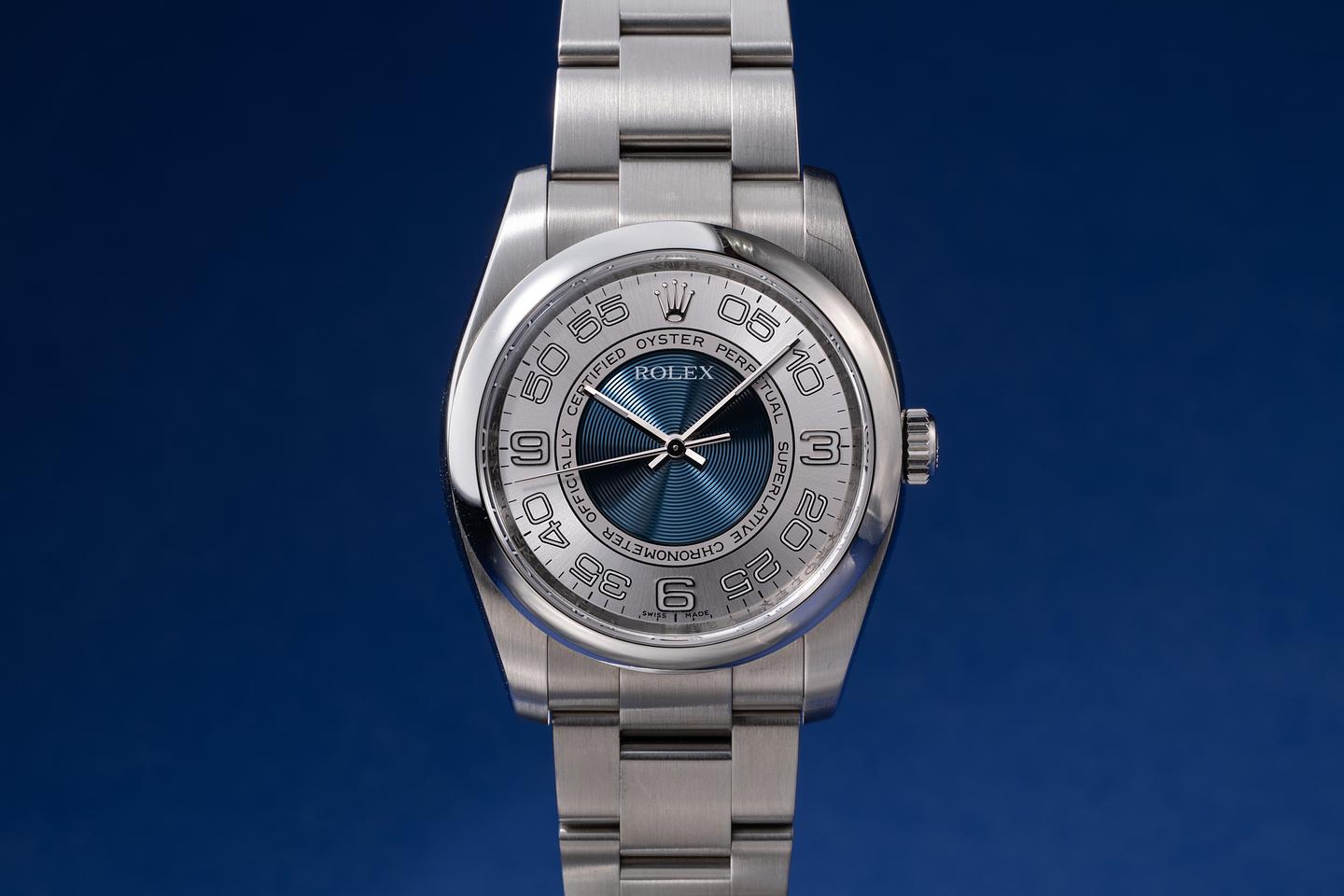


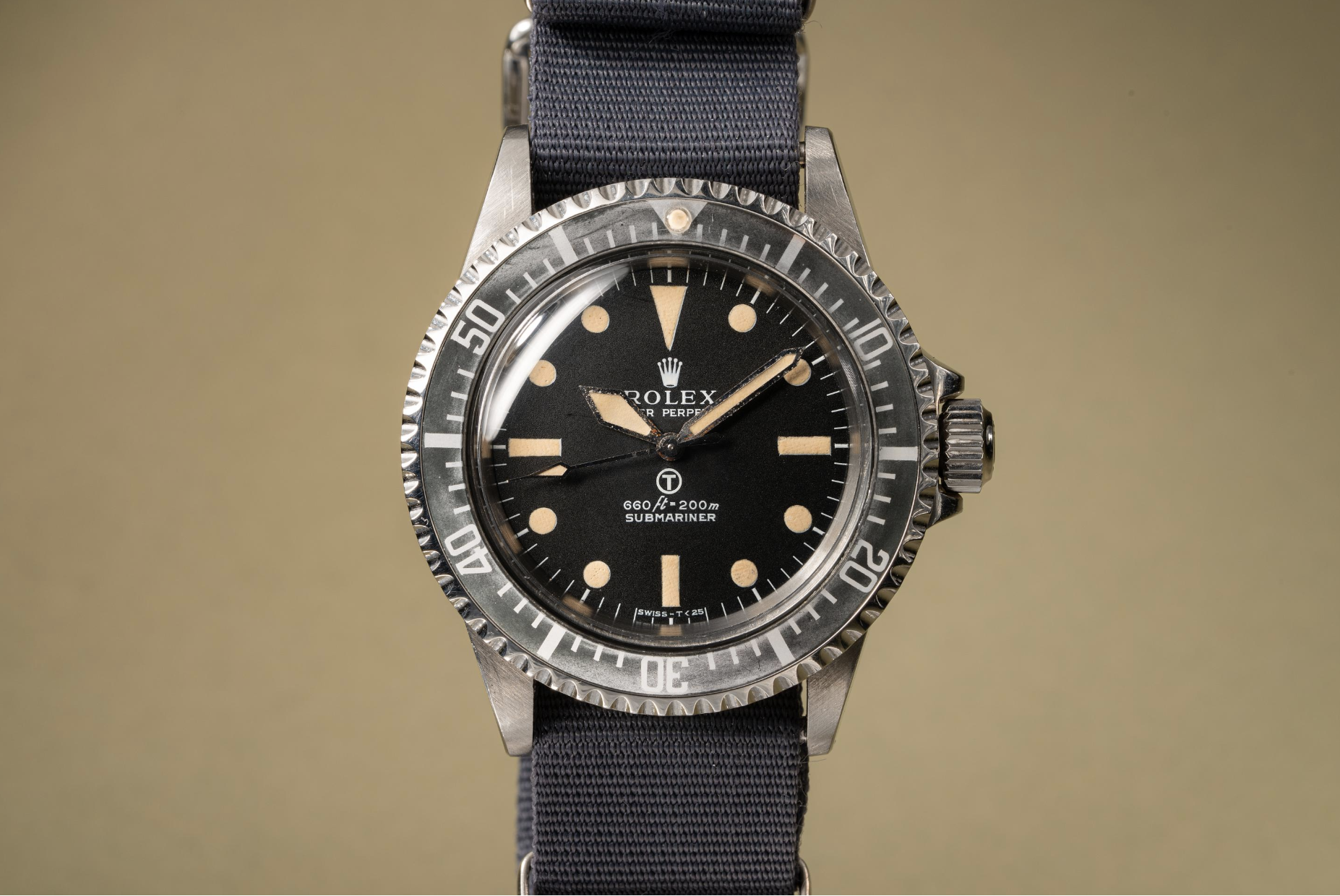
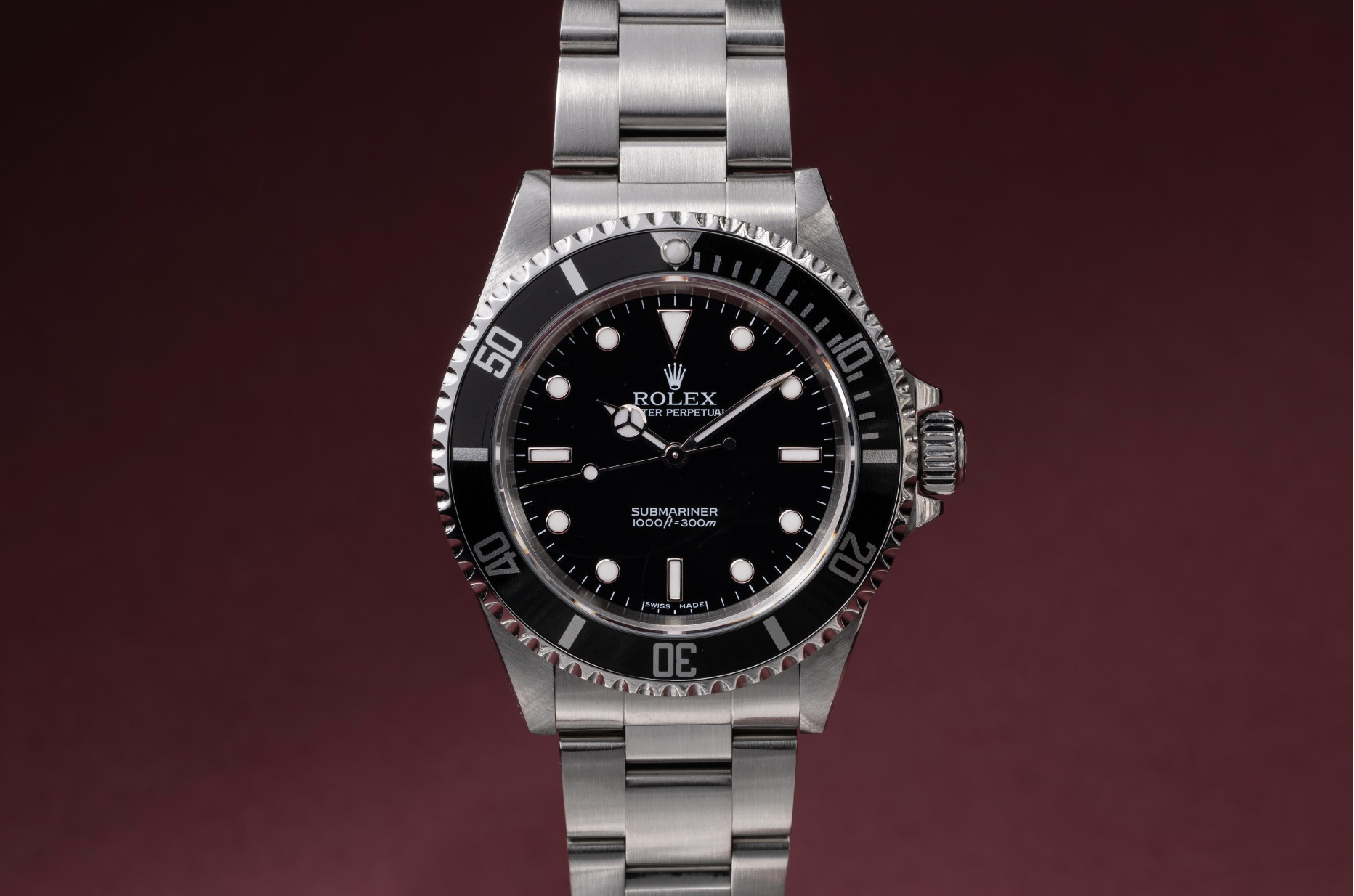



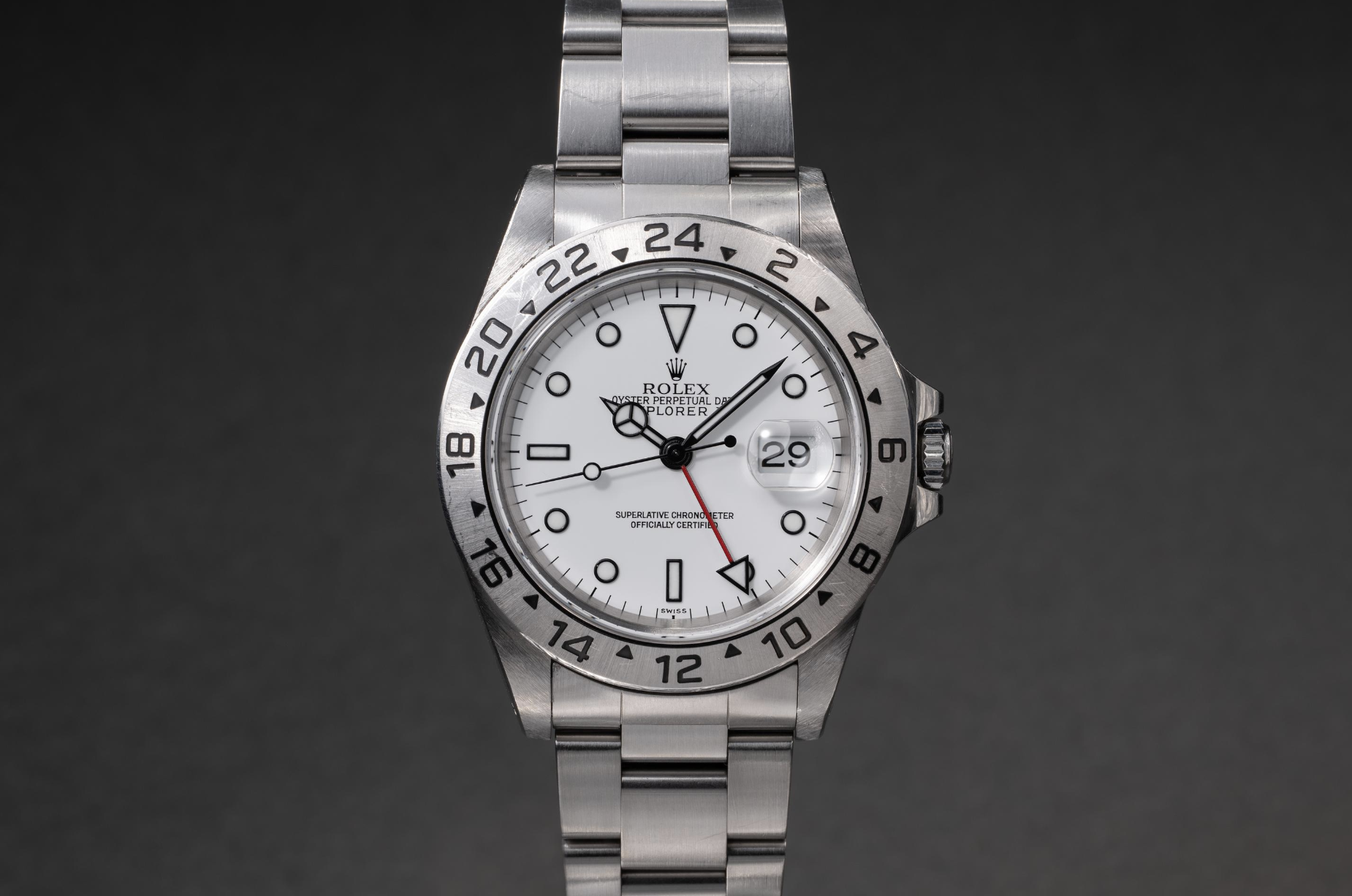


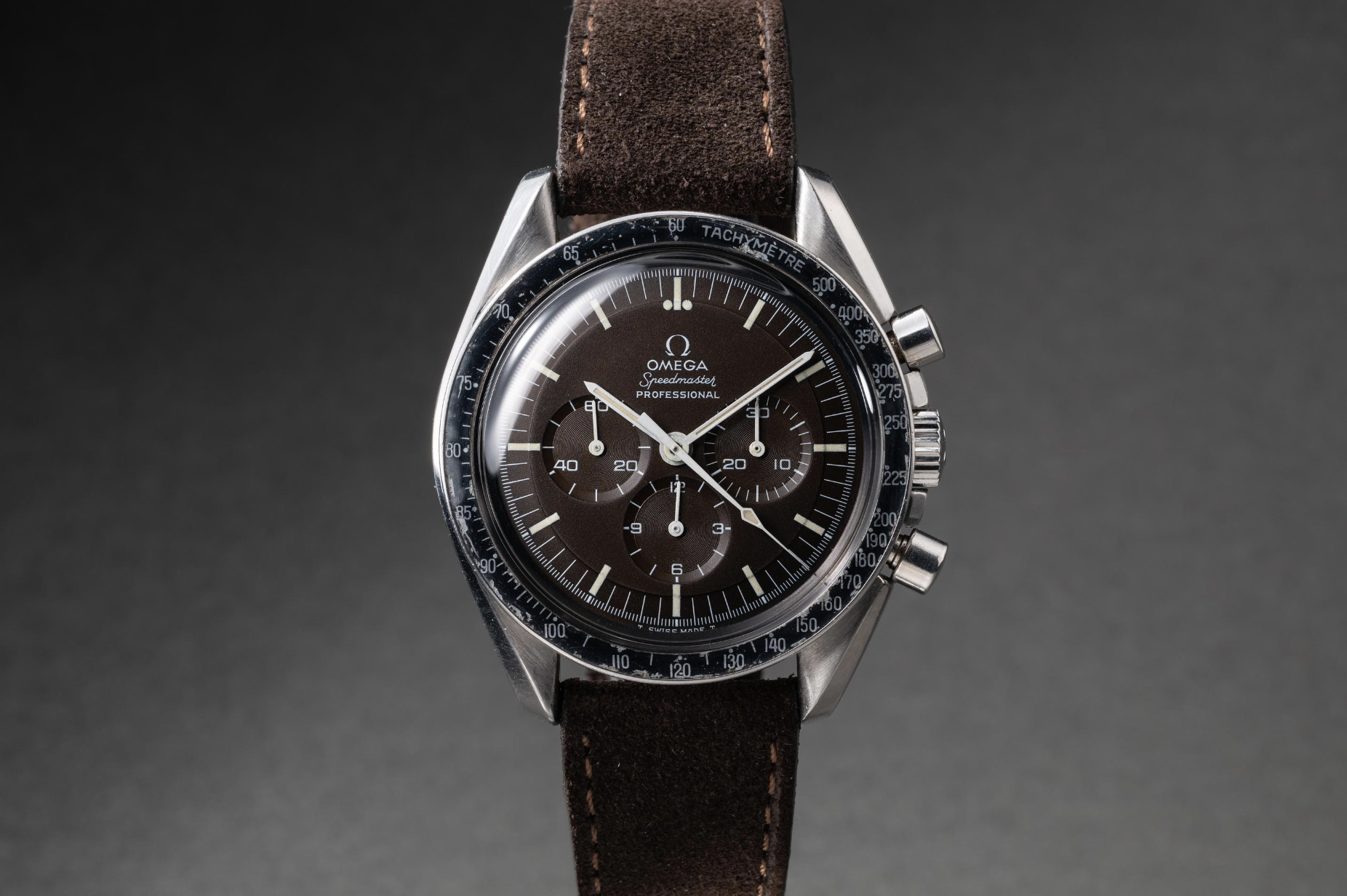

Table of Contents
Get More from the Journal