Omega Serial Numbers: Date & Authenticate Your Watch
Understanding Omega Serial Numbers: A Complete Guide to Dating and Authenticating Your Watch
If you have ever held an Omega timepiece and wondered exactly when it was made, you are not alone. Omega serial numbers are one of the most reliable tools available for dating a watch, verifying its authenticity, and understanding its place in the brand's long and storied history. Whether you are a first-time buyer, a seasoned collector, or simply someone who inherited a beautiful old Omega, knowing how to read and interpret these numbers is genuinely useful. This guide walks you through everything you need to know, clearly and without unnecessary complexity.
What Is an Omega Serial Number and Where Do You Find It?
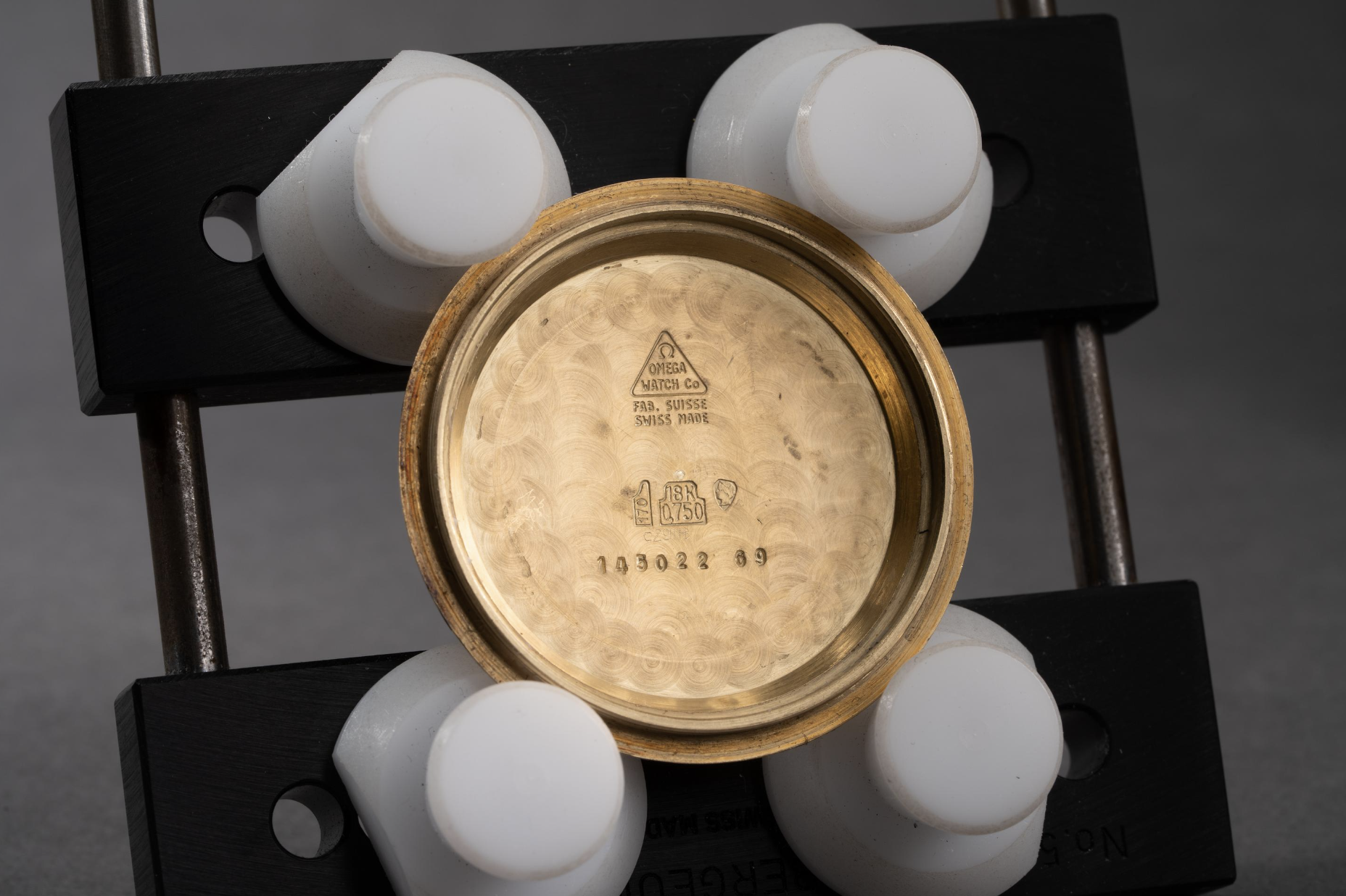
An Omega serial number is a unique numeric code assigned to each watch movement produced by the brand. It is essentially the watch's identity, stamped directly onto the movement itself rather than the case. To find it, you typically need to remove the case back of the watch, which reveals the movement inside. The serial number is engraved on the movement's plate and usually consists of six to eight digits depending on the era of production. It is worth noting that Omega historically recorded serial numbers based on movement production, not necessarily the final assembly or retail sale date, so there can be a slight variation between when a watch was made and when it was sold.
The History Behind Omega's Serial Number System
Omega began using a systematic serial number system in the mid-1800s, shortly after Louis Brandt established the company in La Chaux-de-Fonds, Switzerland, in 1848. The brand officially adopted the name Omega in 1894, and by that point, production volumes were already significant enough that tracking individual movements had become an operational necessity. What makes this history particularly interesting is that Omega's serial number records are remarkably complete compared to many other Swiss watchmakers of the same era. This means collectors and researchers can cross-reference a serial number against published production tables to identify the approximate year of manufacture with a reasonable degree of accuracy. The system evolved over the decades as production scaled, moving from simple sequential numbering to more complex formats that accommodated millions of movements annually.
How to Use an Omega Serial Number to Date Your Watch
Dating an Omega by serial number is a straightforward process once you know where to look. The general approach involves locating the serial number on the movement and then matching it against a serial number reference table. These tables, which are widely available through reputable watch reference resources and collector communities, list production ranges by year. For example, serial numbers in the range of approximately 9,000,000 to 10,500,000 generally correspond to watches produced in the late 1950s, while numbers beginning with 3 in the eight-digit range tend to point toward the 1990s. It is not an exact science because Omega sometimes used movements from existing stock, but the results are typically accurate to within one to three years.
Omega Serial Number Ranges by Era
To give you a practical sense of how the numbers map to history, here is a general overview of Omega serial number ranges organized by decade. These are approximate figures based on documented production records and should be used as a guide rather than an absolute reference.
- 1900s to 1910s: Serial numbers roughly 1,000,000 to 3,500,000
- 1920s to 1930s: Serial numbers roughly 3,500,000 to 7,500,000
- 1940s to 1950s: Serial numbers roughly 7,500,000 to 12,000,000
- 1960s to 1970s: Serial numbers roughly 12,000,000 to 30,000,000
- 1980s to 1990s: Serial numbers roughly 30,000,000 to 60,000,000
- 2000s onward: Serial numbers exceeding 60,000,000
Keep in mind that production volumes increased significantly in the second half of the twentieth century, which is why the ranges expand so considerably in later decades. Omega was producing enormous quantities of movements annually by the 1960s and 1970s, in part due to the global popularity of lines like the Seamaster and Constellation.
Why Serial Numbers Matter for Authentication
In the vintage and pre-owned watch market, authentication is everything. An Omega serial number is one of the first things an experienced buyer or dealer will check when evaluating a watch. If a serial number does not correspond to the movement reference, case style, or dial configuration of its supposed production year, that is a significant red flag. For instance, a watch presented as a 1960s Speedmaster should have a serial number consistent with that decade's production range. Any mismatch between the serial number era and the physical components of the watch warrants further investigation. Counterfeit Omega watches do exist, and while most fakes are relatively easy to identify with a trained eye, the serial number is always a foundational checkpoint in the verification process.
Modern Omega Watches and the Case Reference System
Starting around 2009, Omega introduced a more comprehensive identification system that includes both a serial number and a distinct case reference number. The case reference number is typically found on the case back itself and provides additional information about the model, material, and configuration of the specific watch. For modern Omega buyers, this dual-reference system makes authentication considerably easier. The brand also began engraving serial numbers on the case back in addition to the movement for certain models, which simplifies the process of checking a number without opening the watch entirely. This shift reflects the broader industry trend toward greater transparency and traceability in luxury watch provenance.
Tips for Collectors: Getting the Most from Serial Number Research
If you are researching an Omega serial number for the first time, a few practical habits will serve you well. First, always cross-reference your findings across multiple sources, since no single table is entirely definitive. Second, document the number carefully before anything else, since errors in transcription can send your research in the wrong direction entirely. Third, consider the full picture alongside the serial number, including dial condition, case patina, movement finishing, and original paperwork if available. A serial number tells you when a movement was likely produced, but the watch as a whole tells a much richer story.
Some additional things worth noting as you research:
- Always photograph the movement before and after any service
- Retain original documentation including warranty cards and service records
- Consult a qualified watchmaker or specialist if you have doubts about authenticity
- Compare your findings with auction records for similar references from the same period
Common Mistakes to Avoid When Interpreting Omega Serial Numbers
One of the most common errors collectors make is assuming that the serial number date and the retail sale date are identical. As noted earlier, Omega assembled and sold watches from existing movement stock, which means a movement produced in 1962 could have been cased and sold in 1964 or even later. Another frequent mistake is confusing the movement serial number with the case reference number, particularly on later models where both appear on the case back. These two numbers serve different purposes and should never be treated as interchangeable. Finally, do not overlook the significance of a service replacement movement. If a watch was serviced and the original movement was replaced with a donor movement from a different year, the serial number will not match the watch's actual age. This kind of parts substitution is more common than many people expect in vintage watch collecting.
Why Tropical Watch Is Your Ideal Partner for Vintage and Luxury Watch Collecting
Understanding Omega serial numbers is a skill that becomes genuinely valuable when you are ready to buy, sell, or appraise a significant timepiece. At that point, the expertise of a trusted specialist makes an enormous difference. Tropical Watch has built a reputation as one of the most respected names in the vintage and luxury watch market, offering collectors access to rigorously vetted pieces and deep institutional knowledge. Whether you are searching for a precisely dated vintage Omega or exploring the broader world of rare, investment-grade timepieces, working with specialists who understand provenance, serial number research, and market value is essential. For collectors who want to explore authenticated vintage and luxury watches with verified serial number provenance, Tropical Watch offers the kind of expertise and curated inventory that is difficult to find elsewhere. The team brings the same rigorous standards to every transaction, ensuring that what you receive is exactly what it represents itself to be.
Frequently Asked Questions About Omega Serial Numbers
Where is the serial number located on an Omega watch?
The serial number on an Omega watch is engraved on the movement, which is visible when the case back is removed. On many modern Omega models produced after approximately 2009, the serial number also appears on the case back, making it accessible without opening the watch.
Can I date my Omega watch using only the serial number?
Yes, in most cases you can determine an approximate production year using the serial number and a published Omega serial number reference table. The result is typically accurate to within one to three years, though movement stock practices and service history can occasionally affect the precision of this estimate.
How do I know if my Omega serial number is authentic?
An authentic Omega serial number will align with the watch's physical characteristics, including the case style, dial design, and movement reference, all of which should correspond to the production era indicated by the number. Significant discrepancies between these elements suggest the watch may have been altered or misrepresented.
Is the Omega serial number the same as the model reference number?
No, these are two distinct identifiers. The serial number is unique to the individual movement and is used to date and authenticate the watch. The model reference number identifies the specific watch configuration, including its case material, dial variant, and caliber, and applies to all watches of that particular model.
Do vintage Omega watches always have legible serial numbers?
Not always. Age, wear, and past servicing can sometimes obscure or partially damage a serial number engraving. If a serial number is difficult to read, a qualified watchmaker with appropriate magnification tools can usually decipher it. Completely absent or deliberately removed serial numbers are a serious concern in terms of authenticity and provenance.
Can Omega verify a watch's serial number directly?
Omega does offer an extract from the archives service, which allows owners to request documentation confirming production details associated with a specific serial number. This service provides official information including the original configuration, delivery date, and market of sale, making it a valuable resource for collectors seeking comprehensive provenance documentation.




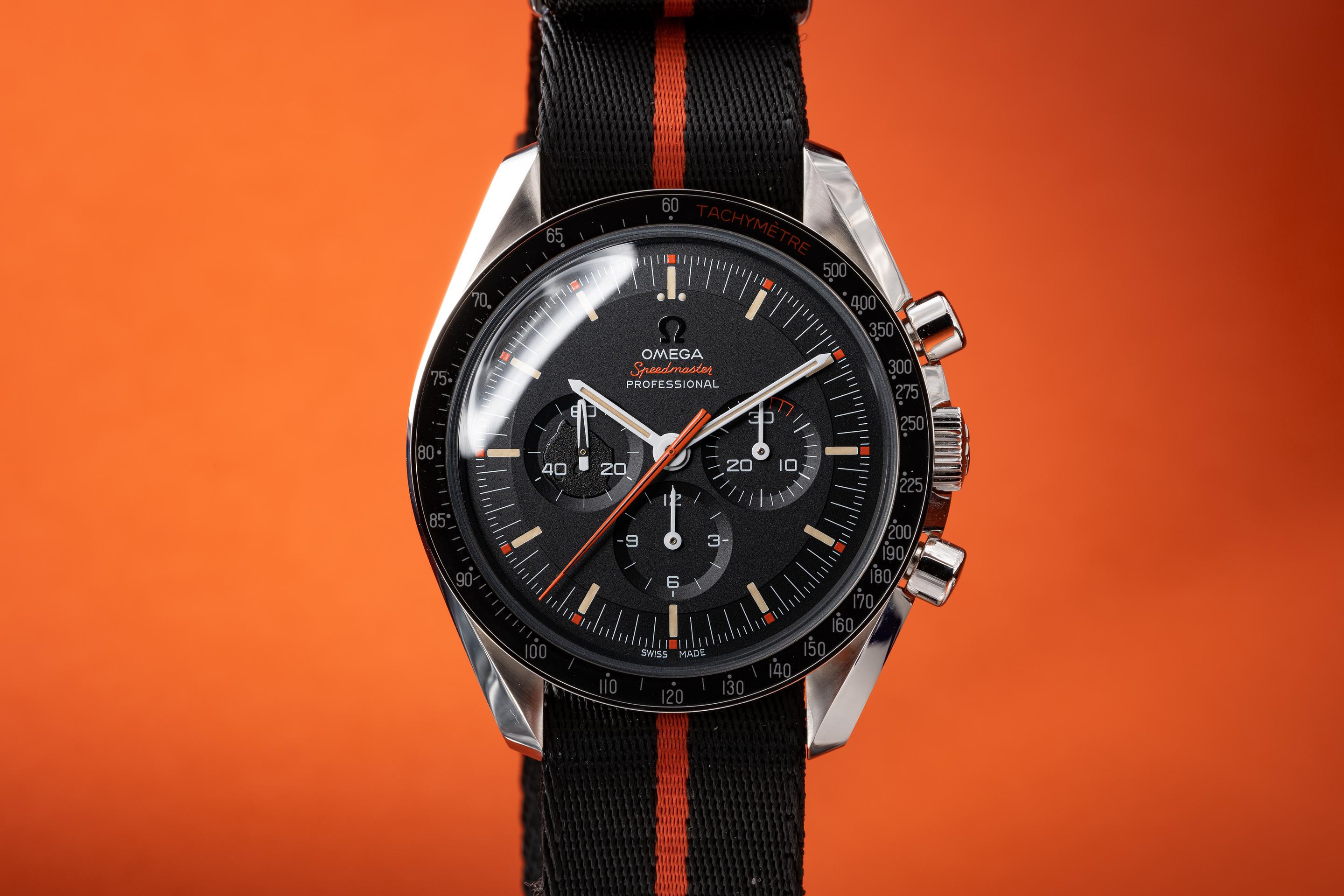


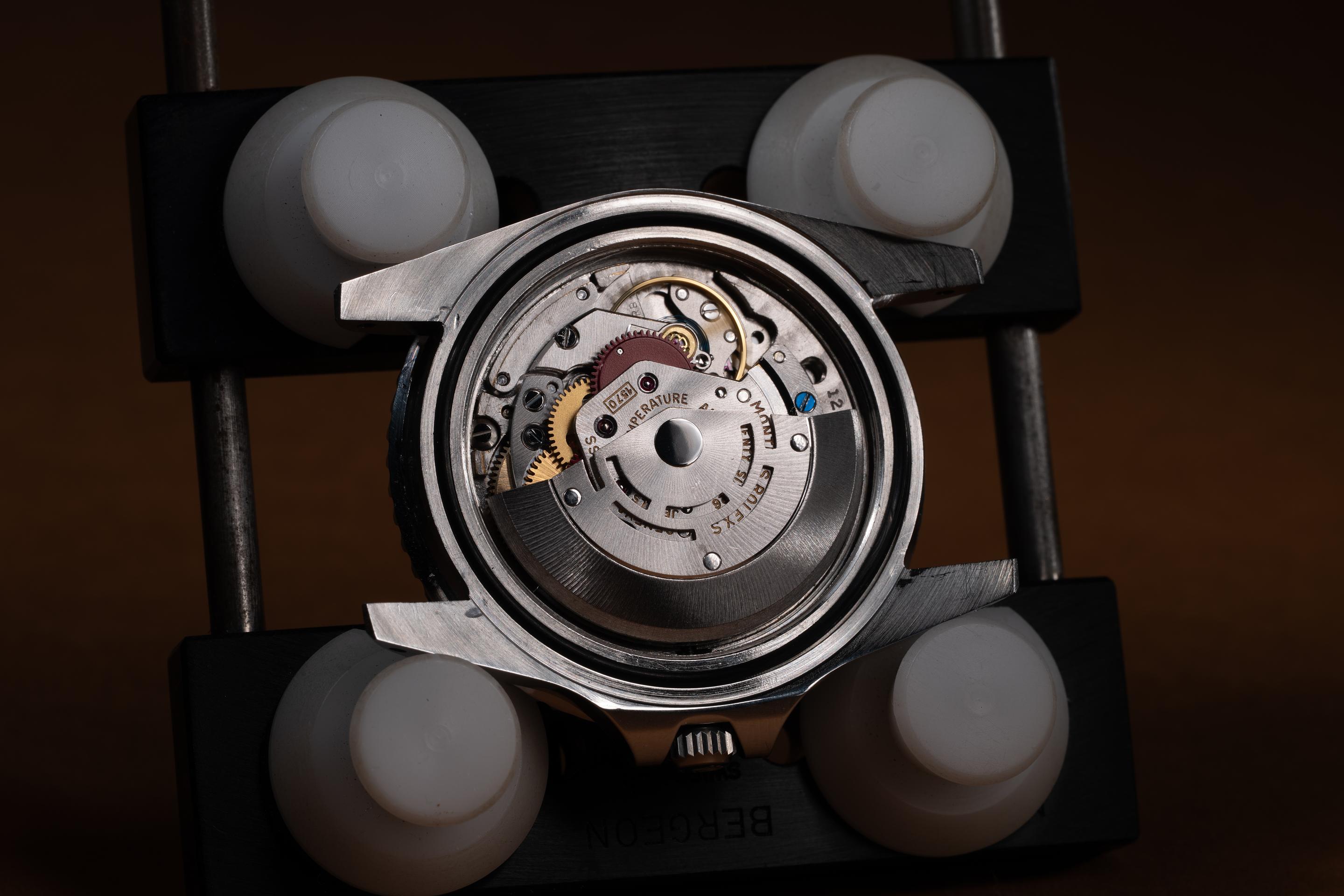













Table of Contents

Get More from the Journal