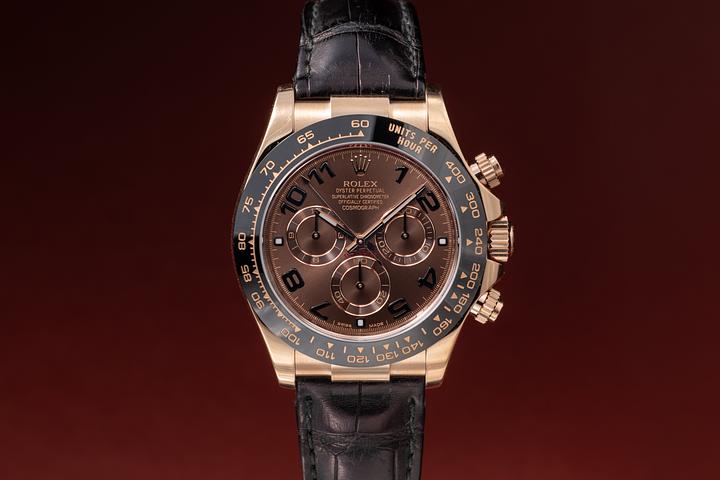
How to Sell a Patek Philippe Watch and Get Top Dollar

How to Sell a Patek Philippe Watch: Everything You Need to Know
Selling a Patek Philippe is not quite like selling any other luxury item. These are not just watches. They are financial instruments, horological landmarks, and in many cases, the most valuable portable asset a person owns. The process deserves real attention, and getting it right can mean the difference between a disappointing sale and a genuinely rewarding one. Whether you inherited a Calatrava, bought a Nautilus years ago and now want to liquidate, or simply want to understand what your collection is worth, this guide walks you through the full process from valuation to final sale.
Why Patek Philippe Watches Hold Such Strong Value
Patek Philippe has been in continuous operation since 1839, making it one of the oldest independent watch manufactures in the world. What sets the brand apart is not just craftsmanship, though that is exceptional, but scarcity. Patek Philippe intentionally limits production, which creates sustained demand across the secondary market. Models like the Nautilus 5711, the Aquanaut, and the perpetual calendar complications routinely sell at or above retail, and in some cases, well beyond. The brand itself once ran an advertising campaign built around the idea that you never actually own a Patek Philippe, you merely look after it for the next generation. That sentiment turns out to be commercially accurate. Demand does not fade with time. It tends to grow.
Know What You Have Before You Sell
Before you approach any buyer, dealer, or auction house, you need to understand exactly what you are selling. This matters more than most people realize going in. The reference number, production year, dial configuration, and movement condition all affect value in meaningful ways. A 5726A Annual Calendar in stainless steel will perform very differently on the market than a yellow gold 5940J. And within the same reference, original dials, unpolished cases, and factory service records can swing pricing significantly. Pull together everything you have: the original box, any certificates of authenticity, service paperwork, and purchase receipts. Even a partial set of documentation adds credibility and value.
Getting a Proper Valuation
A formal appraisal is worth doing before you commit to any sale channel. Independent appraisers certified through organizations like the American Society of Jewelry Appraisers or the National Association of Jewelry Appraisers can provide a written valuation that reflects current market conditions. For rare or complicated pieces, you might also reach out to major auction houses like Phillips, Christie's, or Sotheby's, as their specialists will often provide preliminary estimates at no charge when they believe a watch has consignment potential. Keep in mind that insurance valuations, replacement valuations, and fair market valuations are different figures. For selling purposes, you want a fair market value assessment, which reflects what a willing buyer would pay in the current market.
Selling Channels: Which Option Works Best for You
There is no single right answer here. Each channel has real trade-offs, and the best choice depends on your timeline, the specific reference you are selling, and how much effort you want to put in.
- Authorized Patek Philippe Dealers: Some authorized dealers will purchase pre-owned pieces, particularly if you are trading up into a new watch. The convenience is real, but the trade-in value is typically below market rate.
- Auction Houses: Phillips Watch Department in particular has become the dominant force in serious watch auctions. For rare, complicated, or historicall significant pieces, auction can produce extraordinary results. The downside is timing. Auctions move on a schedule, and seller premiums reduce your net proceeds.
- Reputable Secondary Market Dealers: Established dealers offer speed and certainty. You will typically receive a price below retail but above what an auction house might net you after fees and wait time.
- Private Sale: Selling directly to another collector maximizes your potential return but requires significant due diligence, secure payment arrangements, and trust in the transaction.
- Online Platforms: Platforms like Chrono24 or WatchBox allow you to list directly, but authentication, logistics, and negotiation fall largely on you.
The Role of Condition and Service History
Condition is not just about appearance. It is about authenticity and provenance. A Patek Philippe that has been polished aggressively has lost something that cannot be restored. Collectors and serious buyers pay a premium for watches that retain their original surfaces, sharp edges on lugs, and unaltered dials. Factory service records are equally important for complications and older pieces, as buyers want to know the movement has been maintained properly and that original components are intact. If your watch needs service, it is worth consulting a dealer before spending money on it. In some cases, sending a watch for service prior to sale can actually reduce its appeal to buyers who want to oversee that process themselves with a trusted watchmaker.
Pricing Your Patek Philippe Realistically
Pricing is where sellers most commonly go wrong, in both directions. Overpricing a watch by anchoring to outlier auction results leads to stagnant listings. Underpricing out of urgency leaves money on the table. The healthiest approach is to research current sold listings across multiple platforms, not just asking prices. Sites like Chrono24, WatchRecon, and completed auction results from Phillips or Christie's give you a realistic picture of what buyers are actually paying right now. Factor in the condition of your specific piece, its completeness, and whether demand for that reference is currently running hot or cooling. The Nautilus 5711, for example, saw extraordinary spikes after its discontinuation announcement in 2021. Markets for specific references shift, and your pricing should reflect current reality rather than historical peaks.
Protecting Yourself During the Sale Process
Luxury watch fraud is real and active. Whether you are selling privately or through a third-party platform, there are basic protections every seller should put in place. Never ship a watch before full payment has cleared in a verifiable form. Wire transfers, once confirmed by your bank, offer strong protection. Cashier's checks are frequently counterfeited and should not be accepted without verification through the issuing bank directly. For high-value transactions, an escrow service adds a layer of protection for both parties. If you are selling to a dealer or auction house, verify their reputation through the National Association of Watch and Clock Collectors or through collector community forums where transaction histories are openly discussed. Trust your instincts. Legitimate buyers do not pressure sellers into rushed decisions.
Why Tropical Watch Should Be Your First Call
When you are ready to sell, the expertise of your partner in that transaction matters as much as the watch itself. Tropical Watch has built its reputation in the vintage and luxury watch market by treating both watches and clients with the kind of care the market demands. For sellers who want a knowledgeable, transparent, and efficient experience, working with a trusted destination to sell your Patek Philippe watch means working with specialists who understand not just the mechanics of a sale but the deeper context of what makes each reference valuable. The team at Tropical Watch brings genuine enthusiasm for horology alongside serious market knowledge, which translates directly into fair, well-informed offers and a process that respects the significance of what you are selling.
Frequently Asked Questions About Selling a Patek Philippe Watch
What documents do I need to sell a Patek Philippe?
The most important documents include the original box, any included papers or certificate of origin, service records, and purchase receipts if available. A complete set significantly strengthens buyer confidence and can increase the final sale price. That said, watches without papers can still sell well if the reference is desirable and the condition is strong.
How long does it take to sell a Patek Philippe?
Timeline varies significantly by channel. Selling to an established dealer can take as little as a few days once an offer is agreed upon. Auction houses typically operate on a cycle of two to four months from consignment to sale completion. Private sales vary widely depending on how actively you market the piece and how quickly a qualified buyer is found.
Should I have my Patek Philippe serviced before selling?
Not necessarily. For many collectors, particularly those buying vintage or complicated pieces, they prefer to handle servicing themselves through a trusted watchmaker. Consult a reputable dealer first. If a service genuinely affects marketability in a positive way, it may be worth pursuing. Otherwise, disclose the service status honestly and price accordingly.
Will I get more money selling at auction or through a dealer?
It depends on the reference and market timing. Rare, complicated, or historically significant pieces often achieve higher prices at major watch auctions due to competitive bidding. However, auction houses charge seller premiums that reduce your net proceeds, and the process takes longer. Dealers offer speed and certainty, though typically at a moderate discount to the top market price.
How do I know if my Patek Philippe is authentic before selling?
Authentication should be handled by a certified watchmaker or a reputable watch dealer with specific Patek Philippe expertise. The movement, dial printing, case finishing, and reference details all serve as verification points. If there is any uncertainty, do not rely on self-assessment. A professional evaluation protects both you and the eventual buyer.
Does the age of a Patek Philippe affect its resale value?
Age can work in either direction. Vintage Patek Philippe references in strong original condition often command significant premiums among collectors. However, age alone is not a value driver. Condition, reference desirability, dial originality, and provenance all play equal or greater roles. A well-preserved vintage piece can outperform a modern production watch in the same catalog family.









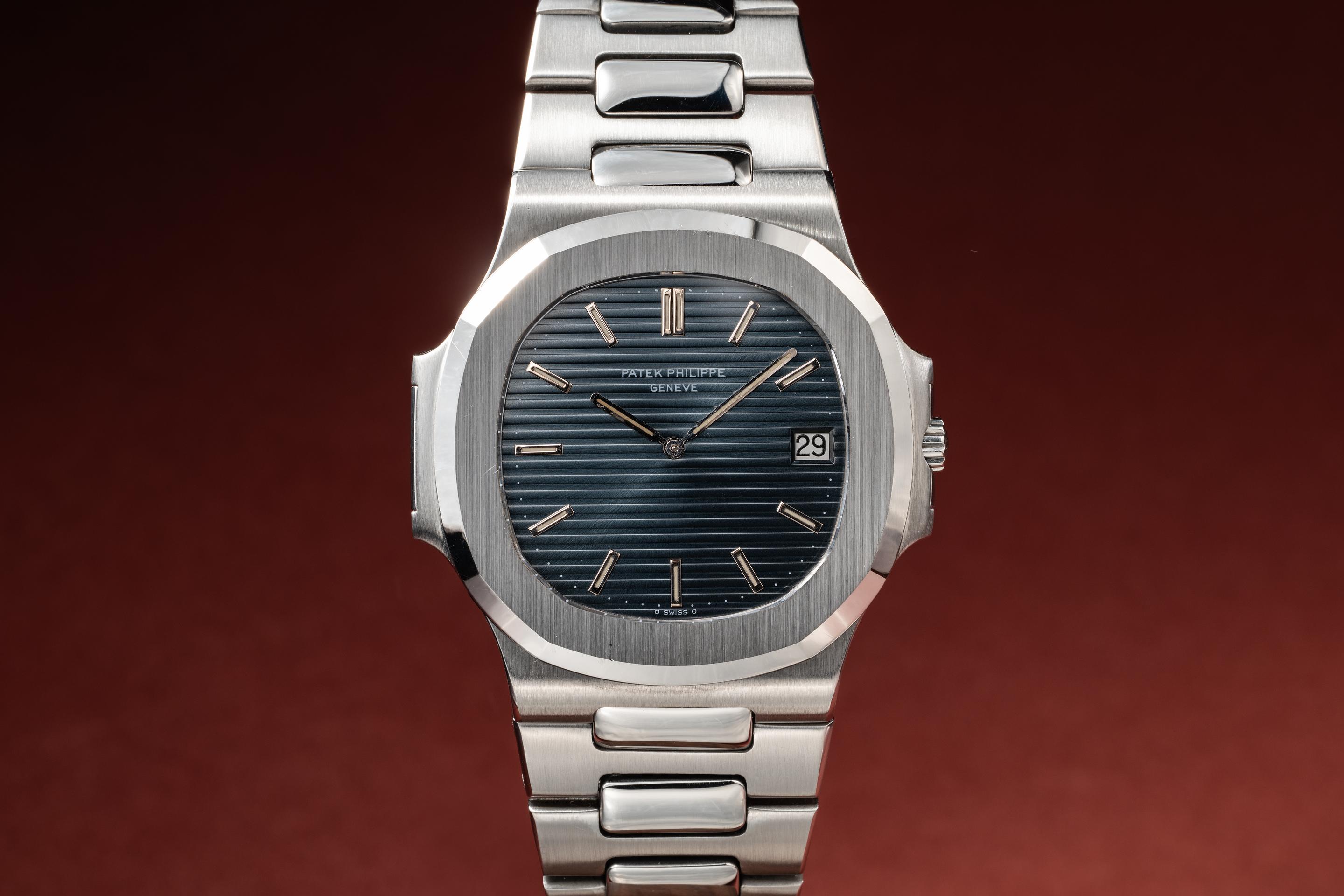




















Table of Contents

Get More from the Journal