The History of Patek Philippe: Legacy, Craft & Value

The History of Patek Philippe: Understanding One of Watchmaking's Most Iconic Brands
Few names carry as much weight in the world of luxury watches as Patek Philippe. The Geneva-based manufacture has spent nearly two centuries building a reputation that most brands only dream about. Whether you are a seasoned collector or someone just beginning to explore high-end timepieces, understanding where Patek Philippe comes from and what makes it so extraordinary is genuinely useful context. This is not just a story about watches. It is a story about craftsmanship, independence, and an almost stubborn commitment to doing things the right way.
The Founding Years: Where It All Began
Patek Philippe was founded in Geneva in 1839 by Antoni Patek and Francois Czapek, two Polish emigrants who brought with them a passion for precision mechanics. Their early partnership produced watches of notable quality, but the real turning point came in 1844 when Patek met French watchmaker Adrien Philippe at the Paris Industrial Exposition. Philippe had invented a keyless winding mechanism, which was a genuinely significant technical advancement at the time. The two men formed a partnership that would change the watchmaking industry. By 1851, the company was officially renamed Patek Philippe and Co., and the direction of the brand was set. That same year, Queen Victoria purchased two of their watches at the Great Exhibition in London, which was about as strong an endorsement as a watchmaker could hope for in the mid-nineteenth century.
The Stern Family Acquisition and What It Meant for the Brand
One chapter in Patek Philippe's history that tends to get overlooked is the transition of ownership in 1932. During the Great Depression, the company was struggling financially, as many luxury goods manufacturers were. The Stern family, who had been suppliers of watch dials to Patek Philippe for years, stepped in and purchased the company. This was a pivotal moment. The Sterns did not simply stabilize the brand. They protected it, investing in quality and long-term thinking at a time when survival instincts might have pushed another owner toward compromise. The company remains family-owned by the Sterns to this day, which is genuinely rare in an industry that has seen considerable consolidation under large conglomerates. That independence has allowed Patek Philippe to maintain standards that are entirely its own.
Iconic Complications That Defined an Era
Patek Philippe has long been associated with complicated movements, meaning watches that do far more than tell hours and minutes. Their history of innovation in this space is extensive and well-documented. Some milestones worth knowing include the following.
- The first wristwatch with a perpetual calendar, introduced in 1925
- The Calibre 89, unveiled in 1989, which contained 33 complications and was considered one of the most complex portable timepieces ever created
- The 5016, a wristwatch featuring a tourbillon, perpetual calendar, and minute repeater simultaneously
- The reference 2499 perpetual calendar chronograph, which became one of the most coveted vintage references among serious collectors
- The Star Calibre 2000, housing 21 complications and created to mark the new millennium
These are not just marketing achievements. They represent genuine feats of micro-engineering and they shaped how the broader industry thought about what a wristwatch could accomplish.
The Calatrava and Nautilus: Two Watches That Need No Introduction
When people think of Patek Philippe aesthetics, two references tend to surface immediately. The Calatrava, introduced in 1932, is considered one of the most elegant dress watches ever made. Its round case, clean dial, and restrained design have barely changed over ninety years, which says something meaningful about how well it was conceived. The Nautilus arrived in 1976, designed by Gerald Genta, and its porthole-inspired case with integrated bracelet was a radical departure from the dress watch conventions of the era. It became one of the most recognizable sports luxury watches on the market and, in the secondary market, one of the most financially significant. Both references demonstrate the range of what Patek Philippe is capable of delivering across different aesthetics and occasions.
Patek Philippe's Role in Horological Innovation
It is worth taking a moment to look at the technical side of Patek Philippe's legacy beyond the famous models. The brand holds more than 100 patents, which is a remarkable figure for a company that produces relatively modest quantities of watches each year. Among their innovations, the Gyromax balance wheel, the Spiromax balance spring made from Silinvar, and the patented crown and pusher system in their chronographs all represent genuine contributions to watchmaking science. Patek Philippe is not just selling prestige, though prestige is undeniably part of the equation. They are selling objects engineered to function at an extraordinary level for generations. That engineering history is what allows the brand to make statements like "You never actually own a Patek Philippe. You merely look after it for the next generation." That slogan resonates because the watches genuinely are built to outlast their owners.
Patek Philippe in the Auction World: Record-Breaking Results
Few brands have performed as consistently in the auction market as Patek Philippe. The reference 1518 in stainless steel sold for over eleven million Swiss francs in 2016. The Grandmaster Chime reference 6300A-010, made in stainless steel for the Only Watch charity auction in 2019, sold for over thirty-one million Swiss francs, making it the most expensive wristwatch ever sold at auction at that time. These numbers tell a story beyond luxury. They reflect genuine collector conviction in the longevity and quality of the product. The vintage market for Patek Philippe is deep and active, and certain references continue to appreciate in ways that most luxury assets do not.
What Makes Patek Philippe Worth Considering Today
If you are exploring the luxury watch market and trying to understand where Patek Philippe fits, the honest answer is that it sits at the very top of the conversation for several consistent reasons. The brand is family-owned and fiercely independent. Production is intentionally limited. Every movement is assembled and finished in-house. Resale values across both modern and vintage references are among the strongest in the industry. And the design language, particularly across the Calatrava, Nautilus, and Aquanaut lines, has proven durable across decades. For someone looking to purchase a watch that functions as both a meaningful object and a sound long-term holding, Patek Philippe is a logical and well-supported choice.
Exploring Patek Philippe Through the Vintage Market
For collectors who want to access the depth of Patek Philippe history, the vintage market offers an entirely different dimension. Early Calatrava references from the 1940s and 1950s, vintage perpetual calendars, and early chronograph references represent an opportunity to own a piece of the brand's actual history rather than a contemporary interpretation of it. Acquiring vintage Patek Philippe watches requires careful research, authentication knowledge, and access to reputable dealers who can speak to provenance and condition in honest terms. If you are serious about exploring that space, working with a trusted source is not optional. It is fundamental. At Tropical Watch, a destination known for its expertise in authenticated vintage luxury watches from prestigious Swiss manufacturers, you gain access to a curated selection paired with genuine expertise and transparent sourcing. Whether your interest is a vintage Patek Philippe perpetual calendar or a specific reference you have been tracking for years, the knowledge and inventory available through Tropical Watch makes it a resource worth knowing.
Frequently Asked Questions About Patek Philippe
When was Patek Philippe founded?
Patek Philippe was founded in Geneva, Switzerland in 1839 by Antoni Patek and Francois Czapek. Adrien Philippe joined the partnership in 1845, and the company took its current name, Patek Philippe and Co., in 1851.
Who owns Patek Philippe today?
Patek Philippe is privately owned by the Stern family, who acquired the company in 1932. It remains one of the last major independent Swiss watch manufacturers not owned by a larger luxury conglomerate.
Why are Patek Philippe watches so expensive?
Patek Philippe watches are expensive because of their in-house movement manufacturing, extensive hand finishing, limited production quantities, long history of technical innovation, and consistent performance in the secondary market. The price reflects both the cost of production and the brand's established value over time.
What is the most famous Patek Philippe watch?
The Nautilus, designed by Gerald Genta and introduced in 1976, and the Calatrava, introduced in 1932, are arguably the most recognized references. The Grandmaster Chime is widely regarded as the most technically complex watch the brand has produced.
Do Patek Philippe watches hold their value?
Yes. Patek Philippe consistently ranks among the best-performing watch brands in terms of value retention and appreciation. Certain vintage references have sold at auction for multiples of their original retail price, and even modern references tend to hold strong resale values.
What should I know before buying a vintage Patek Philippe?
Before purchasing a vintage Patek Philippe, you should research the specific reference thoroughly, understand what original parts and documentation should accompany the watch, and purchase only from dealers who can provide credible provenance and authentication. Condition, originality, and service history all affect both value and long-term satisfaction.


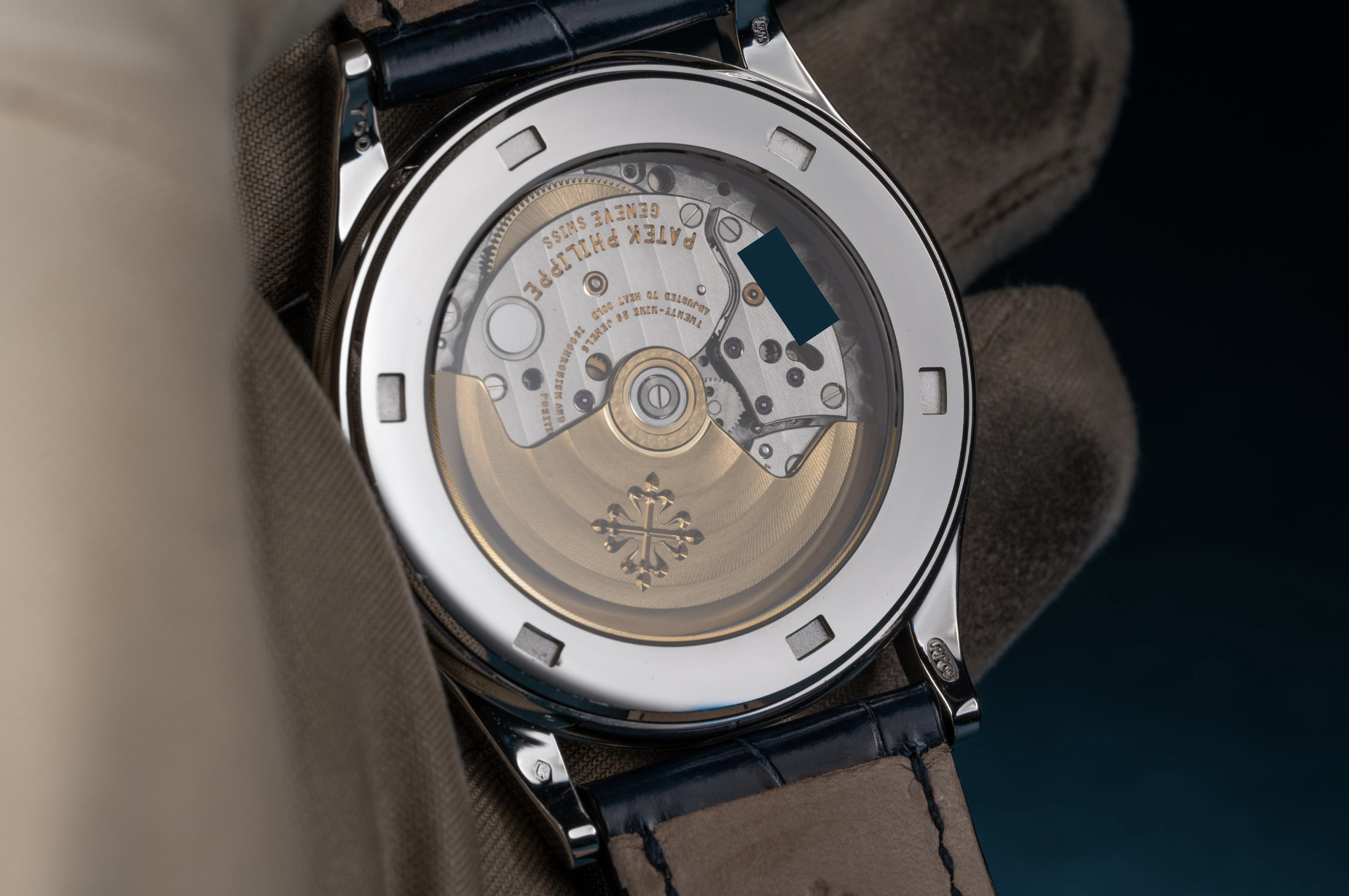

















Table of Contents
Get More from the Journal