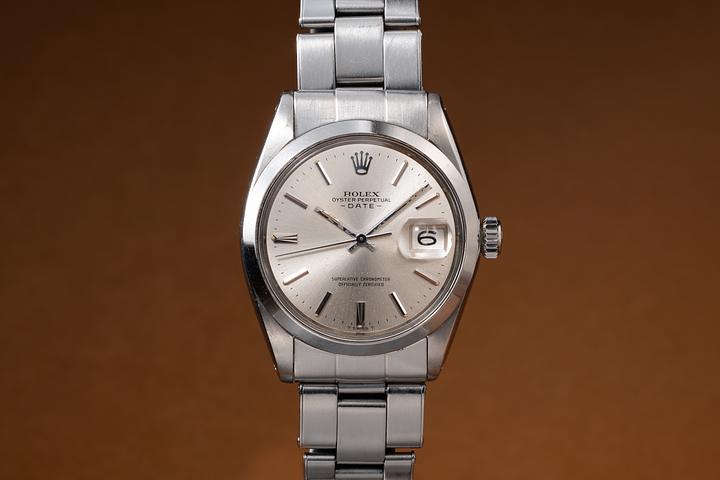
The Rolex Fix: Keeping Time with Swiss Precision and Care

Understanding Rolex Service Intervals: What Every Owner Should Know
There is something quietly remarkable about owning a Rolex. It sits on your wrist day after day, tracking every meeting, every trip, every ordinary Tuesday that turns into something worth remembering. And because it does all of that so reliably, it is easy to forget that it needs attention. Rolex built these watches to last — but lasting well requires care. Knowing when and why to service your timepiece is not just smart ownership. It is respect for the craft that went into making it.
How Often Should a Rolex Be Serviced
Rolex officially recommends servicing your watch approximately every ten years, though this can vary depending on the model, how often you wear it, and the conditions it is exposed to. Older movements, particularly those from the 1950s through the 1980s, may benefit from more frequent attention — closer to every five to seven years. This is not arbitrary. The oils that lubricate a mechanical movement break down over time, and when they do, friction increases, accuracy suffers, and components begin to wear in ways that compound quietly until something fails. Staying ahead of that curve is always the more economical and sensible choice.
What a Full Rolex Service Actually Involves
A complete Rolex service is far more involved than most people realize. It is not a quick clean and a battery swap. Because Rolex movements are mechanical, the process requires a trained watchmaker to fully disassemble the movement, clean each component ultrasonically, inspect for wear, replace worn parts, re-lubricate, and reassemble with precision tolerances that leave very little margin for error. The case and bracelet are then polished or brushed according to the original finish, gaskets are replaced to restore water resistance, and the watch is timed across multiple positions to confirm it meets performance standards. The full process can take anywhere from several days to several weeks depending on the complexity of the movement and the parts required.
Signs Your Rolex Needs Service Sooner Rather Than Later
Most Rolex watches will not announce loudly that something is wrong. The signs tend to be subtle. A watch that is gaining or losing more than a few seconds per day when it was previously accurate is one of the clearer indicators. Condensation or moisture inside the crystal is a more urgent signal, pointing to a compromised seal. A crown that feels stiff or a winding rotor that sounds gritty may suggest lubrication has degraded. And if a watch has simply been sitting unworn in a drawer for several years, it should be inspected before being pressed back into regular rotation, regardless of how it looks on the outside.
The Risks of Delaying a Rolex Service
Postponing a necessary service is one of the most common and costly mistakes Rolex owners make. When oils dry out and friction increases, the movement compensates by working harder, which accelerates wear on components that are expensive and sometimes difficult to source for older calibers. A watch that needed a routine service at the five-year mark can become a much more involved repair project by year eight or nine. Beyond mechanical concerns, water resistance degrades over time as gaskets age and compress. A watch that was once rated to 100 meters of water resistance may offer significantly less protection after years without fresh seals. The cost of a proper service is almost always far less than the cost of repairing preventable damage.
Rolex Service Options: Authorized Dealers vs. Independent Watchmakers
When it comes to servicing a Rolex, owners generally have two paths: an authorized Rolex service center, or a qualified independent watchmaker. Each option has its merits and trade-offs worth understanding before making a decision.
Authorized Rolex Service Center uses genuine OEM parts and follows Rolex-certified procedures Authorized service typically includes a two-year service warranty Wait times at authorized centers can range from weeks to several months Independent watchmakers often offer faster turnaround and more competitive pricing A skilled independent watchmaker can be the right choice for vintage Rolex owners who want to preserve original parts Always verify credentials, ask to see certifications, and request references before trusting any watchmaker with your timepieceFor vintage Rolex watches specifically, the question of who performs the service is especially important. Authorized centers may replace original components with modern equivalents, which can affect the watch's collectibility and value. Many serious collectors prefer working with independent specialists who understand the importance of preserving patina, original dials, and period-correct components.
Caring for Your Rolex Between Service Appointments
Proper care between services extends the life of the movement and helps maintain accuracy over time. Rolex watches are built to handle real-world use, but thoughtful habits make a genuine difference. Rinsing the watch with fresh water after salt water exposure, keeping the crown fully screwed down on Oyster case models, avoiding extreme magnetic fields from speakers or electronics, and storing the watch away from direct sunlight when not in use are all simple practices that pay dividends over the long term. For owners who rotate between multiple watches, a quality watch winder can help keep automatic movements running smoothly during periods of inactivity, though opinions vary on whether this is necessary for every model.
How to Maintain Your Rolex Bracelet and Case
The bracelet and case deserve as much attention as the movement itself. Rolex bracelets, particularly the Oyster and Jubilee designs, are precision-engineered and can stretch over time with daily wear. Many authorized service centers will offer bracelet adjustment and link tightening as part of a full service, which can restore the original fit and feel significantly. For routine cleaning at home, a soft brush with mild soapy water works well for removing buildup in the bracelet links, particularly around the clasp. Avoid abrasive cloths or harsh chemicals, which can dull the finish. If the case or bracelet has developed deep scratches that detract from its appearance, professional polishing during a service appointment is the appropriate solution — though many collectors deliberately choose to preserve signs of honest wear.
Why Rolex Holds Its Value and What That Means for Servicing Decisions
Rolex is one of the few watch brands that consistently holds or appreciates in value over time. Certain references, particularly vintage models with original unrestored dials, have become legitimate investment assets. This dynamic makes servicing decisions more nuanced than they might seem at first. A well-documented service history can add to a watch's appeal and resale value by demonstrating that the movement has been properly maintained. Conversely, a service that replaces original components or alters the case finish without the owner's consent can reduce value among collectors. Understanding what you are authorizing before handing your watch over to any service provider is essential, not just for mechanical reasons but for preserving the watch's story and market standing.
Find the Right Rolex for Your Collection at Tropical Watch
If this article has deepened your appreciation for what goes into owning and maintaining a Rolex properly, then perhaps it is also the right moment to consider what your next acquisition might be. Tropical Watch is a trusted destination for collectors and enthusiasts who understand that not all Rolex watches are created equal, and that the right piece, properly cared for, can be one of the most rewarding purchases you will ever make. Whether you are drawn to the timeless appeal of a vintage Submariner, the elegance of an early Datejust, or a rare dial variant that tells a unique chapter of horological history, exploring the curated selection of vintage and collectible Rolex watches available at Tropical Watch is a natural next step for anyone serious about building a meaningful collection. The team brings genuine expertise to every piece, and the inventory reflects a deep respect for originality, condition, and provenance that serious buyers will recognize immediately.
Frequently Asked Questions About Rolex Servicing and Care
How do I know if my Rolex needs a service?
Common signs include noticeable changes in timekeeping accuracy, moisture or condensation under the crystal, a stiff or difficult-to-operate crown, unusual sounds from the movement or rotor, or the watch simply having exceeded its recommended service interval of approximately ten years.
How long does a Rolex service take?
A full service at an authorized Rolex service center typically takes between four and eight weeks, though this varies by location and current demand. Independent watchmakers may offer faster turnaround depending on parts availability and workload.
Does servicing a Rolex affect its value?
A documented service history generally supports resale value by demonstrating proper maintenance. However, services that replace original components, particularly on vintage references, can reduce collectibility. Always discuss parts sourcing with your watchmaker before authorizing any work.
Can I service my Rolex myself?
Rolex movements are highly complex and servicing them requires specialized tools, training, and a dust-controlled environment. Attempting a DIY service without professional expertise risks damaging components that are costly to replace. Professional service is always the recommended approach.
How much does a Rolex service cost?
Service costs vary depending on the model, the extent of work required, and the service provider. Authorized Rolex service centers typically charge between several hundred and over a thousand dollars for a full service. Independent watchmakers may offer more competitive pricing depending on the caliber and condition of the watch.
Should I service a vintage Rolex before selling it?
Not necessarily. Many collectors prefer purchasing a vintage Rolex with an unserviced but original movement so they can oversee the process themselves. If the watch is running accurately and shows no mechanical issues, a service immediately prior to sale may not be required and could, in some cases, reduce buyer confidence regarding the originality of components.