Cartier Santos: Aviation Heritage Meets Timeless Design

The Cartier Santos: A Watch Born From Adventure and Refined by Time
There are watches that tell time, and then there are watches that tell a story. The Cartier Santos sits firmly in the second category. Created in 1904 for Brazilian aviator Alberto Santos-Dumont, the Santos is widely recognized as one of the first wristwatches ever designed for a man. That is not a marketing claim. That is recorded history. Santos-Dumont needed a way to check the time without taking his hands off the controls of his aircraft, and his close friend Louis Cartier answered with a solution that would reshape how the world wore time. Over a century later, the Santos remains one of the most iconic and recognizable watches in the luxury category, carrying a legacy that few timepieces can match.
Who Was Alberto Santos-Dumont and Why Does He Matter to This Watch
Understanding the Santos watch requires understanding the man it was named after. Alberto Santos-Dumont was a pioneer in aviation during the early twentieth century, celebrated across Europe and especially in France for his daring experiments with airships and heavier-than-air flying machines. He was charming, eccentric, and deeply committed to pushing the limits of what was technically possible. His friendship with Louis Cartier was genuine, and the watch that emerged from their conversation was not a commercial product at first. It was a personal solution to a practical problem. That origin story matters because it grounds the Santos in something real. This was not a watch designed to impress at a dinner table. It was built to function under pressure, literally in the air. That spirit of purpose and precision has carried through every generation of the Santos ever since.
What Makes the Cartier Santos Design So Distinctive
The Santos has a visual language that is immediately recognizable, even to people who do not follow luxury watches closely. The square case with rounded corners, the exposed screws on the bezel, and the integrated bracelet create a silhouette that feels architectural and modern even though it has been around for well over a hundred years. The screws on the bezel are probably the most discussed design element. They serve no technical function in the traditional sense, but they reinforce the idea that this watch was built to do something, that it has structure and purpose beneath its elegant surface. Cartier has introduced the Santos in various sizes, materials, and dial configurations over the decades, but the core geometry has remained consistent. That kind of design discipline is rare in watchmaking, and it is a large part of why the Santos has never needed a reinvention.
The Evolution of the Santos Across Decades
The Santos was first sold commercially in 1911, and it went through several quiet evolutions before Cartier relaunched it in 1978 with the Santos de Cartier, which introduced the steel and gold two-tone option that became a signature look of that era. That version became enormously popular through the 1980s and sat on the wrists of executives, athletes, and collectors around the world. In 2004, Cartier celebrated the centennial of the original design with a commemorative edition that reminded a new generation just how significant this watch really was. Then in 2018, Cartier introduced what is considered the most refined modern iteration, featuring an innovative QuickSwitch bracelet system that allows the wearer to swap between a metal bracelet and a leather strap in seconds without tools. That update modernized the Santos without compromising its identity, which is a genuinely difficult balance to strike.
Cartier Santos Materials and Specifications Worth Knowing
The contemporary Santos collection is available in several configurations that suit different preferences and budgets within the luxury segment. Here is a breakdown of key options currently offered:
- Stainless steel with integrated link bracelet
- Two-tone stainless steel and yellow gold
- 18k yellow gold or rose gold editions
- Small, medium, and large case sizes to accommodate different wrist profiles
- Skeletonized dial options showcasing internal movement architecture
- Automatic movement with approximately 40-hour power reserve
- Sapphire crystal with anti-reflective coating
- Water resistance rated to 100 meters on most configurations
The movement inside the Santos is the Cartier Manufacture caliber 1847 MC in many current models, which is an in-house automatic movement that reflects the brand's growing commitment to movement development. For decades, Cartier relied on third-party movements, so the transition to in-house calibers has been a meaningful shift in the brand's watchmaking identity.
The Santos as a Collectible and Its Place in the Vintage Market
Vintage Santos watches from the 1970s and 1980s have developed a devoted collector following, particularly the early Santos de Cartier models in two-tone configuration. These watches represent a very specific aesthetic moment in luxury design, and they have held their value with quiet consistency. Collectors tend to look for original dials, intact bracelets, and service history when evaluating vintage examples. The Santos does not command the same speculative premiums that certain Rolex references attract, which actually makes it approachable for collectors who want something historically significant without navigating an overheated resale market. That accessibility, combined with genuine historical depth, makes the Santos an intelligent choice for someone entering the vintage watch space.
How the Cartier Santos Compares to Other Luxury Sport Watches
The Santos occupies an interesting position in the luxury watch market. It predates the sport watch category as we understand it today, and yet it functions comfortably alongside modern sport-luxe references like the Audemars Piguet Royal Oak and the Patek Philippe Nautilus. Where those watches lean into technical horology as a primary selling point, the Santos carries the additional weight of aviation heritage and design history. For buyers who want a watch with genuine narrative depth and an aesthetic that communicates sophistication without being conventional, the Santos presents a compelling argument. It wears well in both formal and casual settings, the bracelet sits comfortably on the wrist, and it generates the kind of quiet recognition from people who actually know watches rather than just loud brand visibility.
Tips for Buying a Cartier Santos
Whether purchasing new from an authorized retailer or exploring the pre-owned market, there are a few things worth keeping in mind when buying a Santos:
- Verify authenticity through serial numbers and documentation when buying pre-owned
- Examine the bracelet for stretch, as link bracelets show wear in the tolerances between links
- Check the crown and pushers on models with complications for smooth operation
- Request service records if available, particularly for vintage examples
- Confirm the dial is original and unrestored for vintage collectors
- Compare case sizes in person before deciding, as the Santos reads differently on the wrist than in photographs
Buying from a reputable dealer with a clear return policy and authentication process is the most reliable way to protect both your investment and your confidence in the purchase.
Why Tropical Watch Is the Right Partner for Your Luxury Watch Journey
When you are looking at a watch with the kind of history and nuance that the Santos carries, the source of your purchase matters as much as the watch itself. Tropical Watch has built its reputation on exactly this kind of expertise, offering collectors and enthusiasts access to carefully vetted luxury and vintage timepieces with the depth of knowledge to back every transaction. If the Santos has sparked your interest in exploring broader watch history, you will find that Tropical Watch connects that curiosity to real inventory and genuine expertise. For anyone serious about building a collection or making a first meaningful luxury purchase, working with trusted vintage and luxury watch dealers with deep horological knowledge is the clearest path to buying with confidence and without regret.
Frequently Asked Questions About the Cartier Santos
Is the Cartier Santos a good investment watch?
The Cartier Santos holds its value reliably, particularly vintage models from the 1970s and 1980s. While it does not typically see the sharp appreciation of certain Rolex references, it is a stable and historically significant piece that tends to retain value well over time, especially when kept in good condition with original components.
What is the difference between the Santos and the Santos-Dumont?
The Santos de Cartier is the broader collection that includes sport-oriented models with integrated bracelets, while the Santos-Dumont is a thinner, dress-oriented version designed for formal wear. The Santos-Dumont uses a manual winding movement and features a more streamlined profile suited to wearing under a shirt cuff.
How do I know what size Cartier Santos to buy?
Cartier offers the Santos in small, medium, and large case sizes. The medium case suits most wrist sizes well and is the most versatile option. It is strongly recommended to try the watch on in person before purchasing, as the square case proportions can feel different from round-cased watches of similar diameter.
Can you swim with a Cartier Santos?
Most current Santos models are rated to 100 meters of water resistance, which makes them suitable for swimming and light water exposure. They are not designed for diving or high-impact water sports. It is worth confirming the specific water resistance rating of the model you are considering, as specifications can vary.
What movement does the modern Cartier Santos use?
Many current Cartier Santos models are powered by the in-house Caliber 1847 MC, an automatic movement developed and manufactured by Cartier. It offers approximately 40 hours of power reserve and reflects the brand's increased investment in developing its own horological capabilities.
Why does the Cartier Santos have screws on the bezel?
The exposed screws on the Santos bezel are a design element that traces back to the original 1904 design. They were part of a visual language that evoked the industrial and mechanical world of aviation that inspired the watch. They do not serve a structural function but have become one of the most iconic and recognizable details in luxury watch design.















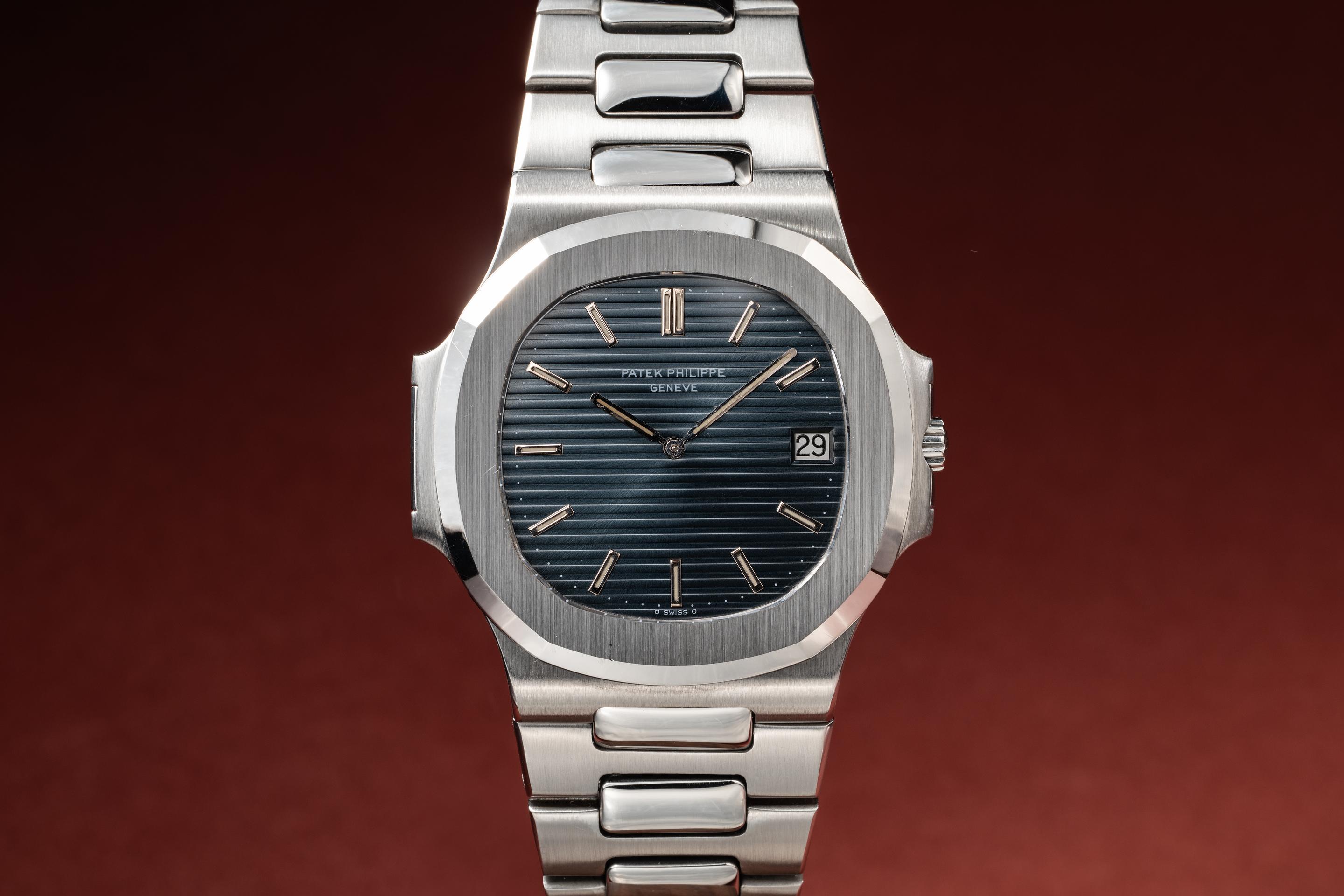


















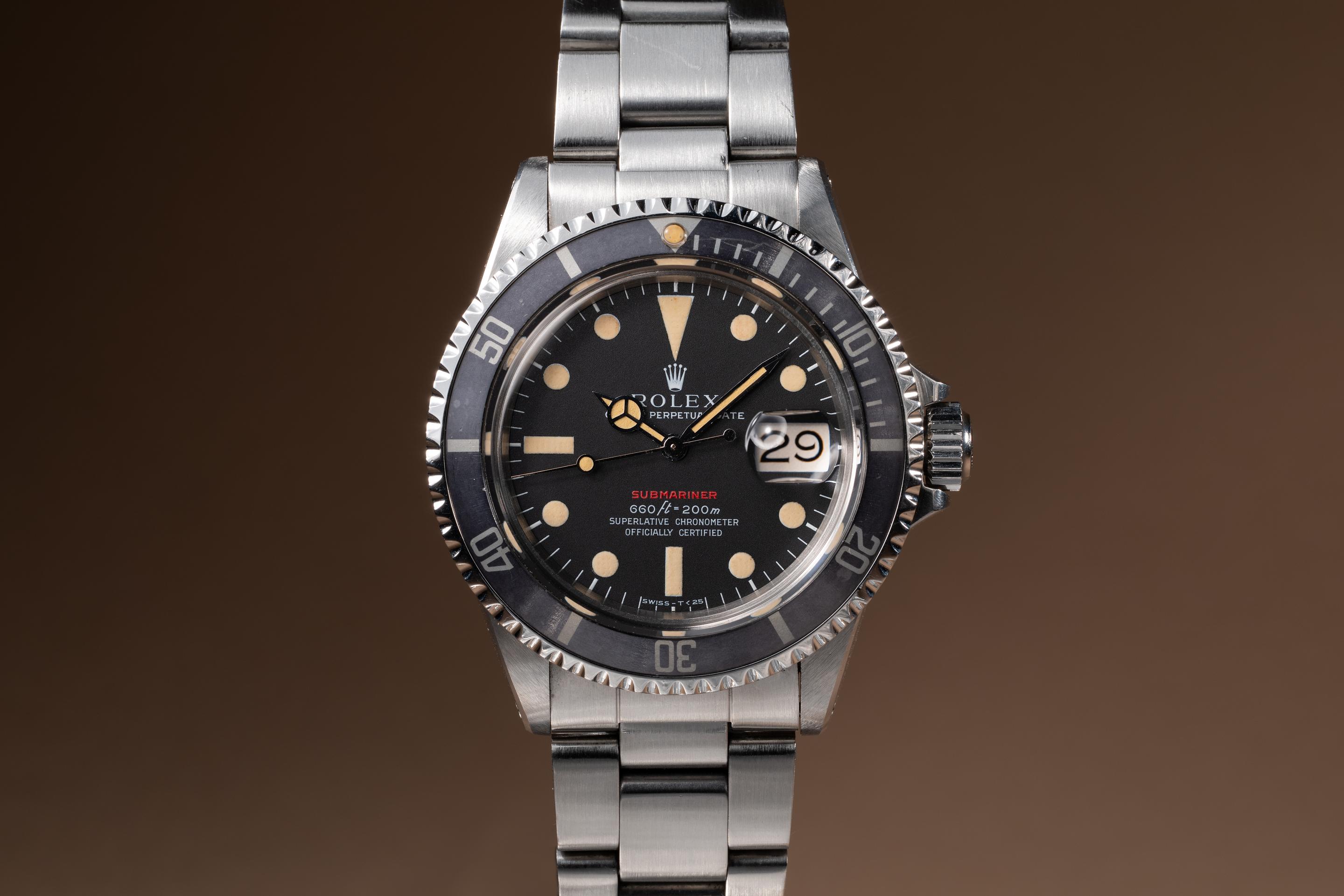
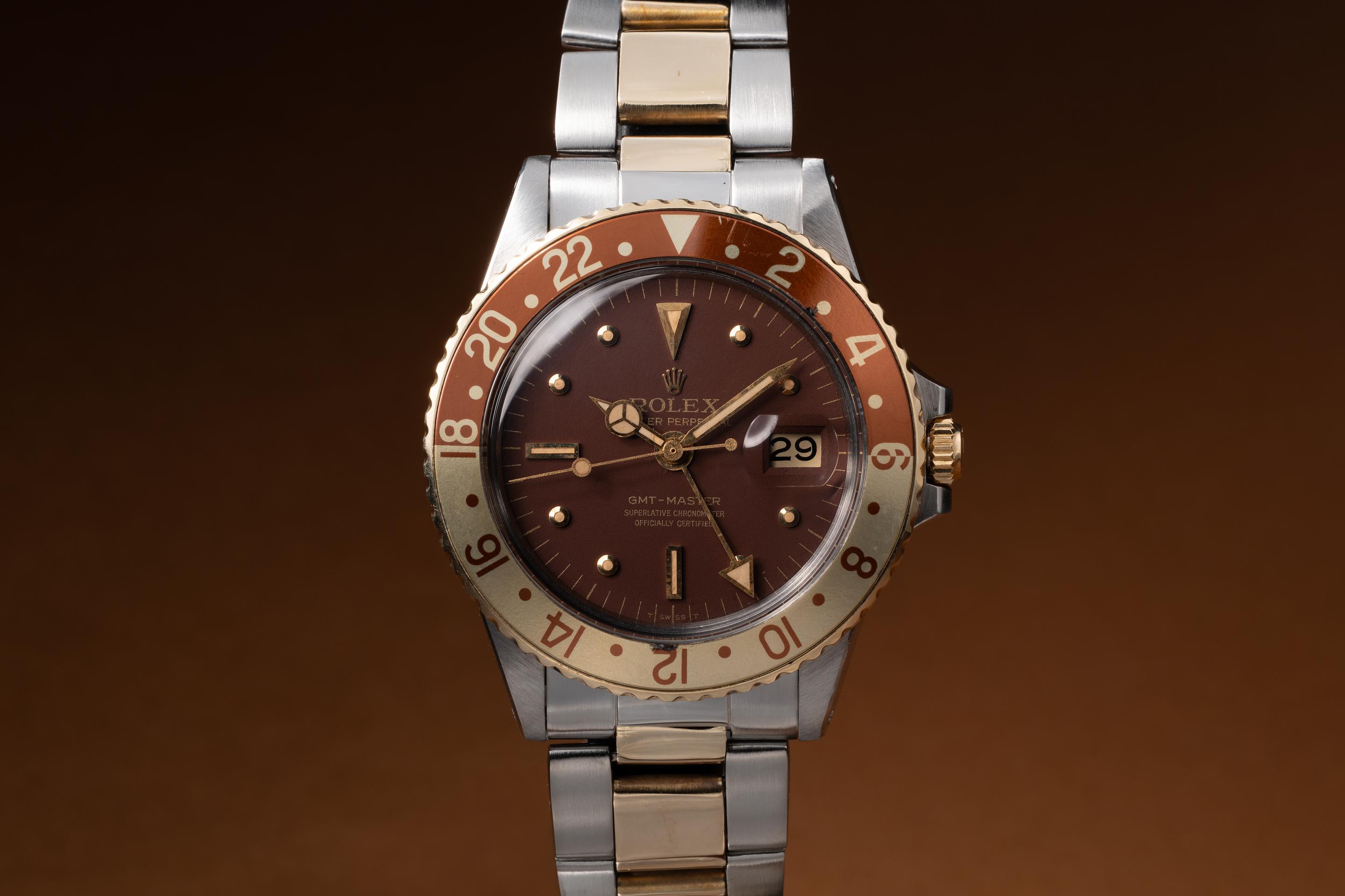

Table of Contents

Get More from the Journal