Rolex Bracelet Types Explained: Craft, Legacy, and Innovation
What Makes a Rolex Bracelet More Than Just a Strap
When most people think about a Rolex, they picture the dial first. The color, the complications, maybe the bezel. But spend any real time in the world of luxury watches and you start to realize something — the bracelet is doing a lot of the heavy lifting. It defines how the watch sits on your wrist, how it feels throughout the day, and honestly, how the entire piece reads aesthetically. Rolex has spent decades engineering its bracelet types with the same obsessive precision applied to its movements. Understanding the differences between them is not just useful trivia. It is genuinely helpful when you are trying to make a smart, informed purchase decision. So here is a proper breakdown of the major Rolex bracelet types, where they came from, and what makes each one worth knowing about.
The Oyster Bracelet: Rolex's Foundation in Steel
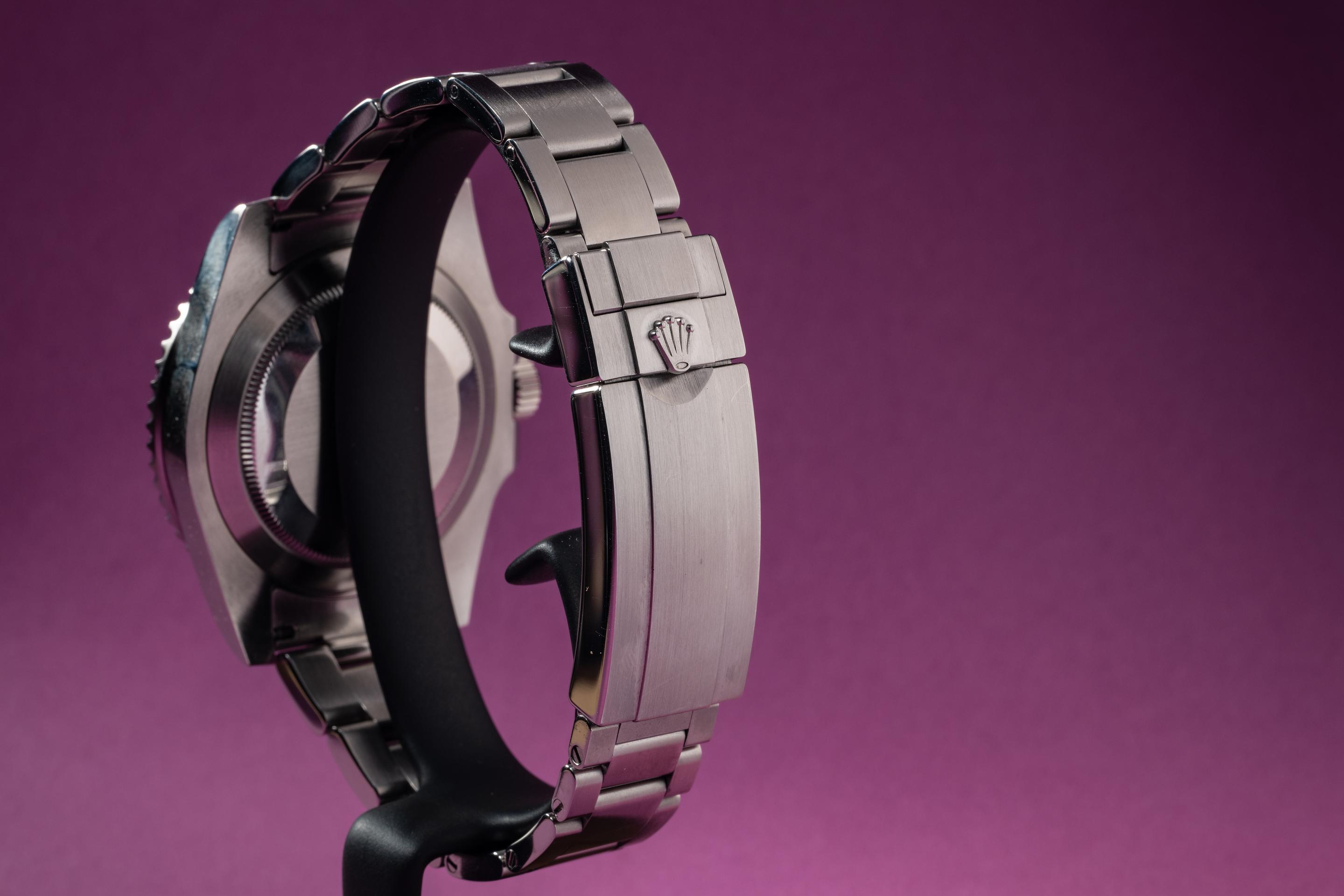
The Oyster bracelet is the one most people picture when they think of Rolex. It launched in 1947 and has since become one of the most recognized watch bracelets in history. Its design is built around three flat, broad links — a center link flanked by two outer links — that give it a solid, substantial look without feeling overwrought. The Oyster is the bracelet of choice for the Submariner, the Explorer, the GMT-Master II, and the Daytona, among others. It is sports-oriented in spirit but refined enough for professional settings. Over the decades, Rolex has refined the Oyster significantly. Modern versions feature the Glidelock extension system, which allows for fine adjustment at the clasp in 2mm increments — something that matters more than you might think when you are wearing the watch over a wetsuit or just dealing with wrist fluctuation throughout the day. The bracelet is also crafted in Oyster steel, which Rolex refers to as 904L stainless steel — a corrosion-resistant alloy that takes a higher polish and holds it longer than the 316L steel used by most of the industry. It is a seemingly small detail that reflects exactly how Rolex thinks about materials.
The Jubilee Bracelet: Elegance Engineered for Comfort
The Jubilee bracelet debuted in 1945, specifically designed to accompany the launch of the Datejust — Rolex's first self-winding chronometer wristwatch with a date display. The five-piece link construction, with a wider center link flanked by two smaller outer links on each side, gives the Jubilee a dressier, more fluid appearance than the Oyster. It drapes over the wrist differently too, with a suppleness that many collectors find exceptional for all-day wear. The Jubilee has a long association with the Datejust and the Day-Date, though it has appeared across other references over the years. When collectors talk about a vintage Datejust, the Jubilee bracelet is almost always part of the conversation. What is interesting is that despite its dress-watch reputation, the Jubilee is mechanically precise. Rolex does not cut corners on what might be considered the secondary components. The clasp systems, the finishing, the tolerances — all of it reflects the same standards as the case and movement.
The President Bracelet: Dressed for Ceremony
The President bracelet was introduced in 1956 alongside the Day-Date, which remains the only Rolex model to wear it exclusively. The design features three semi-circular, rounded links that give it a distinctly smooth, almost sculptural profile. It was named in reference to Dwight D. Eisenhower, who reportedly received a Rolex Day-Date as a gift around that time, cementing the bracelet's association with influence and prestige. Even today, the Day-Date is colloquially known as the President watch, largely because of this bracelet. The President bracelet is only available in precious metals — 18-karat yellow gold, white gold, or Everose gold — which further underlines its positioning at the absolute top of Rolex's lineup. There is no steel version. There is no budget entry point. It exists in its own category, and collectors and buyers who seek it out typically know exactly what they are looking for.
The Pearlmaster Bracelet: A Study in Refined Detail
The Pearlmaster bracelet was developed for the Pearlmaster collection, which launched in 1992. This collection sits within Rolex's more jewel-set, high-complications territory, and the bracelet design reflects that positioning. It features five rounded links of different widths, creating a softly curved, almost undulating silhouette that is distinct from everything else Rolex makes. The Pearlmaster is produced exclusively in precious metals and is often set with diamonds or other gemstones across the bracelet links themselves. It is worth noting that while the Pearlmaster bracelet is not as broadly known as the Oyster or Jubilee, it represents a significant investment in craft. The gem-setting work on some configurations is genuinely extraordinary, requiring skilled artisans and substantial time to execute. For buyers who want something maximally expressive from Rolex, this is the bracelet to study.
Rolex Bracelet Materials: What You Are Actually Wearing
Rolex produces bracelets in a range of materials, and the choice of material affects not just the look but the long-term ownership experience. Here is a practical overview of what is available:
Oystersteel (904L stainless steel) — Used across sport and professional models, it is harder, more corrosion-resistant, and takes a better polish than standard steel 18k Yellow Gold — A classic precious metal option available on the Jubilee, President, and Pearlmaster 18k White Gold — Offers a cooler, more contemporary precious metal finish Everose Gold — Rolex's proprietary rose gold alloy, developed to resist fading and maintain its color over decades Two-tone combinations (Rolesor) — Pairs Oystersteel with either yellow gold or Everose gold, available on models like the Datejust and GMT-Master IIThe material choice is one of the first decisions a buyer faces and it has real implications for resale value, durability, and long-term wearability. Two-tone configurations, for example, have gone through cycles of popularity and are currently highly sought after in both the new and vintage markets.
How Rolex Bracelets Have Evolved Over Time
Vintage Rolex bracelets tell a story of incremental refinement. Early Oyster bracelets used what are known as riveted links — individual links held together by small pins rather than solid end links. These bracelets have a distinct, slightly loose feel compared to modern versions and are highly collectible in original, unpolished condition. The transition to folded and then solid end links over the decades improved durability and feel considerably. Clasp technology also advanced steadily. The Oysterlock clasp, which features a safety mechanism to prevent accidental opening, was a meaningful development for professional divers. The Crownclasp and Fliplock systems similarly improved security without sacrificing ease of use. For vintage collectors, bracelet originality is a significant factor in a watch's overall value. A Submariner with its original, matching-date bracelet will command a premium over the same watch fitted with a replacement. This is something any serious buyer should factor into their due diligence.
Matching Bracelets to the Right Rolex Reference
Choosing the right Rolex partly means understanding which bracelet is appropriate for which model and lifestyle. The Oyster bracelet on a Submariner or GMT-Master II is purpose-built for active wear — water-resistant, secure, and easy to adjust. The Jubilee on a Datejust transitions effortlessly from the office to a formal dinner. The President on a Day-Date signals that the wearer is not merely interested in a watch — they are interested in a statement. If you are new to Rolex, it is worth trying different bracelet types in person when possible. The way a Jubilee drapes versus the way an Oyster sits flat against the wrist are genuinely different tactile experiences. Neither is objectively better — they serve different purposes and suit different preferences.
Why Tropical Watch Is the Right Source for Rolex Bracelet Knowledge and Vintage Pieces
If the history and craftsmanship behind Rolex bracelet types has deepened your interest — and it should — then the next step is finding a source you can trust to help you act on that knowledge with confidence. Tropical Watch has built a reputation as a premier destination for collectors and enthusiasts who take vintage Rolex seriously. Whether you are searching for a Datejust with an original Jubilee bracelet, a President-cased Day-Date in yellow gold, or a sport reference with its matching riveted Oyster, the depth of inventory and expertise at Tropical Watch is genuinely difficult to match. If you are ready to explore authenticated vintage examples with the kind of detail-oriented curation that bracelet collectors demand, browsing the collection of vintage Rolex watches with original bracelets at Tropical Watch is an excellent place to start. The team understands that bracelet originality, condition, and reference accuracy are not minor footnotes — they are central to the value and story of every piece.
Frequently Asked Questions About Rolex Bracelet Types
What is the difference between the Rolex Oyster and Jubilee bracelet?
The Oyster bracelet features three flat, broad links and is associated with Rolex's sport and professional models. The Jubilee bracelet uses a five-piece link design with a more refined, flexible feel and is traditionally paired with dress models like the Datejust. The Oyster is more structured and sporty; the Jubilee is softer and more elegant on the wrist.
Is the Rolex President bracelet available in stainless steel?
No. The President bracelet is produced exclusively in precious metals — 18-karat yellow gold, white gold, or Everose gold. It is reserved solely for the Day-Date model and is not offered in Oystersteel or any two-tone configuration.
Does bracelet originality affect a vintage Rolex's value?
Yes, significantly. A vintage Rolex with its original, date-matched bracelet in unpolished condition will typically command a meaningful premium over the same reference fitted with a replacement bracelet. Bracelet originality is one of the key factors collectors and dealers assess when evaluating a vintage piece.
What is Rolex Oystersteel and why does it matter?
Oystersteel is Rolex's designation for the 904L stainless steel alloy used across its professional and sport models. Compared to the 316L steel standard in most of the watch industry, 904L is harder, more corrosion-resistant, and accepts a finer polish that lasts longer. It is a meaningful material advantage that contributes to the long-term durability and appearance of Rolex bracelets.
Which Rolex bracelet is best for everyday wear?
The Oyster bracelet is generally considered the most practical choice for daily wear, particularly for active lifestyles. Its robust construction, Glidelock adjustment system, and Oysterlock safety clasp make it secure and comfortable across a wide range of conditions. The Jubilee is also excellent for daily wear in professional or social environments where a dressier aesthetic is preferred.
What is the Rolex Pearlmaster bracelet?
The Pearlmaster bracelet was designed exclusively for Rolex's Pearlmaster collection, introduced in 1992. It features five rounded, varied-width links that create a distinctly curved, jewel-like profile. It is available only in precious metals and is often set with gemstones, positioning it as Rolex's most ornate and high-jewelry bracelet option.