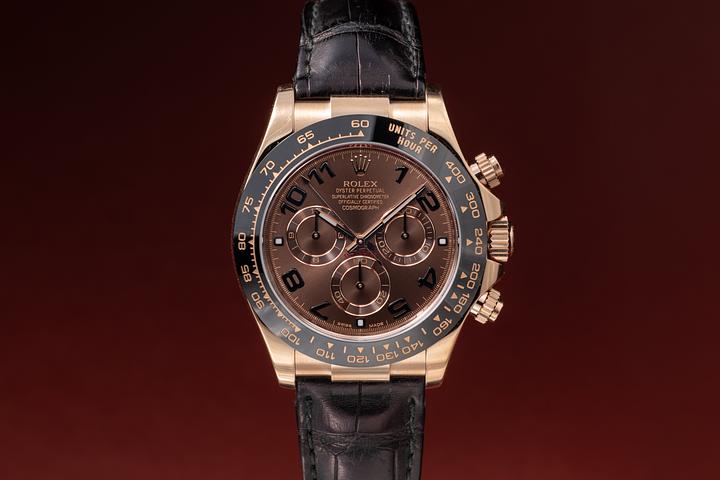
Swiss GMT Watches: Timeless Craft for Global Travelers

What Is a GMT Watch and Why Does It Matter for Travelers?
A GMT watch tracks two time zones simultaneously — the local time where you are and a reference time zone, typically Greenwich Mean Time, which is the global standard from which all other time zones are measured. The GMT complication was not invented for collectors or status seekers. It was engineered for people who genuinely needed to know what time it was in two places at once, without carrying a second watch or pulling out a phone. For frequent flyers, international business professionals, and anyone with a life that spans multiple time zones, a GMT watch is one of the most practical complications in fine watchmaking. Swiss manufacturers took that need seriously, and what they built in response became some of the most iconic timepieces in the history of horology.
The History Behind the GMT Complication in Swiss Watchmaking
The story of the GMT complication has a precise origin point, and it is worth knowing. In the early 1950s, Pan American World Airways approached Rolex with a specific request: pilots needed a reliable, legible way to track two time zones at once during transatlantic flights. The result was the Rolex GMT-Master, introduced in 1954 and co-developed with Pan Am. It featured a 24-hour rotating bezel and an additional fourth hand that completed one rotation every 24 hours, pointing to a secondary time zone at a glance. That design set the standard. Swiss manufacturers recognized immediately that this was not a niche function — it was the future of international travel, business, and global coordination. Other maisons followed, each contributing their own interpretation of the complication. Today, the GMT function remains one of the most sought-after features in luxury watchmaking, and Switzerland remains its spiritual home.
How a GMT Watch Actually Works
The mechanics behind a GMT watch are more intuitive than they first appear. Most Swiss GMT watches display three distinct elements that work together. The standard hour and minute hands show local time. The GMT hand, typically a distinct arrow or uniquely shaped hand, points to a 24-hour scale on either the bezel or a subdial, tracking a second time zone. The 24-hour scale itself allows the wearer to distinguish between AM and PM, which is particularly useful when coordinating across hemispheres. On more advanced models, the local hour hand can be adjusted independently in one-hour increments without disrupting the running seconds or the GMT hand — a function known as a "true GMT" or "caller" complication. This allows travelers to set local time upon landing without losing track of their home reference time. It is a small detail with significant practical value.
The Most Celebrated Swiss GMT Watches in Horological History
When collectors and travelers speak about Swiss GMT watches, a handful of references come up repeatedly, and for good reason. These are the references that defined the category and continue to influence it today.
- Rolex GMT-Master and GMT-Master II — the watches that started the conversation, trusted by pilots, astronauts, and heads of state
- Patek Philippe Ref. 5164 Aquanaut Travel Time — a dual time zone complication with a distinctly modern, sporty character
- IWC Big Pilot's Watch Timezoner — allows timezone adjustment by rotating the bezel, advancing the hour hand in real time
- Jaeger-LeCoultre Geophysic Universal Time — displays all 24 world time zones simultaneously on a single dial
- Tudor Black Bay GMT — carries the design DNA of early GMT-Masters at a more accessible entry point into Swiss quality
Each of these references approaches the same problem differently, which is one of the things that makes the GMT category so compelling for collectors. The function is consistent; the philosophy behind each execution is entirely its own.
Vintage vs. Modern Swiss GMT Watches: What Collectors Should Know
The conversation around vintage Swiss GMT watches has grown significantly over the past decade, and it is not difficult to understand why. Early GMT-Master references, particularly those produced between the late 1950s and the 1970s, represent a convergence of historical significance, mechanical integrity, and aesthetic character that modern reproductions simply cannot replicate. The aged dials, the patinated bezels, and the particular warmth of a lume that has shifted over decades — these are qualities that develop over time and cannot be manufactured. Vintage GMT watches also carry provenance. A watch worn through decades of actual travel, signed by an era of aviation history, carries a story that adds to its value both financially and personally. That said, modern Swiss GMT references offer precision, reliability, and in many cases, significant technical advancement. The choice between vintage and modern often comes down to what a buyer values most: historical resonance or contemporary performance.
What to Look for When Buying a Swiss GMT Watch
Purchasing a Swiss GMT watch — whether new or vintage — requires a clear-eyed understanding of what the market offers and what your specific needs actually are. There are a few key considerations worth working through before committing to a purchase.
- Movement type and complication style — understand whether the watch offers a true GMT function or a simple dual-time display, as the practical difference for frequent travelers is meaningful
- Case material and size — Swiss GMT watches range from compact dress pieces to robust sport watches, and the right choice depends on how and where it will be worn
- Dial and bezel condition for vintage pieces — original, unpolished cases and dials in good condition significantly affect value and authenticity
- Brand heritage and resale trajectory — established Swiss manufactures with strong GMT histories tend to hold and grow value more consistently
- Service history and documentation — particularly for vintage references, a documented service record adds confidence and preserves long-term value
The GMT Watch as a Cultural Symbol of Global Mobility
There is something worth acknowledging beyond the mechanics and the market. A GMT watch carries cultural weight. It is the timepiece of people who move — across borders, across disciplines, across time itself. The boarding call is part of the lifestyle. The watch on the wrist of a seasoned traveler is not just a tool; it is a quiet statement about how that person engages with the world. Swiss GMT watches, in particular, have been present at diplomatic tables, cockpit dashboards, summit negotiations, and transoceanic crossings. That history is embedded in the category. When someone chooses a Swiss GMT watch, they are choosing a piece of that tradition. It is not indulgent sentiment — it is an understanding of what the watch represents and why it was built in the first place.
GMT Watch Sizing, Bezels, and Dial Configurations Explained
Swiss GMT watches are available in a wide range of configurations, and understanding the differences helps buyers narrow their focus considerably. Case sizes typically range from 38mm to 44mm, with sport-oriented GMTs trending larger and dress-oriented references running slimmer. Bezel configuration matters both functionally and aesthetically. A unidirectional 24-hour bezel allows for quick time zone reading. A bidirectional bezel offers flexibility. Ceramic bezels, now common on modern references, offer superior scratch resistance compared to the aluminum inserts used on vintage models. Dial configurations vary considerably as well — some GMT watches feature a second time zone window at 6 o'clock, others use a dedicated hand against the chapter ring, and a few integrate a full world time display. Each approach is valid; the right one depends on how the watch will actually be used in daily life and travel.
Why Tropical Watch Is the Right Source for Your Swiss GMT Watch
For collectors and first-time buyers alike, where you source a Swiss GMT watch matters as much as which reference you choose. Tropical Watch has built a well-earned reputation as a trusted destination for serious watch buyers, with deep expertise in the vintage and pre-owned luxury watch market. If you are searching for a Rolex GMT-Master with documented history and verified authenticity, or if you simply want thoughtful guidance on navigating the GMT category, working with a specialist makes an enormous difference in the outcome. Whether your interest is in an early two-tone Rolex GMT reference with original dial character or a more contemporary pre-owned option, explore the curated selection of vintage and pre-owned Swiss GMT watches for global travelers at Tropical Watch, where each piece is vetted with the kind of rigor the market demands. The watch you are looking for exists — and finding it through the right source means confidence at every step of the process.
Frequently Asked Questions About Swiss GMT Watches
What does GMT stand for on a watch?
GMT stands for Greenwich Mean Time, which is the prime meridian time reference from which all global time zones are measured. On a watch, the GMT complication allows the wearer to track a second time zone simultaneously, making it particularly useful for international travelers and professionals working across multiple time zones.
What is the difference between a GMT watch and a dual-time watch?
A true GMT watch uses a dedicated fourth hand on a 24-hour scale to display a second time zone independently of the main hour and minute hands. A dual-time watch typically shows a second time zone through a subdial or window. The key practical distinction is that on a proper GMT, the local hour can often be adjusted independently without stopping the movement.
Which Swiss brands make the best GMT watches?
Rolex, Patek Philippe, IWC, Jaeger-LeCoultre, and Tudor are among the most respected Swiss manufacturers in the GMT category. Rolex GMT-Master references are considered the historical benchmark, while brands like Patek Philippe and Jaeger-LeCoultre offer more complex world-time variations favored by serious collectors.
Are vintage Rolex GMT watches a good investment?
Vintage Rolex GMT-Master references, particularly early examples with original dials and unpolished cases, have shown consistent appreciation in value over time. While no watch purchase should be treated purely as a financial investment, the historical significance and sustained collector demand for vintage GMT-Masters make them among the stronger performers in the pre-owned luxury watch market.
How do I read a GMT watch when traveling?
Set the GMT hand to your home time zone using the 24-hour bezel or scale. When you arrive in a new location, adjust only the local hour hand to reflect local time. The GMT hand continues tracking your reference time zone, allowing you to read both simultaneously at a glance without any calculation required.
What should I look for when buying a vintage Swiss GMT watch?
Prioritize originality above all else. Look for unpolished cases, original dials without refinishing, and bezels with authentic aging. Verify service history and provenance documentation where available. Purchase from a reputable specialist with demonstrated expertise in vintage Swiss references to reduce risk and ensure authenticity.










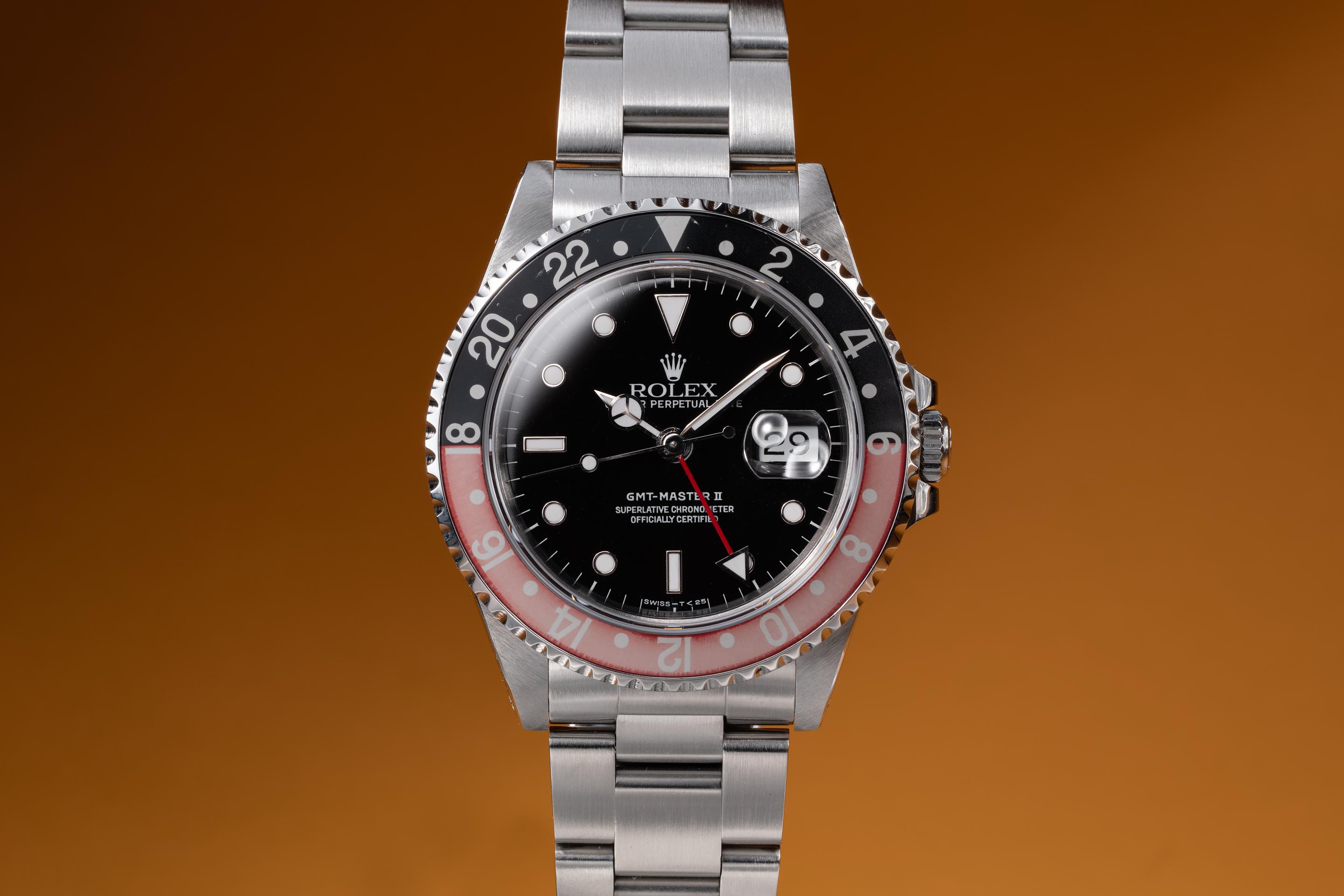





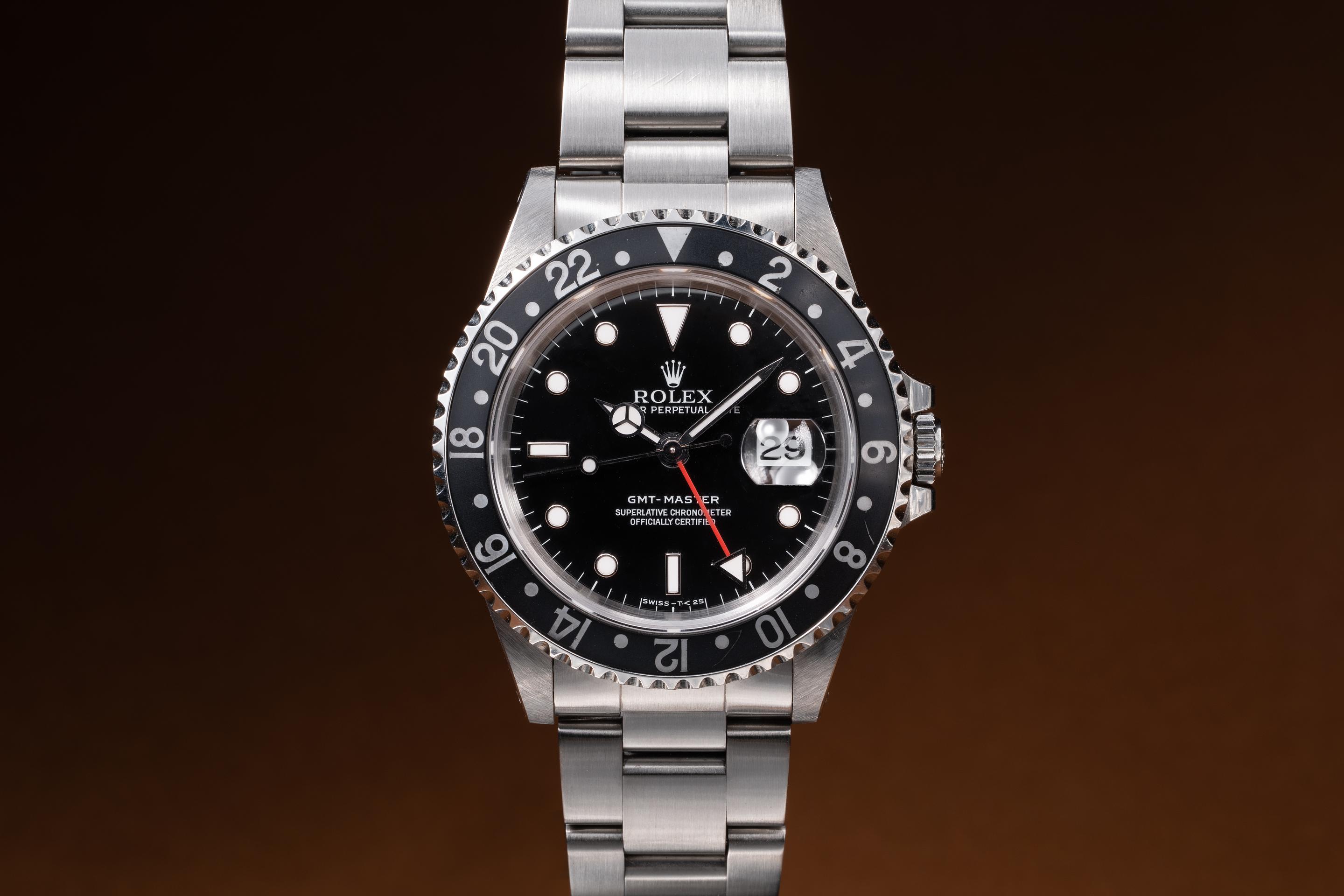


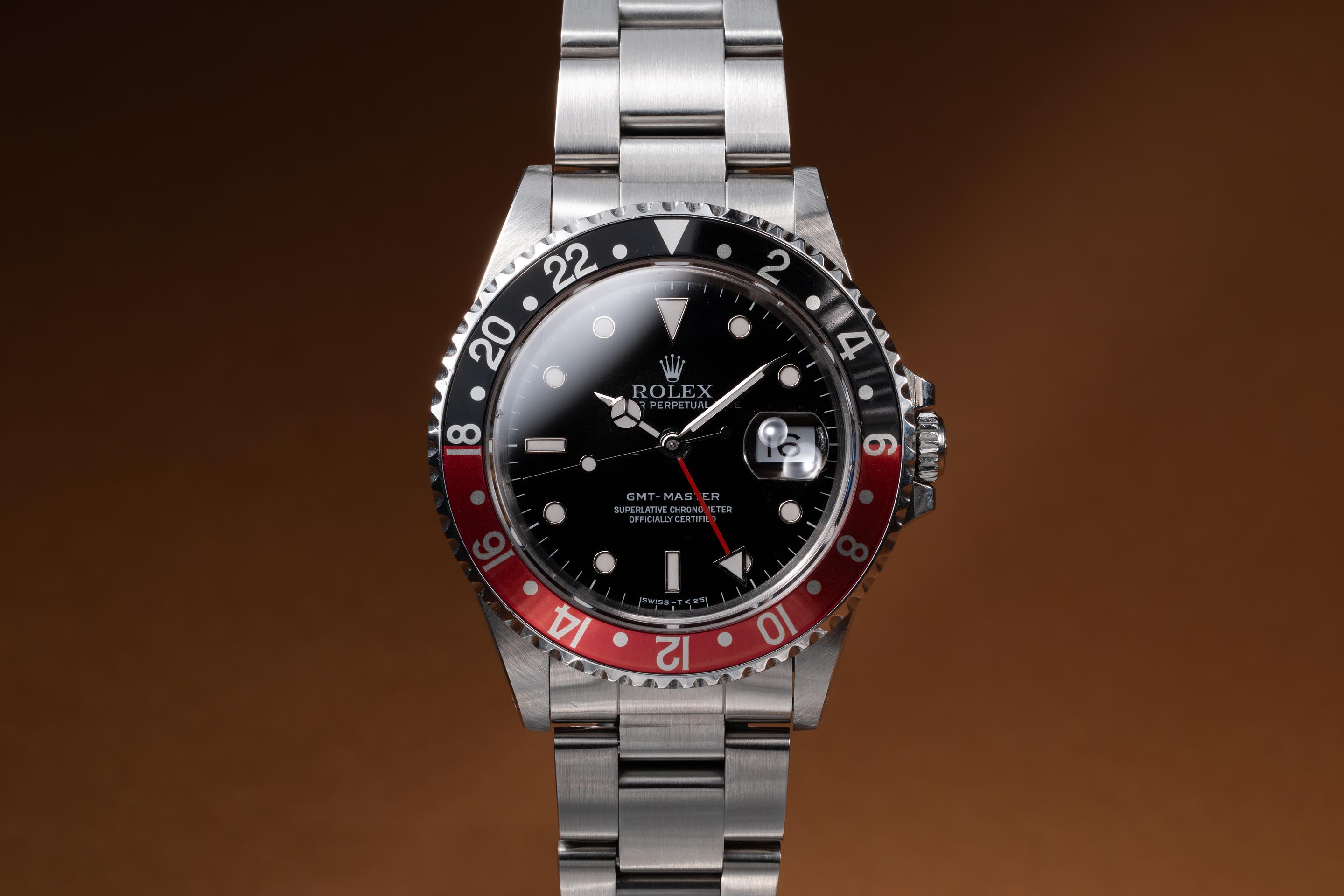







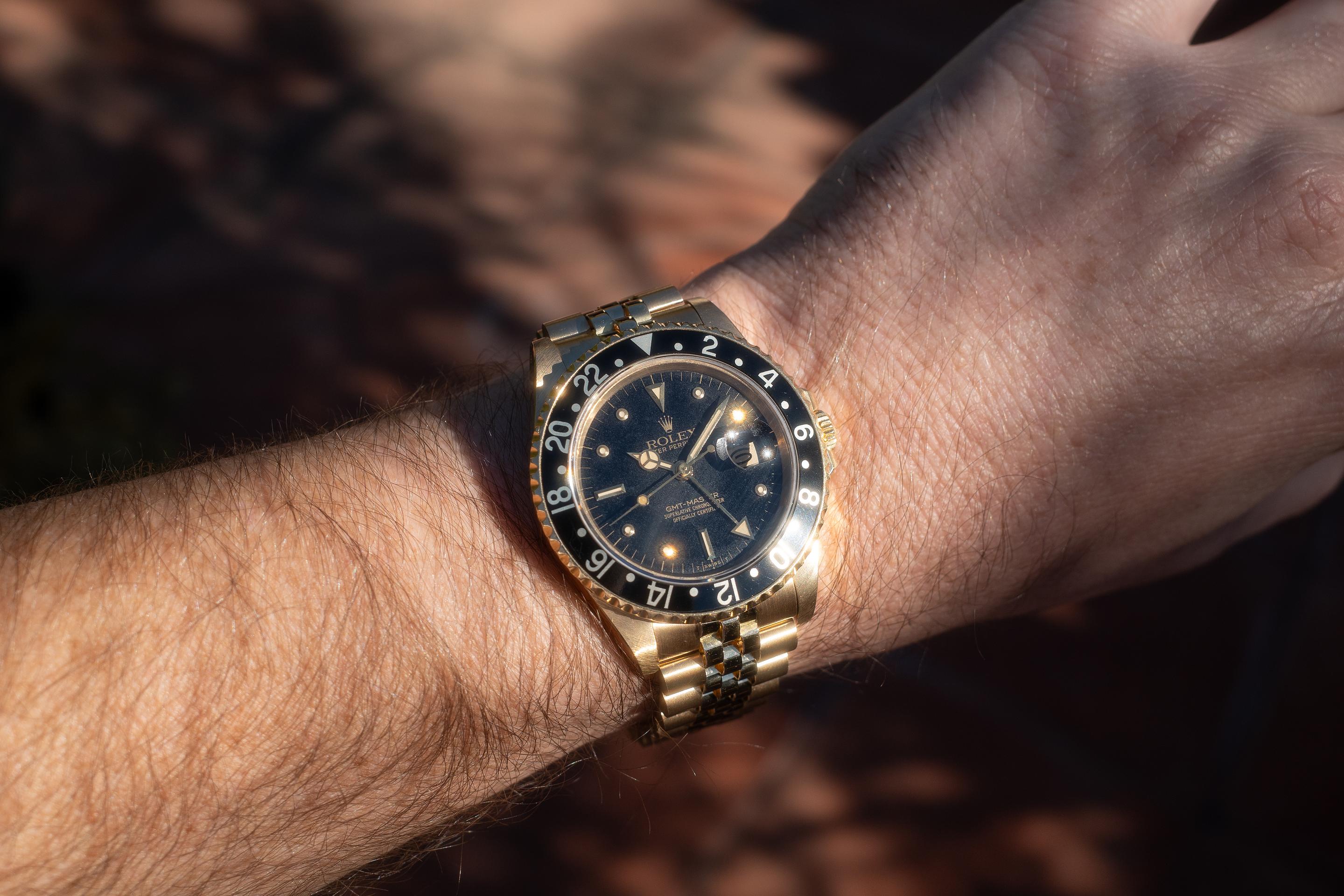


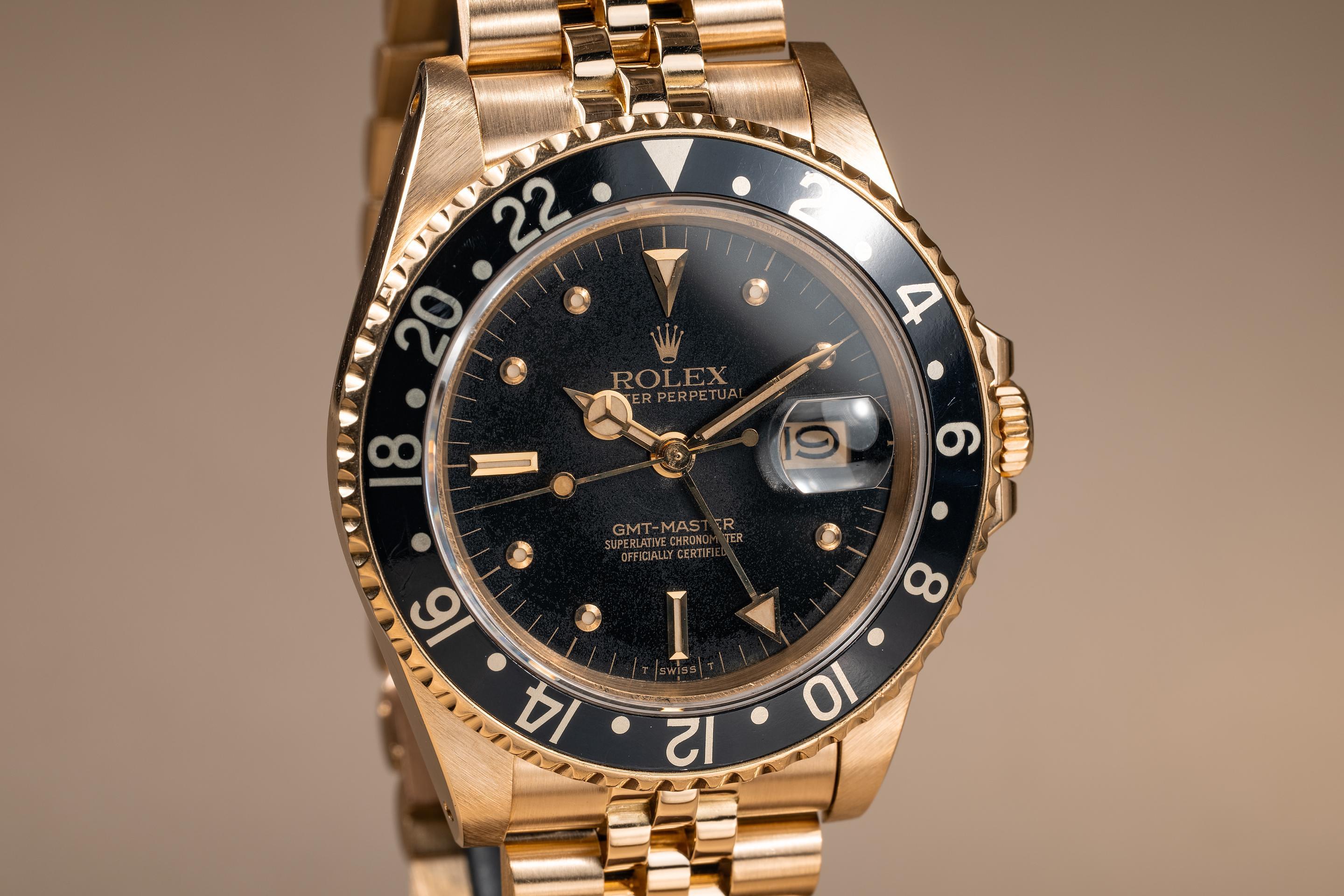


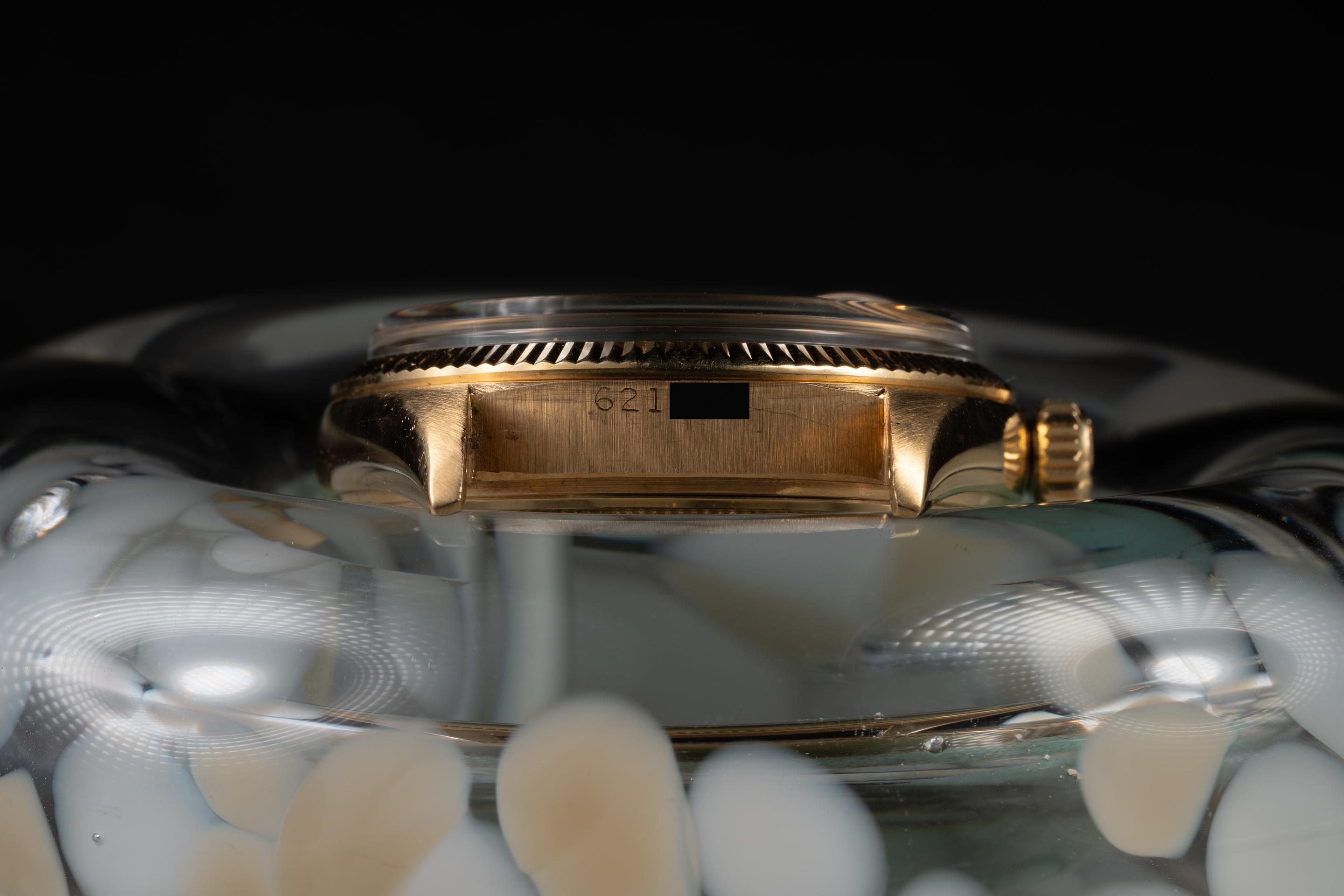




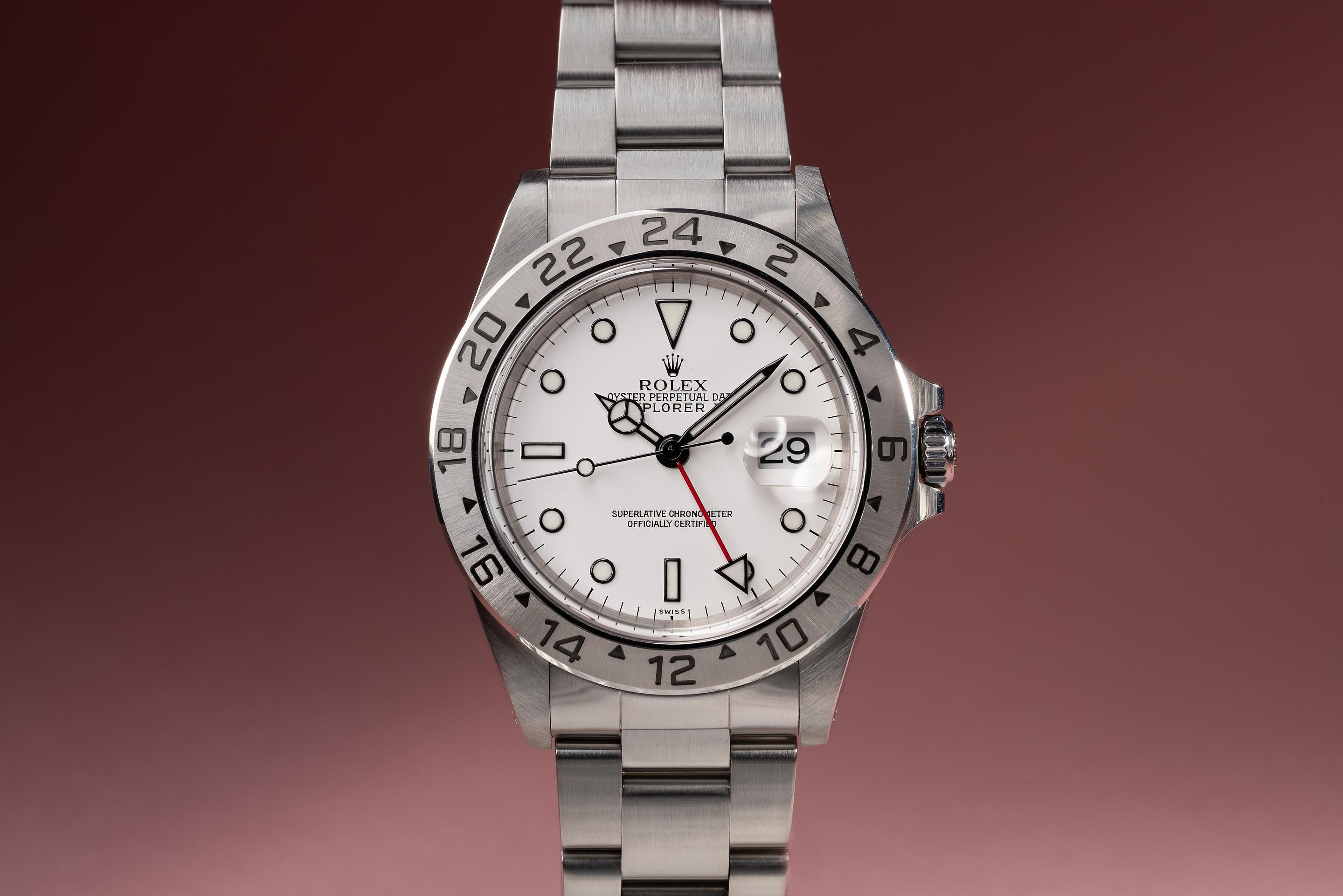
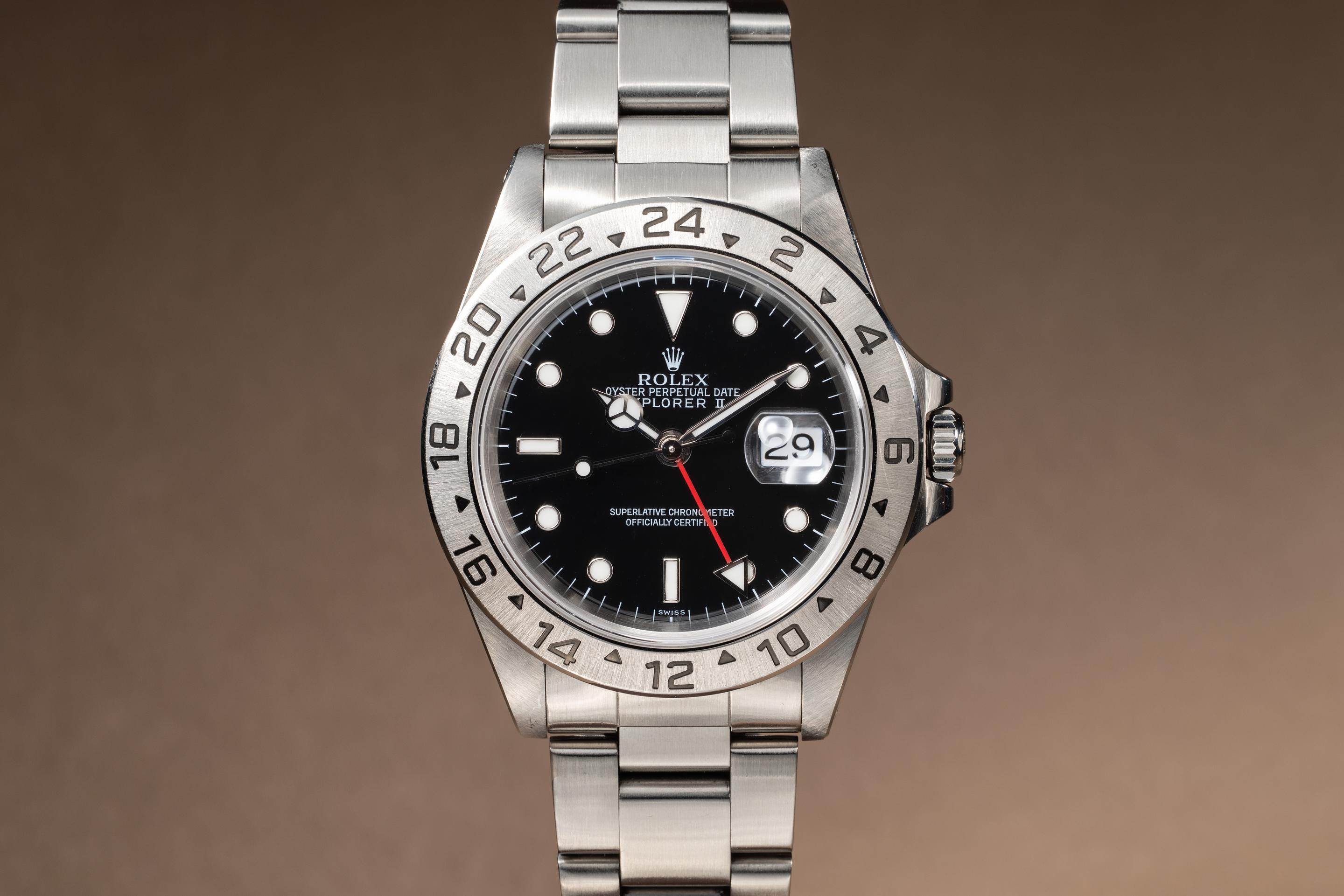



Table of Contents

Get More from the Journal