Rolex Bracelets: Every Style, Material, and Option
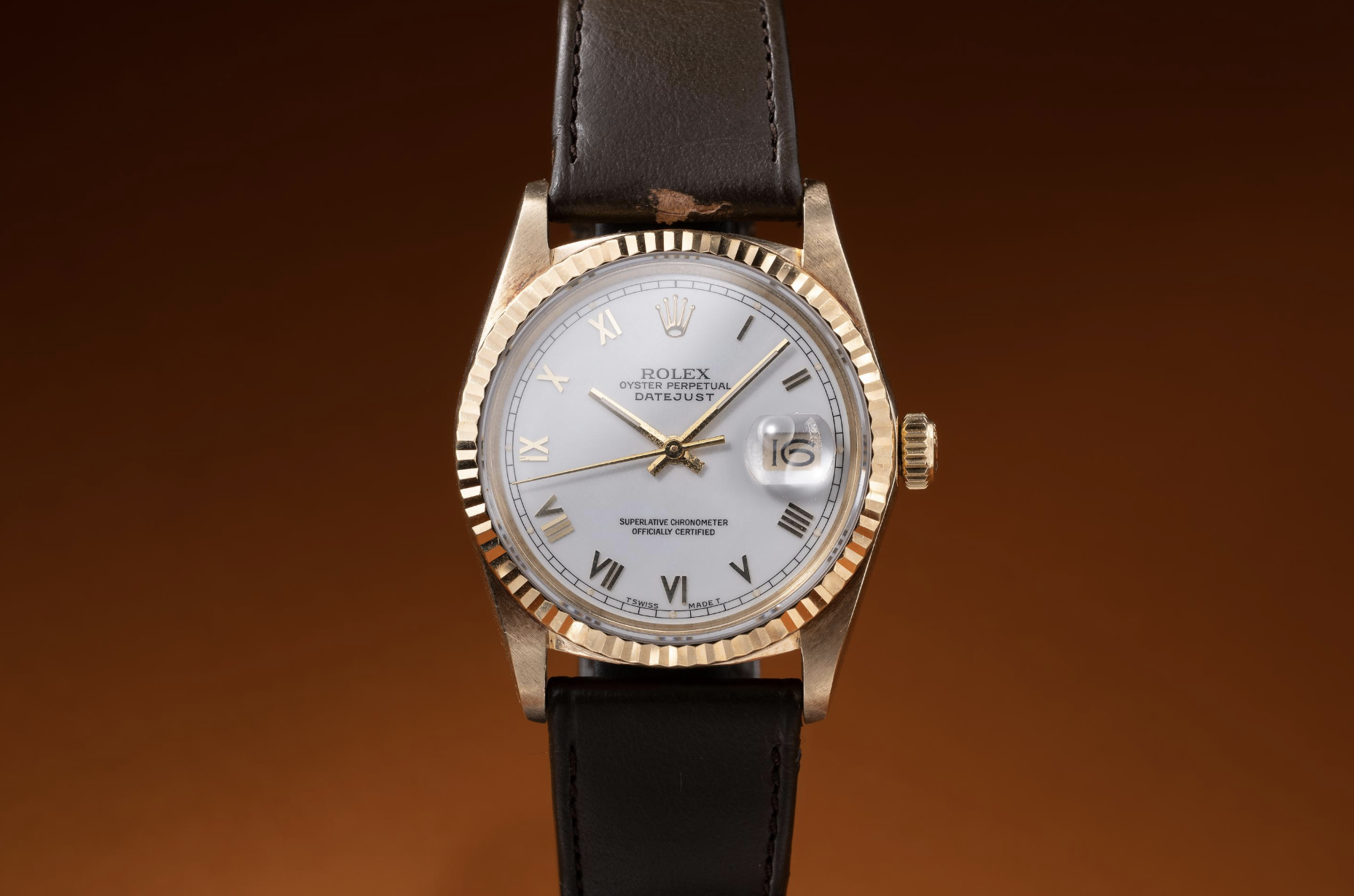
Rolex Bracelets Explained: A Complete Guide to Every Style, Material, and Option
When people talk about Rolex watches, the conversation almost always starts with the dial, the movement, or the case. That is completely fair. But the bracelet is what ties everything together, and it deserves a lot more attention than it typically gets. The bracelet is the piece of the watch you feel against your wrist every single day. It affects comfort, durability, aesthetics, and in many cases, the resale value of the watch itself. If you are exploring a Rolex purchase or simply want to understand what sets one bracelet apart from another, this guide walks through everything you need to know in a clear and practical way.
Why the Rolex Bracelet Matters More Than You Might Think
Rolex has spent decades engineering its bracelets with the same level of care and precision applied to its movements. These are not simple afterthoughts. Each bracelet design goes through extensive material research, prototype testing, and refinement before it reaches production. The result is that a Rolex bracelet, when properly maintained, can last just as long as the watch itself. For collectors and buyers in the secondary market, the bracelet condition and configuration often play a significant role in determining the overall value of a piece. Original bracelets with matching date codes, correct link configurations, and minimal stretch carry a real premium. This is especially true in the vintage segment of the market.
The Oyster Bracelet: The One That Started It All
The Oyster bracelet is the most iconic and recognizable bracelet in the Rolex lineup. Introduced in the 1930s, it features a three-link design with a flat center link flanked by two rounded outer links. It is bold, clean, and sports-ready, which is why it pairs so naturally with tool watches like the Submariner, the Explorer, the GMT-Master II, and the Datejust. Over the decades, the Oyster bracelet has been refined considerably. Modern versions feature solid end links and micro-adjustment clasp systems that allow for fine-tuning of the fit without removing links. Early versions from the 1950s and 1960s were often made with hollow links, which is a detail collectors specifically look for when sourcing vintage pieces. The material has evolved as well, with options now spanning from stainless steel Oystersteel to 18k gold and two-tone Rolesor configurations.
The Jubilee Bracelet: Dressed Up, Always Elegant
The Jubilee bracelet was created specifically to accompany the Datejust when it launched in 1945. The five-link design with a narrower, more refined center section gives it a noticeably dressier look compared to the Oyster. It sits closer to the wrist and tends to feel more flexible, which many wearers find exceptionally comfortable. The Jubilee has since expanded beyond the Datejust and now appears on models like the Day-Date, the Pearlmaster, and certain Datejust 41 configurations. It is worth noting that the vintage Jubilee bracelet, particularly those produced in the 1950s through the 1970s, used riveted construction methods that are highly sought after by collectors. The rivet Jubilee is one of those small details that separates a knowledgeable collector from a casual buyer.
The President Bracelet: Reserved for the Day-Date
The President bracelet is exclusive to the Rolex Day-Date, a distinction that reinforces the Day-Date's status as the flagship model in the entire Rolex catalog. Introduced alongside the Day-Date in 1956, the President bracelet features three semi-circular links that flow in a smooth, continuous arc around the wrist. It is only produced in precious metals, specifically 18k gold, 18k white gold, and platinum. The construction is entirely solid, and the concealed clasp keeps the outer profile clean and uninterrupted. Because the President bracelet is made exclusively from precious metals, it carries substantial intrinsic value in addition to its aesthetic significance. For anyone considering a Day-Date, the bracelet alone is part of what justifies the investment.
The Pearlmaster Bracelet: Maximum Luxury, Maximum Presence
The Pearlmaster bracelet is the most elaborate bracelet in the Rolex range. It was developed to complement the Pearlmaster collection, which is itself designed around high jewelry and gem-set cases. The bracelet features five rounded links and is typically set with diamonds or other precious stones, depending on the specific configuration. It is available in Everose gold and white gold versions. This is not a sports bracelet. It is a jewelry bracelet, and it functions in a category entirely its own. The Pearlmaster bracelet represents the highest expression of what Rolex does when it prioritizes craftsmanship as art rather than function.
Key Bracelet Materials and Construction Details
Understanding what a bracelet is made from helps buyers evaluate both quality and longevity. Rolex uses several materials across its bracelet lineup, each with distinct characteristics worth knowing.
- Oystersteel (904L stainless steel) is used across the sport and professional lineup, offering exceptional corrosion resistance and a bright polish that holds up over time.
- Rolesor combines Oystersteel with 18k yellow, white, or Everose gold, typically applied to the center links of the Oyster or Jubilee bracelet.
- 18k yellow gold is used in the Day-Date, Pearlmaster, and certain Datejust configurations.
- 18k Everose gold is Rolex's proprietary rose gold alloy, formulated to resist fading better than standard rose gold compositions.
- Platinum appears exclusively on the Day-Date 40 in select configurations.
Clasp Technology and Modern Innovations
The clasp is what secures the bracelet, and Rolex has invested significantly in making its clasp systems as functional and refined as possible. The Oysterlock clasp is a folding safety clasp used on sport models, designed to prevent accidental opening. The Easylink system, introduced on the Submariner, allows the wearer to extend the bracelet length by approximately 5mm with a simple, tool-free adjustment, which is particularly useful during temperature changes or when wearing the watch over a wetsuit. The Crownclasp, found on the President bracelet, is a concealed clasp that disappears into the bracelet profile when closed. The Foldover Oysterlock clasp used on some Oyster-linked models features both a push-button safety release and the Easylink extension feature. These are not gimmicks. They reflect a genuine commitment to wearability.
Caring for Your Rolex Bracelet
A Rolex bracelet in excellent condition is worth protecting. Regular cleaning with a soft brush, warm water, and mild soap removes buildup from the links without risking surface damage. For polished bracelets, avoid abrasive materials that can introduce scratches over time. Rolex service centers can professionally clean and polish a bracelet as part of a full service, though many collectors prefer to leave their vintage pieces unpolished to preserve original surfaces. Link stretch is a natural occurrence over years of wear, particularly in older bracelets. A stretched bracelet can often be tightened by a qualified watchmaker, though eventually worn links may need replacement. Keeping original links with the watch when sizing is always a good practice, as this preserves the ability to restore the bracelet to its original length if needed.
Why Tropical Watch Is the Right Source for Rolex Bracelets and Vintage Pieces
When it comes to sourcing a Rolex with the right bracelet in the right condition, the dealer matters as much as the watch itself. Tropical Watch specializes in authenticated vintage and pre-owned Rolex watches, with a deep inventory of pieces that include correct, matching bracelets. If you are looking to explore authenticated vintage Rolex watches with original matching bracelets, Tropical Watch brings a level of expertise and curation that is difficult to find elsewhere. The team understands the nuances that make a bracelet correct for a given reference, from rivet construction details on vintage Jubilees to date code matching on Oyster bracelets. That kind of knowledge is what separates a confident purchase from a costly mistake. Whether you are a first-time buyer or an experienced collector refining your collection, working with a trusted specialist makes the entire process significantly more rewarding.
Frequently Asked Questions About Rolex Bracelets
What is the most popular Rolex bracelet style?
The Oyster bracelet is the most widely used bracelet across the Rolex lineup due to its durability and versatility. It is paired with the majority of sport and professional models, including the Submariner, GMT-Master II, and Explorer.
Can I swap a Rolex bracelet between models?
Some Rolex bracelets share compatible lug widths and can be interchanged between certain models, but not all bracelets are universally compatible. It is best to consult a Rolex specialist or authorized dealer before attempting a swap to ensure correct fit and function.
Does the Rolex bracelet affect the value of the watch?
Yes, significantly. A watch with its original, matching bracelet in good condition is worth more than the same reference with a replaced or missing bracelet. In vintage collecting, bracelet originality is a primary factor in determining authenticity and value.
What is bracelet stretch on a Rolex, and how is it fixed?
Bracelet stretch refers to the loosening of link articulation points over years of wear, resulting in a looser, slightly wobbly feel. It can often be corrected by a qualified watchmaker who tightens or replaces worn link pins, though severely stretched bracelets may require partial link replacement.
How do I know what size Rolex bracelet links to remove?
Rolex bracelets are sized by removing links from the clasp side of the bracelet. It is recommended to have this done by a watchmaker or authorized retailer to ensure even sizing and to avoid damaging the links or clasp mechanism.
Is the Rolex President bracelet available on any model besides the Day-Date?
No. The President bracelet is exclusive to the Rolex Day-Date collection and is produced only in precious metals. It has never been offered on any other Rolex model, which reinforces the Day-Date's unique position within the brand's lineup.











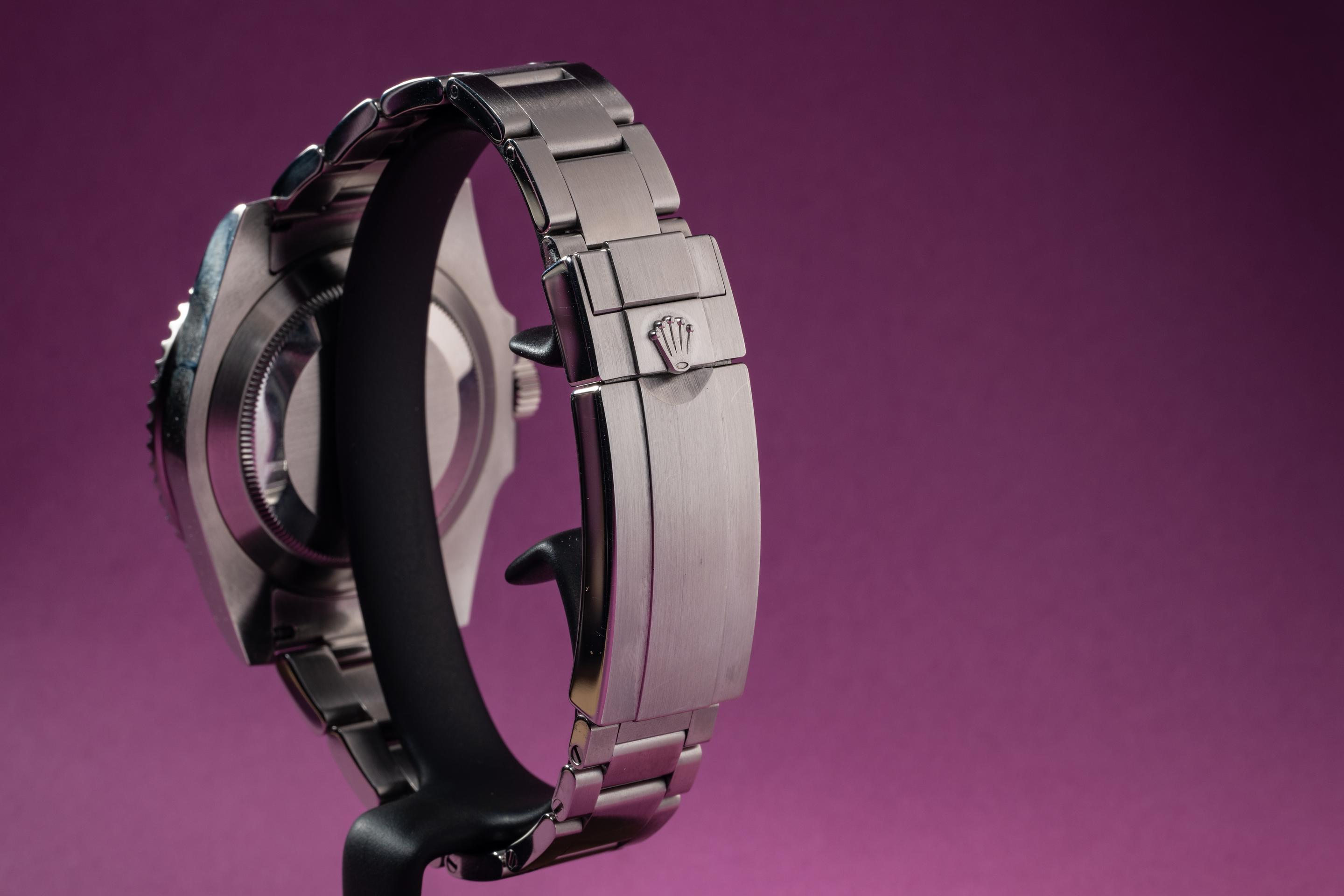


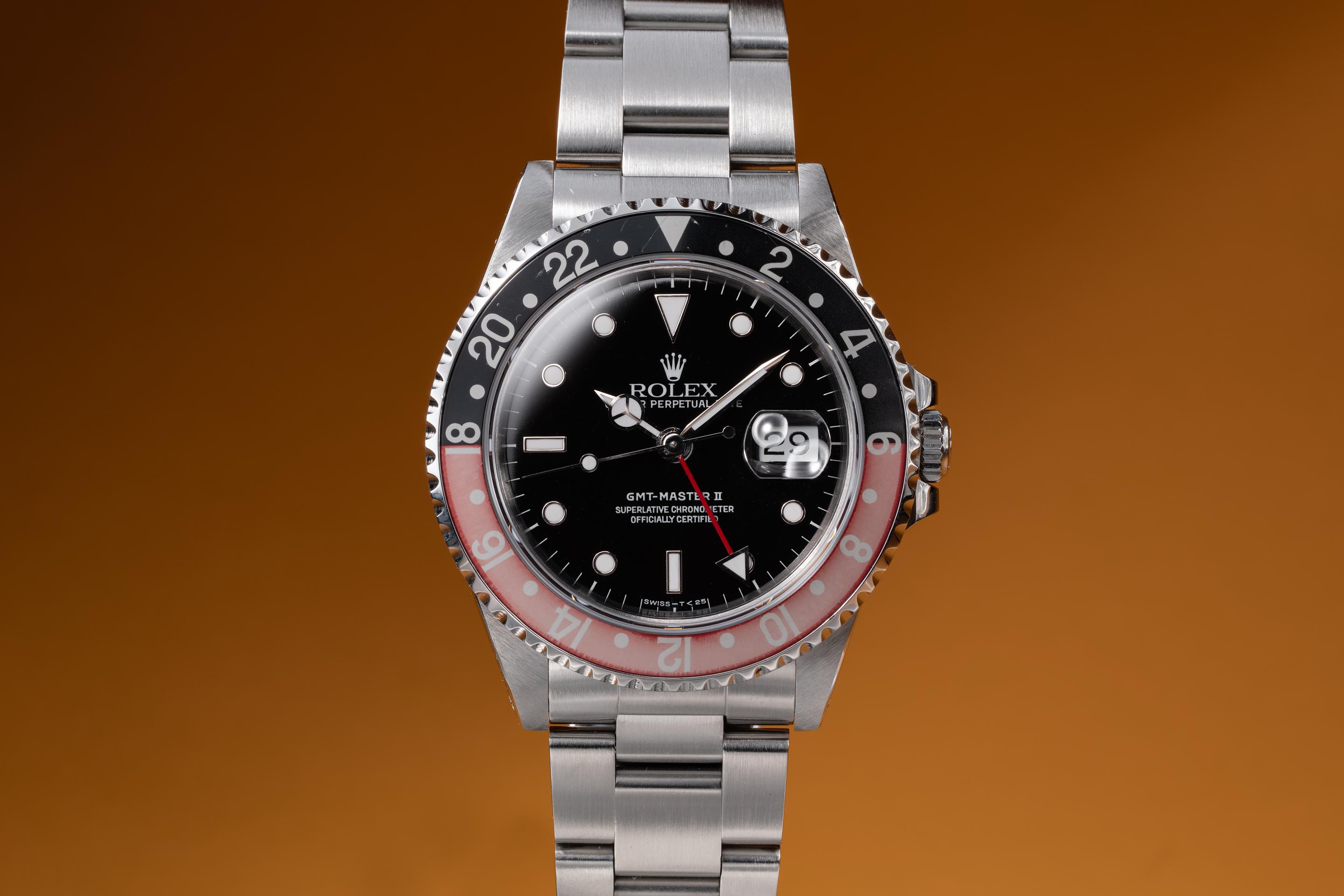


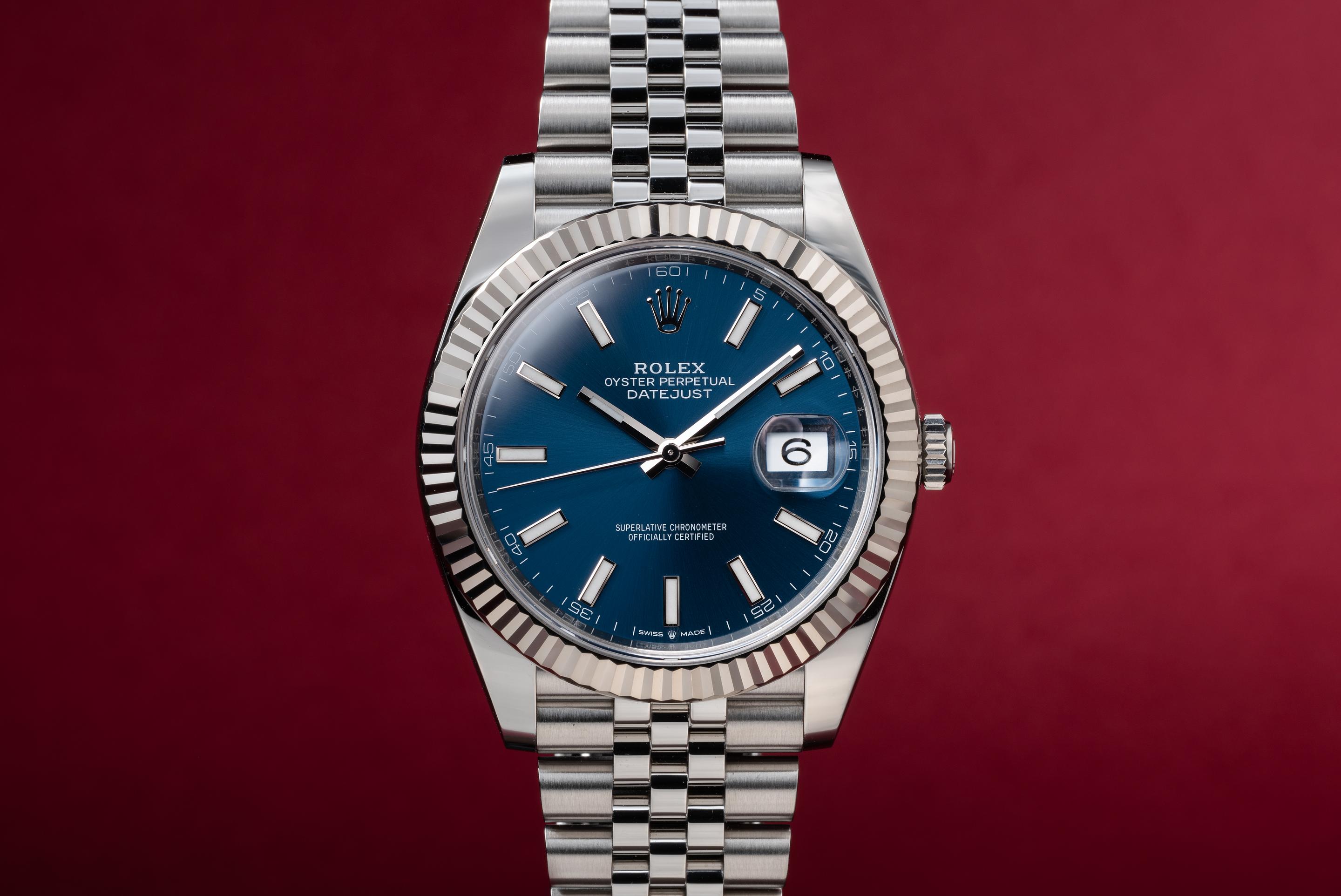

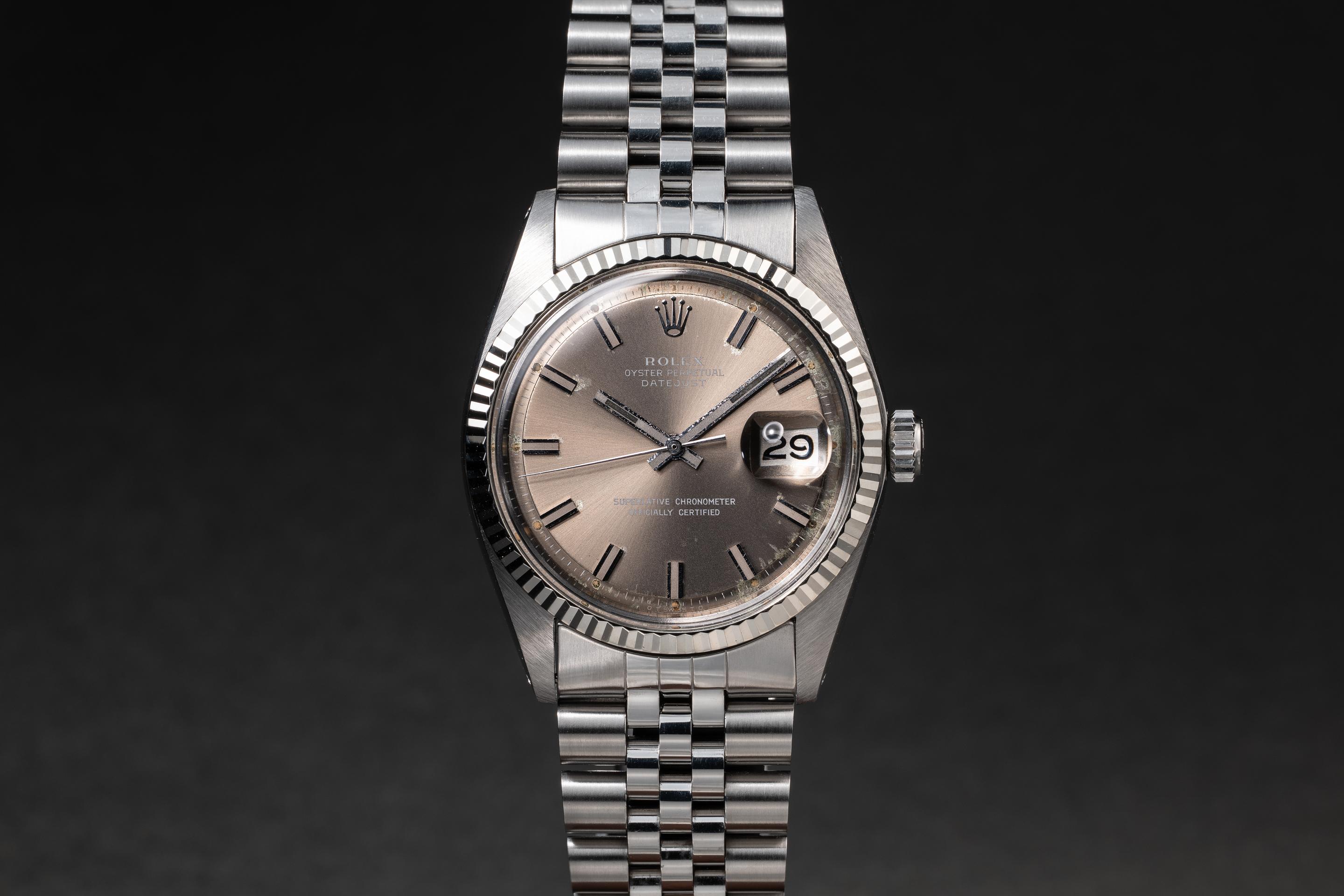


Table of Contents

Get More from the Journal