Is Patek Philippe a Good Investment? Here Is the Truth

Is Patek Philippe a Good Investment? What You Should Know Before You Buy
Few names in horology carry the weight that Patek Philippe does. Founded in Geneva in 1839, the brand has spent nearly two centuries building a reputation that most watchmakers can only aspire to. But beyond the prestige, the craftsmanship, and the waiting lists, a very practical question keeps coming up: is Patek Philippe actually a good investment? The short answer is that it can be, but the full picture deserves a closer look. Whether you are considering your first serious watch purchase or adding to an existing collection, understanding how Patek Philippe performs as an asset is worth your time.
A Brief History That Explains Everything
Patek Philippe was founded by Antoni Patek and Adrien Philippe, whose key contribution was the invention of the keyless winding mechanism. The brand has remained family-owned, currently under the stewardship of the Stern family, which has been at the helm since 1932. That independence matters more than it might seem at first. Family ownership means the brand does not answer to shareholders or quarterly earnings calls. It can prioritize long-term reputation over short-term volume. Patek Philippe produces somewhere between 50,000 and 70,000 watches per year, an intentionally restrained output for a brand of its global profile. Scarcity, as anyone who follows the secondary market knows, tends to drive value.
How Patek Philippe Watches Hold Their Value
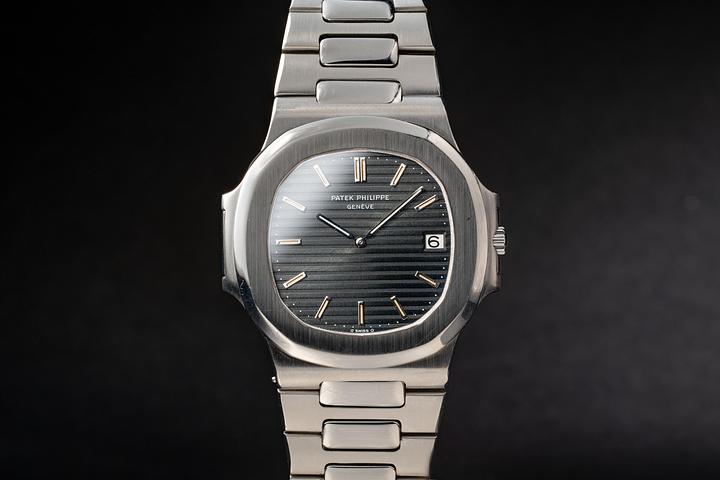
The resale market for Patek Philippe watches is remarkably strong compared to most other luxury goods. Some references not only hold their purchase price but appreciate significantly over time. The Nautilus 5711, for example, was discontinued in 2021 and promptly became one of the most discussed watches in the collector world. Its value on the secondary market climbed well above retail almost immediately after the announcement. The Aquanaut and Calatrava references have demonstrated similar resilience. That said, not every Patek Philippe watch will make you money. Entry-level quartz references or less sought-after complications may depreciate, though they typically fare better than comparable watches from other brands. The investment potential is real, but it is not universal across the entire catalog.
Key Factors That Influence Resale Value
If you are approaching a Patek Philippe purchase with investment potential in mind, a few factors carry more weight than others.
- Reference and rarity matter enormously. Limited production references, discontinued models, and those with complex movements tend to command a premium on the secondary market.
- Condition is non-negotiable. A watch with original parts, unpolished case surfaces, and all original documentation will consistently outperform one that has been serviced carelessly or modified.
- Provenance and documentation add measurable value. Original boxes, papers, service records, and purchase receipts tell a story that collectors and auction houses reward.
- Movement complexity plays a role. Grand complications, perpetual calendars, minute repeaters, and split-seconds chronographs from Patek Philippe have set auction records repeatedly. The more technically sophisticated the watch, the more desirable it tends to be among serious buyers.
- Timing and market conditions also factor in. The luxury watch market, like any market, moves in cycles. Buying during a period of elevated secondary market prices carries more risk than buying during calmer periods.
Auction Records That Speak for Themselves
If you want hard evidence that Patek Philippe can deliver extraordinary returns, the auction record is a compelling case. The Patek Philippe Grandmaster Chime Ref. 6300A-010 sold at a charity auction in Geneva in 2019 for approximately 31 million Swiss francs, setting the record for the most expensive wristwatch ever sold at auction at that time. The Henry Graves Supercomplication pocket watch, also a Patek Philippe, sold for over 24 million Swiss francs back in 2014. These are admittedly exceptional outliers, but they illustrate the ceiling that exists within this brand. Even more accessible references, like the stainless steel Nautilus or vintage Calatrava models, have delivered returns that rival or surpass traditional financial instruments over comparable time horizons.
Patek Philippe vs. Other Luxury Watch Investments
It is fair to ask how Patek Philippe stacks up against other investment-grade watch brands. Rolex is often the first comparison, and for good reason. Rolex produces the most liquid secondary market of any watch brand globally. Models like the Daytona, Submariner, and GMT-Master II are consistent performers. Audemars Piguet, particularly the Royal Oak, has seen dramatic appreciation. Richard Mille watches command extraordinary prices, though their secondary market is thinner. Among all of these, Patek Philippe occupies a particular position: it is considered by many collectors and industry observers to be the pinnacle of horological prestige. That perception, sustained over generations, underpins a level of market confidence that few brands can replicate. It is not necessarily that one brand is better than another across the board; rather, Patek Philippe has a depth of history and technical achievement that consistently resonates with the most serious segment of the market.
The Risks You Should Not Ignore
Investment potential should not be the only reason you buy a Patek Philippe. The luxury watch market is not regulated the way financial markets are, and secondary market values can shift. Counterfeit watches remain a real concern, particularly with highly sought-after references. Purchasing from unverified sources without proper authentication processes carries genuine financial risk. Additionally, holding a watch as an investment means managing its condition carefully. Improper storage, unauthorized service, or even normal wear can erode value. And unlike stocks or bonds, a watch is not a liquid asset you can sell instantly at a predictable price. If you need quick access to capital, a watch collection is not the right vehicle. The smartest approach is to buy what you genuinely appreciate and let the investment thesis develop as a secondary benefit rather than the primary motivation.
Vintage Patek Philippe and the Collector Market
Vintage Patek Philippe references carry a particular allure that extends well beyond the investment conversation. Early Calatrava references from the 1930s and 1940s, rare complicated pocket watches, and unique reference variations with unusual dial configurations have captivated serious collectors for decades. The vintage market requires a higher level of expertise, since authenticity verification becomes more complex with age and service history becomes harder to trace. But for knowledgeable buyers working with reputable sources, vintage Patek Philippe watches represent some of the most rewarding opportunities in the entire watch collecting world, both financially and in terms of sheer horological significance.
Practical Guidance for Prospective Buyers
If you are seriously considering a Patek Philippe purchase with investment potential in mind, a few practical principles apply. Buy from authorized dealers when purchasing new, and insist on full documentation. For secondary market purchases, work only with established, reputable specialists who offer authentication and have transparent sourcing. Research the specific reference you are interested in, understand its production history, and study how comparable examples have performed at auction and in private sales. Patience also matters. The collectors who have fared best with Patek Philippe watches have typically held their pieces over the long term rather than trying to time short-term market swings.
Why Tropical Watch Is Your Trusted Source for Investment-Grade Luxury Watches
When the investment thesis around a watch depends on authenticity, condition, and provenance, where you buy matters as much as what you buy. Tropical Watch has built its reputation on exactly that standard. Specializing in rare and collectible timepieces, the team at Tropical Watch brings the kind of expertise and sourcing discipline that the most discerning collectors expect. If you are looking to explore investment-grade luxury watches with proven resale value, Tropical Watch offers a curated selection that is authenticated, documented, and presented with full transparency. Whether your interest is in vintage Rolex, Patek Philippe, or other prestigious references, their team understands what separates a great watch from a great watch investment. For collectors who take this seriously, that distinction is everything.
Frequently Asked Questions About Patek Philippe as an Investment
Do Patek Philippe watches always increase in value?
Not every Patek Philippe watch appreciates in value. Certain references, particularly those in stainless steel, limited production runs, or with complex movements, have historically outperformed retail pricing. However, entry-level or less desirable references may hold value without significant appreciation. Research the specific reference before purchasing with investment in mind.
Which Patek Philippe references are considered the best investments?
The Nautilus, particularly the now-discontinued Ref. 5711, the Aquanaut, and complicated pieces like the perpetual calendar and minute repeater references have demonstrated strong investment performance. Vintage Calatrava references in original, unpolished condition are also highly regarded among collectors and auction specialists.
Is it better to buy a new or vintage Patek Philippe for investment purposes?
Both can offer strong investment potential, but they carry different risk profiles. New watches from authorized dealers come with full documentation and known provenance. Vintage watches can offer exceptional appreciation potential but require expert authentication and careful sourcing to avoid condition or authenticity issues.
How does Patek Philippe compare to Rolex as a watch investment?
Rolex offers a more liquid secondary market, meaning it is generally easier to buy and sell quickly. Patek Philippe tends to appeal to a more specialized collector base and can command higher absolute values for the right references. Both brands have strong investment track records; the choice often comes down to the specific references in question and your personal collecting focus.
What should I look for when buying a Patek Philippe for investment?
Prioritize original condition, unpolished case surfaces, full documentation including box and papers, and verifiable service history. Purchase from reputable, established sources with transparent authentication processes. The reference, production rarity, and movement complexity also significantly influence long-term investment performance.
Are Patek Philippe watches worth buying even if the value does not increase?
Yes. Patek Philippe watches represent the highest levels of horological craftsmanship and design heritage. Many collectors and buyers consider the ownership experience itself to be worthwhile independent of financial return. The investment potential is a meaningful bonus, not the only reason to consider the brand.











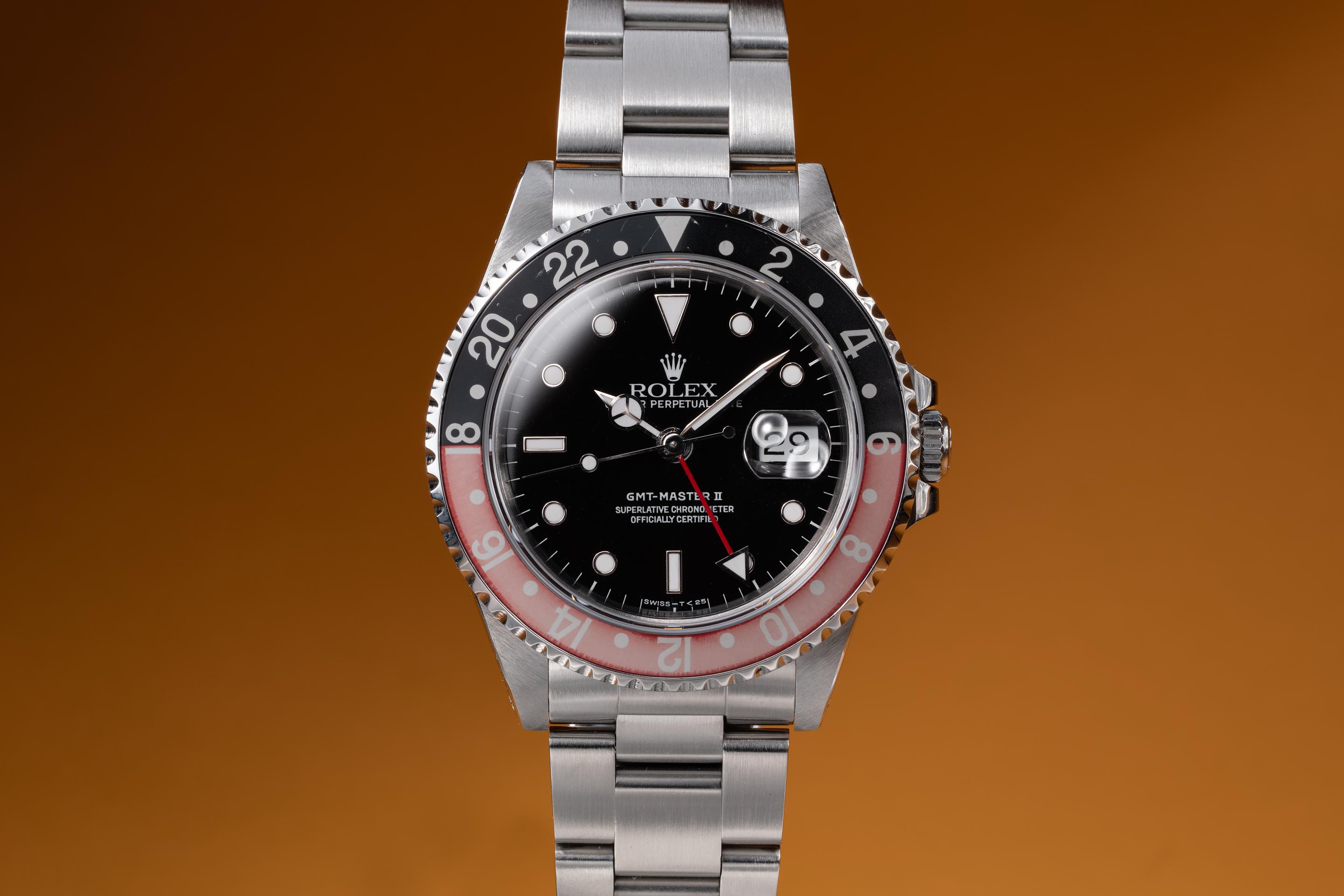


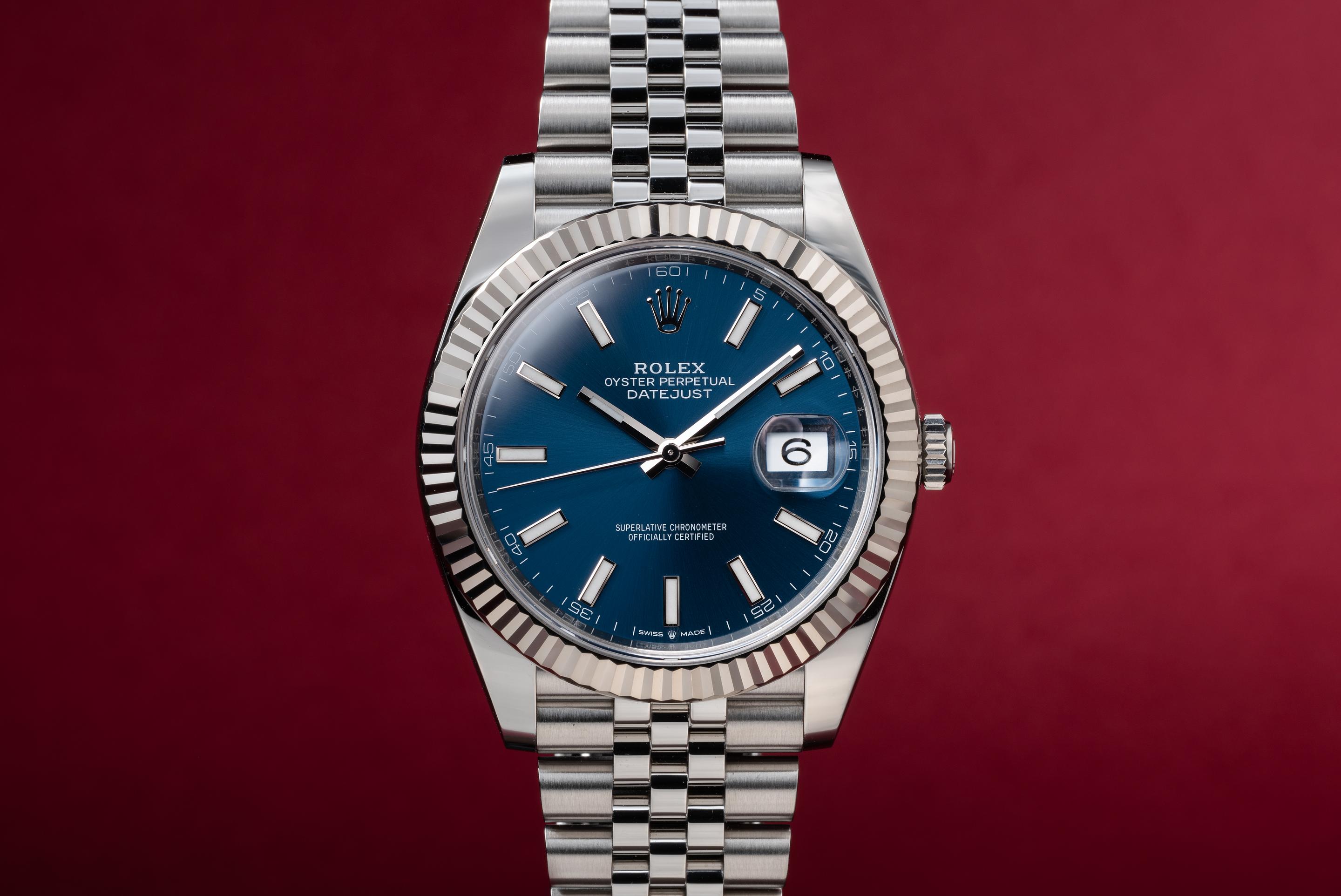

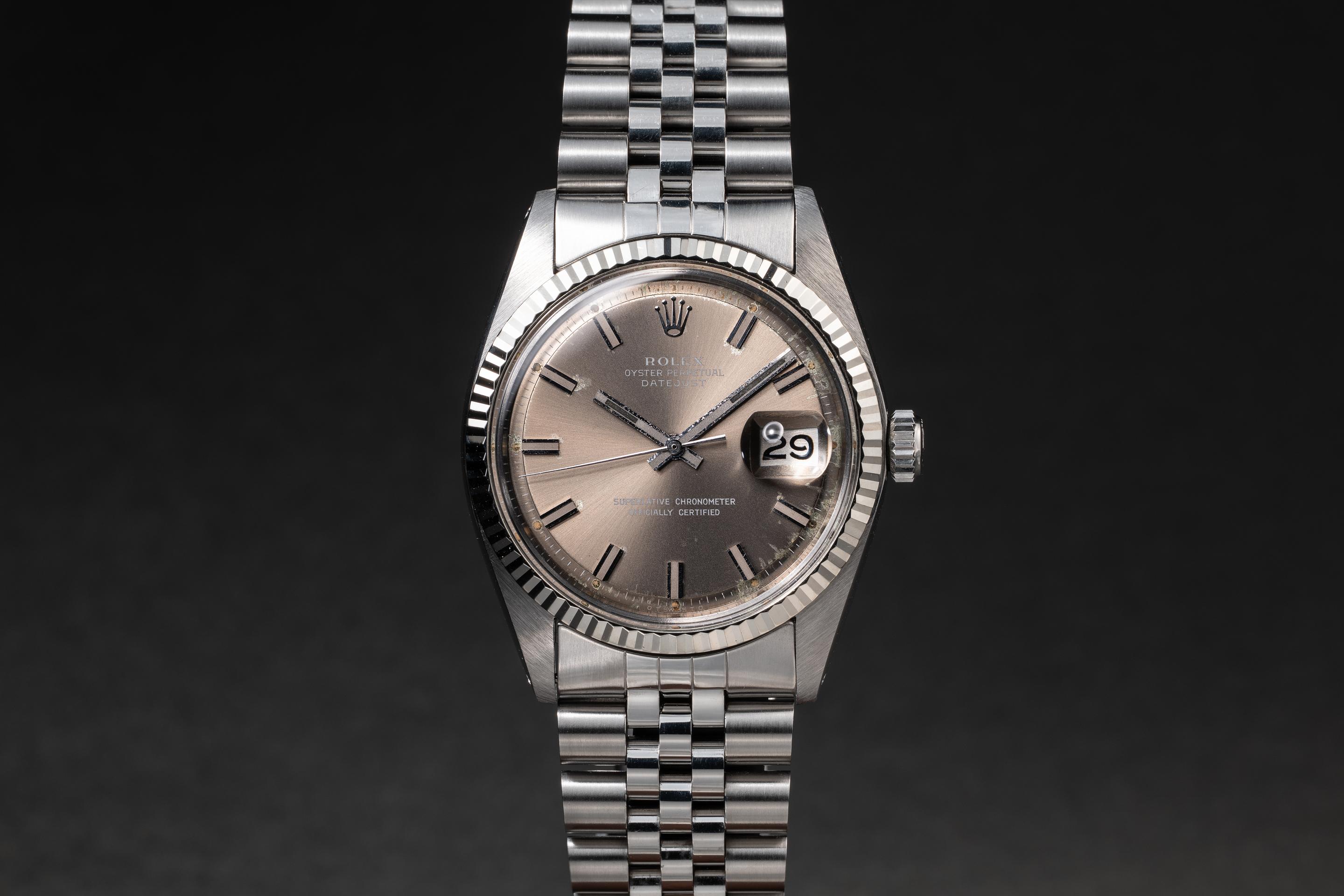


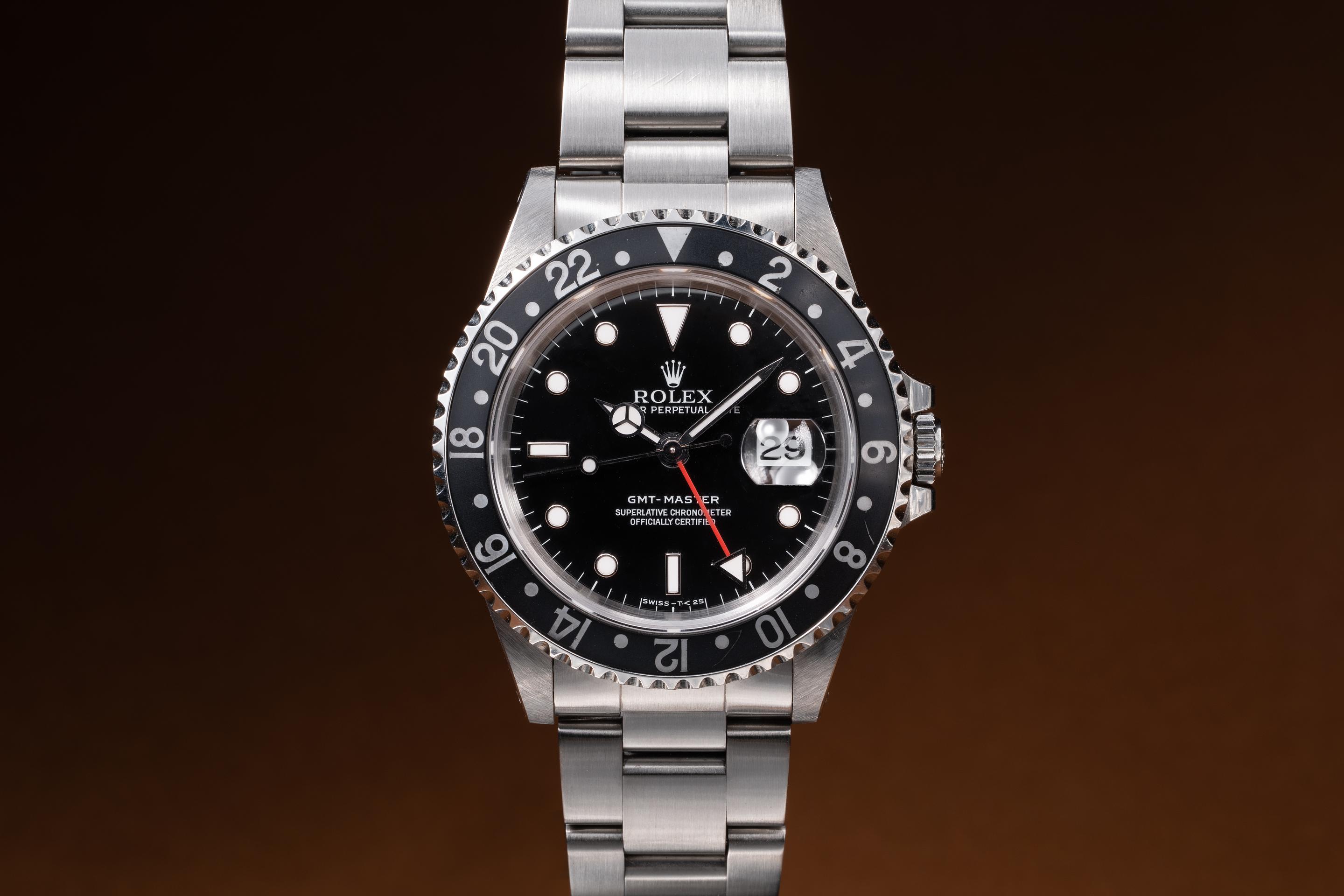


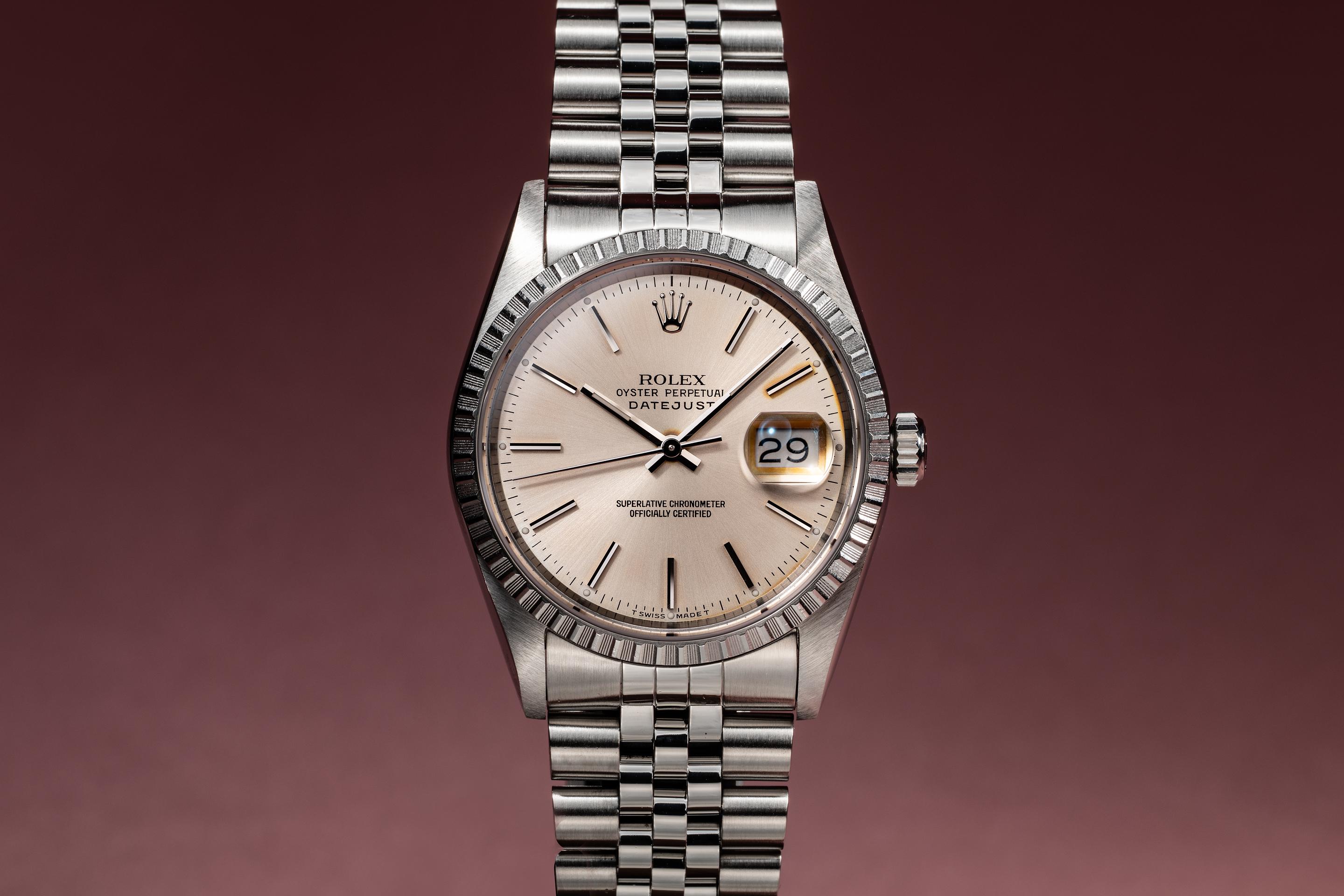

Table of Contents
Get More from the Journal