OMEGA Watch Terms Explained: A Buyer's Complete Guide

Understanding OMEGA Watch Terms: A Complete Guide for Buyers and Enthusiasts
Stepping into the world of OMEGA watches for the first time can feel like learning a new language. Coaxial escapements, co-axial calibers, master chronometer certifications... these terms get thrown around a lot, and if you are not already familiar with watchmaking vocabulary, it is easy to feel lost before you even begin. This guide breaks down the most important OMEGA watch terms in plain, honest language so you can shop smarter, appreciate what you are buying, and have better conversations about one of the most storied watch brands in the world.
Why OMEGA Watch Terminology Actually Matters
OMEGA has been making precision timepieces since 1848, and over that time the brand has developed a highly specific vocabulary to describe its movements, technologies, and certifications. These are not just marketing words. They refer to real, measurable differences in how a watch is built, how it performs, and how long it will last. When you understand what a term like METAS certification actually means, you understand why one watch costs significantly more than another. That context makes the buying process feel a lot less intimidating and a lot more empowering.
Key OMEGA Watch Terms Every Buyer Should Know
These are the terms that come up most often when researching or discussing OMEGA watches. Getting familiar with them will make a noticeable difference in how you evaluate your options.
Co-Axial Escapement
- This is one of OMEGA's most significant technical achievements. Invented by watchmaker George Daniels and adopted by OMEGA in 1999, the co-axial escapement reduces the friction between moving parts inside the movement. Less friction means less wear over time, which translates to longer service intervals. Traditional lever escapements require more frequent lubrication and servicing. The co-axial design changed how the entire industry thought about movement longevity.
Master Chronometer
- This is OMEGA's highest certification standard, introduced in 2015 in collaboration with METAS, the Swiss Federal Institute of Metrology. A watch earning the Master Chronometer designation must pass eight rigorous tests over ten days. These tests check accuracy, magnetic resistance up to 15,000 gauss, water resistance, and power reserve performance. It is not a title given lightly.
Caliber
- In watchmaking, a caliber refers to the specific movement, or engine, inside a watch. OMEGA uses caliber numbers to identify its movements. For example, the Caliber 8800 is a modern movement found in certain Seamaster models. Knowing the caliber helps you understand a watch's features, service history, and resale potential.
Chronograph
- A chronograph is a watch with a built-in stopwatch function. It is not the same as a chronometer, which is a term describing accuracy. Many buyers confuse these two words. A chronograph has pushers on the case to start, stop, and reset the timer. OMEGA's Speedmaster, the famous Moonwatch, is one of the most iconic chronograph watches ever made.
Cosc Certification
- Before the Master Chronometer program, COSC was the gold standard for Swiss watch accuracy. It stands for Controle Officiel Suisse des Chronomètres. A movement must run within plus or minus four to six seconds per day to earn this certification. OMEGA still uses COSC as a baseline, but its in-house Master Chronometer standard requires accuracy within zero to five seconds per day.
Silicon Balance Spring
- Modern OMEGA movements often feature a silicon balance spring instead of a traditional metal one. Silicon is non-magnetic, anti-corrosive, and lighter than metal. This contributes directly to the magnetic resistance that makes Master Chronometer watches so reliable in everyday environments filled with smartphones, laptops, and other devices that generate magnetic fields.
The Significance of OMEGA's Master Chronometer Certification
It is worth spending a little more time on the Master Chronometer program because it genuinely sets OMEGA apart from most competitors. Before METAS testing, watch brands largely self-certified their own accuracy claims. OMEGA changed that dynamic by working with an independent government body to test its movements. The eight-test protocol covers scenarios that mirror real-world conditions, including exposure to strong magnetic fields, testing at different positions, and measurement under full and depleted power reserves. When OMEGA says a watch is a Master Chronometer, that statement has third-party accountability behind it.
Understanding OMEGA Collection Names and What They Represent
OMEGA organizes its watches into distinct collections, and each one has a specific heritage and purpose. Knowing the collections helps you narrow down what kind of watch suits your lifestyle.
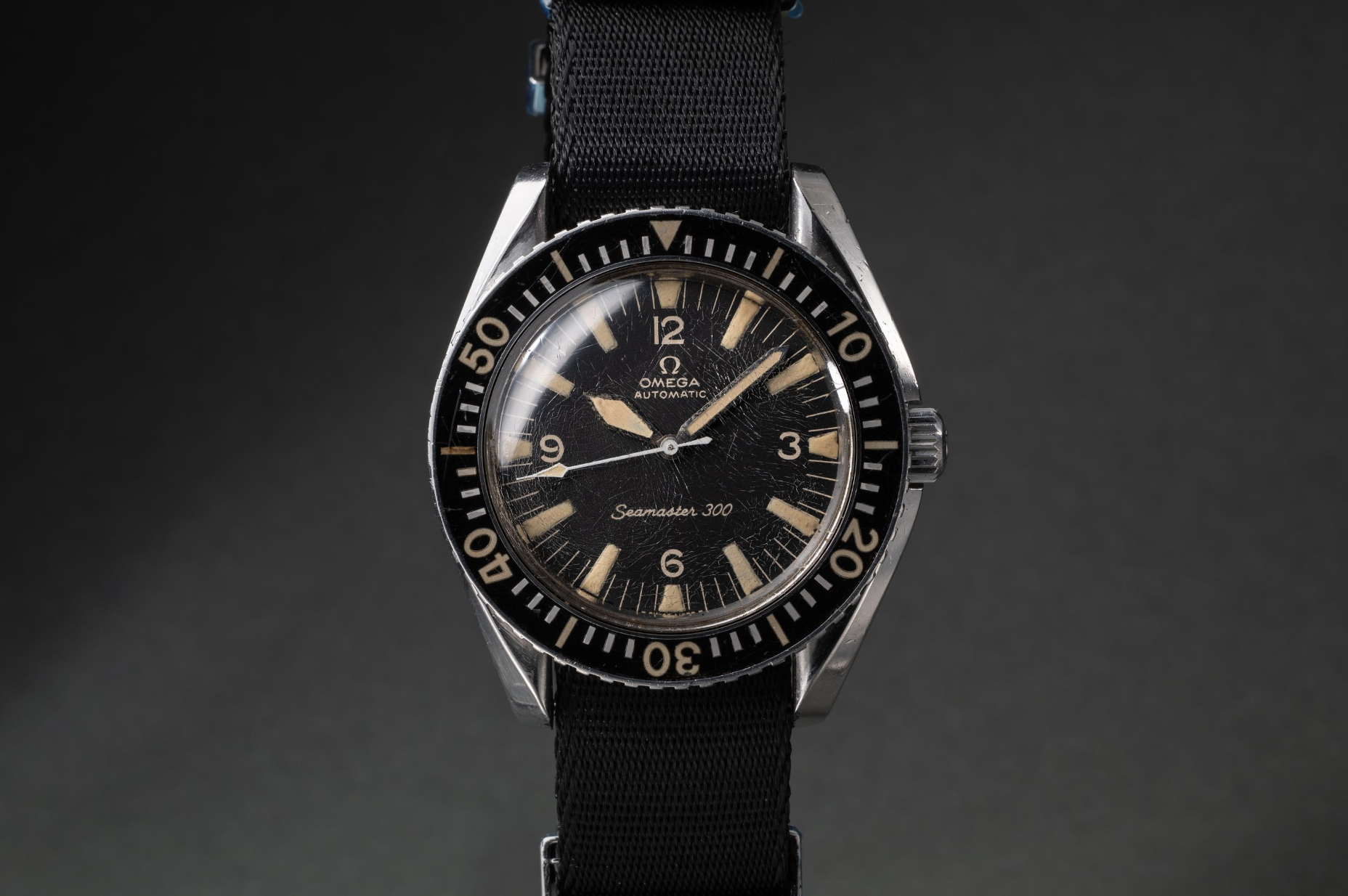
Seamaster
- Originally launched in 1948, the Seamaster is OMEGA's dive watch collection. It is associated with professional water resistance ratings, robust construction, and the James Bond connection that began in 1995. The Seamaster Planet Ocean and Seamaster Diver 300M are flagship models in this line.
Speedmaster
- The Speedmaster earned its legendary reputation when it became the first watch worn on the moon during the Apollo 11 mission in 1969. The Moonwatch Professional remains in production today with largely the same manual-wind caliber. It is a cultural artifact as much as a timepiece.
Constellation
- The Constellation is OMEGA's dress watch collection, introduced in 1952. Known for its elegant case design with distinctive claws on the case back and refined dials, it targets wearers looking for sophistication over sportiness.
De Ville
- The De Ville collection represents OMEGA's most formally styled watches, often featuring slim profiles and precious metal options. It is the range to explore when looking for something suited to formal occasions or conservative professional environments.
Aqua Terra
- Technically part of the Seamaster family, the Aqua Terra sits at the crossroads of sport and elegance. It has become well-known for its anti-magnetic properties and clean teak-pattern dials.
Reading OMEGA Reference Numbers and Dial Codes
OMEGA reference numbers can appear cryptic at first, but they carry meaningful information. Modern OMEGA references typically follow a structure that encodes the collection, case material, dial color, and bracelet type. For vintage OMEGA watches, reference numbers from decades past tell you a great deal about production era and specification. When buying pre-owned or vintage OMEGA pieces, cross-referencing the reference number against historical records is a critical step in verifying authenticity and understanding exactly what you have.
Service Intervals, Movements, and Long-Term Ownership
One of the practical benefits of understanding OMEGA terminology is knowing what to expect from long-term ownership. Traditional Swiss movements typically require servicing every three to five years. Co-axial movements, by contrast, are designed for service intervals of up to ten years under normal conditions. That is a significant reduction in maintenance cost over the life of a watch. OMEGA also offers a five-year international warranty on new watches, which reflects genuine confidence in its manufacturing standards. When evaluating a used or vintage OMEGA, ask about the service history and confirm whether the movement has been serviced with original OMEGA parts.
Tips for Using OMEGA Terminology When Shopping
Being fluent in these terms gives you leverage whether you are shopping at an authorized dealer or browsing pre-owned markets. Ask specifically about the caliber inside the watch you are considering. Confirm whether it holds a Master Chronometer certification or COSC certification. Check whether the case back has an exhibition window showing the movement, as this lets you visually confirm key components. For vintage pieces, verify that the dial, hands, and case reference are all matching and consistent with documented production records. These are the questions that separate informed buyers from those who simply hope for the best.
Why Tropical Watch Is the Right Partner for Your OMEGA and Vintage Watch Journey
When you are ready to move from learning to buying, working with a trusted specialist makes all the difference. Tropical Watch has built a reputation grounded in deep market knowledge and a genuine passion for exceptional timepieces. Whether you are searching for a modern OMEGA Master Chronometer or exploring the world of collectible pre-owned pieces, the team at Tropical Watch brings the kind of expertise that turns a potentially overwhelming process into a confident, rewarding experience. For collectors and first-time buyers alike, finding a home for your watch interests at the most trusted source for luxury and vintage watches online means you are dealing with people who understand what these watches mean beyond the price tag. The inventory is carefully curated, the guidance is straightforward, and the commitment to authenticity is genuine.
Frequently Asked Questions About OMEGA Watch Terms
What is the difference between a chronograph and a chronometer?
A chronograph is a watch with a built-in stopwatch function controlled by pushers on the case. A chronometer is a designation describing a watch that has met specific accuracy standards set by an official certifying body such as COSC or METAS. A watch can be one, both, or neither.
What does Master Chronometer mean on an OMEGA watch?
Master Chronometer is OMEGA's highest certification, earned by passing eight independent tests conducted by METAS, the Swiss Federal Institute of Metrology. These tests evaluate accuracy, magnetic resistance up to 15,000 gauss, water resistance, and power reserve, among other criteria.
How often does an OMEGA co-axial movement need to be serviced?
OMEGA co-axial movements are designed for service intervals of approximately eight to ten years under normal wearing conditions. This is significantly longer than the three to five year intervals typical of traditional Swiss lever escapement movements.
What is a caliber in an OMEGA watch?
A caliber refers to the specific movement, or internal engine, of a watch. OMEGA assigns unique caliber numbers to identify each movement it produces. The caliber number tells you about the watch's features, heritage, and service characteristics.
Why does magnetic resistance matter in an OMEGA watch?
Everyday objects like smartphones, tablets, and magnetic bag closures can magnetize traditional metal watch components, causing inaccurate timekeeping. OMEGA uses silicon balance springs and other anti-magnetic technologies in its modern movements to prevent this, keeping the watch accurate in real-world conditions.
What is the OMEGA Seamaster and why is it significant?
The Seamaster is OMEGA's professional dive watch collection, first introduced in 1948. It is known for its water resistance, durability, and long association with the James Bond film franchise beginning in 1995. It remains one of the most recognizable and collected watch lines in the world.


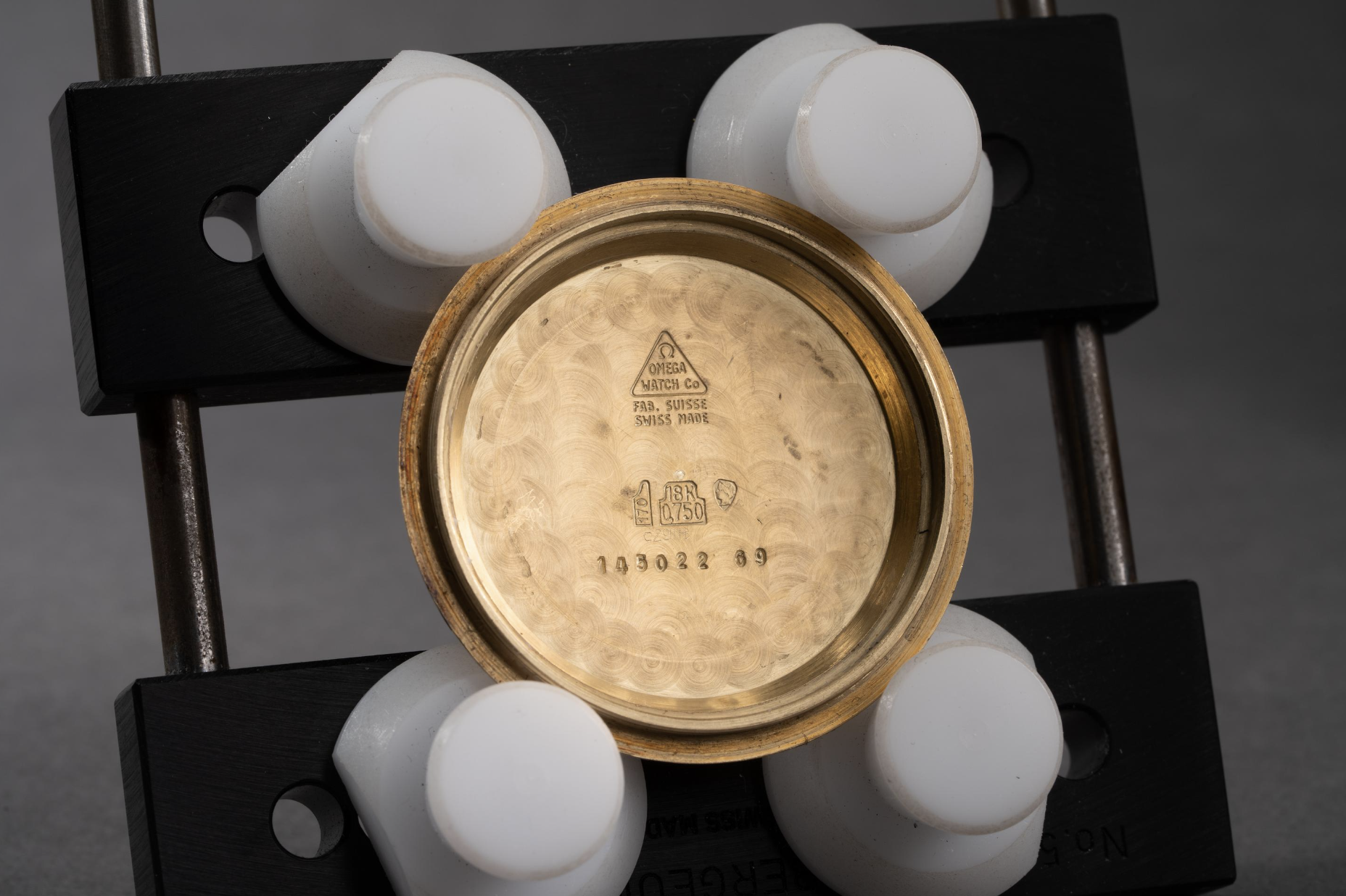




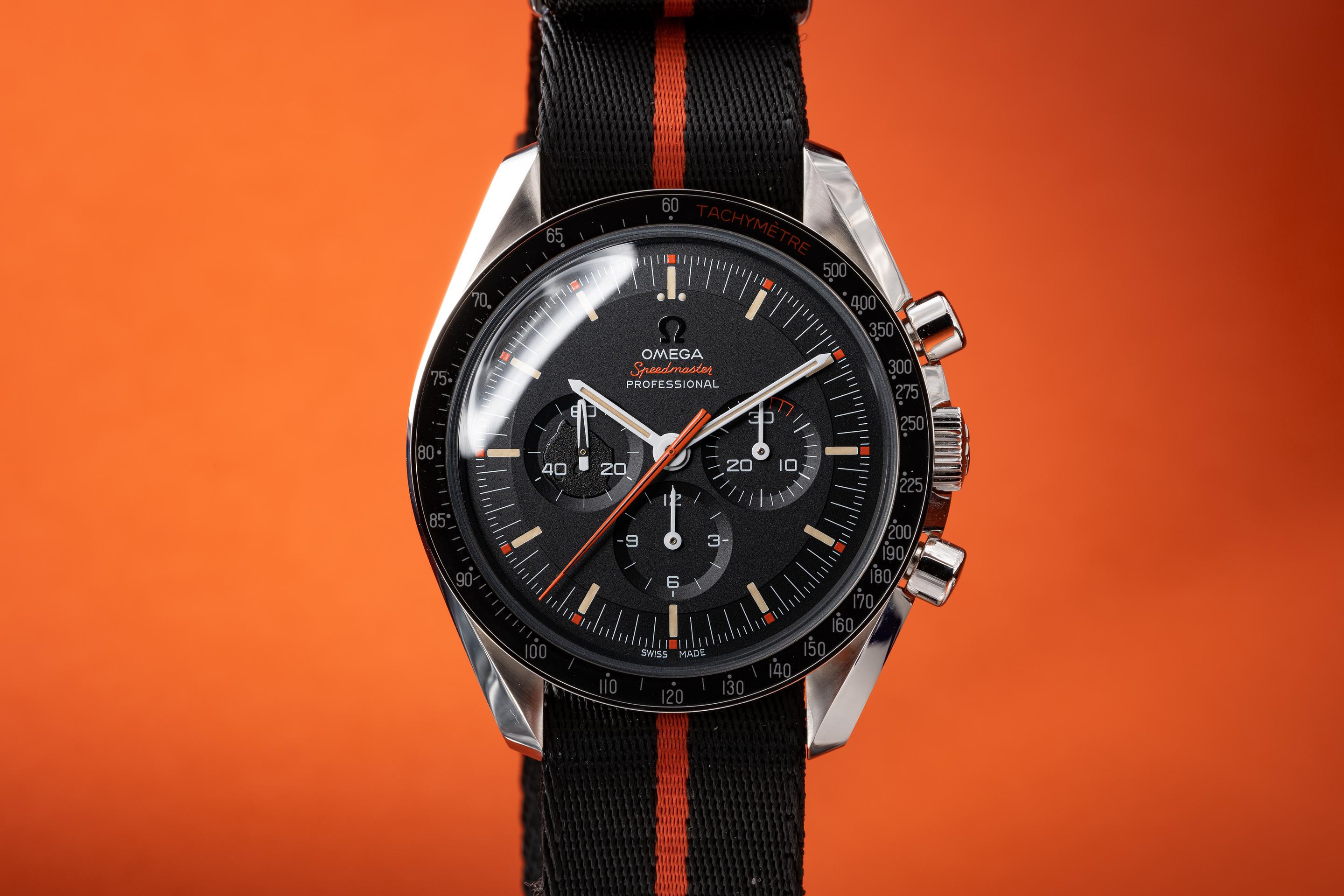














Table of Contents
Get More from the Journal