How to Wind a Rolex: The Complete Owner's Guide

How to Wind a Rolex: The Complete Owner's Guide

How to Wind a Rolex: A Complete Guide for Watch Owners

There is something satisfying about winding a mechanical watch by hand. It connects you to the craft in a way that no quartz battery ever could. If you have recently acquired a Rolex, whether it is a classic Submariner, a Datejust, or a vintage piece from decades past, understanding how to wind it properly is one of the most fundamental things you can do as a responsible owner. It is not complicated, but doing it correctly matters. A lot.

Understanding How a Rolex Movement Works

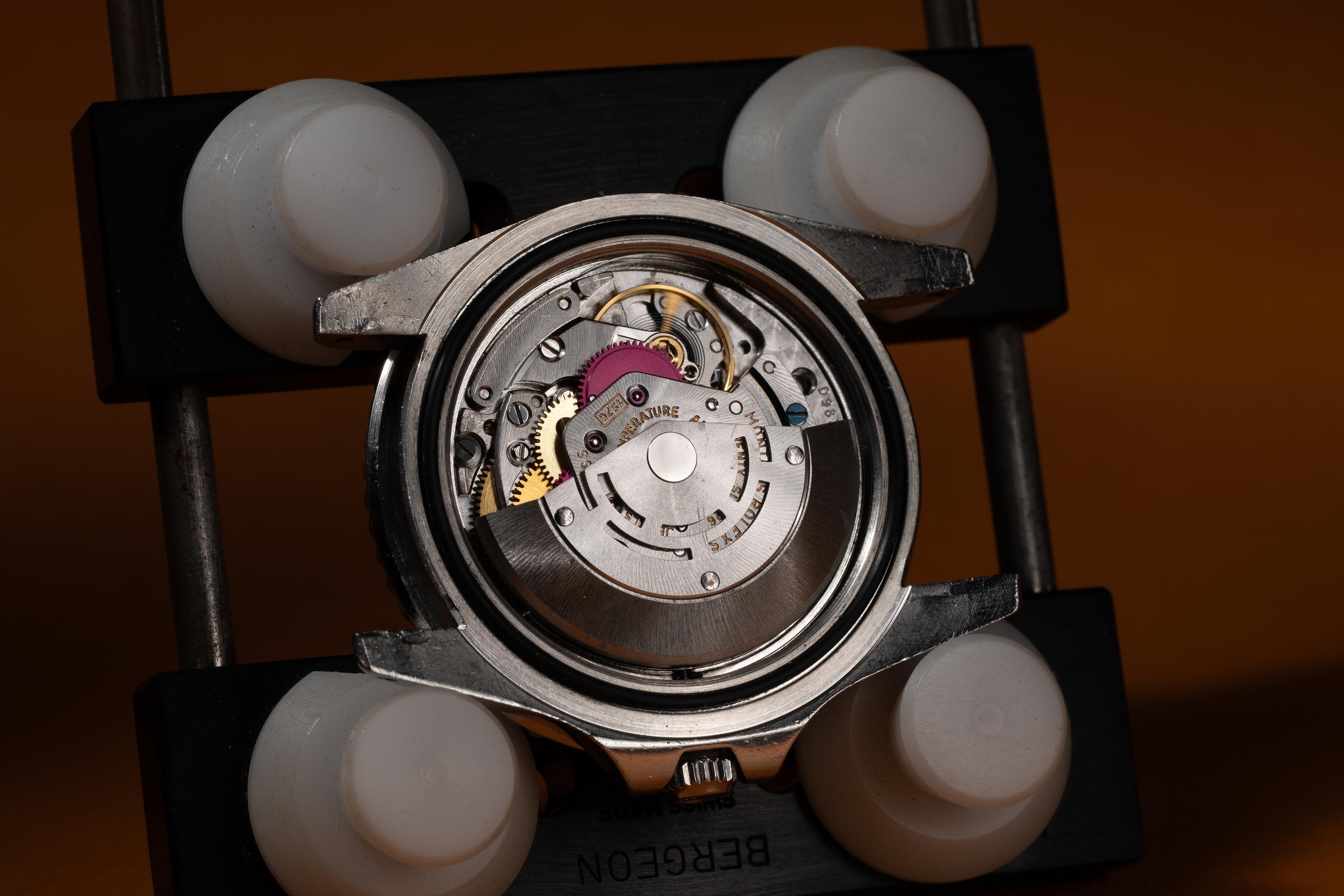
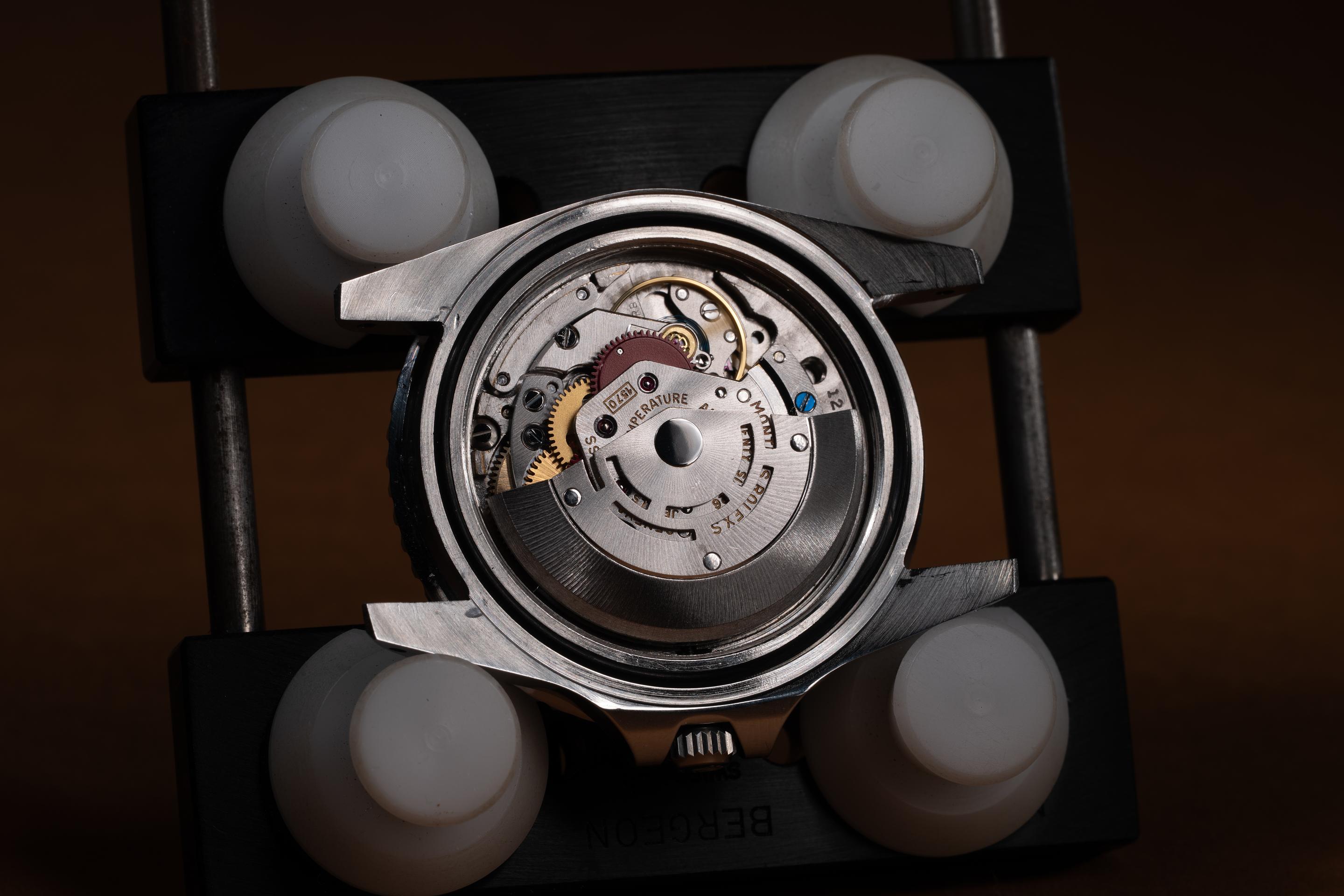
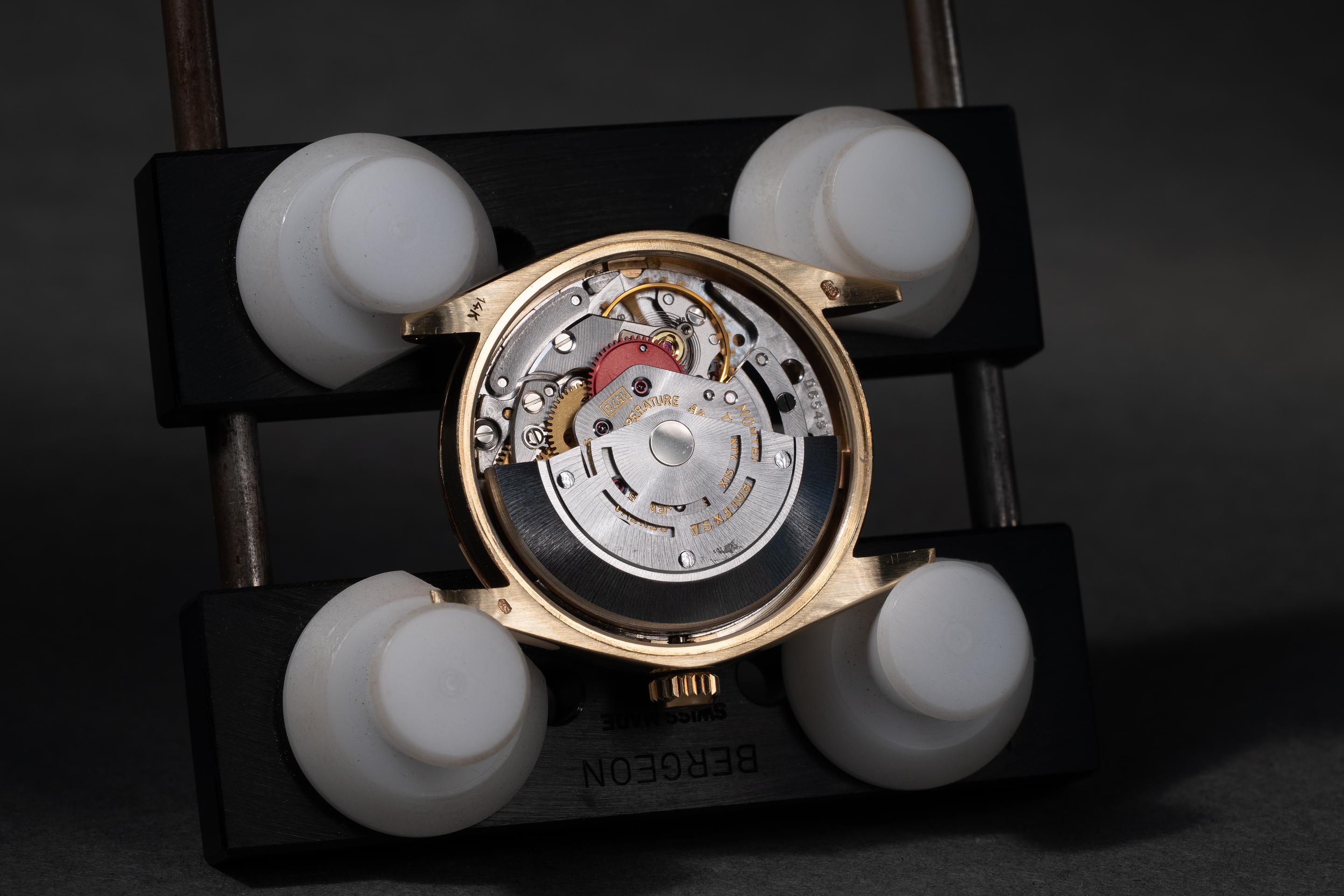
Most modern Rolex watches are powered by automatic movements, which means they wind themselves through the natural motion of your wrist during daily wear. Inside the watch sits a rotor, a semicircular weighted piece that rotates freely as your arm moves. That rotation transfers energy through a series of gears into the mainspring, which stores the power that keeps the watch running. When the watch is worn consistently, the mainspring stays wound and the watch keeps accurate time. However, if the watch sits unworn for more than a day or two, it may stop entirely. That is when manual winding becomes necessary.

The Difference Between Manual and Automatic Winding on a Rolex

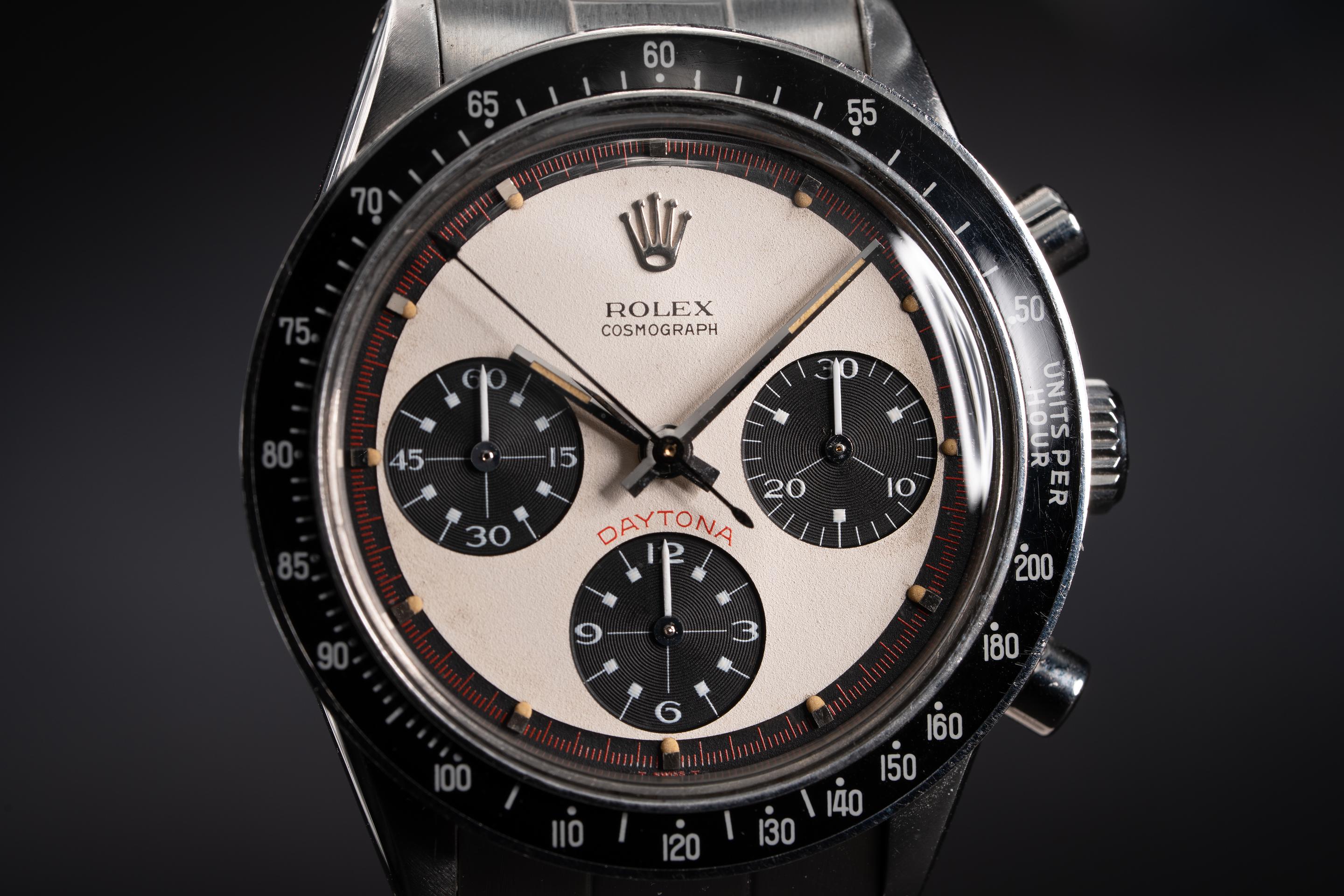
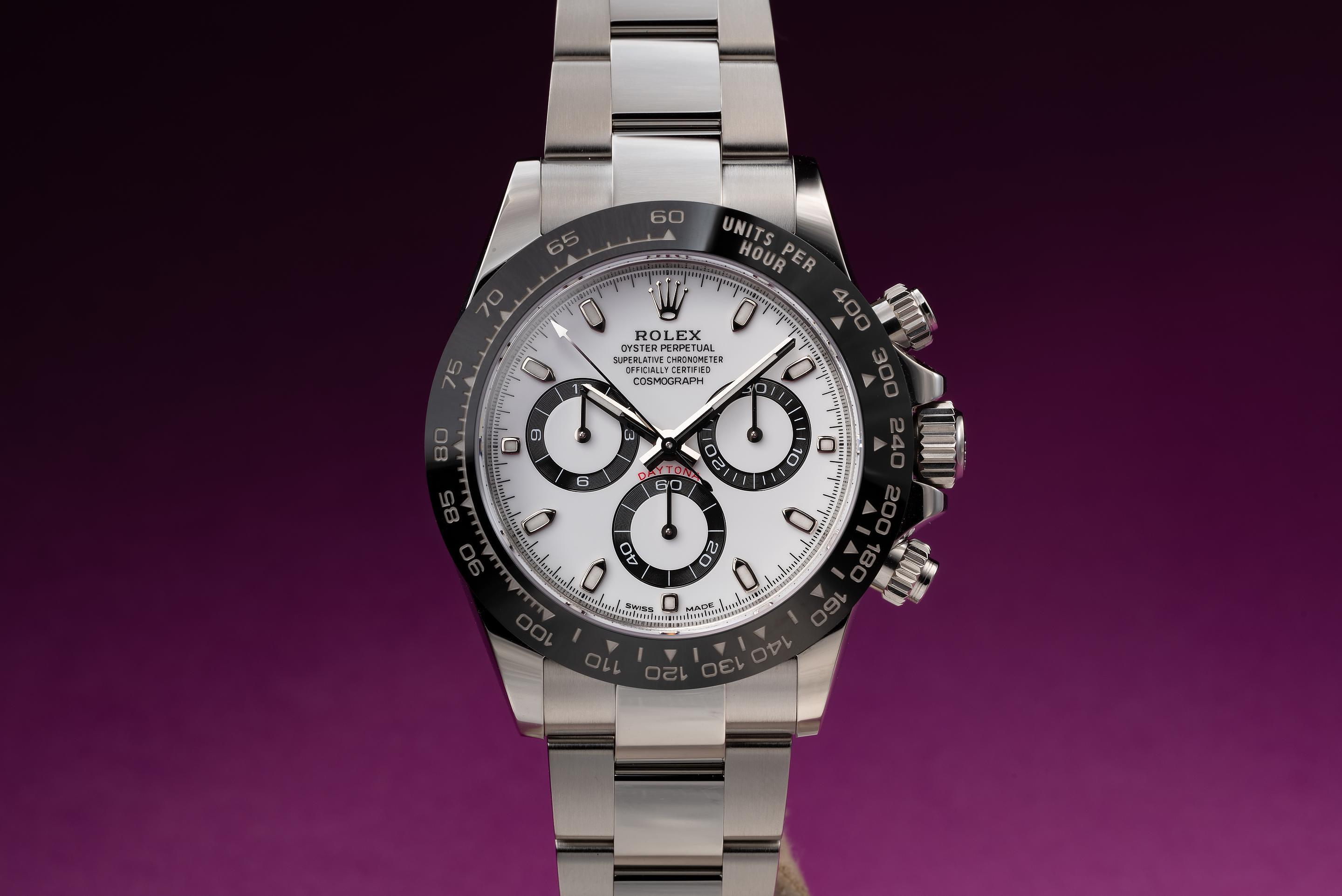
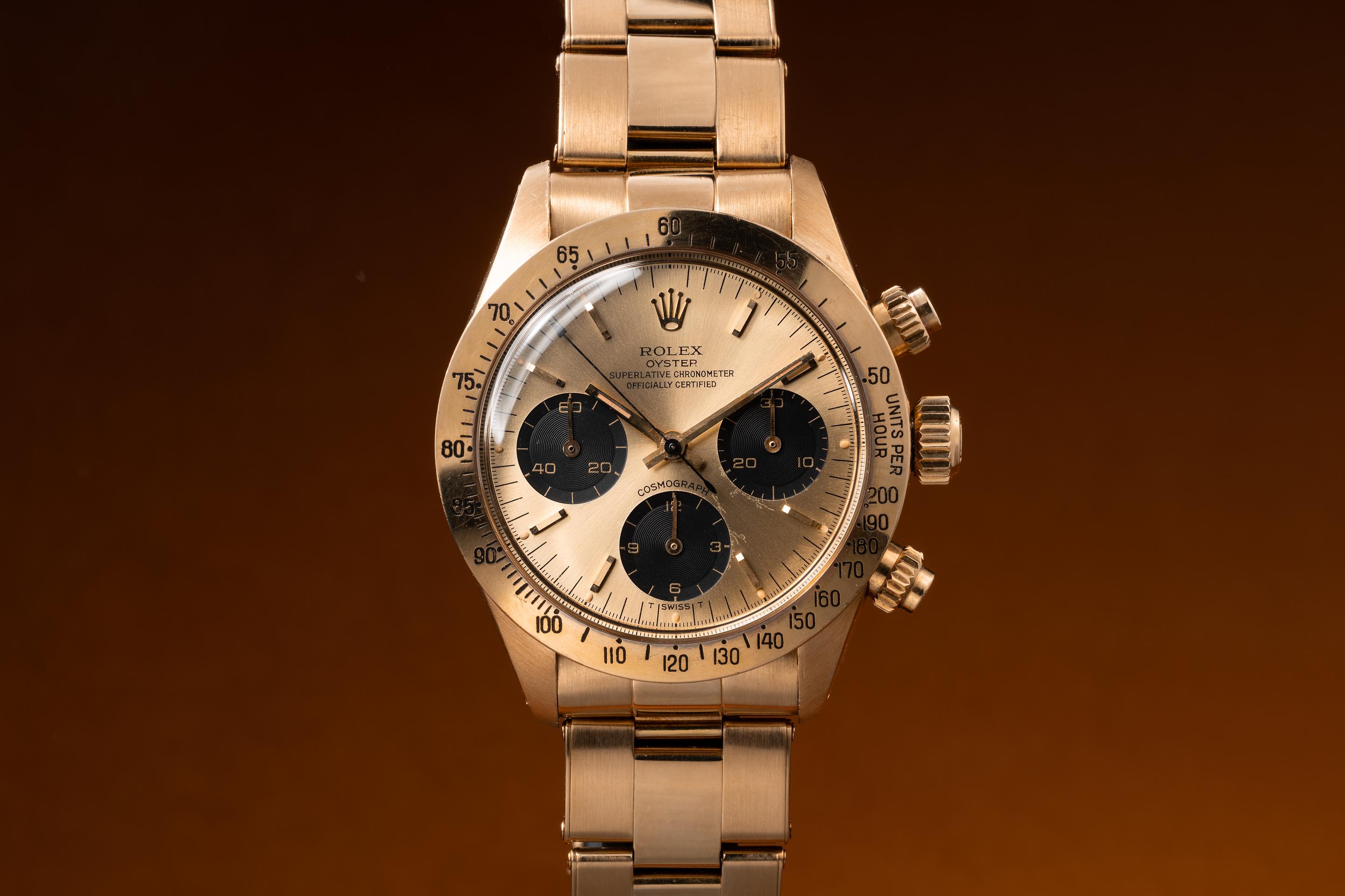
Rolex manufactures both automatic and manual-wind calibers, though the automatic movement has been the brand standard since the mid-twentieth century. Manual-wind Rolex models, such as certain vintage references and the Daytona references powered by calibers like the 4030, require you to wind them by hand every day. Automatic models can be wound manually as well, which is especially useful when starting the watch from a fully stopped state. Both types use the crown, that small knurled knob on the side of the case, to wind the mainspring. Knowing which type you own will help set your expectations for how much winding is typically required.

How to Wind a Rolex Step by Step

The process itself is straightforward. Here is how to do it correctly every time.

  • Remove the watch from your wrist before winding. This protects the crown stem and reduces the risk of accidental damage.
  • Locate the crown at the 3 o'clock position on the case side.
  • Make sure the crown is in its fully pushed-in position, which is Position 0.
  • Turn the crown clockwise in smooth, deliberate rotations. You should feel a slight resistance as the mainspring tightens.
  • For a fully depleted automatic Rolex, approximately 20 to 40 full rotations will bring it to a sufficient power reserve to begin operating.
  • For manual-wind models, continue winding until you feel a firm resistance, which signals the mainspring is fully wound.
  • Push the crown back in firmly to ensure the watch remains water resistant.

It is worth noting that Rolex movements are built with a slipping clutch mechanism on automatic calibers, which means you cannot over-wind them through manual winding. That said, there is no benefit to forcing the crown past the natural resistance point. Steady and controlled is always better.

Common Mistakes to Avoid When Winding Your Rolex

Even something as seemingly simple as winding a watch comes with a few pitfalls that are easy to avoid once you know what to look for. One of the most common errors is winding the watch while it is still on the wrist. The angle creates unnecessary lateral stress on the crown stem and, over time, can lead to wear on that component. Another issue is winding counterclockwise, which does nothing on most Rolex movements and simply engages a ratchet without transferring any energy. Always turn clockwise. Some owners also forget to push the crown back in fully after winding, which compromises the watch's water resistance. Rolex watches are engineered to tight tolerances, and that crown position matters more than most people realize.

How Often Should You Wind a Rolex?

If you wear your Rolex daily, the automatic rotor will likely keep the mainspring adequately wound without any manual intervention. The power reserve on most modern Rolex calibers falls between 48 and 70 hours, depending on the specific movement. If you rotate between multiple watches or wear your Rolex only occasionally, manual winding before each use is a smart habit. For manual-wind models, a quick daily winding at the same time each day, perhaps in the morning before putting it on, keeps the mainspring operating in a consistent portion of its tension range, which many watchmakers believe contributes to slightly more accurate timekeeping over time.

Caring for the Crown and Movement During Winding

The crown is one of the most mechanically stressed components on a watch that sees regular adjustment. Keeping it clean and free from debris is important. If you notice grit or residue near the crown tube, a soft dry cloth can address surface-level contamination before it works its way inside. If the crown feels unusually stiff or gritty during winding, that is worth having evaluated by a qualified watchmaker rather than forcing it through. Rolex recommends servicing their watches approximately every ten years under normal wearing conditions, though vintage pieces and heavily worn examples may benefit from more frequent attention. Regular winding done correctly is not harmful to the movement. In fact, keeping a mechanical watch running is generally better for it than letting it sit idle for extended periods.

Winding a Vintage Rolex: What to Know

Vintage Rolex watches require a bit more mindfulness during the winding process. Older movements may not have the same slipping clutch refinements found in contemporary calibers, and crowns on vintage references can be more vulnerable to wear or damage. If you own a vintage Rolex, particularly one that has not been recently serviced, treat the crown with extra care. Apply only gentle, steady clockwise rotation and stop at the first sign of firm resistance. Never force a vintage crown. If the watch has been sitting in storage for years, it is worth having it inspected and lubricated by a watchmaker before winding it aggressively. The oils within the movement can dry out and become abrasive rather than protective, which makes the first run after a long rest potentially more damaging than the winding itself.

Using a Watch Winder for Your Rolex

Watch winders are motorized devices that keep automatic watches wound by simulating wrist movement when the watch is not being worn. They are a convenient solution for collectors who rotate between multiple pieces. When selecting a winder for a Rolex, look for a programmable model that allows you to control the rotations per day and the direction of rotation. Rolex automatic movements wind in both directions, so a bidirectional winder is appropriate. Quality winders from reputable manufacturers are built to operate quietly and gently, which protects the movement over the long term. Cheap, poorly calibrated winders can actually over-stress certain components by running continuously, so it is worth investing in one that is specifically designed with mechanical watches in mind.

Why Tropical Watch Is Your Destination for Vintage and Pre-Owned Rolex

Understanding how to care for your Rolex, including winding it properly, is part of becoming a more confident and knowledgeable watch owner. And if you are thinking about adding a Rolex to your collection, there is no better place to start than with a trusted source that understands these watches from the inside out. At Tropical Watch, the focus is on exceptional quality, authenticity, and a curated selection of pieces that represent the finest in horological heritage. Whether you are searching for a specific vintage reference or exploring pre-owned options, finding a vintage Rolex watch from an expert dealer means you are buying with confidence, backed by genuine expertise and a passion for the craft that goes well beyond a simple transaction. The team at Tropical Watch brings the same care and precision to every piece that Rolex itself brings to its movements.

Frequently Asked Questions About Winding a Rolex

Can you over-wind a Rolex automatic watch?

No. Modern Rolex automatic calibers are equipped with a slipping clutch mechanism that prevents over-winding during manual crown rotation. Once the mainspring reaches full tension, the clutch disengages and no additional energy is transferred. You cannot damage the mainspring by winding too much on a contemporary Rolex automatic movement.

How many times should I wind my Rolex crown?

For a fully stopped Rolex automatic, approximately 20 to 40 clockwise rotations of the crown will provide enough power reserve to start and run the watch. Manual-wind models should be wound until you feel firm resistance, which typically takes a similar number of rotations depending on the caliber.

Should I wind my Rolex while wearing it on my wrist?

No. Winding a Rolex while it is on the wrist places lateral stress on the crown stem at an unnatural angle. Over time, this can accelerate wear on the stem and crown tube. Always remove the watch and hold it gently in your opposite hand before winding.

How do I know if my Rolex needs to be wound?

The clearest sign is that the watch has stopped running or the seconds hand has ceased moving. If the watch feels sluggish or is losing time noticeably, the power reserve may be running low. For automatic models worn daily, manual winding is rarely necessary unless the watch has sat unworn for more than 48 hours.

What direction do I turn the crown to wind a Rolex?

Always turn the crown clockwise when winding. Counterclockwise rotation engages the ratchet mechanism in the opposite direction and does not transfer energy into the mainspring. Consistent clockwise rotation in smooth, deliberate strokes is the correct technique for all Rolex winding.

Is winding a vintage Rolex different from winding a modern one?

The basic principle is the same, but vintage Rolex movements deserve more careful handling. Older calibers may lack some of the protective mechanisms found in modern movements, and the lubricants inside may have degraded over time. Use gentle, controlled rotation and have a vintage Rolex inspected by a qualified watchmaker before winding it after a long period of storage.

How to Wind a Rolex: The Complete Owner's Guide
Do Tudor Watches Hold Value? What Buyers Should Know
Fake Cartier Watch vs Real: How to Spot the Difference
How Much Is a Cartier Watch? Complete Pricing Guide
Rolex Bracelets: Every Style, Material, and Option
Audemars Piguet Watch Care: Protect Your Investment
Tudor Black Bay 58 Review: The Dive Watch Worth Knowing
The History of Patek Philippe: Legacy, Craft & Value
Entry Level Omega Watches: What You Need to Know
Cartier Santos: Aviation Heritage Meets Timeless Design
Is Patek Philippe a Good Investment? Here Is the Truth
Patek Philippe Serial Numbers: Date & Authenticate Guide
OMEGA Watch Terms Explained: A Buyer's Complete Guide
Audemars Piguet Buying Guide: What You Need to Know
Cartier Watchmaking Innovations That Shaped Horology
Omega Serial Numbers: Date & Authenticate Your Watch
Rolex Jubilee vs Oyster Bracelet: Which Is Right for You
Audemars Piguet Watch Prices: What You Should Know
How to Sell a Patek Philippe Watch and Get Top Dollar
Best Patek Philippe Watches: A Collector's Guide
The History of Cartier Watches: Icons, Legacy & Craft
Rolex Bubbleback History and Legacy in Automatic Watchmaking
Rolex Milsub 5517: The Iconic Military Submariner Unveiled
Iconic Movie Watches and the Swiss Legacy Behind Them
Decode Your Rolex: Serial Numbers, History, and Hidden Value
Mastering Speed: How the Tachymeter Scale Measures Time
Does Rolex Own Tudor? A Look at the Legendary Watch Duo
Omega Speedmaster 1969 Price and Legacy of the Moonwatch
Rolex COMEX Watch History and Rarity of a Deep-Sea Icon
Paul Newman Daytona: The Rolex That Redefined Collecting
Rolex Milsub 5513: The Legendary Tool Watch Uncovered
Inside the Domino’s Rolex: Where Fast Food Meets Fine Time
Rolex GMT-Master: The Astronaut’s Choice for Dual Time Precision
Rolex Service Cost Breakdown: What to Expect and Why It Matters
Rolex GMT-Master: The Astronaut’s Choice for Dual Time Precision
How to Change the Date on a Rolex Without Messing It Up
Celebrities and Rolex: Timepieces That Tell More Than Time
Why the Poor Man’s Rolex Is Actually a Smart Watch Move
Should You Insure Your Rolex Watch? Smart Protection Tips
Why Rolex Is So Popular in the Swiss Watch World
Why Rolex Sports Watches Feature Iconic Mercedes Hands
Rolex Daytona and Le Mans: A Legacy of Speed and Precision
Rolex Submariner Lug Width Explained: Fit, Style, Legacy
How Many Rolex Watches Are Made Each Year Really
How to Set the Time on a Rolex Without Messing It Up
Rolex Daytona 6239: The Chronograph That Changed the Game
Why the Rolex Daytona Is the Most Wanted Watch Alive
Rolex John Mayer Daytona: Green Dial Gold Icon Explained
Timeless Style: Female Celebrities Who Love Their Rolex
Is a Rolex Watch Worth It? Investment Value Explained
Rolex Green Sticker Meaning: History, Value, and Collectibility
Rolex Wimbledon Datejust 41: Timeless Style with a Green Edge
Rolex Oysterquartz Day-Date: Bold Design Meets Quartz Legacy
Mother of Pearl Rolex Dials: Elegance in Every Iridescent Glance
Grand Seiko vs Seiko vs Swiss Watches Craftsmanship Showdown
What Is an Automatic Watch and Why It Still Matters Today
Casino Royale’s Omega Seamaster: Bond’s Timeless Wrist Game
Omega Speedmaster Moonwatch: Swiss Craft Meets Space History
Omega x Ultraman: A Legendary Speedmaster Pop-Culture Pairing
How Much Is a Rolex in 2024? Real Talk on Swiss Luxury
Swiss GMT Watches That Master Time Zones in Style
Swiss GMT Watches: Timeless Craft for Global Travelers
Top Swiss Watch Brands That Define Time, Style, and Legacy
John Mayer Daytona Watch: The Gold and Green Grail Rolex
How Much Is a Rolex Watch Really Worth in 2025?
The Rolex Crown Logo and Its Legacy in Swiss Watchmaking
Chronograph Watches Explained: Style, History, and How They Work
Inside a Swiss Watch: Parts, Craft, and Precision Unveiled
Rolex Batman GMT-Master II Review: Style Meets Function
Rolex GMT Batman vs Batwoman: Icon Moves in Black and Blue
Rolex and Wimbledon: A Legacy of Precision and Prestige
Inside the Swiss Watch Legacy: Craft, Time, and Precision
Tom Brady’s Rolex Day-Date 40: Precision Meets Legacy
Where Rolex Watches Are Made: Inside Switzerland’s Finest Craft
Rolex Submariner Ultimate Guide: Dive Into Iconic Timekeeping
Rolex Datejust 31 Review: Timeless Elegance Meets Innovation
Rolex Caliber 655 Guide: Vintage Charm with Mechanical Grit
Rolex Sea-Dweller Review: Dive Deep into Iconic Precision
Who Owns Rolex and Why It’s Unlike Any Other Watch Brand
Rolex Datejust Watch Guide: Swiss Craft Meets Timeless Style
Rolex Watch Service Guide: When, Why, and What to Expect
Why Rolex Is Famous: Swiss Precision Meets Iconic Style
Inside Rolex Watch Repair: Craftsmanship, Precision, Legacy
The Rolex Fix: Keeping Time with Swiss Precision and Care
Rolex Watches and Prices Explained: Luxury, Craft, Legacy
Rolex Serial Number Lookup Guide for Age and Authenticity
Rolex Bracelet Types Explained: Craft, Legacy, and Innovation
Rolex Watch Prices Explained: Models, Features, and Value
Rolex Cosmograph Daytona History and Legacy Explained
How Much Does a Rolex Cost? Pricing Levels and Key Factors
Rolex Daytona History and Innovation in Swiss Watchmaking
How to Change the Time on a Rolex Watch with Precision
Rolex Watch Sizes Guide: History, Purpose, and Precision
Rolex GMT-Master History and Legacy of an Iconic Timepiece
Where Rolex Watches Are Made: Inside Swiss Manufacturing Mastery
Rolex Oyster Perpetual Datejust: A Legacy of Timeless Precision
Rolex and the Swiss Watch Legacy: Precision That Endures
Rolex Datejust: A Timeless Icon of Swiss Watchmaking Excellence
Ladies Diamond Rolex Watches: Iconic Craftsmanship and Elegance
Rolex Watch Prices in 2025: What Drives the Cost
Why Rolex Watches Are So Expensive: Craftsmanship and Prestige
Previous Item
Previous
Next Item
Next

Shop Watches