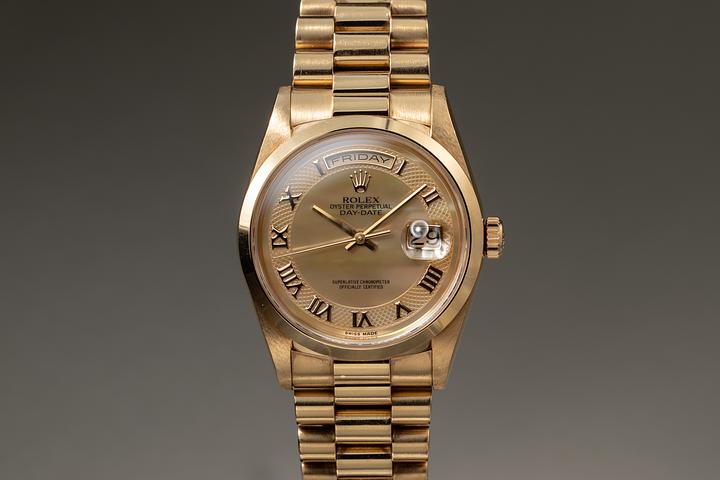
Patek Philippe Serial Numbers: Date & Authenticate Guide
Understanding Patek Philippe Serial Numbers: A Complete Guide
If you have ever held a Patek Philippe in your hands, you already know that something about it feels different. The weight, the finish, the quiet confidence it carries. But behind that physical presence is a layer of information that is just as compelling, and that is the serial number. Whether you are buying, selling, or simply trying to date a piece you already own, understanding Patek Philippe serial numbers is one of the most practical skills a collector can have. It opens a window into the watch's history, its production era, and ultimately, its authenticity.
What Is a Patek Philippe Serial Number and Where Is It Located
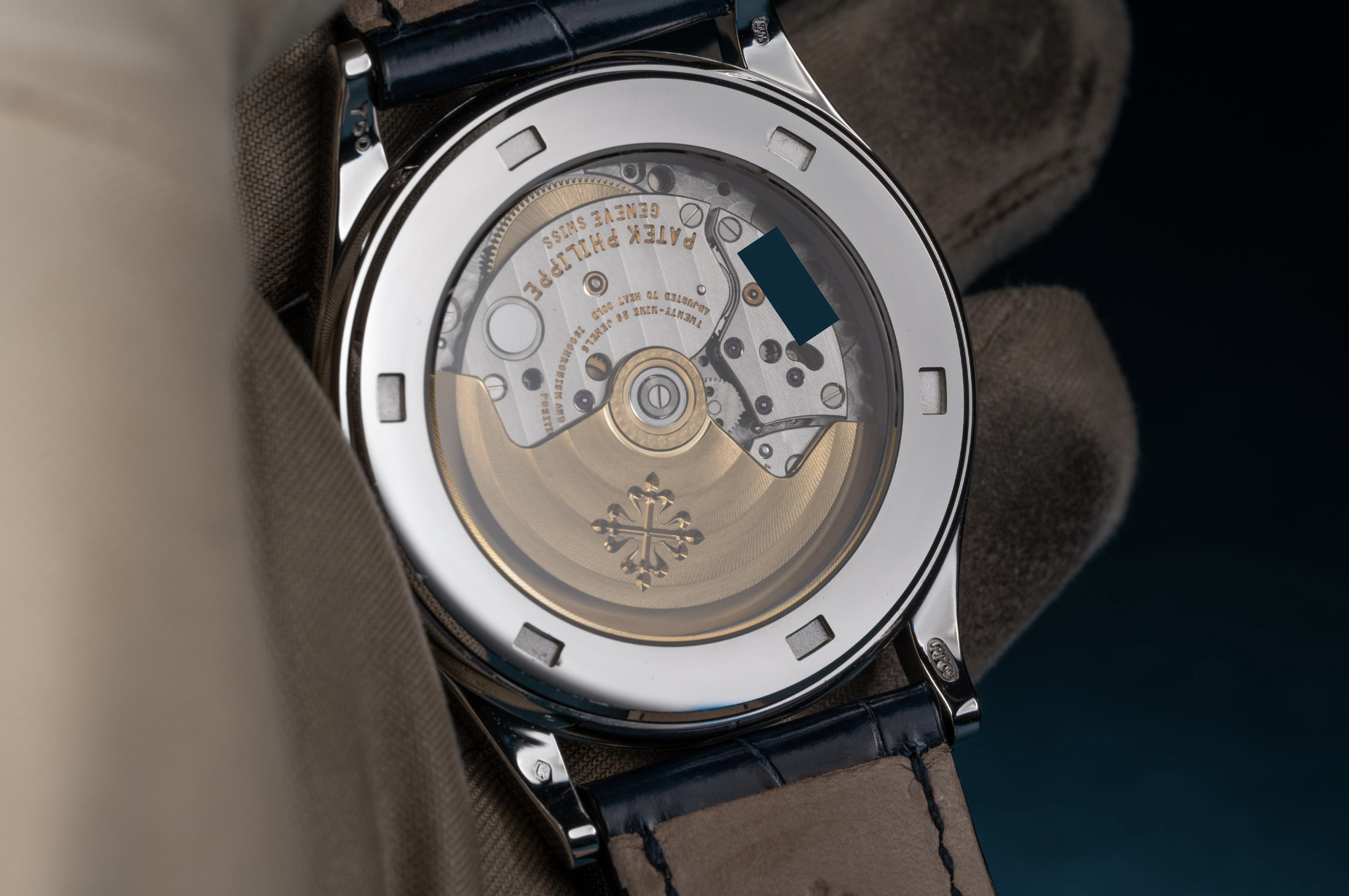
A Patek Philippe serial number is a unique identifying code assigned to each watch during the manufacturing process. This number is engraved directly onto the movement, which means you typically need to have the case opened by a watchmaker to view it. On some models, the serial number may also appear on the case back or between the lugs, though movement engravings are considered the primary reference point. The serial number is distinct from the reference number, which identifies the model. Think of the reference number as the model name and the serial number as the individual fingerprint of a specific watch.
The History Behind Patek Philippe Serial Number Records
Patek Philippe has been producing fine timepieces since 1839, and the company has maintained remarkably detailed production records throughout much of its history. Serial number documentation became increasingly systematic throughout the late 19th and early 20th centuries. The Geneva-based manufacture is well known for keeping meticulous archives, which is part of why a Patek Philippe Extract from the Archives remains one of the most respected provenance documents in the entire watch world. This certificate, issued directly by the manufacture, confirms the reference number, movement number, case material, dial color, and the date it left the factory. That level of documentation is rare and adds measurable value.
How to Use a Patek Philippe Serial Number Date Chart
Using a serial number to approximate the production year of a Patek Philippe is a process that relies on published date tables that correlate serial number ranges to specific years. For example, serial numbers in the range of approximately 100,000 to 130,000 generally correspond to watches produced in the late 1920s, while numbers approaching 1,000,000 were being assigned in the mid-1980s. Numbers now exceed 5,000,000 for contemporary production. These ranges are approximations, not absolutes. Patek Philippe did not always assign numbers in strict chronological order across all departments, and movements sometimes sat before being cased. So treat these tables as a strong reference point rather than a definitive timestamp.
Key Serial Number Ranges and Approximate Dates
To give you a working sense of the timeline, here is a rough overview of serial number ranges and their approximate production periods:
- Serial numbers 100,000 to 175,000 correspond roughly to the 1920s through early 1930s
- Serial numbers 175,000 to 350,000 span roughly the late 1930s through the 1940s
- Serial numbers 350,000 to 600,000 cover approximately the 1950s through 1960s
- Serial numbers 600,000 to 850,000 align with the late 1960s through the 1970s
- Serial numbers 850,000 to 1,500,000 generally place a watch in the 1980s
- Serial numbers from 2,000,000 onward begin representing the 1990s and beyond
These ranges are based on historical data compiled by dealers, auction houses, and collectors over many decades. Cross-referencing multiple sources is always recommended.
Why Serial Numbers Matter for Authentication
In the vintage watch market, serial numbers are not just interesting, they are essential. A serial number that does not match the expected range for a given reference number is a significant red flag. For instance, if a watch is presented as a 1950s Calatrava but its movement serial number falls within a range associated with the 1970s, something does not add up. Skilled collectors and professional authenticators use serial numbers in combination with case construction, dial typography, hands, and movement finishing to build a complete picture. No single detail tells the whole story, but the serial number is always part of the conversation.
Movement Numbers Versus Case Numbers on Patek Philippe Watches
This distinction trips up a surprising number of buyers, so it is worth addressing directly. The movement serial number and the case number are two separate identifiers, and they are not interchangeable. The movement number is engraved on the caliber itself. The case number, when present, is typically engraved on the case body and relates to the case manufacturing records. When Patek Philippe issues an Extract from the Archives, it references the movement number, not the case number. If you are verifying a watch for purchase, always confirm you are looking at movement references in relation to published serial number tables.
How Serial Numbers Affect Collectibility and Value
Serial numbers can tell you more than just the age of a watch. In some cases, they help identify specific production variants, dial configurations, or limited production windows that make certain pieces more desirable. A watch from a transitional production period, for example, might carry features from two different design eras, something that advanced collectors actively seek out. Additionally, watches with fully documented and verifiable serial numbers consistently command stronger prices at auction and in private sales. Provenance matters enormously in this category, and the serial number is the foundation of that provenance. Watches with matching paperwork, service records, and an archived movement number represent the gold standard.
Common Mistakes Buyers Make When Researching Serial Numbers
Even experienced buyers occasionally stumble here, so this section is worth reading slowly. One of the most common errors is relying on a single online serial number table without cross-referencing other sources. Tables vary in accuracy depending on how they were compiled. Another mistake is confusing the reference number with the serial number, which leads to entirely incorrect conclusions about a watch's age or authenticity. Buyers also sometimes overlook that movements can be re-cased, meaning the serial number accurately identifies the movement's age but the case may be from a different period entirely. Always verify holistically, not in isolation.
Why Tropical Watch Is Your Trusted Source for Verified Luxury Timepieces
When you are researching serial numbers and thinking seriously about acquiring a vintage Patek Philippe or a comparable luxury timepiece, the dealer you work with matters as much as the watch itself. Tropical Watch has built a reputation for transparency, rigorous authentication, and an inventory curated with collectors in mind. Every piece is evaluated with the same attention to detail you would expect from a specialist who understands that serial numbers, provenance, and documentation are not footnotes, they are the story. If you are ready to explore a collection where accuracy and integrity come standard, discover authenticated vintage timepieces at Tropical Watch, a destination built for collectors who know what to look for and expect nothing less than the full picture. Working with a team that understands movement references, production histories, and the nuances of vintage markets is simply the smarter way to buy.
Frequently Asked Questions About Patek Philippe Serial Numbers
Where is the serial number located on a Patek Philippe watch?
The primary serial number on a Patek Philippe is engraved on the movement and is typically visible only when the case is opened by a qualified watchmaker. Some models also have numbers engraved on the case back or between the lugs, but the movement number is the definitive reference used for archival purposes.
Can I date my Patek Philippe using just the serial number?
Yes, with reasonable accuracy. Published serial number tables correlate number ranges to approximate production years, allowing you to estimate when a movement was manufactured. However, slight variations in production scheduling mean these dates are best treated as approximations rather than exact years.
What is a Patek Philippe Extract from the Archives?
An Extract from the Archives is an official document issued by Patek Philippe that certifies key details about a specific watch, including the reference number, movement number, case material, dial specifications, and the date it left the manufacture. It is considered one of the most authoritative provenance documents in the luxury watch world.
Is the serial number the same as the reference number on a Patek Philippe?
No, these are two entirely different identifiers. The reference number identifies the model type, while the serial number is unique to each individual watch and is engraved on the movement. Confusing the two is a common mistake that can lead to inaccurate research conclusions.
Can a mismatched serial number indicate a fake Patek Philippe?
A serial number that does not align with the expected range for a given reference or production era is a serious concern and warrants further examination by an expert. While re-casing and other legitimate modifications can create discrepancies, a mismatched number should never be dismissed and always investigated before purchase.
How many digits does a Patek Philippe serial number have?
Patek Philippe serial numbers have grown in digit length over the decades as production numbers have increased. Vintage pieces from the early to mid-20th century may have six-digit numbers, while contemporary watches carry seven-digit numbers. The number of digits alone can offer a rough initial indication of a watch's era.








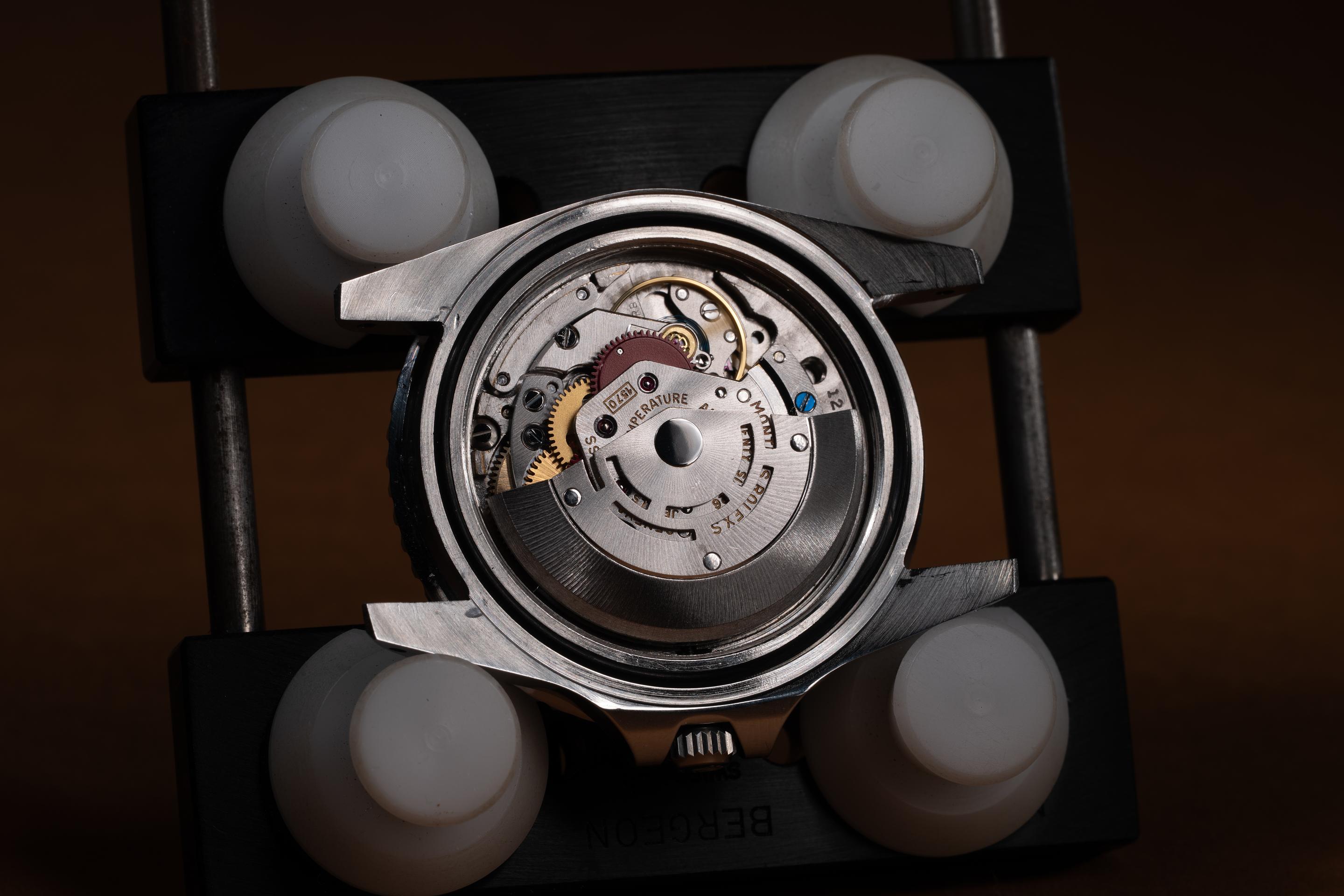












Table of Contents
Get More from the Journal