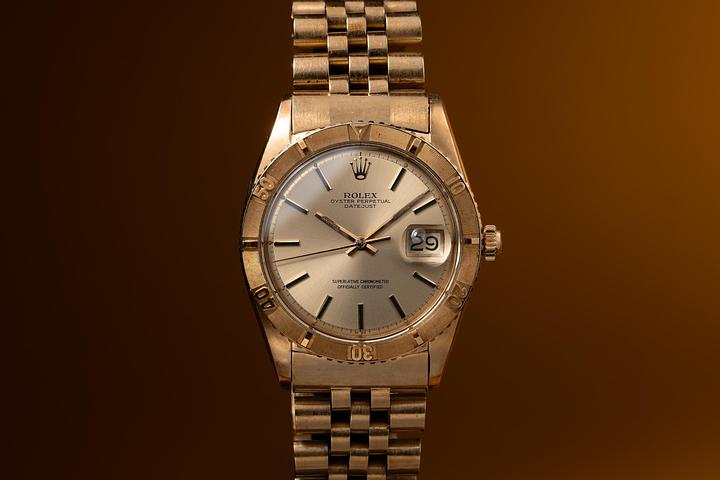
Rolex Water Resistance: Ratings, Models & What They Mean

Rolex Water Resistance: Everything You Need to Know Before You Dive In
When people talk about Rolex watches, water resistance always comes up. And honestly, it should. Rolex has been engineering waterproof timepieces since 1926, which means the brand has nearly a century of experience pushing the limits of what a watch can survive underwater. Whether you are considering a Submariner for actual diving or just want to know how much splash your Datejust can handle, understanding Rolex water resistance ratings is essential before you make any purchasing decision. This guide breaks it all down in plain terms.
The History of Rolex Water Resistance and the Oyster Case
Rolex did not invent the wristwatch, but it did invent the first waterproof wristwatch case. In 1926, Rolex introduced the Oyster case, a hermetically sealed design that protected the movement from water, dust, and pressure. The name was inspired by the oyster shell, which locks tightly shut to protect what is inside. To prove the concept worked, Rolex had Mercedes Gleitze swim the English Channel in 1927 while wearing an Oyster on a chain around her neck. The watch survived. That single event became one of the most effective marketing moves in watchmaking history. The Oyster case became the foundation for virtually every Rolex sport and professional watch that followed, and its core design principles remain intact today.
How Rolex Achieves Its Water Resistance
The water resistance in a Rolex comes from three primary sealing points on the Oyster case. First, the winding crown screws down securely against the case using a threaded tube system, which Rolex calls the Twinlock or Triplock system depending on the model. Second, the crystal is set into the case under pressure using a gasket that creates an airtight seal. Third, the case back is screwed down rather than snapped or hinged, which eliminates one of the most common points of water entry found in other watch designs. Each component works together to create a pressurized seal that holds even under significant depth. The gaskets inside are made from rubber and other synthetic materials that maintain elasticity over time, though they do require periodic inspection and replacement to stay effective.
Understanding Rolex Water Resistance Ratings by Model
Not all Rolex watches are rated equally when it comes to water resistance. The brand covers a wide spectrum, from everyday dress watches to professional dive instruments. Here is a breakdown of how the ratings stack up across the lineup.
- Oyster Perpetual and Datejust: Water resistant to 100 meters (330 feet)
- Rolex Explorer I: Water resistant to 100 meters (330 feet)
- Rolex GMT-Master II: Water resistant to 100 meters (330 feet)
- Rolex Daytona: Water resistant to 100 meters (330 feet)
- Rolex Submariner and Submariner Date: Water resistant to 300 meters (1,000 feet)
- Rolex Sea-Dweller: Water resistant to 1,220 meters (4,000 feet)
- Rolex Deepsea: Water resistant to 3,900 meters (12,800 feet)
The jump between the Submariner and the Deepsea is extraordinary. The Deepsea achieves its depth rating through a combination of a 5.5mm sapphire crystal, a Ringlock System that uses a nitrogen-alloyed steel ring to absorb pressure, and a case that is significantly thicker than other Rolex sport models. It is built for extreme professional deep-sea diving, not casual wear, though many collectors simply love the technical achievement it represents.
What Water Resistance Ratings Actually Mean in Real Life
This is where a lot of people get confused. A watch rated to 100 meters does not necessarily mean you should wear it while scuba diving. The ISO 22810 standard, which governs water resistance ratings, tests watches under static conditions using controlled pressure. Real-world water pressure during active movement, jumping into water, or high-speed swimming can be significantly higher than what static testing reflects. For a Datejust or GMT-Master II rated to 100 meters, swimming and showering are perfectly fine. Snorkeling is acceptable. Scuba diving with compressed air equipment is where you want a Submariner or higher. The Submariner, with its 300-meter rating and screw-down crown, is what ISO classifies as a dive watch, meaning it meets the standard for recreational scuba diving.
The Role of the Crown: Twinlock vs. Triplock
The winding crown on a Rolex is not just a functional piece for setting the time and date. It is a critical sealing component, and Rolex engineers it differently depending on the model. The Twinlock system uses two sealed zones and is found on models like the Submariner in earlier generations and the Explorer. The Triplock system, identified by the three dots on the crown, uses three sealed zones and is found on the more water-resistant professional models including the Submariner Date, Sea-Dweller, and Deepsea. The difference matters. If the crown is not fully screwed down before entering water, water resistance is significantly compromised regardless of the model's depth rating. This is a simple operational habit that every Rolex owner should develop without exception.
Maintaining Rolex Water Resistance Over Time
Water resistance is not a permanent condition. It degrades over time as gaskets age, compress, and lose their elasticity. Rolex recommends having the water resistance tested and the seals inspected roughly every two to three years, particularly if the watch is worn regularly in water. This service is typically performed by an authorized Rolex service center and involves pressure testing the case after replacing worn gaskets. Skipping this maintenance does not necessarily mean water will immediately enter the case, but the risk increases with each passing year. Additionally, exposure to chlorinated pool water, saltwater, and extreme temperature changes can accelerate gasket wear. Rinsing the watch in fresh water after ocean swimming and drying it thoroughly before crown manipulation are both practical habits that extend the life of the seals.
Vintage Rolex Watches and Water Resistance Considerations
Vintage Rolex watches, especially those from the 1950s through the 1980s, were often rated to water resistance standards of their era that differ from modern certifications. A vintage Submariner from that period may have originally carried a 200-meter rating, but decades of wear, gasket degradation, and service history can dramatically affect actual water resistance today. Collectors and enthusiasts who wear vintage pieces in or near water should have those watches properly serviced and pressure tested before exposure. It is also worth noting that many vintage Rolex models carry enormous collector value, and water damage to a dial or movement can significantly diminish that value. When in doubt, treat a vintage Rolex as a water-sensitive timepiece until a qualified watchmaker confirms otherwise.
Why Rolex Water Resistance Engineering Sets the Industry Standard
The luxury watch industry is filled with brands that make credible dive watches, but Rolex remains the benchmark that others are measured against. The Submariner defined the category when it launched in 1953 and has influenced the design of sport watches across every major Swiss manufacture. The Sea-Dweller came about through Rolex's direct partnership with COMEX, the French professional diving company, to develop watches capable of surviving saturation diving operations. That real-world testing and application of engineering solutions is part of what gives Rolex watches their credibility. These are not laboratory claims. They are products refined through decades of practical use in conditions most people will never encounter.
Find Your Next Rolex at Tropical Watch
Understanding Rolex water resistance is not just an academic exercise. It directly informs which model is right for how you plan to live with the watch. Whether you need a capable everyday companion rated to 100 meters or a serious dive instrument that can go where few watches dare, Rolex has engineered a solution for every level of aquatic ambition. If you are exploring the collector market for pre-owned and vintage references, working with a trusted source makes all the difference. At Tropical Watch, the focus is on sourcing exceptional vintage and pre-owned Rolex timepieces with the expertise and authenticity standards that serious collectors expect. For anyone searching for water-resistant vintage Rolex watches with verified provenance, Tropical Watch offers a curated inventory and the kind of knowledgeable guidance that elevates the buying experience from a transaction into something worth remembering.
Frequently Asked Questions About Rolex Water Resistance
Can I shower with my Rolex Submariner?
Yes, the Rolex Submariner is water resistant to 300 meters and is fully capable of handling showering, swimming, and recreational diving. Just ensure the crown is fully screwed down before water exposure.
How often should Rolex water resistance be tested?
Rolex recommends having water resistance tested approximately every two to three years, especially for watches worn regularly in water. Gaskets degrade over time and should be inspected and replaced as part of routine servicing.
Is the Rolex Datejust waterproof?
The Rolex Datejust is water resistant to 100 meters, which makes it suitable for swimming and showering. It is not recommended for scuba diving or high-impact water activities, as it does not meet the ISO dive watch classification.
What is the most water-resistant Rolex ever made?
The Rolex Deepsea holds that distinction with a water resistance rating of 3,900 meters, which is equivalent to 12,800 feet. It was designed for extreme professional deep-sea environments and uses the proprietary Ringlock System to achieve that depth rating.
Does a Rolex crown position affect water resistance?
Yes, significantly. If the crown is pulled out to set the time or date and is not fully screwed back down, the water resistance of the watch is compromised regardless of its rated depth. Always screw the crown down completely before entering water.
Can vintage Rolex watches still be used in water?
Vintage Rolex watches may have degraded gaskets that no longer provide reliable water resistance, even if the original rating was high. Any vintage Rolex intended for water use should be serviced, pressure tested, and cleared by a qualified watchmaker before exposure to water.


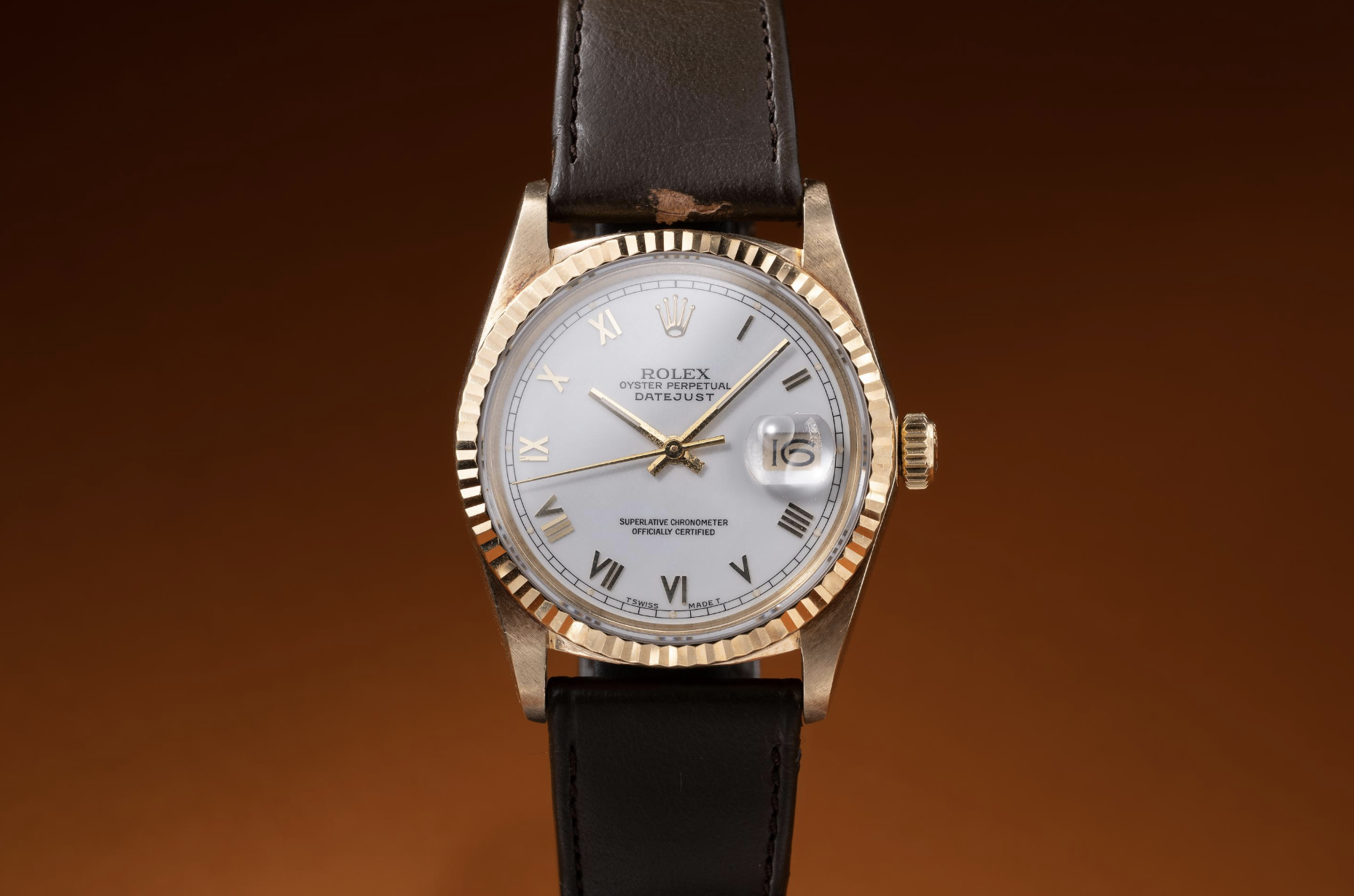




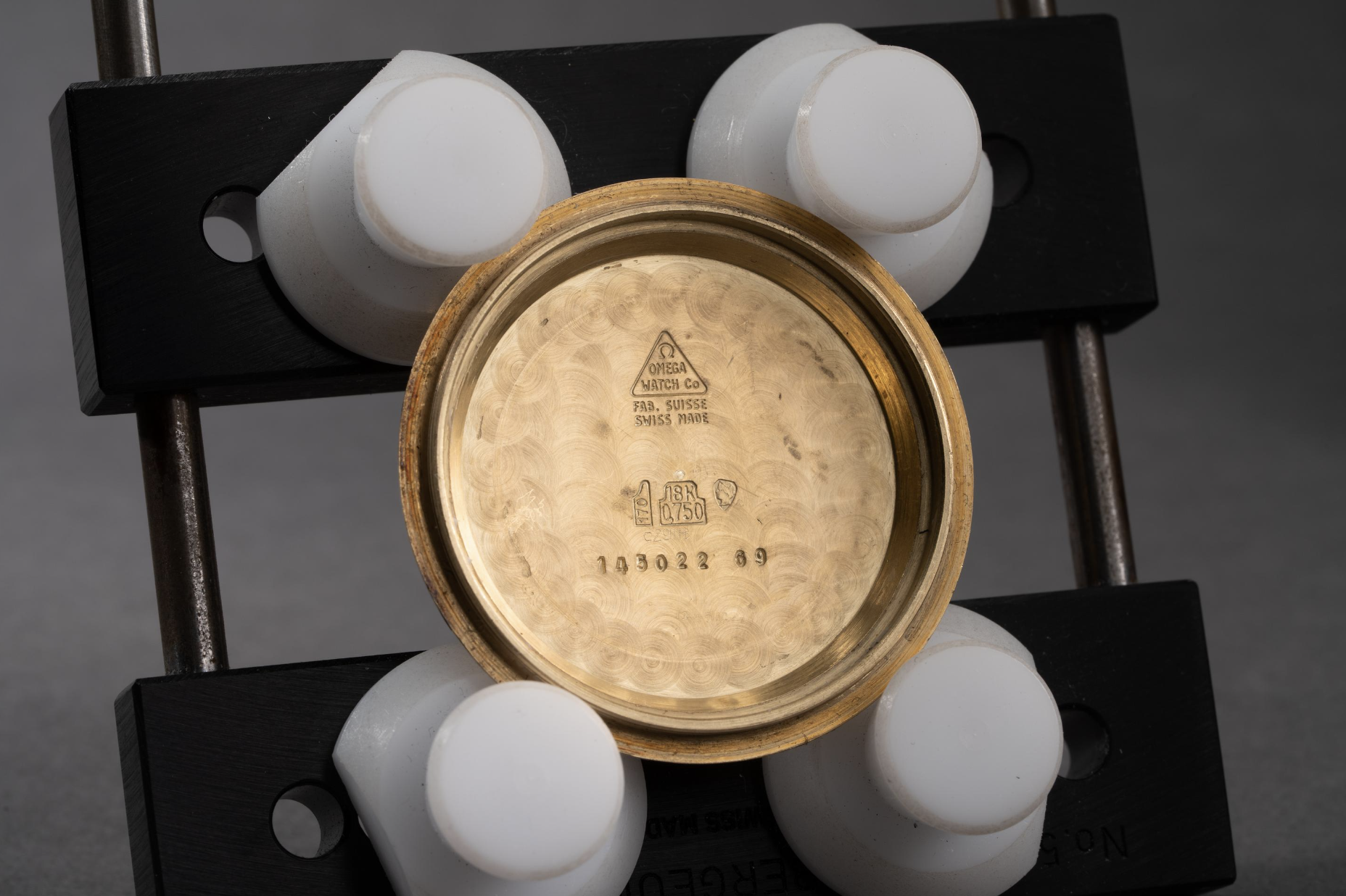


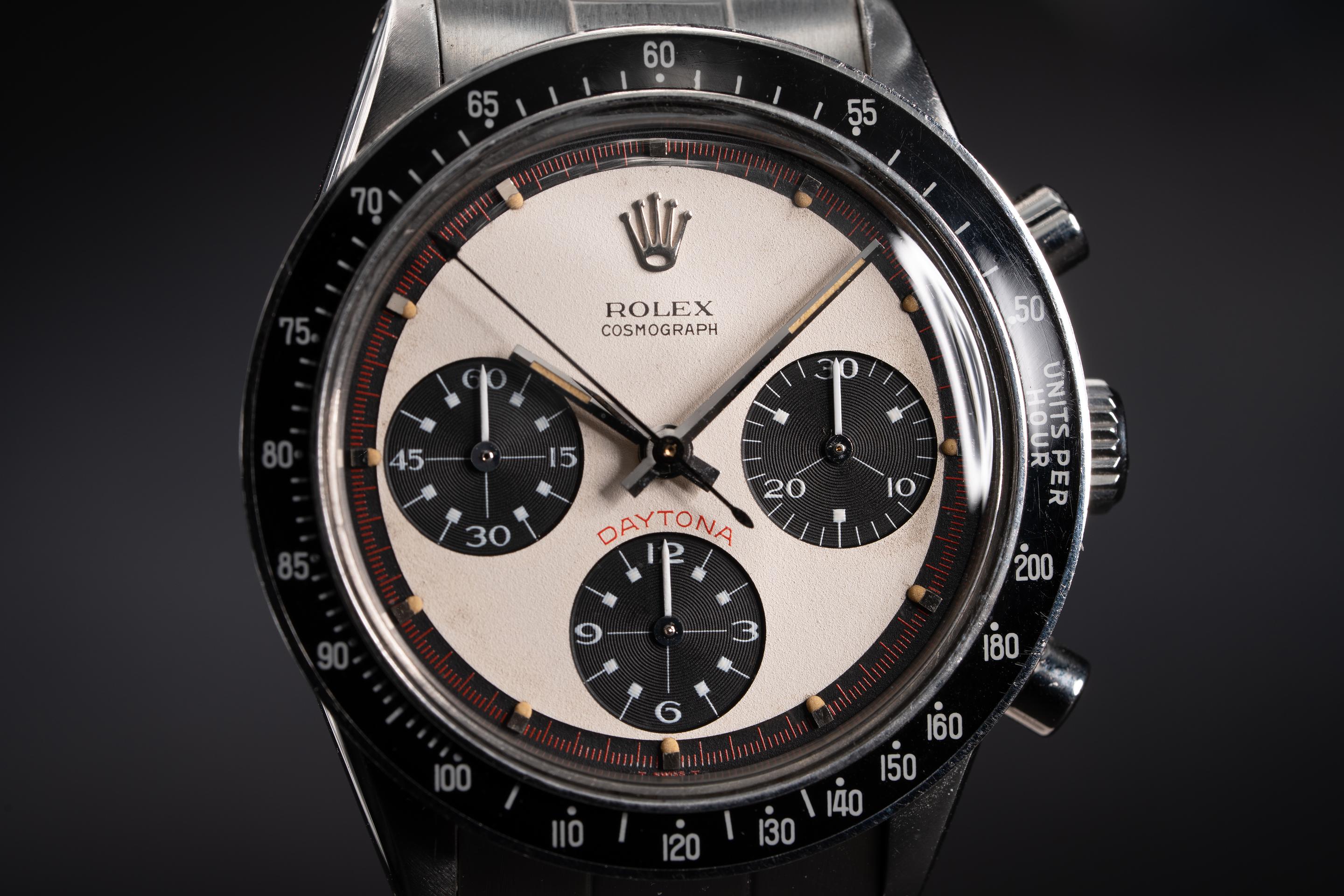


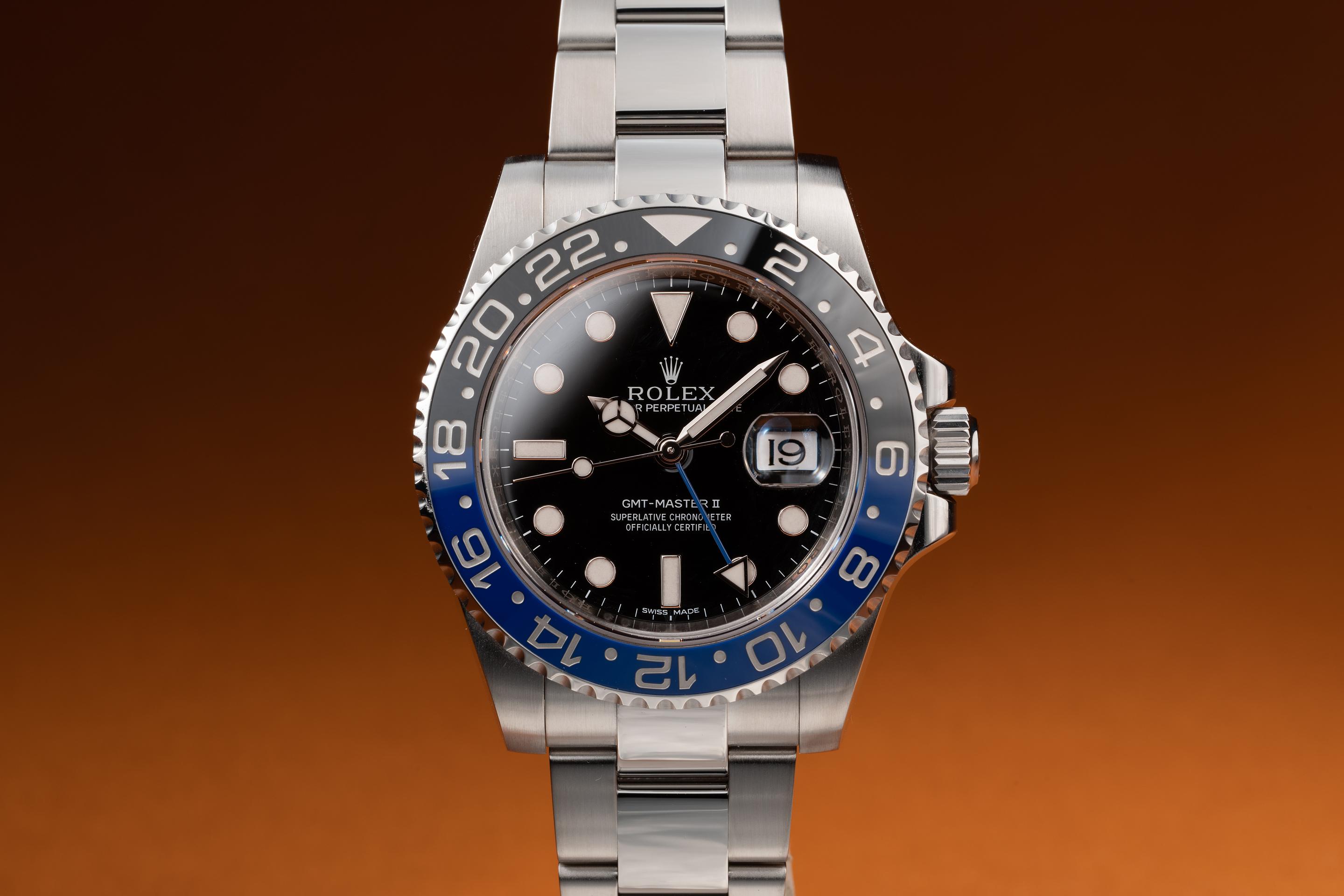

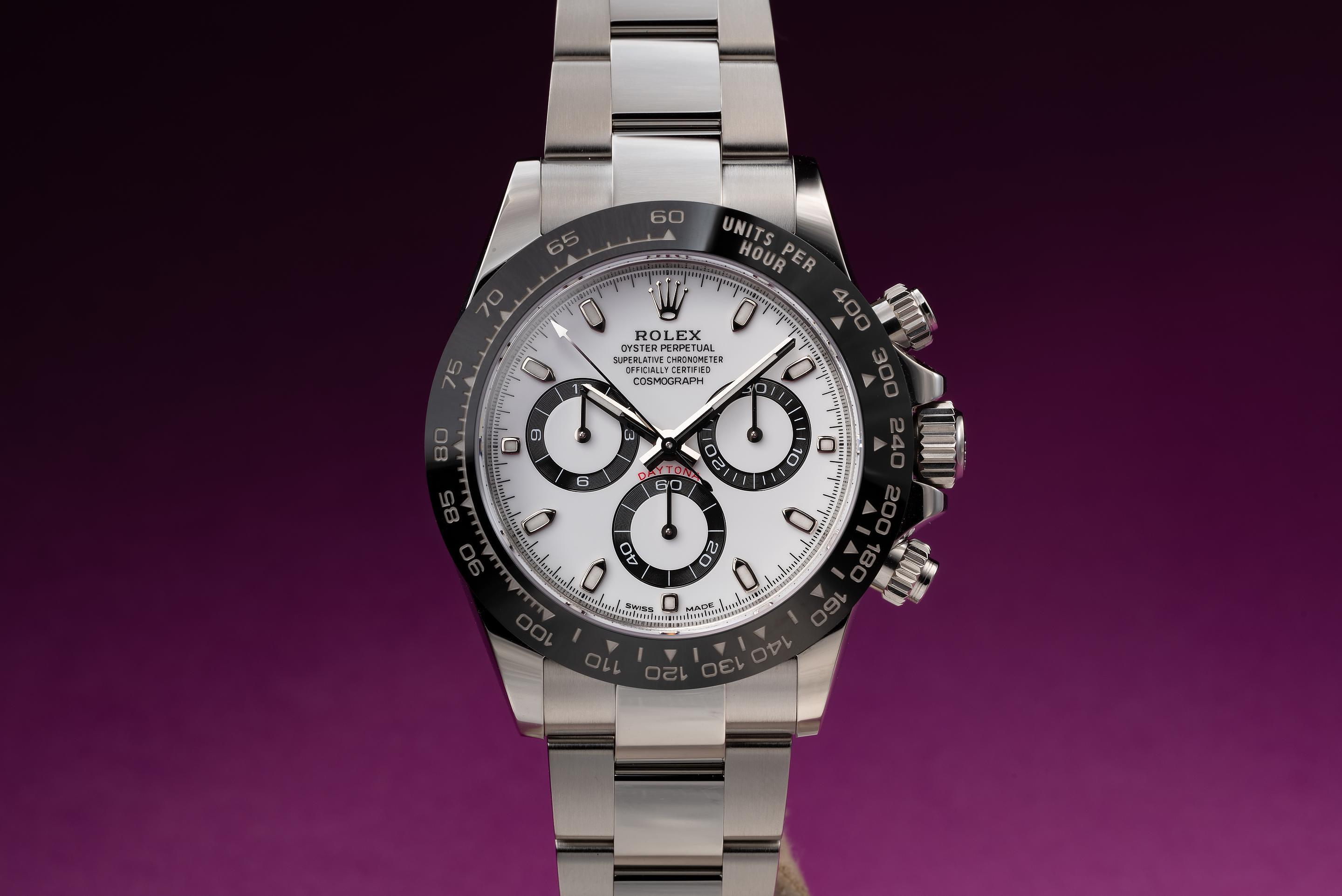
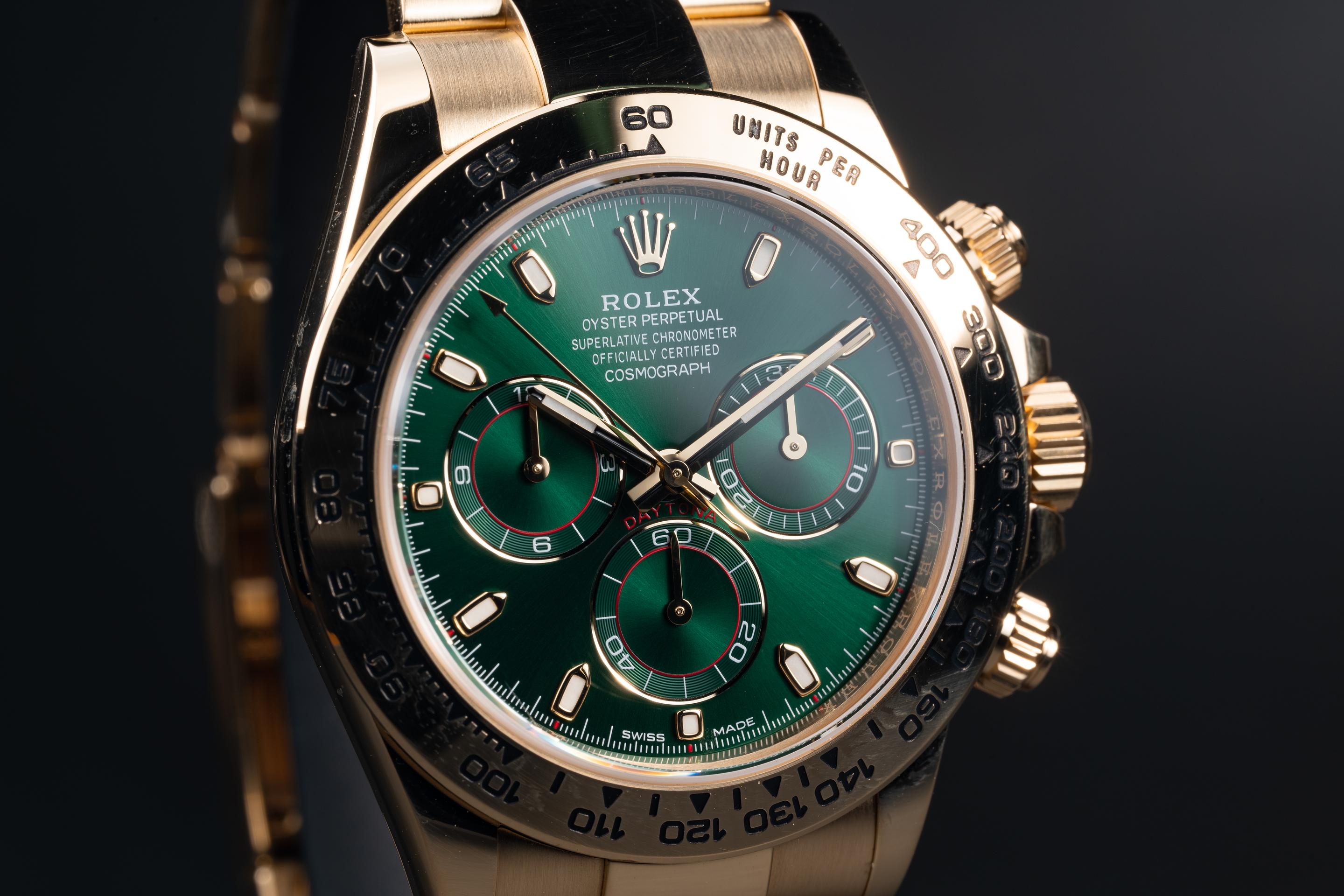

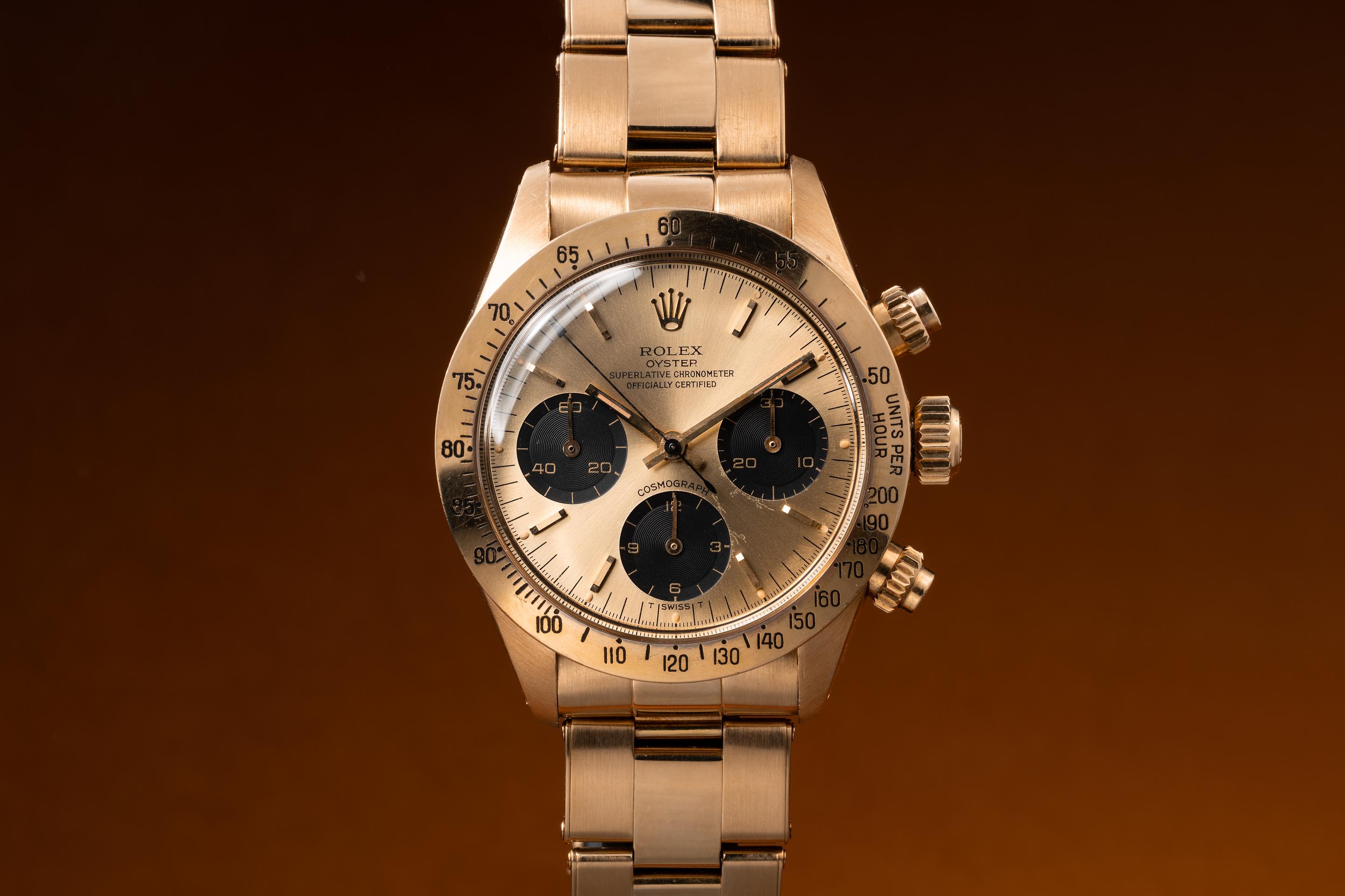
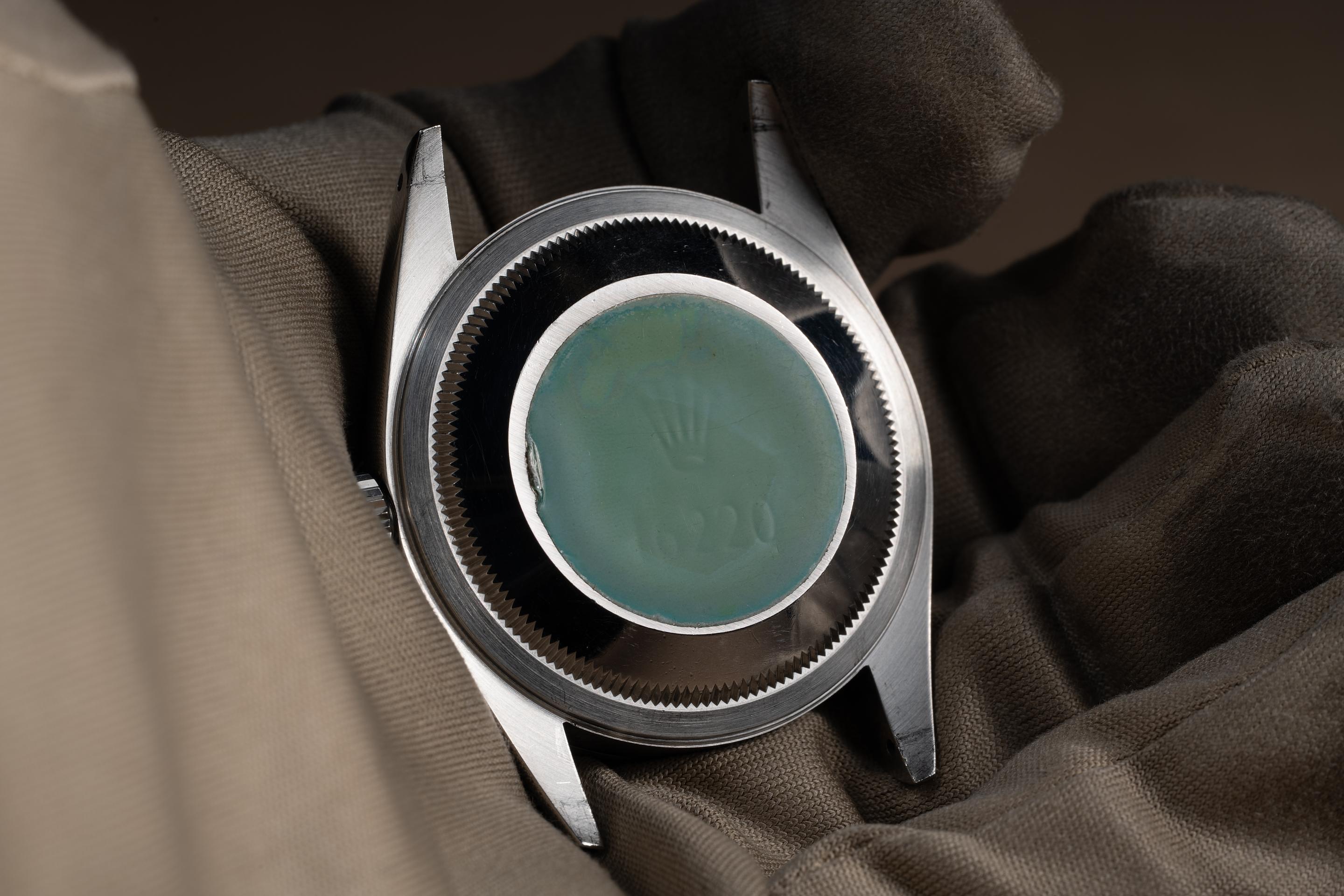

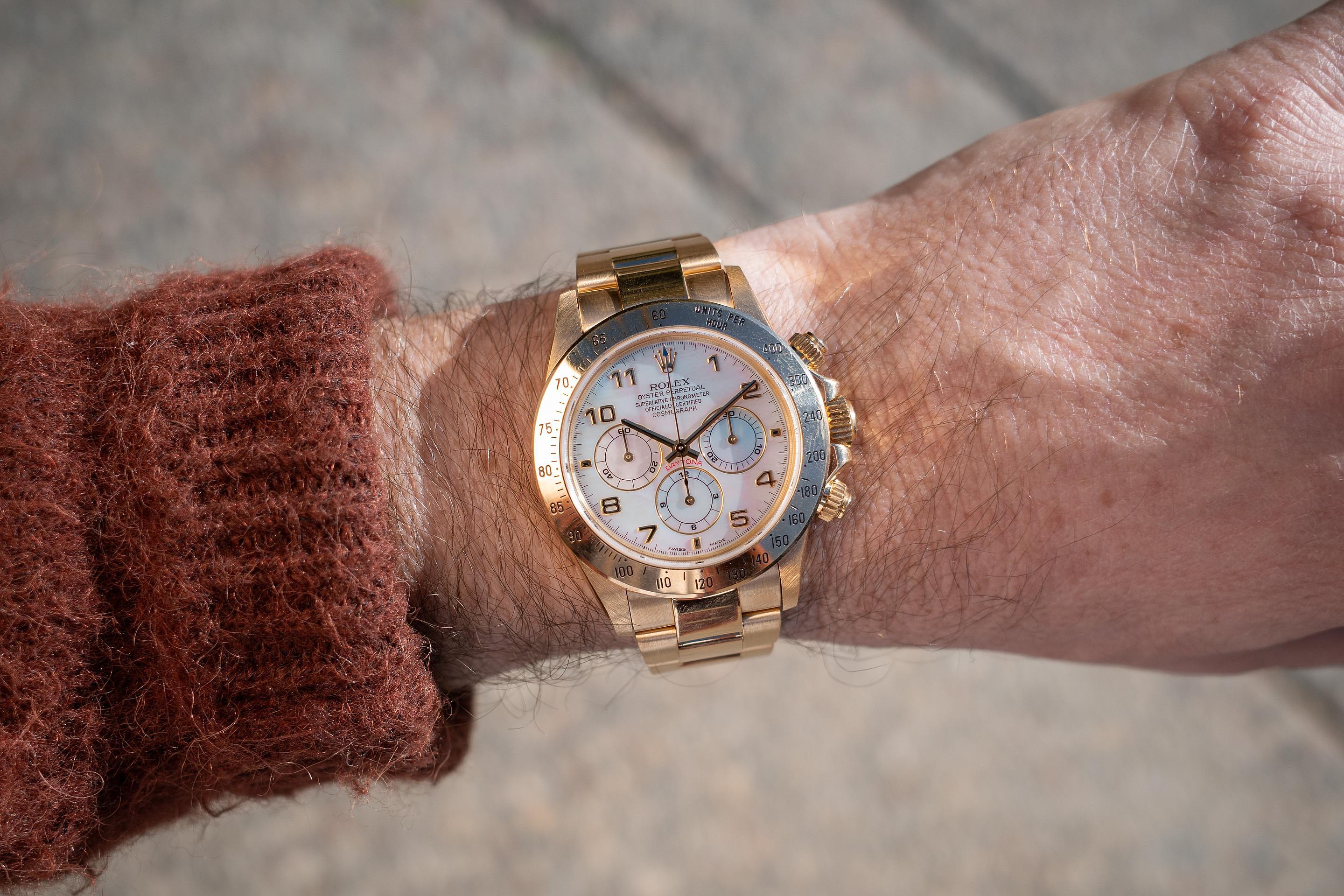
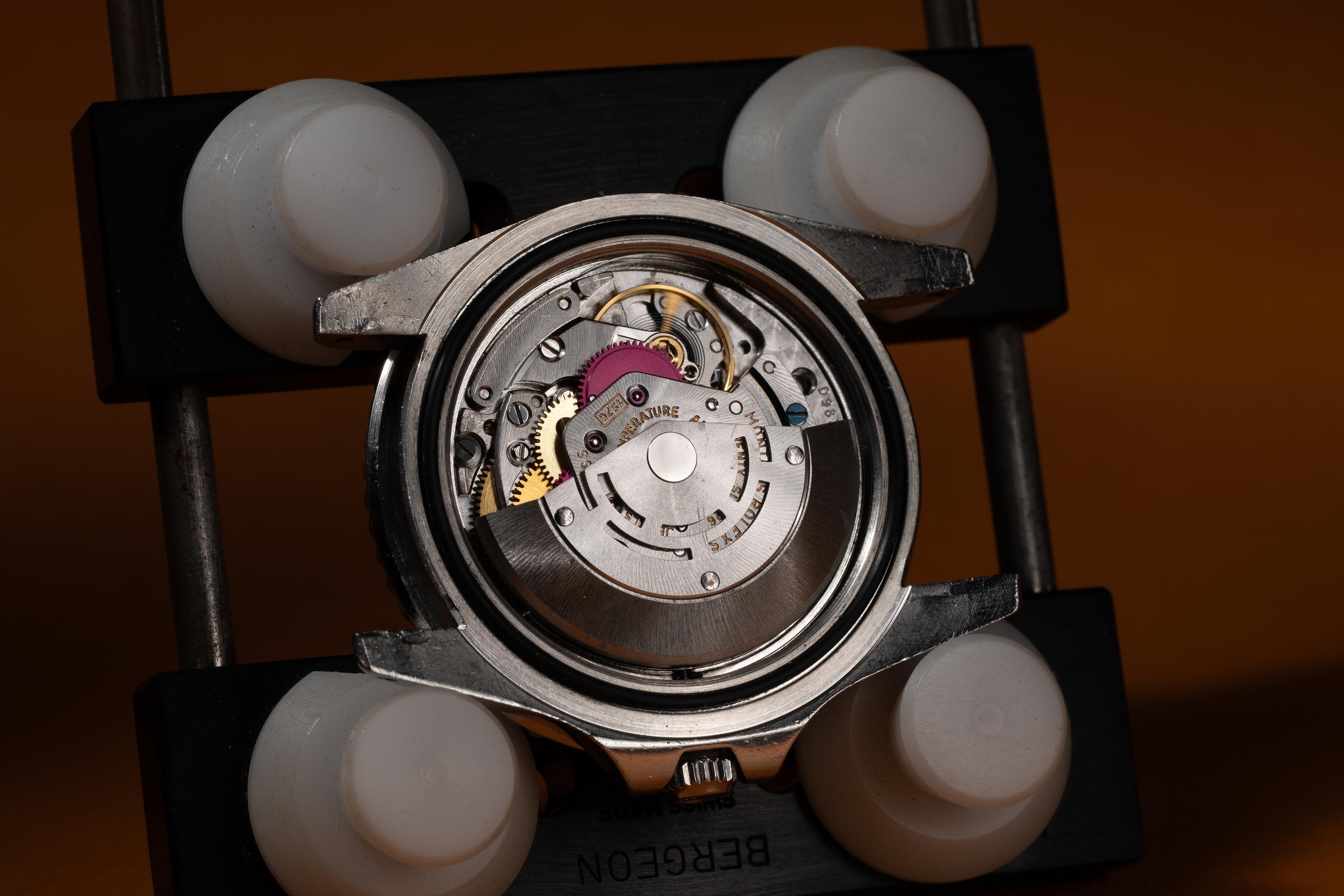


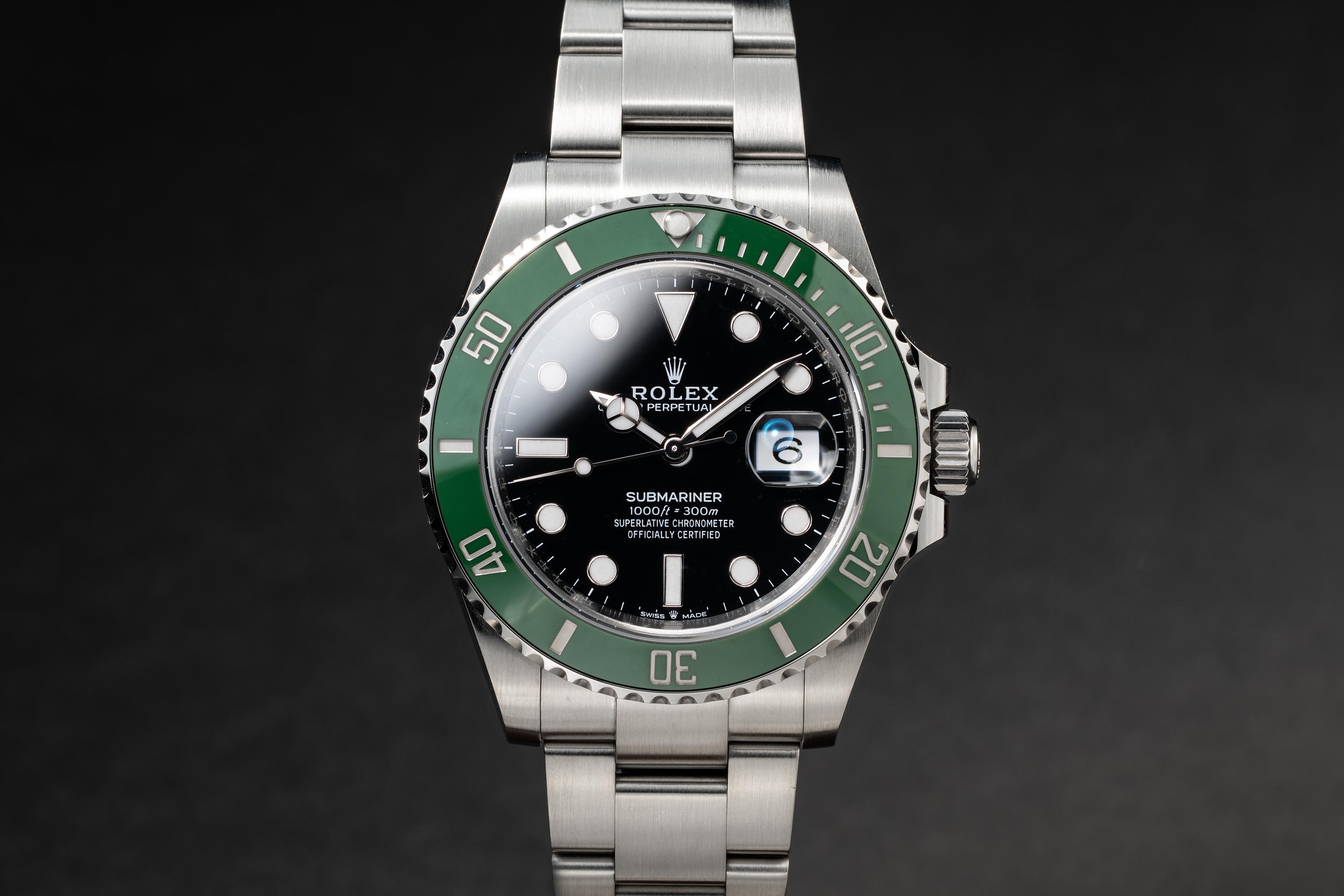
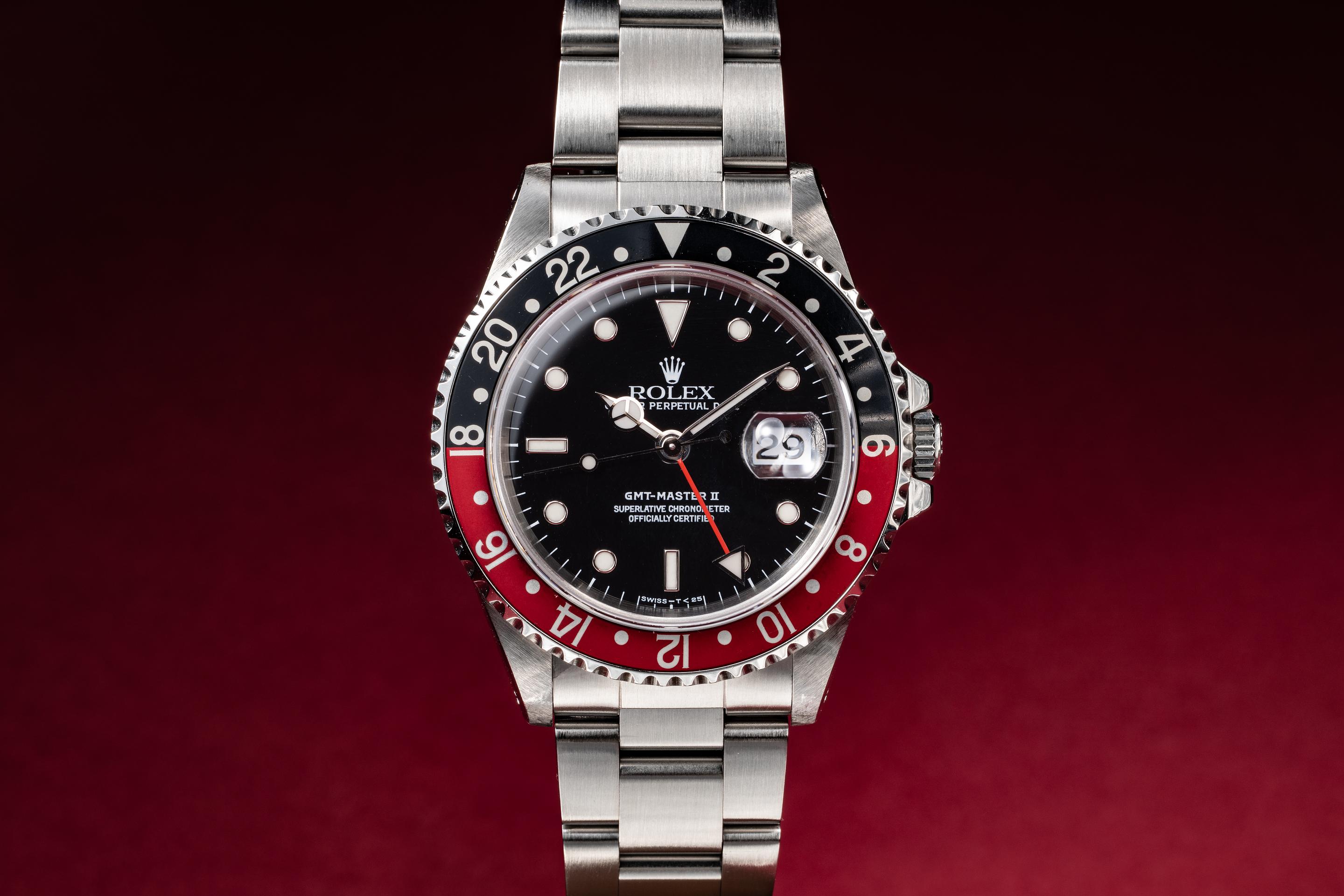

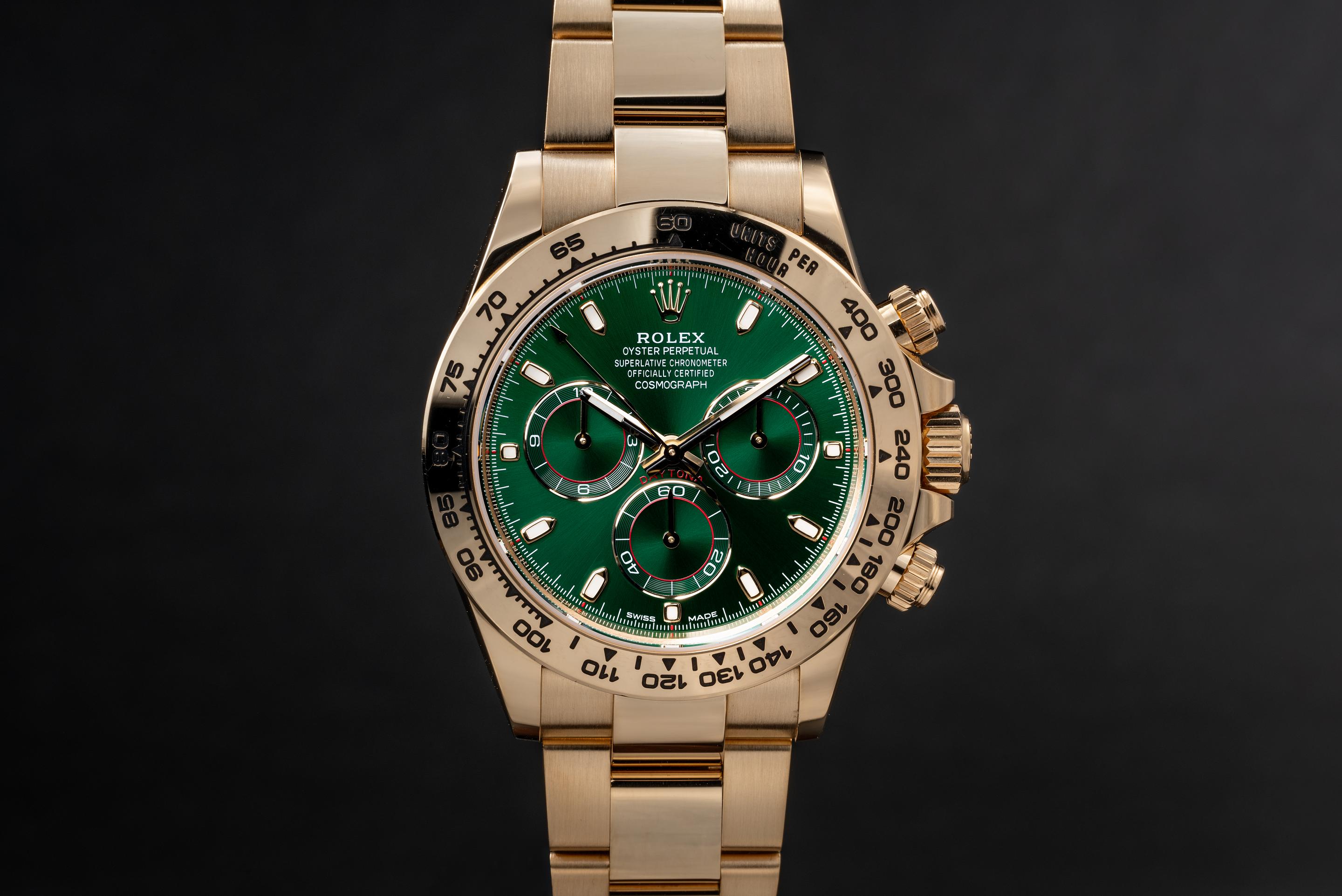


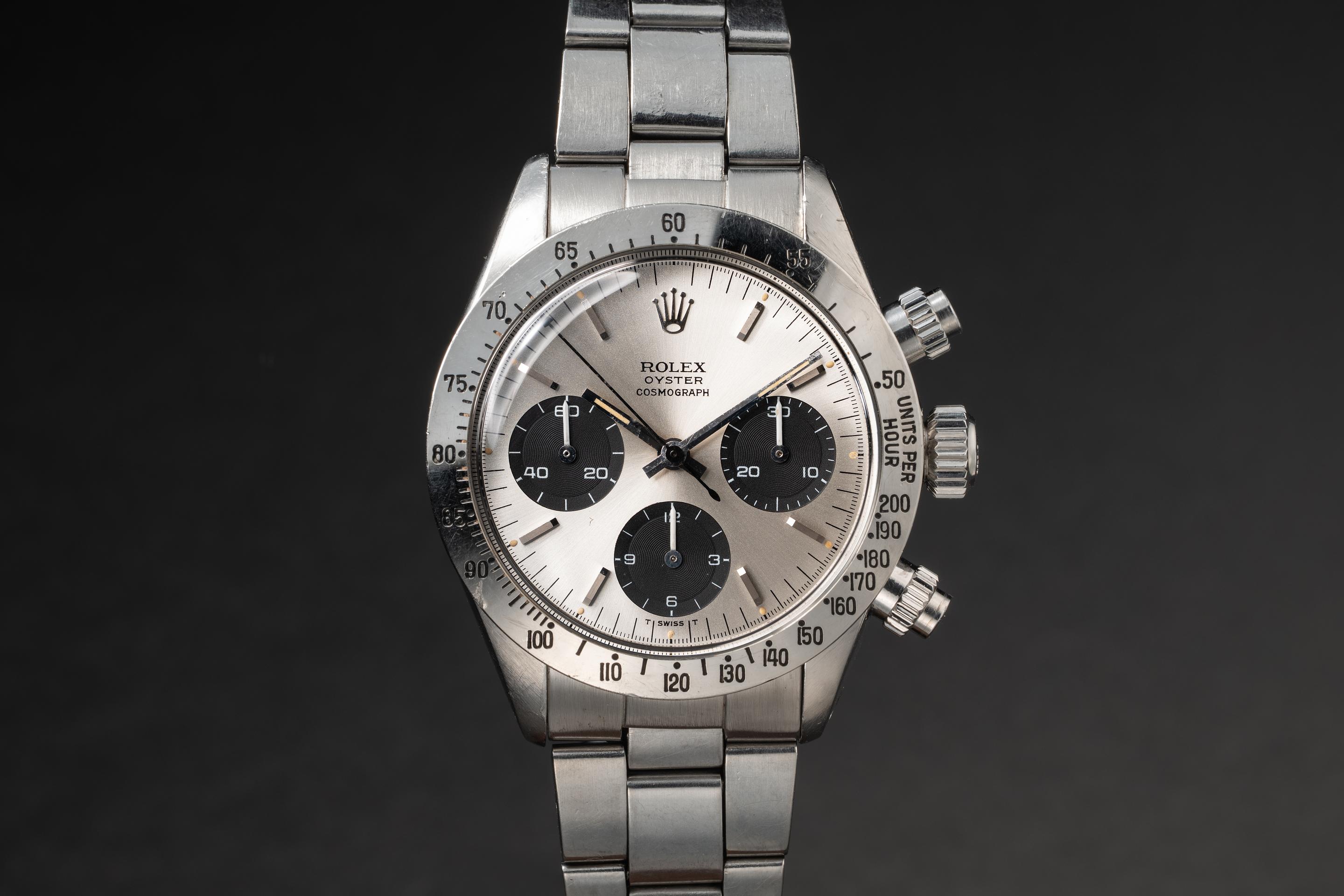

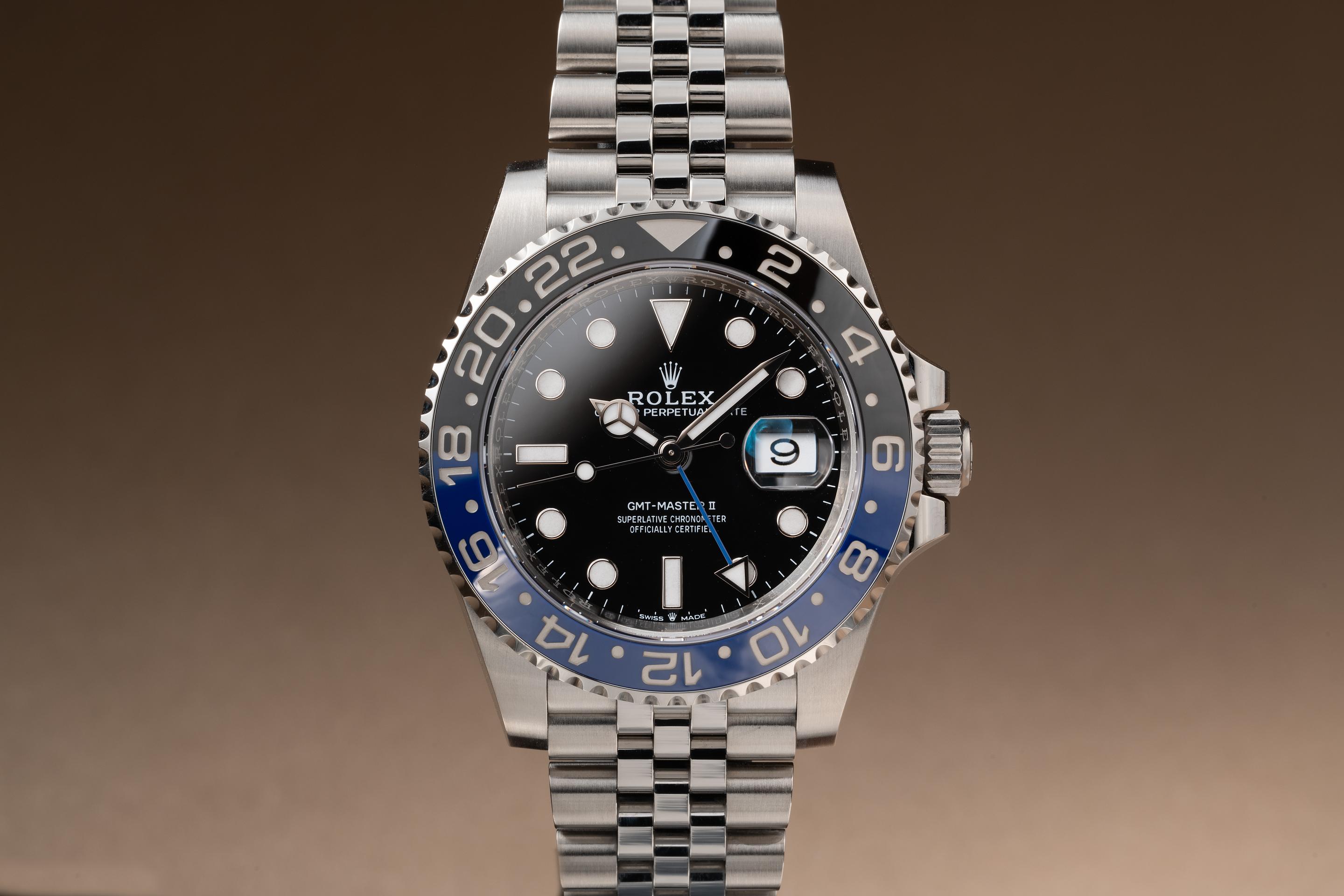





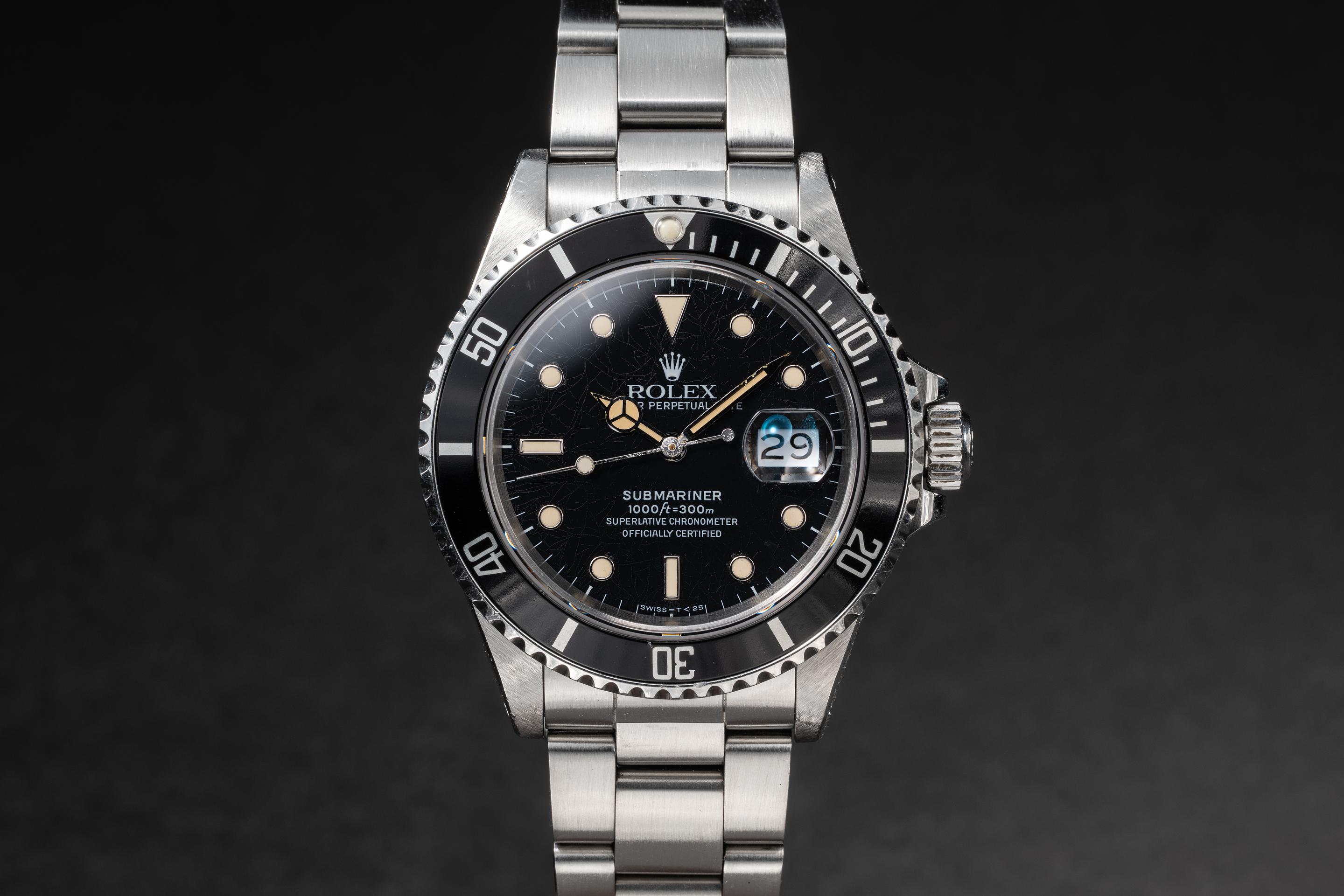

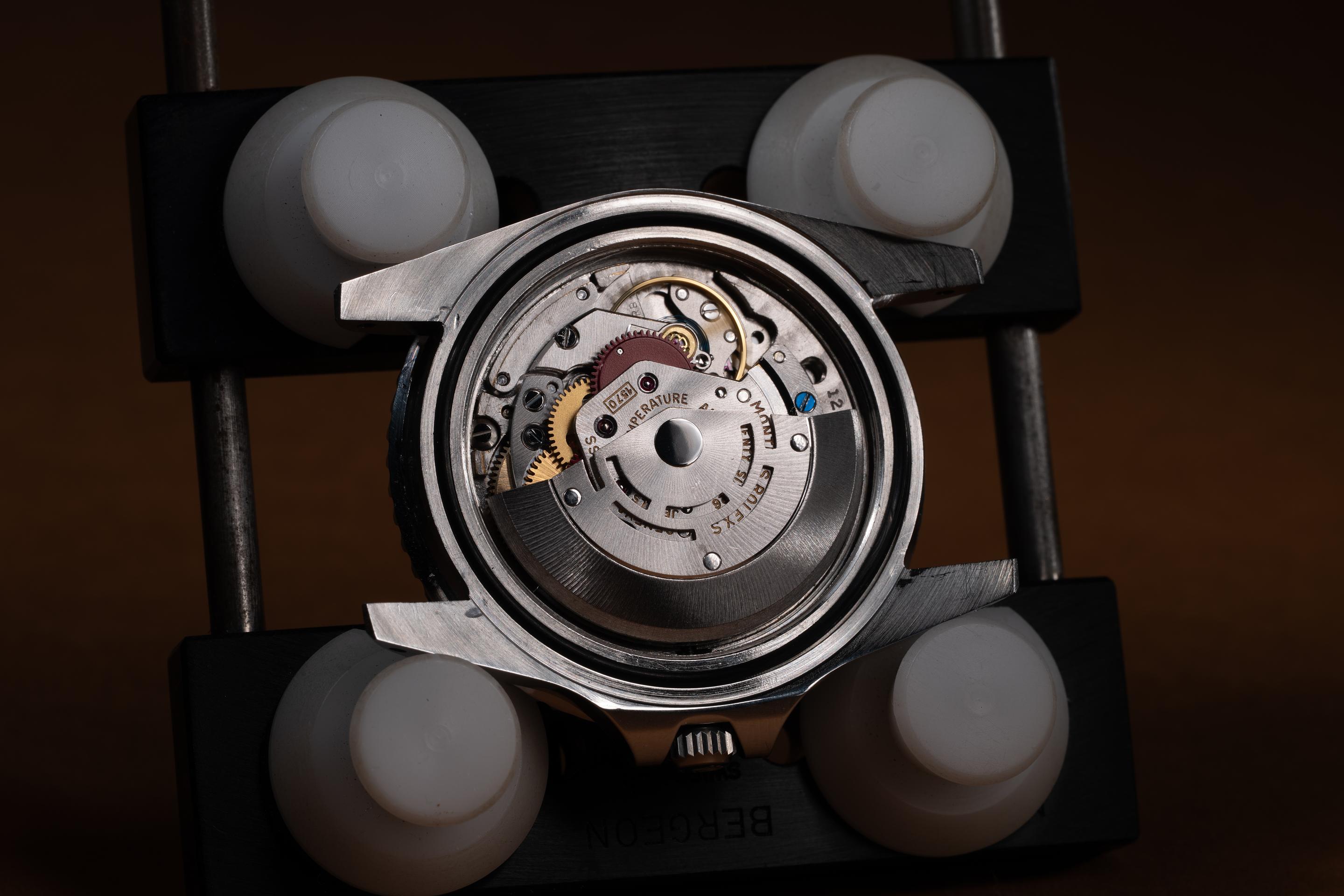

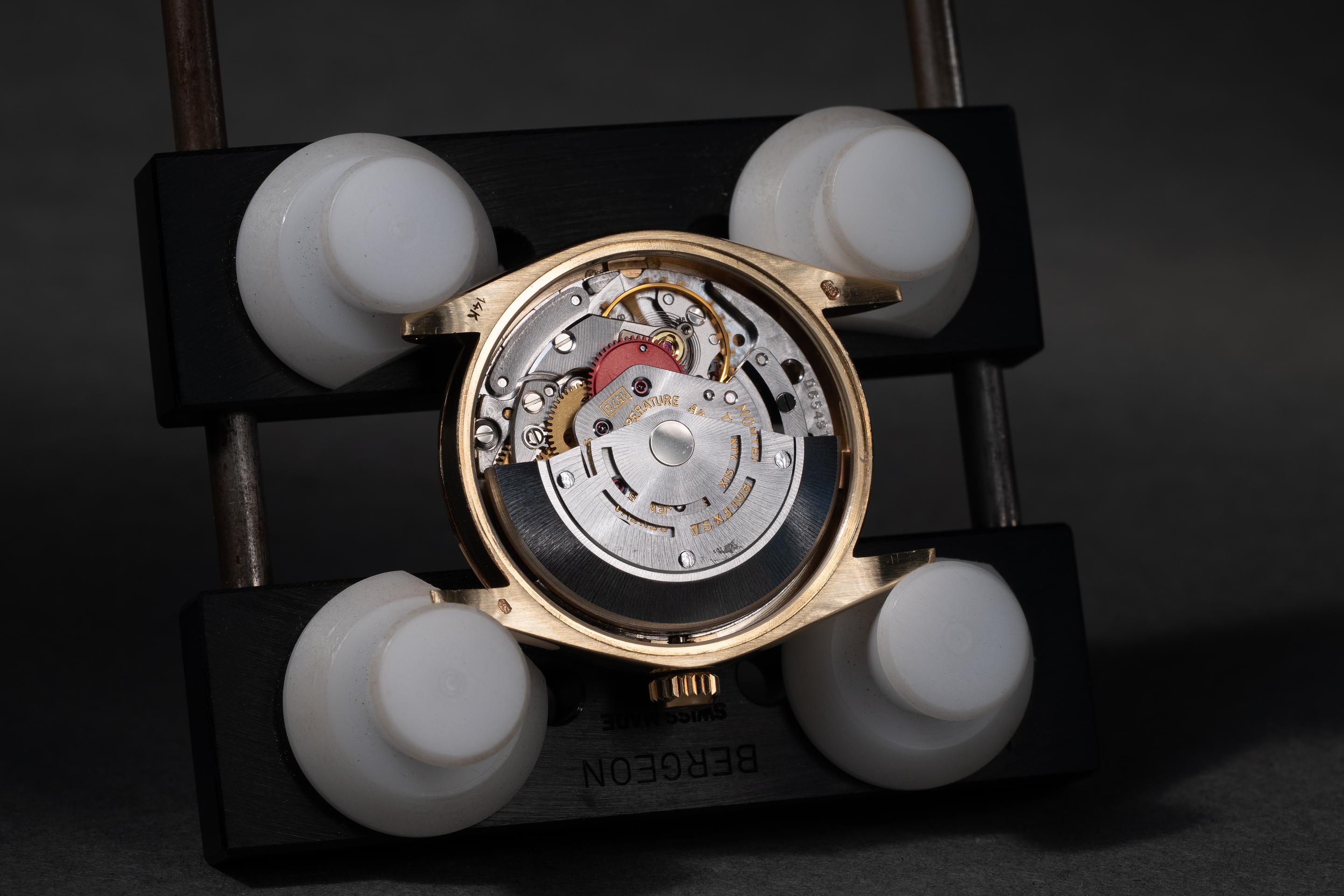


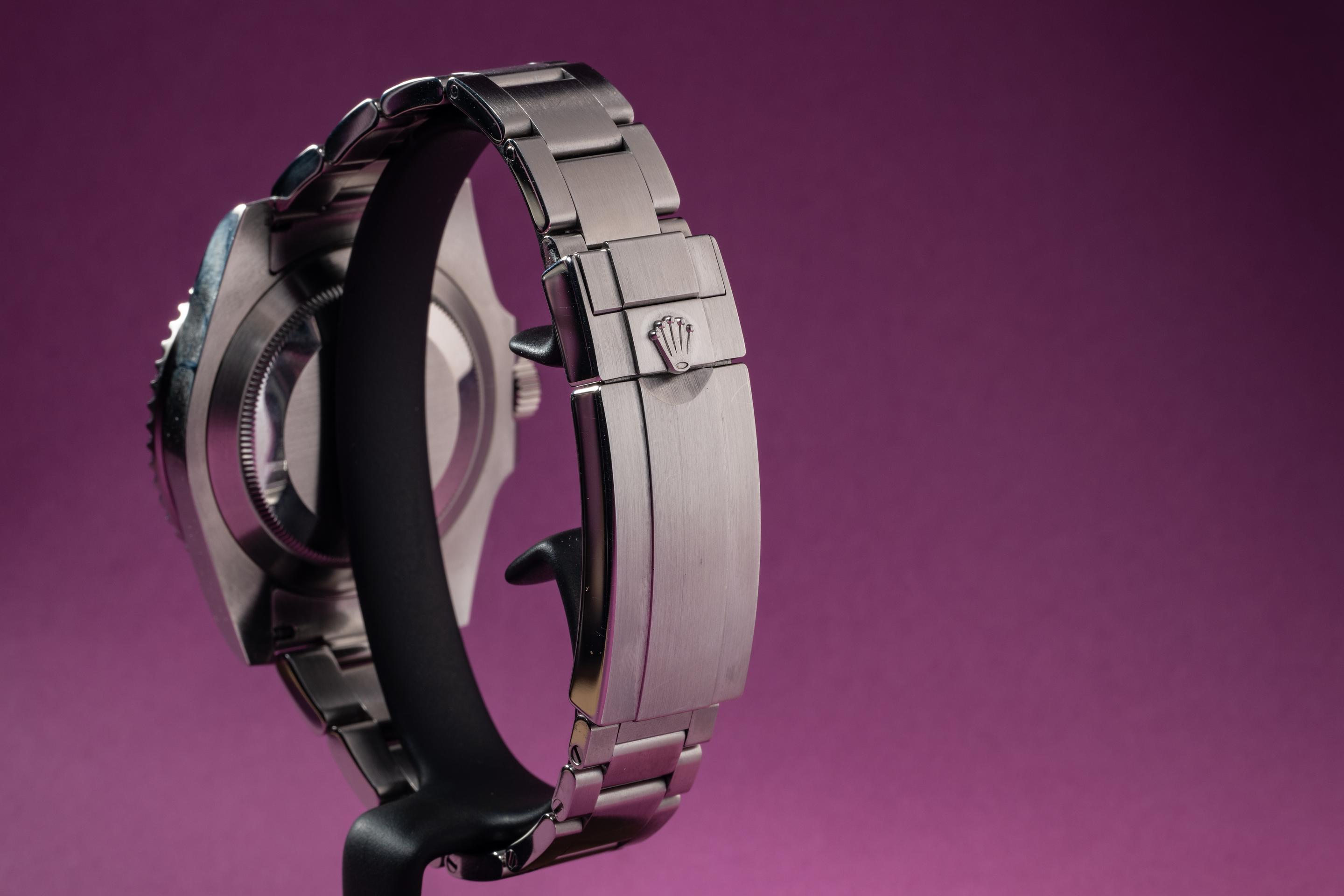
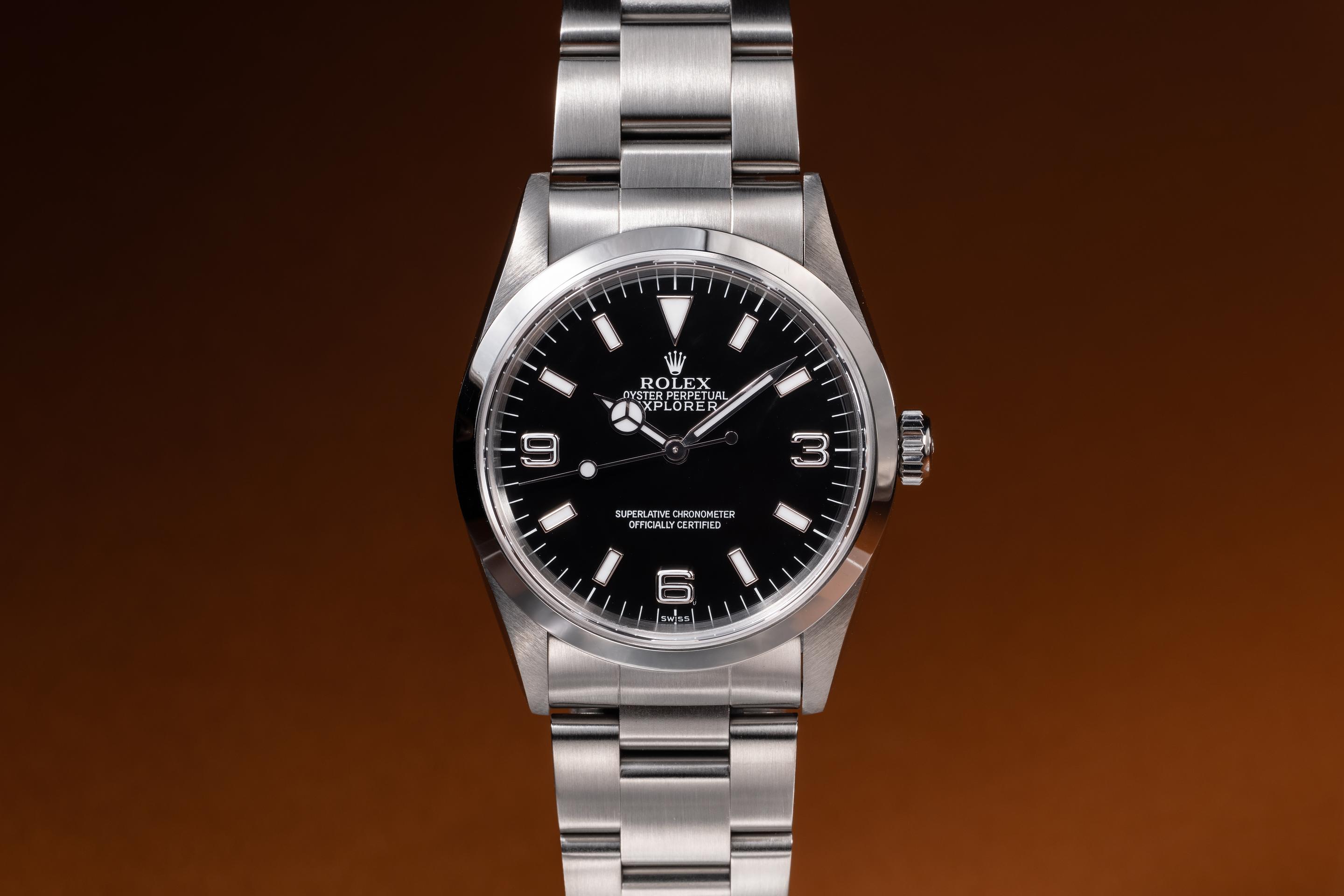

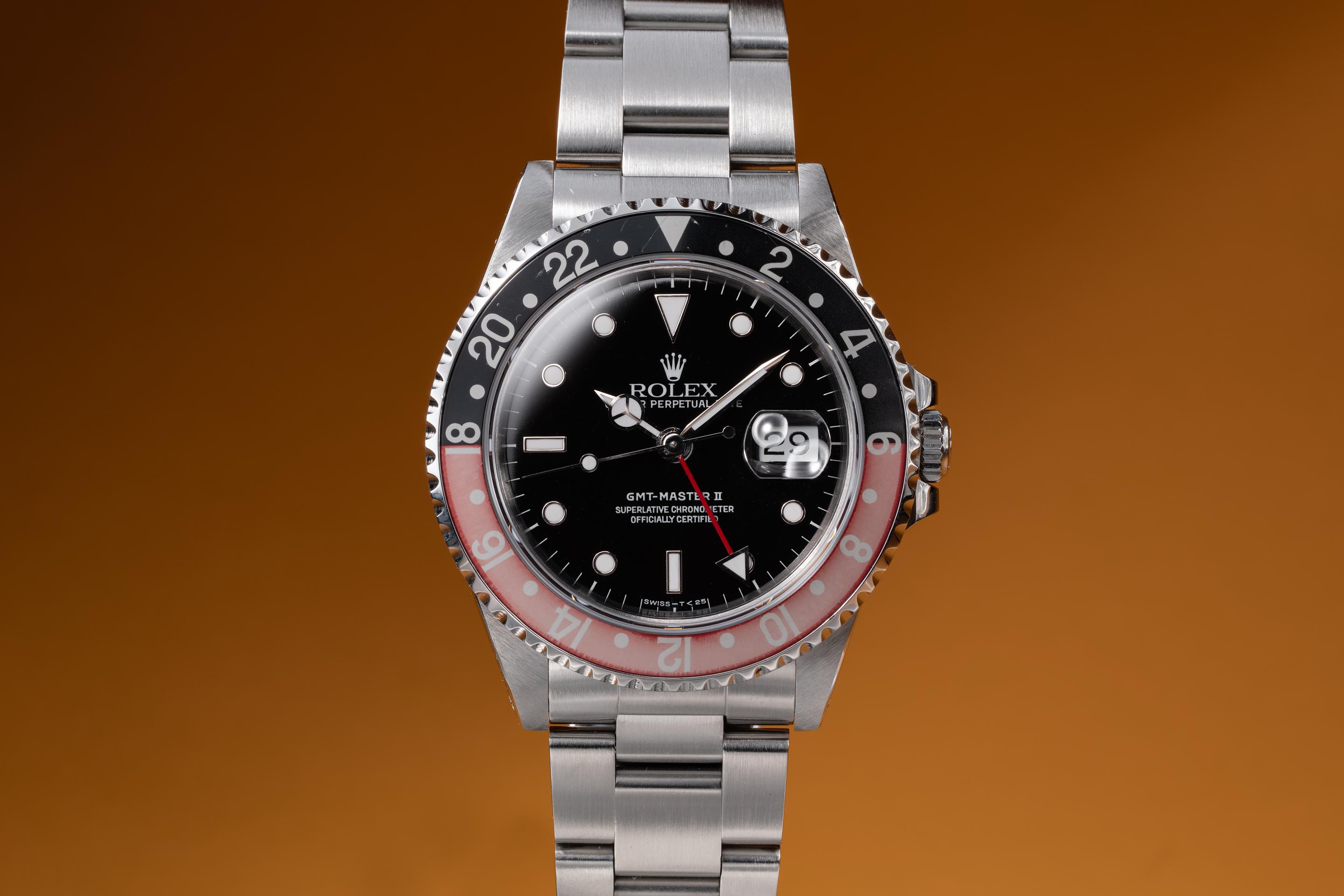

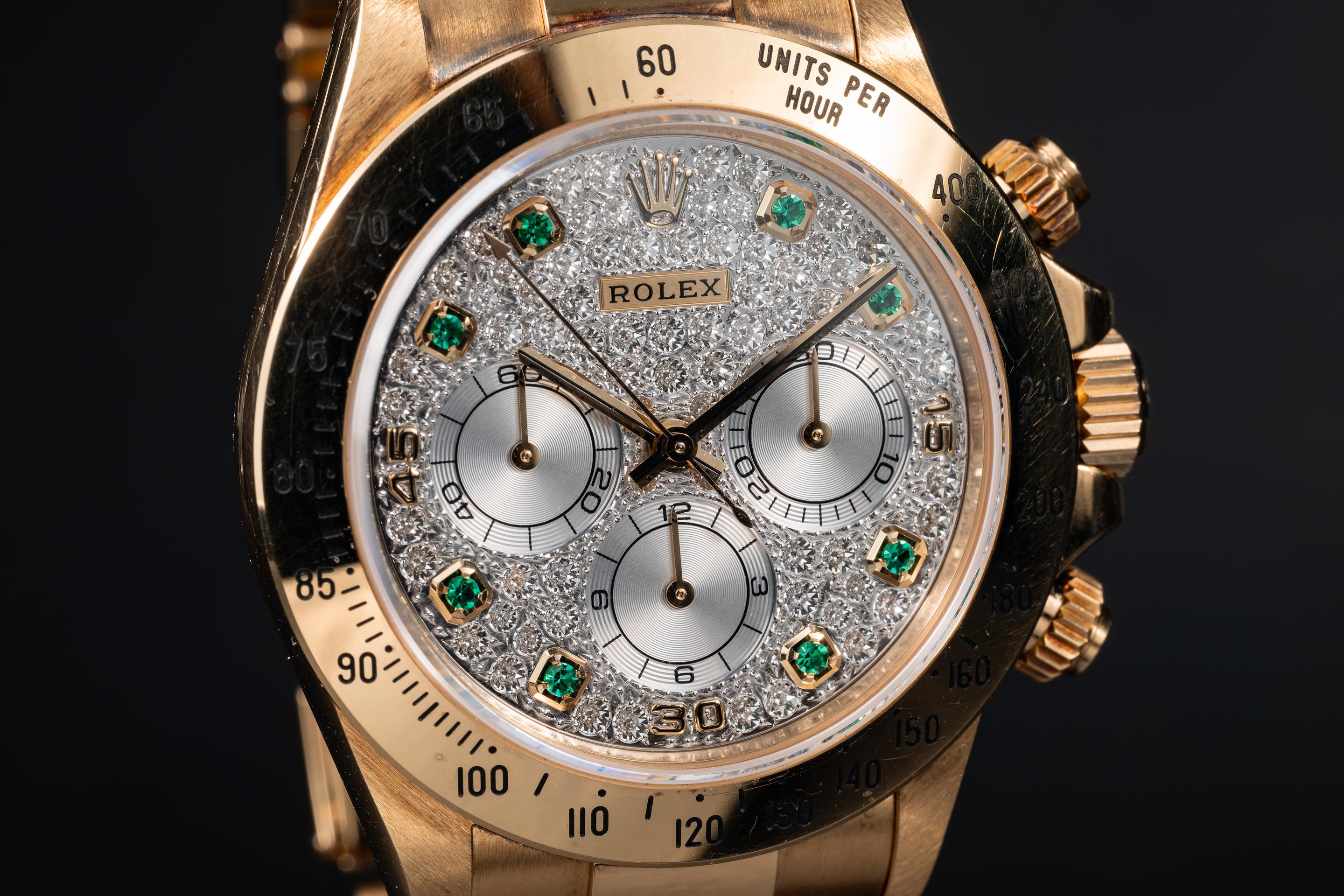
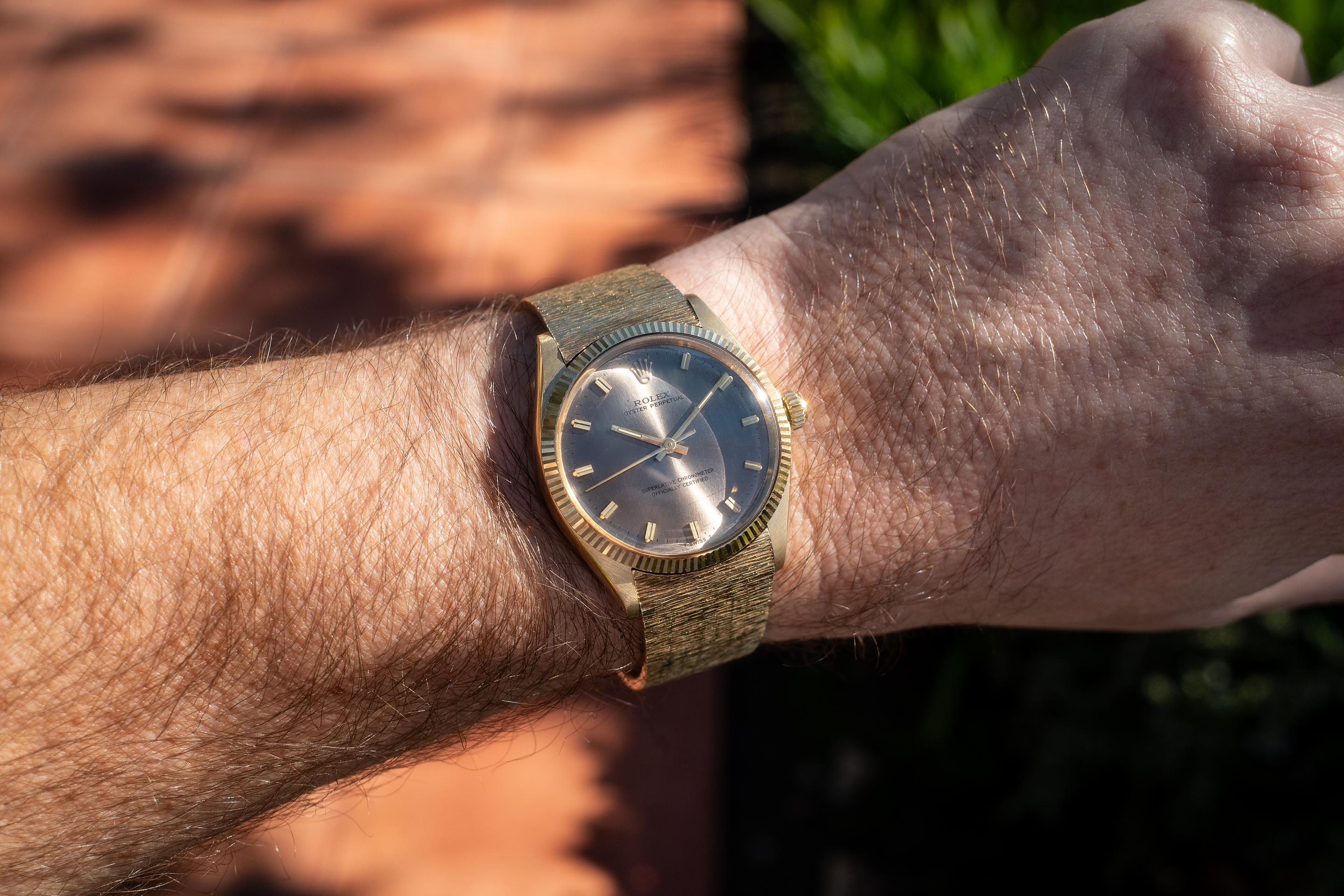
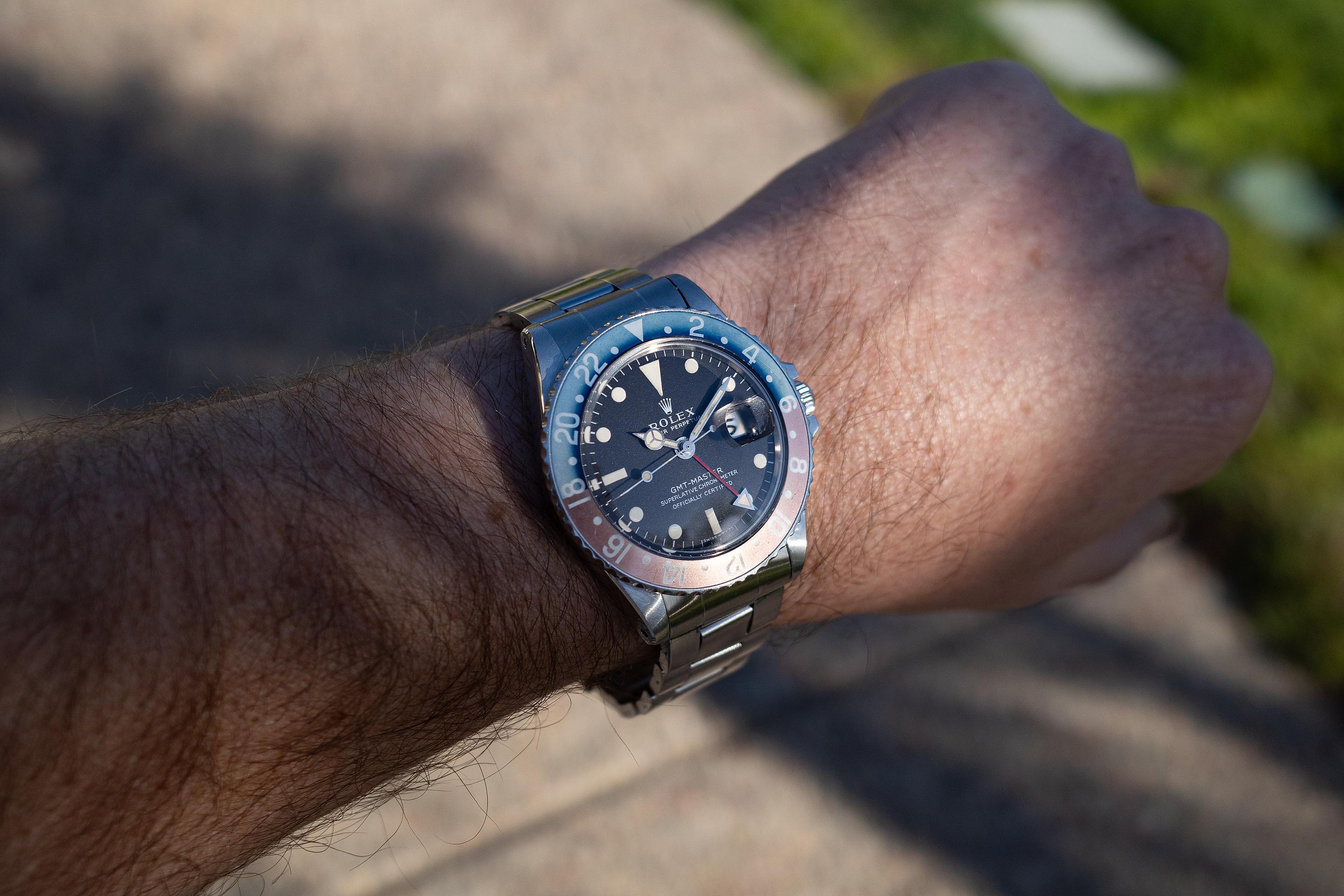

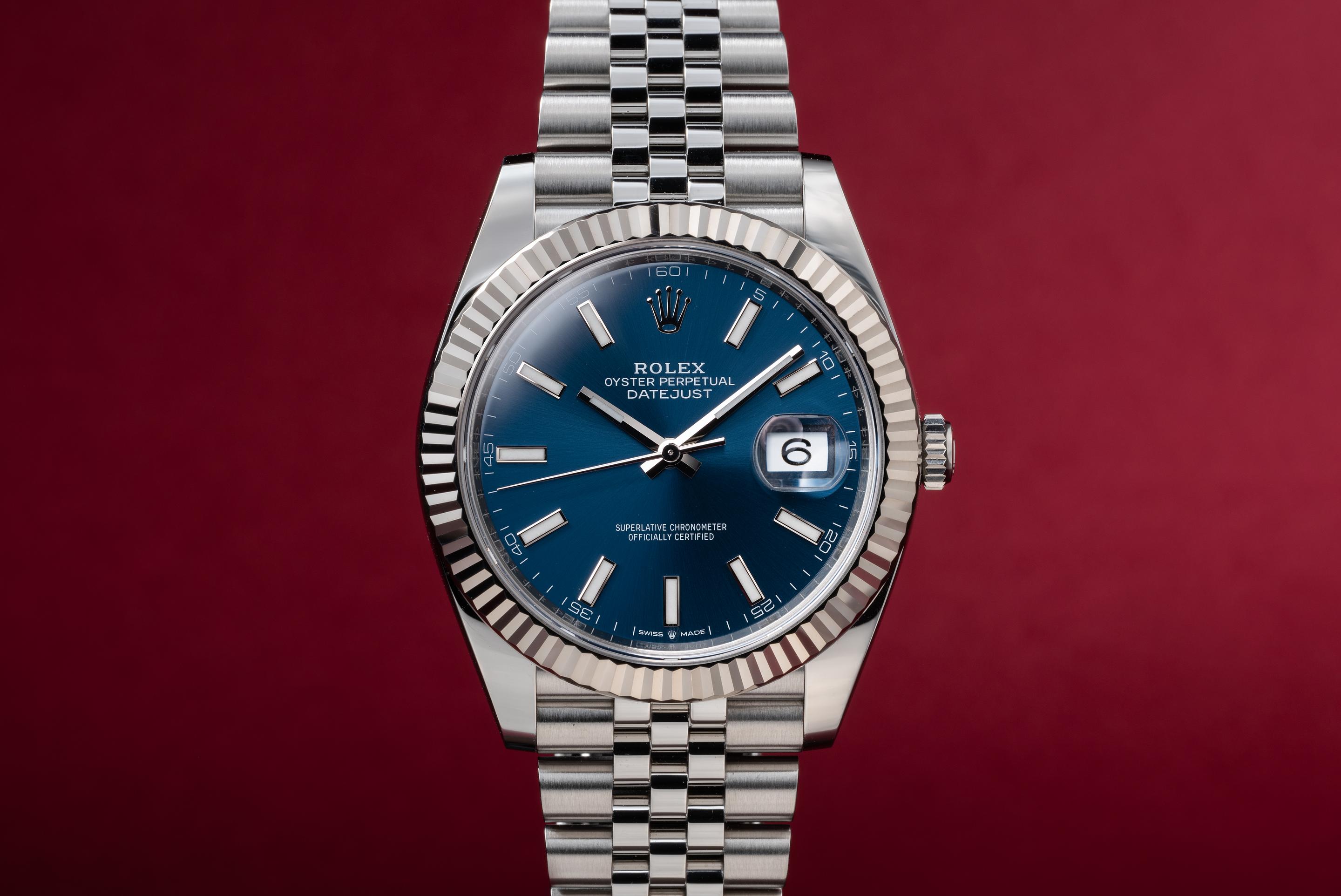
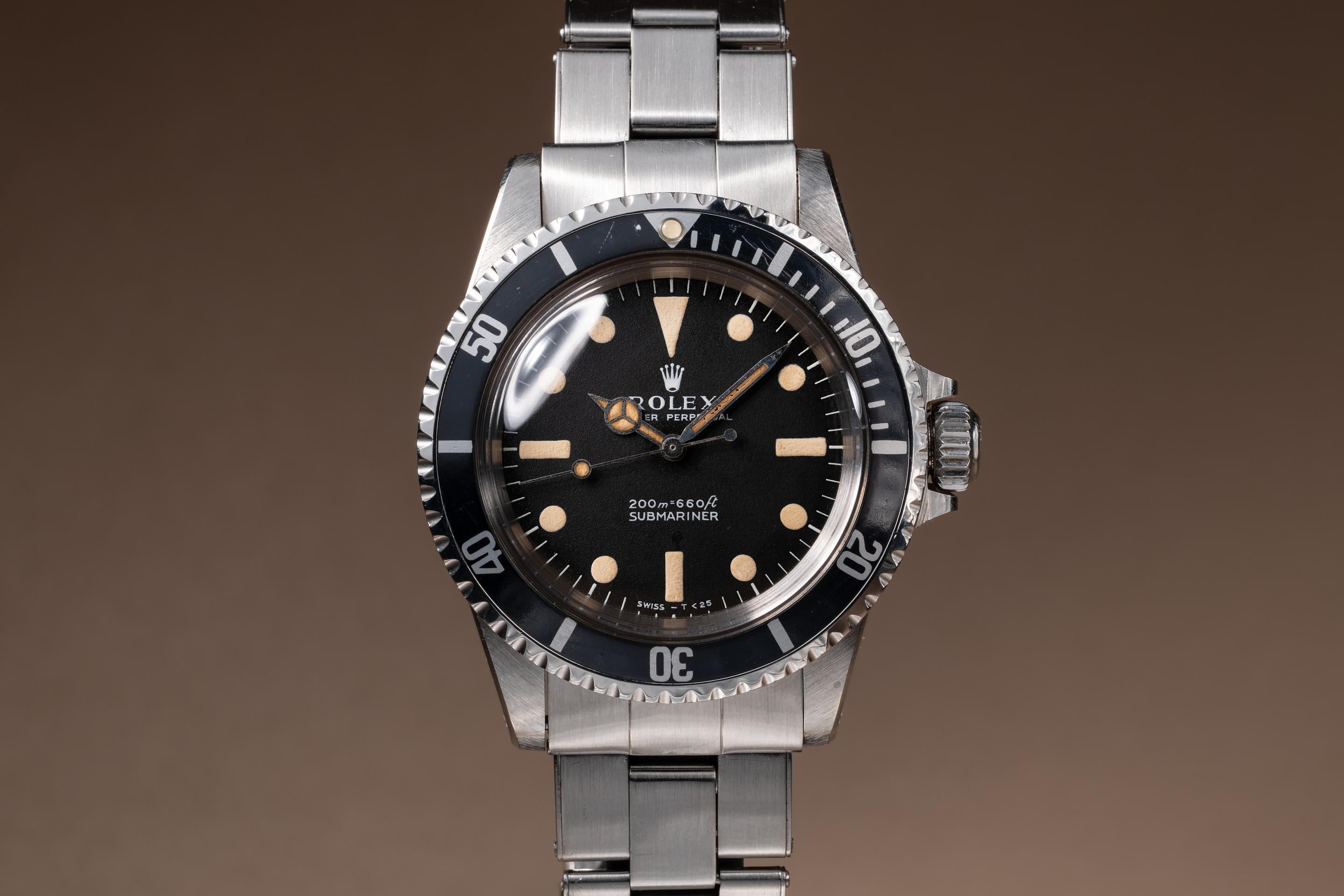

Table of Contents
Get More from the Journal