Tudor Watch Maintenance: Keep Your Timepiece Running Right

Tudor Watch Maintenance: Everything You Need to Know to Keep Your Timepiece Running Perfectly
Tudor watches occupy a fascinating space in the world of horology. They carry the same Swiss heritage as their Rolex sibling, offer mechanical movements built to genuine professional standards, and yet they remain more accessible to a broader range of collectors. Whether you own a Black Bay, a Pelagos, or a vintage Oyster Prince from decades past, one truth applies across the board: proper maintenance is the single most important thing you can do to protect your investment and ensure your watch performs exactly as it should. This guide walks through everything worth knowing about Tudor watch maintenance, from service intervals to what actually happens inside a watchmaker's workshop.
Why Tudor Watch Maintenance Matters More Than You Might Think
It is easy to look at a mechanical watch and assume that because it has no battery to replace, it essentially takes care of itself. That assumption is one of the most common and costly mistakes a watch owner can make. Mechanical movements rely on lubricants that degrade over time. The oils that keep gears, jewels, and springs moving smoothly begin to thicken, dry out, or migrate to places they should not be after several years of continuous wear. When that happens, the components inside your Tudor start working harder than they are designed to, which accelerates wear and can cause irreversible damage to parts that are extremely difficult to source, particularly in vintage references. Regular servicing is not an optional luxury. It is a fundamental part of owning a mechanical watch responsibly.
Recommended Service Intervals for Tudor Watches
Tudor generally recommends a full service every seven to ten years under normal wearing conditions. That said, context matters quite a bit. A Tudor Pelagos worn daily by a diver in salt water has a very different service profile than a Black Bay worn occasionally on weekends. Environmental exposure, shock, and the specific movement caliber all influence how quickly a watch's internals require attention. Older Tudor watches from the mid-twentieth century, many of which ran on movements sourced from ETA or Valjoux, may benefit from slightly more frequent servicing simply because replacement parts are harder to come by and catching problems early is far less expensive than repairing them late. If your watch is running fast, losing time, stopping unexpectedly, or showing moisture beneath the crystal, those are clear indicators that service is needed regardless of when the last one occurred.
What Happens During a Full Tudor Service
A full service is a thorough process, and understanding what it involves helps set realistic expectations around both cost and turnaround time. A qualified watchmaker will disassemble the movement completely, clean every component in an ultrasonic bath, inspect parts for wear or damage, replace seals and gaskets, re-lubricate all pivot points and gear trains, reassemble the movement, and regulate it for accuracy. The case and bracelet typically receive a polish or satin refinish as well, though many collectors prefer to request that this step be skipped in order to preserve original surfaces and patina. Water resistance testing is performed after reassembly to confirm that all seals are functioning correctly. The entire process, done properly, takes time. Expect anywhere from several weeks to a couple of months depending on the watchmaker and parts availability.
Tudor Service Options: Authorized vs Independent Watchmakers
When it comes to servicing a Tudor, owners generally have two routes to consider. Tudor authorized service centers have direct access to genuine parts, follow brand-approved procedures, and service work typically carries a warranty. For newer models still under warranty or references where maintaining brand documentation is important for resale value, the authorized route makes the most sense. Independent watchmakers, on the other hand, offer a compelling alternative for vintage Tudor watches or for owners who have an established relationship with a trusted independent specialist. A skilled independent watchmaker with experience in Swiss mechanical movements can do excellent work, often at a lower price point, and in some cases with greater personal attention to the watch's specific history and condition. The key word in that last sentence is skilled. Not every watchmaker has the same level of expertise, so credentials, reputation, and experience with Swiss mechanical movements specifically are worth verifying before handing over your watch.
Daily Care Practices That Extend the Life of Your Tudor
Routine maintenance does not begin and end at the watchmaker's bench. How you handle your Tudor between service appointments has a direct impact on how long it performs reliably. A few consistent habits go a long way toward preserving both function and appearance.
- Rinse your watch with fresh water after exposure to salt water or chlorine, even if it is rated for diving depth
- Avoid exposing your watch to strong magnetic fields, which can affect movement accuracy
- Store your watch in a cool, dry environment away from direct sunlight when it is not being worn
- If your Tudor is automatic and sits unworn for extended periods, consider a watch winder to keep the mainspring wound and the lubricants distributed
- Avoid exposing the crystal to unnecessary impact or abrasion
- Check the crown position regularly to confirm it is fully pushed in and screwed down where applicable
None of these habits require significant effort, but collectively they make a real difference in the longevity of your watch's performance.
Understanding Tudor Movement Calibers and Their Maintenance Needs
Tudor's movement history is worth understanding because it directly affects maintenance considerations. Older Tudor watches from the 1950s through the 1980s predominantly used movements sourced from third-party Swiss manufacturers, including ETA and Valjoux calibers. These movements are well-documented and parts availability is generally good, making servicing relatively straightforward for experienced watchmakers. Beginning in the 2010s, Tudor began transitioning toward in-house developed calibers, most notably the MT5601 family introduced with the Black Bay in 2015 and later movements that followed. These proprietary calibers offer excellent performance, silicon hairsprings for magnetic resistance, and a 70-hour power reserve, but they require watchmakers familiar with Tudor's specific in-house specifications. This distinction matters when choosing who services your watch.
Tudor Bracelet and Case Maintenance
The movement gets most of the attention in service discussions, but the case and bracelet deserve equal care. Tudor's steel bracelets, particularly the riveted steel strap that has become iconic on the Black Bay line, accumulate significant grime in their links over time. Periodic cleaning with a soft brush and warm soapy water keeps the bracelet comfortable and prevents long-term surface degradation. Clasp mechanisms should be checked periodically for smooth operation. On the case side, it is worth noting that aggressive polishing removes metal permanently and alters the visual character of the watch. Many collectors and experts recommend limiting polishing to instances where damage or deep scratches genuinely warrant it, rather than attempting to maintain a constant mirror finish. The honest wear a watch accumulates over years of use is part of its story.
Storing and Traveling With Your Tudor Watch
How you store and transport your Tudor is a maintenance consideration that rarely gets enough attention. When traveling, keeping your watch in a dedicated travel case or roll protects it from impact and reduces the risk of scratches. Avoid packing a watch loose in a bag where it can come into contact with keys, coins, or other hard objects. For long-term storage, the original box offers ideal protection, but any padded case that keeps the watch isolated from humidity and temperature extremes will serve well. If storing a manual-wind Tudor for an extended period, it is advisable to let the mainspring fully run down before storage to reduce tension on the movement's components over time.
Why Tropical Watch Is the Right Partner for Vintage Tudor and Rolex Collectors
Maintaining a Tudor watch properly is ultimately an expression of respect for what the watch represents: Swiss craftsmanship, mechanical heritage, and decades of design evolution. For collectors who appreciate that legacy, finding the right resource for buying, selling, and understanding vintage timepieces is just as important as finding the right watchmaker. Tropical Watch brings together deep expertise in vintage Swiss watches with a curated inventory that reflects genuine knowledge of the market. Whether you are building a collection or refining one, working with trusted experts in vintage Tudor and Rolex watch maintenance and authentication ensures you have the right guidance at every stage of your collecting journey. The team at Tropical Watch understands not just the watches themselves, but the stories they carry and the care they deserve.
Frequently Asked Questions About Tudor Watch Maintenance
How often should a Tudor watch be serviced?
Tudor recommends servicing their watches every seven to ten years under normal conditions. Watches exposed to demanding environments such as diving or daily professional use may benefit from more frequent inspections to catch wear before it becomes a larger issue.
Can I service my Tudor watch at an independent watchmaker?
Yes, independent watchmakers with verified experience in Swiss mechanical movements can service Tudor watches effectively. For newer in-house calibers, it is worth confirming the watchmaker has specific familiarity with Tudor's proprietary movements. For watches still under warranty, authorized service is the safer choice.
How do I know if my Tudor watch needs servicing?
Common indicators include noticeable time-keeping inaccuracies, the movement stopping unexpectedly, visible moisture under the crystal, difficulty operating the crown, or if the watch simply has not been serviced in over ten years regardless of apparent function.
How much does a Tudor watch service typically cost?
Service costs vary depending on the reference, the caliber, and whether work is performed at an authorized center or by an independent. Full services at authorized Tudor service centers can range from a few hundred dollars to over a thousand for more complex movements. Independent watchmakers may offer lower pricing for comparable work on certain calibers.
Does servicing a Tudor watch affect its value?
A properly documented service history generally supports the value of a Tudor watch, particularly for vintage references. However, over-polishing the case or replacing original parts with non-genuine components can negatively impact collector value. Always communicate clearly with your watchmaker about preserving original finish where possible.
How should I clean my Tudor bracelet at home?
Use a soft-bristled brush, warm water, and a mild soap to gently clean the bracelet links. Rinse thoroughly and dry with a soft lint-free cloth. Avoid submerging the watch in cleaning solutions unless you have confirmed current water resistance, and never use harsh chemicals or abrasive materials on the bracelet or case.






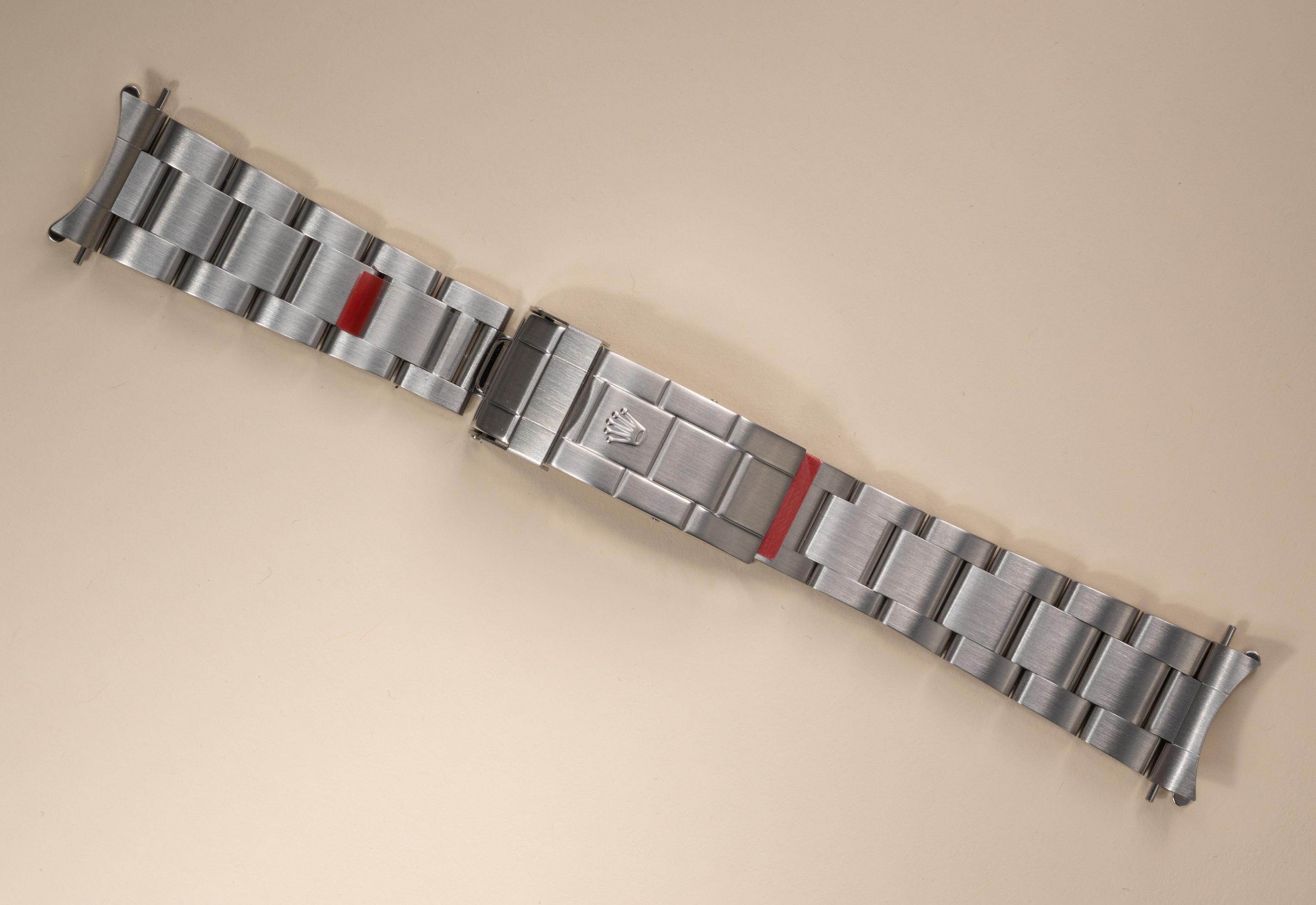







































Table of Contents


Get More from the Journal