How to Buy a Rolex: Expert Guide to Models, Value, and Legacy
Why a Rolex Is More Than Just a Watch
There is a reason people have been asking how to buy a Rolex for decades. It is not simply about telling time. It is about acquiring something that holds meaning, retains value, and tells a story long after the purchase. Rolex has built a reputation over more than a century as a manufacturer of precision instruments worn by explorers, athletes, world leaders, and collectors alike. Understanding what goes into that reputation — and how to navigate the buying process intelligently — is what separates a confident purchase from an impulsive one.
A Brief History That Shapes Every Purchase Decision
Rolex was founded in 1905 by Hans Wilsdorf in London, later relocating to Geneva, Switzerland. From the outset, Wilsdorf's vision was singular: create a wristwatch that was both precise and reliable enough to earn official certification. In 1910, a Rolex movement received the first wristwatch chronometer certification issued by the Official Watch Rating Centre in Biel. That achievement was not a marketing exercise — it was a declaration of standards. Over the following decades, Rolex introduced waterproof cases with the Oyster in 1926, the self-winding Perpetual rotor in 1931, and iconic sport models that became instruments of record for divers, pilots, and scientists. Knowing this history matters because it informs why certain references command higher prices and deeper collector interest. A watch's lineage is part of its value.
Understanding Rolex Collections Before You Buy
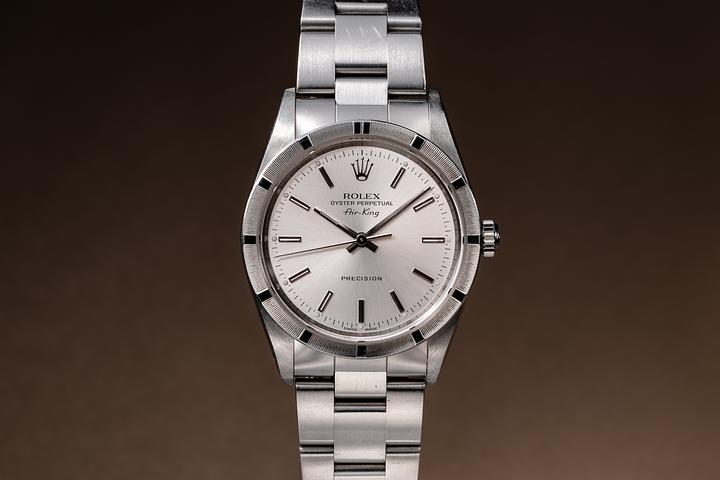
Rolex organizes its catalog into two primary lines: the Oyster Perpetual collection and the Cellini collection. The Oyster Perpetual line covers the majority of models most buyers recognize, and it branches into distinct families, each with a defined purpose and identity.
Submariner — the definitive dive watch, water-resistant to 300 meters, and arguably the most recognized watch in the world GMT-Master II — designed for pilots and travelers, capable of tracking two time zones simultaneously Daytona — a chronograph originally built for motorsport, now one of the most sought-after references in the secondary market Datejust — a dress watch introduced in 1945 that remains a pillar of versatility and refinement Explorer and Explorer II — purpose-built for adventurers, from mountain climbers to spelunkers Sea-Dweller and Deepsea — extreme dive instruments pushing water resistance far beyond standard expectations Day-Date — Rolex's flagship dress watch, offered exclusively in precious metals, associated with heads of state and industry leadersEach collection has its own set of case sizes, material options, dial configurations, and bracelet choices. Narrowing down which family fits your lifestyle and aesthetic sensibility is the first real step in making a smart purchase.
New, Pre-Owned, or Vintage: Choosing Your Market
This is where many buyers pause, and for good reason. Purchasing a brand-new Rolex from an authorized dealer means full manufacturer warranty coverage and peace of mind regarding authenticity. However, demand for the most desirable references consistently outpaces supply at retail. Waitlists for models like the Submariner, Daytona, and GMT-Master II can stretch for years, and authorized dealers do not always make the process straightforward. The pre-owned and vintage markets offer immediate access, often at a premium on the secondary market for newer references, but sometimes at remarkable value for older ones. Vintage Rolex watches — those generally produced before the 1990s — carry characteristics that modern production cannot replicate: tropical dials that have aged to brown or caramel tones, faded bezels, and handcrafted details that collectors call "patina." That character is precisely what makes vintage pieces so compelling, and so valuable.
How to Evaluate Value When Buying a Rolex
Value in the Rolex market is determined by a combination of factors that interact in sometimes unpredictable ways. Condition matters significantly, as does completeness — meaning whether a watch comes with its original box, papers, hang tags, and service records. A watch with full original documentation commands a measurable premium over the same reference without it. Beyond paperwork, originality is critical, particularly in the vintage space. Original dials, hands, bezels, and cases that have never been polished or refinished are far more desirable than pieces that have been altered or over-serviced. Reference number, production year, dial variant, and provenance also contribute. Learning to read Rolex serial numbers — which correspond to specific production date ranges — is a foundational skill for any serious buyer. The market rewards informed buyers. That is not a coincidence.
Spotting Counterfeits and Avoiding Costly Mistakes
The counterfeit watch market is sophisticated, and some fakes are produced well enough to mislead buyers who have not developed a trained eye. There are reliable ways to protect yourself. Always purchase from a reputable source — an authorized dealer, a well-established auction house, or a trusted specialist dealer in the vintage and pre-owned space. Request documentation, examine the caseback, verify the movement if possible, and pay attention to finishing quality. Rolex's manufacturing standards are extraordinarily high; imperfect engravings, misaligned text, lightweight feel, or inconsistent finishing on the bracelet are red flags. When in doubt, have the watch independently authenticated before completing any transaction. A few extra steps taken before purchase are worth considerably more than the complications that follow buying a watch that turns out to be something other than advertised.
Rolex as a Long-Term Investment
The phrase "watches as investments" requires some nuance. Not every Rolex increases in value, and purchasing solely for financial return without genuine interest in the watch can lead to poor decisions. That said, certain Rolex references have demonstrated consistent appreciation over time, particularly vintage sport models with original, unrestored components. The Daytona, especially early references like the 6239 and 6263, tropical dial Submariners, and vintage GMT-Master references with original "Pepsi" or "Root Beer" bezels have all seen extraordinary price growth over the past two decades. The underlying principle is straightforward: scarcity, desirability, and condition drive value. A watch that is genuinely rare, in honest original condition, and in demand from collectors globally will hold and grow its value with far more reliability than most consumer goods.
Practical Tips for First-Time Rolex Buyers
If you are approaching the Rolex market for the first time, a measured approach serves you well. Research before committing, and do not allow excitement to compress your due diligence timeline.
Define your budget before you begin looking — the Rolex market spans from a few thousand dollars for entry-level pre-owned pieces to hundreds of thousands for rare vintage references Decide whether new or pre-owned better fits your priorities around condition, pricing, and availability Focus on one or two reference families rather than browsing broadly, which leads to indecision Understand that paying slightly above retail in the secondary market for a desirable reference is often more realistic than waiting indefinitely at an authorized dealer Prioritize condition and originality over cosmetic appeal alone — a beautiful watch with replaced parts is worth less than one in honest, original condition Build a relationship with a specialist dealer who can educate you over timeWhy Tropical Watch Is the Right Partner for Your Rolex Journey
Finding the right watch is one thing. Finding the right source is another conversation entirely. Tropical Watch is a specialist in vintage and pre-owned luxury timepieces, with deep expertise in the Rolex market specifically. For collectors who want access to carefully curated, authenticated pieces — watches that reflect genuine quality, honest condition reporting, and provenance transparency — the experience of working with a knowledgeable dealer makes all the difference. Whether you are searching for a tropical dial reference, an early sport model, or a classic dress piece that will outlast every trend, you can explore an exceptional selection of vintage and pre-owned Rolex watches for serious collectors that represents the standard this market should hold itself to. The team at Tropical Watch brings the kind of collector-level knowledge that helps buyers make decisions they feel good about — not just at purchase, but for years afterward.
Frequently Asked Questions About Buying a Rolex
What is the best Rolex model for a first-time buyer?
The Rolex Datejust is widely considered an excellent starting point for first-time buyers. It offers timeless design, broad versatility, availability across a range of budgets in the pre-owned market, and strong long-term recognizability. The Oyster Perpetual is also worth considering for buyers who prefer a cleaner, no-date dial aesthetic at a somewhat lower entry point.
Is it safe to buy a pre-owned Rolex?
Yes, provided you purchase from a reputable and established source. Trusted specialist dealers, major auction houses, and certified pre-owned platforms offer authentication and condition transparency. Avoid unverified private sellers on general marketplace platforms unless you have independent authentication resources available to you.
How do I know if a Rolex is authentic?
Authentic Rolex watches exhibit extremely high-quality finishing, precise engravings, and smooth mechanical operation. Key verification points include the serial and model numbers engraved between the lugs, the rehaut engraving on modern references, movement quality when the caseback can be opened, and overall weight and bracelet finish. When in doubt, consult an independent watchmaker or authentication specialist before purchase.
Do Rolex watches hold their value over time?
Many Rolex references have historically held or appreciated in value, particularly vintage sport models in original, unrestored condition. Value retention depends on reference, condition, completeness of documentation, and market demand. No watch purchase is a guaranteed financial instrument, but Rolex as a brand has demonstrated stronger long-term value stability than most luxury consumer goods.
What does it mean when a Rolex has its original box and papers?
Original box and papers — the manufacturer's box, warranty card, and accompanying documentation from the time of original sale — confirm a watch's authenticity and provenance. They provide evidence of the watch's history and are considered a meaningful premium factor in both the vintage and pre-owned markets, often increasing resale value noticeably compared to watches sold without documentation.
What is a tropical dial on a vintage Rolex, and why is it valuable?
A tropical dial refers to a vintage Rolex dial that has aged from its original black or dark color to a brown, caramel, or chocolate tone due to exposure to UV light, humidity, and time. This natural aging process is largely associated with certain dial lacquers used in production during the 1950s through 1970s. Collectors prize tropical dials for their rarity, uniqueness, and the evidence of authentic age they represent, making them among the most sought-after characteristics in the vintage Rolex market.