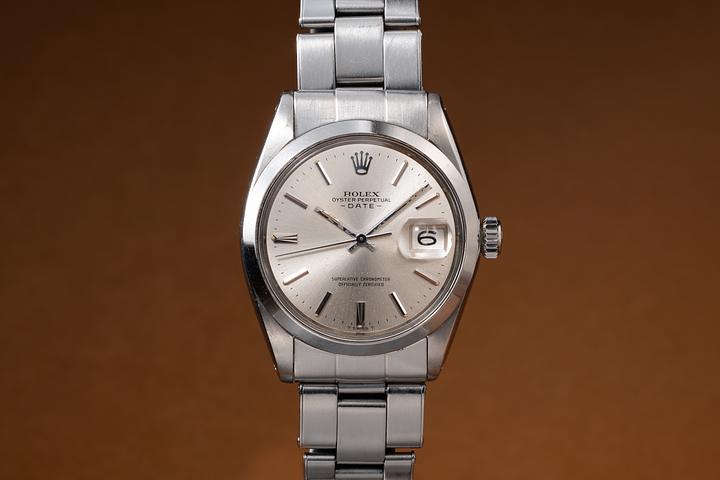
The 1908 Rolex Legacy: Swiss Precision That Changed Time
The 1908 Rolex: Where Swiss Precision Became a Legacy
There are watches, and then there are timepieces that fundamentally change the way the world thinks about horology. The Rolex 1908 sits firmly in the second category. Introduced as a modern reinterpretation of Rolex's founding spirit, the 1908 collection draws its name and identity from the very year Hans Wilsdorf officially registered the Rolex name — a deliberate and meaningful gesture that connects contemporary craftsmanship to over a century of Swiss precision. Understanding this watch means understanding not just a product, but a philosophy built over generations of relentless pursuit of accuracy, elegance, and enduring value.
The Year That Started Everything: 1908 in Context
In 1908, Hans Wilsdorf had a vision that most watchmakers of the era simply could not see. He believed that a wristwatch — then considered a novelty, even a frivolous accessory — could be made precise enough to rival the pocket watches that professional and scientific communities depended upon. That conviction led him to register the Rolex trademark and begin pushing Swiss movement makers to engineer calibers small enough to fit a wrist case without sacrificing accuracy. It sounds almost obvious in retrospect, but at the time it was a radical position. The decision to name a modern collection after this founding year is not just marketing nostalgia — it is a declaration that the original standards still apply, and perhaps matter more than ever in a world flooded with disposable luxury.
Design Philosophy: Classic Architecture Meets Modern Refinement
The Rolex 1908 collection wears its history without being consumed by it. The case profile is deliberately dress-watch proportioned — 39mm in platinum or 18-karat gold — crafted to sit elegantly beneath a shirt cuff, a detail that matters enormously to a certain kind of watch wearer. The domed dial and domed sapphire crystal work together to create a visual depth that flat, modern watch architecture rarely achieves. Rolex selected a fluted bezel, a sunburst dial, and applied hour markers that manage to feel both restrained and luxurious simultaneously. This is not a sports watch, and it makes no attempt to be one. The 1908 is unapologetically formal, and that clarity of purpose is part of what makes it compelling.
The Movement Inside: Caliber 7140 and What It Means
Beneath the dial, Rolex installed the Caliber 7140 — a movement developed specifically for this collection. It is a self-winding mechanical movement with a central rotor, beating at 21,600 vibrations per hour, and it carries the Rolex Superlative Chronometer certification. That certification is not a marketing label. It means the movement has been tested to perform within plus or minus two seconds per day after it leaves the Rolex facility — a standard that exceeds the requirements of the Official Swiss Chronometer Testing Institute by a significant margin. For a dress watch, this level of mechanical accuracy is quietly extraordinary. The movement is also visible through a sapphire case back, which is relatively unusual for Rolex and signals that with the 1908, the brand wanted the internal engineering to be part of the conversation.
Materials and Craftsmanship: What Justifies the Price
When a watch carries a price tag in the range of the Rolex 1908, the question of material quality becomes a reasonable and important one. Rolex produces its gold alloys in-house, including the 18-karat Everose gold and white gold variants associated with this reference. The platinum version of the 1908 uses a 950 platinum case and bracelet, which is among the most dense and naturally white precious metals used in watchmaking. The dials are produced with meticulous attention to texture and light interaction — the sunburst finishing on the dial surface catches ambient light in a way that changes the appearance of the watch depending on how you wear it and where you are. These are not accidental effects. They are the result of deliberate, skilled hand-finishing techniques that take years to master and cannot be replicated at scale without compromise.
How the 1908 Compares to Other Rolex Dress Watch References
Rolex is not typically a brand associated with pure dress watches — the Submariner, Daytona, and GMT-Master dominate conversations about the brand. But the 1908 exists within a quieter tradition that includes references like the Cellini collection, which Rolex has produced for decades. The key distinction is intentionality. Where the Cellini has sometimes felt like a brand obligation rather than a passion project, the 1908 reads as a genuine statement of purpose. Rolex built it around a specific size, a specific movement architecture, and a specific aesthetic language that holds together unusually well. For buyers who want something that does not announce itself across a room but rewards close attention, the 1908 occupies a space that very few Rolex references have historically addressed.
Vintage Rolex and the Legacy Connection: Why Collectors Pay Attention
Understanding the 1908 requires some appreciation of what vintage Rolex watches represent in the collector market. Early Rolex references — those produced in the decades following the brand's 1908 founding — are among the most aggressively sought-after timepieces in horological history. Dials with tropical patina, cases with natural wear, and movements with documented service histories command prices that regularly exceed initial retail by significant multiples. The 1908 collection, while a contemporary reference, speaks directly to this collector sensibility. It acknowledges that the brand's early history was defined by dress watches with precise movements and understated cases — the exact formula Rolex has returned to with this collection. Collectors who understand where Rolex came from tend to respond to that kind of institutional memory.
Buying Considerations: What to Know Before You Purchase
If you are evaluating the Rolex 1908 as a purchase, a few practical points are worth understanding before making a decision.
The 1908 is available in 18-karat white gold, 18-karat Everose gold, and 950 platinum — each with distinct price points and aesthetic personalities. The watch is paired with a matching metal bracelet or leather strap depending on configuration, which affects both wearability and resale positioning. As a certified Superlative Chronometer, the watch carries a five-year guarantee from Rolex, covering service and parts under standard conditions. The 1908 does not appear on secondary markets with the same frequency as sport Rolex references, which means availability requires patience and often a relationship with an authorized dealer or reputable reseller. For investment-minded buyers, platinum references historically hold value differently than gold in the secondary market, and this is worth factoring into any long-term ownership calculation.Why the 1908 Still Matters Today
The Rolex 1908 is not a watch for everyone, and it does not try to be. It is a watch for someone who understands that restraint can be a form of confidence, that a movement you cannot see is still worth caring about, and that the history of a brand is embedded in the objects it produces. The founding year reference is more than symbolic — it reflects a genuine continuity of values between Hans Wilsdorf's original ambitions and the standards Rolex maintains today. In an era where watch brands routinely chase trend cycles and limited-edition hype, the 1908 holds a different kind of position. It asks the wearer to slow down, look closely, and appreciate craftsmanship that does not need to shout to be heard. That is a rarer quality than it sounds.
Where to Find the Rolex 1908 and Vintage Rolex Watches Worth Owning
For collectors and buyers who understand the depth of what the 1908 represents, sourcing matters as much as selection. Tropical Watch has built its reputation on exactly the kind of inventory that serious watch buyers are looking for — curated, authenticated, and presented with the transparency that high-value purchases require. Whether you are searching for a contemporary Rolex 1908 or exploring the vintage references that inspired it, the expertise behind authenticated vintage and modern Rolex watches for serious collectors makes a measurable difference in the buying experience. The secondary market for Rolex is not a place to navigate without guidance, and Tropical Watch provides exactly that — knowledgeable, honest, and focused on matching buyers with timepieces that hold long-term significance. If the legacy of 1908 resonates with you, the collection and expertise available through Tropical Watch is a natural next step.
Frequently Asked Questions About the Rolex 1908
What is the Rolex 1908 and why is it significant?
The Rolex 1908 is a luxury dress watch collection named after the year Hans Wilsdorf registered the Rolex trademark. It is significant because it represents a return to Rolex's founding values — precision, elegance, and understated craftsmanship — expressed through contemporary materials and movement technology.
What movement does the Rolex 1908 use?
The Rolex 1908 is powered by Caliber 7140, a self-winding mechanical movement developed specifically for this collection. It carries the Rolex Superlative Chronometer certification, meaning it performs within plus or minus two seconds per day after leaving the Rolex facility.
Is the Rolex 1908 a good investment?
The Rolex 1908 holds strong long-term value due to its use of precious metals, in-house movement, and limited availability. Platinum references in particular have historically demonstrated stable value retention in the secondary market, though individual results depend on condition, documentation, and market timing.
How does the Rolex 1908 differ from the Rolex Cellini?
Both are Rolex dress watch collections, but the 1908 features a more architecturally unified design, a newer movement caliber, and a stronger connection to the brand's founding heritage. The 1908 also introduced a sapphire case back, which is unusual for Rolex and allows the movement to be viewed from the rear.
What materials are used in the Rolex 1908?
The Rolex 1908 is available in 18-karat white gold, 18-karat Everose gold, and 950 platinum. Rolex produces its gold alloys in-house, and all case and bracelet components are crafted to the brand's internal manufacturing standards rather than sourced from external suppliers.
Where can I buy a Rolex 1908 or vintage Rolex watches?
The Rolex 1908 is available through authorized Rolex dealers, though availability varies by region and configuration. Vintage Rolex references that inspired the 1908's design language can be found through reputable specialist dealers who offer authentication, documentation, and transparent provenance on each timepiece.