How to Wind a Rolex Watch Correctly for Accuracy and Care
Why Winding Your Rolex the Right Way Actually Matters
There is something almost meditative about winding a mechanical watch. It is a small ritual that connects you to the craftsmanship inside the case. But here is the thing — a lot of people either skip this step entirely or do it wrong, and neither is great for a watch that deserves better. A Rolex is not just a timepiece. It is a precision instrument built to last decades, sometimes longer. Knowing how to wind it correctly is less about following a rule and more about respecting what you have. Whether you are new to mechanical watches or have owned one for years and realized you have been guessing the whole time, this guide covers everything you need.
Understanding the Rolex Movement: Automatic vs. Manual
Before touching the crown, it helps to know what kind of movement you are working with. Most modern Rolex watches use a self-winding automatic movement, which means the rotor inside the watch spins with your wrist movement and winds the mainspring automatically throughout the day. Vintage Rolex models, particularly those from earlier decades, may feature manual-wind movements that require regular crown winding to stay running. The distinction matters because the winding method, frequency, and technique differ slightly between the two. Automatic movements still benefit from manual winding when the watch has been sitting unused. Manual movements depend on it entirely. Knowing which caliber is inside your specific reference is worth looking up — it shapes every decision after this.
The Crown: Your Direct Connection to the Movement
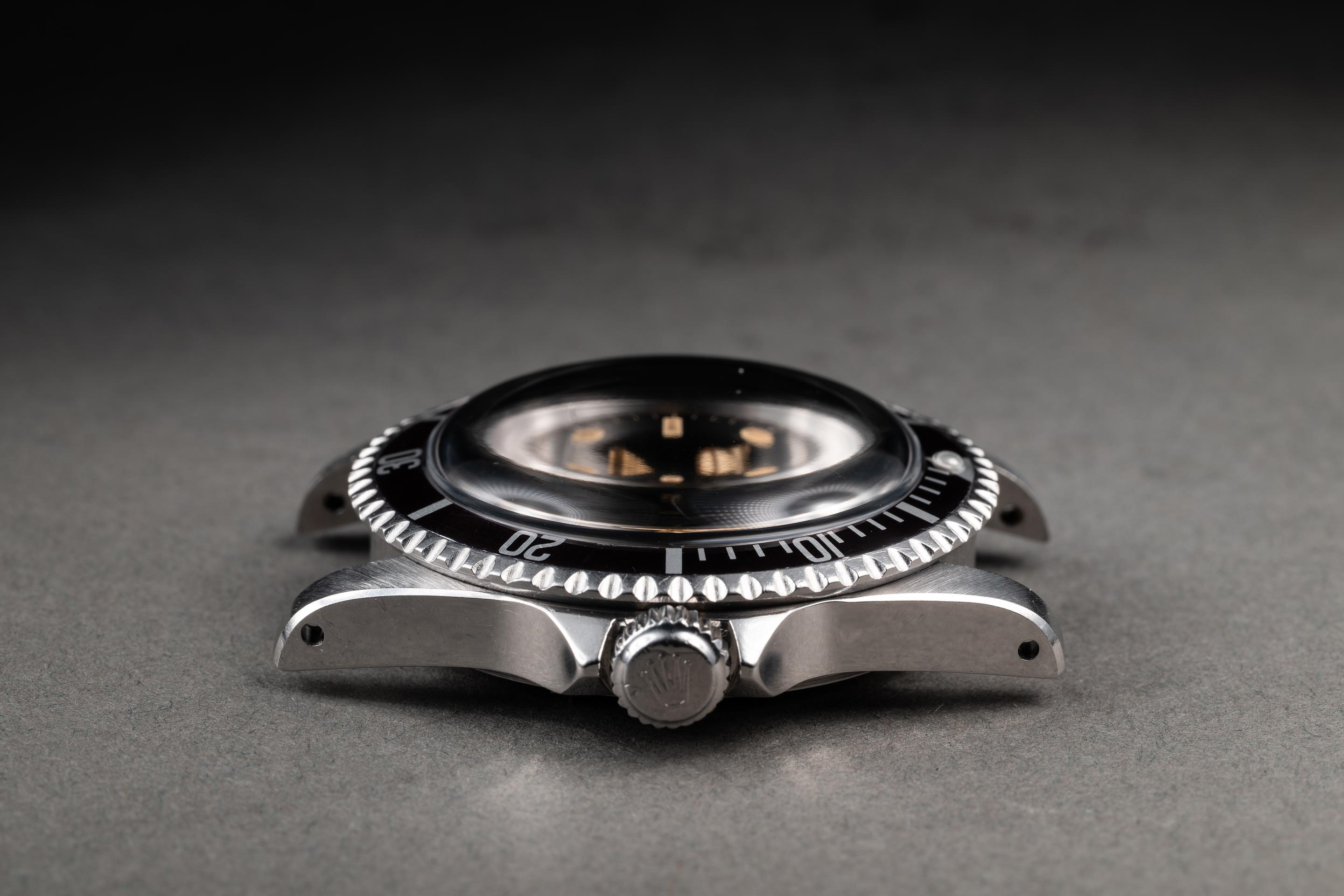
The crown is the small knurled knob located on the right side of the case, typically at the three o'clock position. On a Rolex, the crown operates in multiple positions. Position zero, fully screwed down against the case, is the resting position and maintains water resistance. Position one, after unscrewing and pulling out slightly, is where winding occurs. Position two is for setting the date, and position three is for setting the time. For winding purposes, you only need position one. It sounds simple, and it is — but skipping the step of properly unscrewing the crown before winding is a common mistake that can put unnecessary stress on the crown tube and gasket over time.
How to Wind a Rolex Watch Step by Step
The process is straightforward, but each step carries weight. Here is how to do it properly:
Remove the watch from your wrist before winding. Locate the crown and unscrew it counterclockwise until it pops out to the first position. Wind the crown clockwise using your thumb and index finger, applying gentle and consistent pressure. Perform approximately 20 to 40 full rotations for an automatic movement that has been sitting for a day or more. For a manual-wind movement that is fully unwound, wind slowly until you feel resistance building — do not force it further. Return the crown to its resting position and screw it back down clockwise until snug, not overtightened. That is the complete process. There is nothing complicated here, but the details — direction, force, position — all add up to either protecting the movement or wearing it down unnecessarily.
How Often Should You Wind a Rolex?
For automatic Rolex models, daily wear typically keeps the mainspring wound through the motion of the rotor. If you wear the watch consistently and stay active, the movement should maintain its power reserve without manual intervention. The issue arises when the watch sits unused for more than 24 to 48 hours. At that point, a manual wind session before wearing ensures it starts accurately and does not lose time during the day. For manual-wind Rolex models, a daily winding routine — ideally at the same time each morning — is the standard recommendation. Consistency here matters more than frequency. Irregular winding on a manual movement can create uneven tension in the mainspring and affect timekeeping over the long run.
Common Winding Mistakes and How to Avoid Them
Most errors when winding a Rolex come from impatience or incorrect assumptions about how much force is needed. Here are the most important things to avoid:
Winding the crown counterclockwise, which does nothing for most Rolex calibers and just wastes effort. Winding while the watch is still on the wrist, which angles the crown stem awkwardly and adds lateral stress to the movement. Overwinding an automatic movement — while modern automatics have a slipping clutch that prevents true overwinding, repeated unnecessary force still adds wear to internal components. Forgetting to screw the crown back down, which compromises water resistance and exposes the movement to dust and moisture. Pulling the crown to the wrong position before winding, which can inadvertently change the date or time during the process. Each of these is easy to avoid once you know what to watch for.
Does Winding Affect Accuracy?
Yes, and more than most people realize. A Rolex movement that starts each day from a well-wound mainspring operates within its designed power reserve range, which is where accuracy is optimized. When a watch runs on a depleted mainspring — near the end of its reserve — the release of energy becomes inconsistent, and the balance wheel cannot oscillate at its correct frequency. The result is a watch that loses time, sometimes noticeably. This is one of the most overlooked causes of timekeeping variance in mechanical watches. Winding your Rolex before wearing it, especially after any period of inactivity, directly supports the kind of precision these watches are engineered to deliver. It is one of the simplest maintenance habits with the highest return.
Watch Winders: Are They Worth It for Rolex?
A watch winder is a motorized device that rotates the watch continuously, mimicking wrist movement to keep the rotor spinning and the mainspring wound. For collectors with multiple automatic Rolex watches who rotate between them, a quality winder can be a practical tool. However, watch winders are not essential and carry a few caveats. Continuous movement means the lubricants inside the movement are always in motion, which can accelerate wear over long periods if servicing is not kept current. The winder must also be set to the correct rotation direction and turns per day for the specific Rolex caliber, or it becomes counterproductive. For most single-watch owners, a proper hand-wind when needed is just as effective and free of those concerns.
Why Tropical Watch Is the Right Partner for Your Vintage Rolex
Understanding how to care for a Rolex is only part of the equation. Finding the right Rolex in the first place — one that is properly serviced, accurately represented, and worth every dollar — is where the real challenge begins, particularly in the vintage market. Tropical Watch has built a reputation in the luxury watch space precisely because they take that challenge seriously. Their inventory of vintage and pre-owned Rolex references is curated with a level of scrutiny that reflects genuine expertise, not just sales volume. If you are looking to buy authentic pre-owned Rolex watches with confidence, Tropical Watch offers the kind of transparent, knowledgeable experience that collectors and first-time buyers alike deserve. Every watch that passes through their hands is evaluated with the same respect you would apply when winding it — carefully, correctly, and with a clear understanding of what is at stake.
Frequently Asked Questions About Winding a Rolex
Can you overwind a modern Rolex watch?
Modern Rolex automatic movements are equipped with a slipping clutch mechanism that prevents overwinding. Once the mainspring reaches full tension, the clutch disengages. However, this does not mean excessive force should be applied habitually, as it can still place unnecessary stress on components over time.
How many times should I wind my Rolex crown?
For an automatic Rolex that has not been worn for a day or more, approximately 20 to 40 clockwise rotations of the crown in position one is sufficient to charge the mainspring and ensure accurate timekeeping from the start of wear.
Should I wind my Rolex every day even if I wear it daily?
If you wear your Rolex consistently throughout the day and engage in normal activity, the automatic rotor will keep the mainspring adequately wound. A manual wind before wearing is beneficial after periods of inactivity but is not required for watches worn daily.
What happens if I do not screw the crown back down after winding?
Leaving the crown unscrewed removes the Oyster case seal, which compromises water resistance and exposes the movement to dust, moisture, and potential damage. Always screw the crown back down firmly after any winding or time-setting procedure.
Is it better to wind a Rolex on or off the wrist?
Winding off the wrist is the recommended approach. Winding while the watch is worn creates lateral pressure on the crown stem, which can stress the crown tube and winding mechanism over repeated use. Removing the watch takes seconds and protects the movement.
How do I know if my Rolex has a manual or automatic movement?
The easiest method is to identify the reference number and look up the caliber in Rolex documentation or a trusted resource. Vintage models from the 1940s through early 1960s are more likely to be manual-wind, while most post-1960s references use self-winding automatic movements with the Perpetual rotor system.