


Is Rolex a Non-Profit? Understanding Its Unique Ownership Model
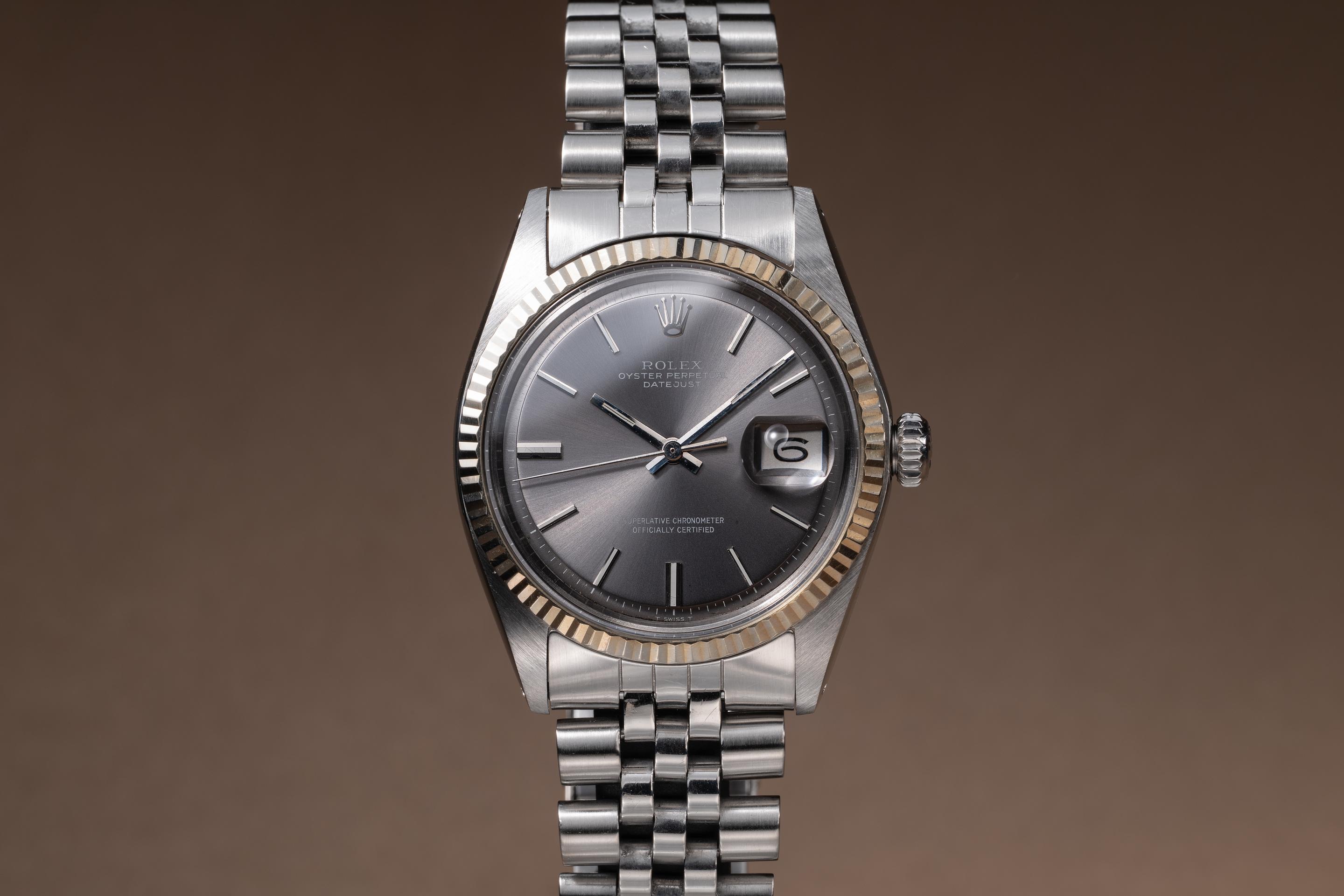
Is Rolex a Non-Profit? The Ownership Model That Surprises Everyone
Most people associate Rolex with wealth, precision, and prestige. What far fewer people realize is that behind those iconic green boxes and crown logos sits one of the most unusual corporate structures in the entire luxury goods industry. Rolex is, in a very meaningful sense, owned by a non-profit foundation. Not a family. Not a hedge fund. Not a conglomerate. A charitable trust. That fact alone tends to stop people mid-sentence when they first hear it, and honestly, it should. The story of how one of the most commercially successful watchmakers on earth became intertwined with philanthropy is as fascinating as the movements inside its watches.
How Rolex Is Actually Structured
Rolex SA, the Geneva-based watchmaker, is privately held and not publicly traded on any stock exchange. The company is owned primarily by the Hans Wilsdorf Foundation, a private charitable foundation established under Swiss law. Hans Wilsdorf, the founder of Rolex, set up this structure in 1944 following the death of his wife and business partner, Florence. With no heirs and a clear desire to protect the company he built from outside interference or hostile acquisition, Wilsdorf transferred ownership of Rolex to the foundation. This arrangement means that profits generated by Rolex do not flow to shareholders in the traditional sense. Instead, they are reinvested into the company or directed toward philanthropic and humanitarian causes. It is a structure designed for permanence and purpose, not quarterly earnings reports.
What Is the Hans Wilsdorf Foundation?
The Hans Wilsdorf Foundation is a Swiss private foundation, which under Swiss law operates with significant confidentiality protections. It is not required to publicly disclose its financial statements or the specific charitable causes it supports, which has contributed to some ongoing public confusion about just how much Rolex gives away and to whom. What is publicly known is that the foundation has historically directed funding toward education, social welfare, humanitarian initiatives, and other causes Wilsdorf cared deeply about. The foundation structure also insulates Rolex from the typical pressures of external investors, allowing the brand to prioritize long-term craftsmanship and brand integrity over short-term profit maximization. That autonomy is rare in any industry, let alone luxury goods.
Does Being Foundation-Owned Make Rolex a Charity?
This is where the nuance matters. Rolex is not a charity in the way most people understand that term. It does not solicit donations. It does not operate soup kitchens or disaster relief programs directly. What it does is operate as a highly profitable commercial enterprise whose ultimate ownership sits within a non-profit structure. Think of it like this: Rolex earns revenue through watch sales, reinvests heavily in research, manufacturing, and brand development, and then the surplus benefits the foundation rather than enriching individual shareholders. The company itself is commercial through and through. The ownership layer above it is what carries the non-profit designation. That distinction matters, and it is worth holding onto as you think about what this means for the brand overall.
How This Structure Shapes Rolex as a Brand
The foundation-ownership model has had profound effects on how Rolex operates and how it thinks about itself. Without shareholders demanding dividends or activists pushing for asset sales, Rolex has been free to make decisions on a generational timescale. The brand has never been sold, spun off, or folded into a larger luxury conglomerate like LVMH or Richemont. It remains fiercely independent. That independence is not incidental. It is the direct result of Wilsdorf's deliberate structuring choice made in 1944. The consistency in quality, the conservative approach to model releases, the obsessive control over distribution channels, all of it traces back to a company that answers to a foundation rather than to Wall Street or any equivalent. The result is a brand with an unusually long institutional memory and a culture built around craftsmanship continuity.
Rolex Philanthropy in Practice
While the Hans Wilsdorf Foundation keeps its activities largely private, Rolex has become more visible in recent decades through its own branded philanthropy programs. The Rolex Awards for Enterprise, established in 1976, supports innovators and pioneers working on projects that benefit humanity and the planet. The Perpetual Planet initiative, launched in partnership with National Geographic, supports conservation efforts around the world. The Mentor and Protege Arts Initiative connects emerging creative talents with established masters across disciplines like architecture, dance, film, and music. These programs are funded and managed by Rolex directly, separate from but complementary to the foundation's own charitable activities. Together, they reflect a brand that takes the obligations of its unusual ownership model seriously, at least publicly.
Why This Makes Vintage Rolex Watches Even More Interesting
Understanding the ownership model adds a layer of meaning to every Rolex ever produced. These are not watches manufactured to satisfy quarterly earnings targets or to drive up stock valuations. They are products of a company that, by structural design, is meant to last indefinitely and operate with a kind of institutional patience very few commercial enterprises can claim. Vintage Rolex watches, in particular, carry that legacy in tangible form. A Submariner from the 1960s or a Daytona from the 1970s represents the output of an organization that was already thinking in decades rather than quarters. That philosophy shaped the tolerances, the materials, the design decisions, and ultimately the durability that makes vintage Rolex pieces so enduring and so sought after on the secondary market today.
Common Misconceptions Worth Clearing Up
A few things tend to get conflated when this topic comes up in conversation. Here is a quick breakdown of what is accurate and what gets distorted:
Rolex is not a publicly traded company, so it has no stock price or external shareholders The Hans Wilsdorf Foundation owns Rolex but does not manage its day-to-day operations Rolex is not tax-exempt in the way a registered charity in the United States would be The company still operates to generate profit, the foundation structure determines where that profit ultimately goes Swiss foundation law does not require Rolex or the foundation to publicly disclose financial details Rolex employees are not volunteers; the company employs thousands of people with standard compensation structuresNone of this diminishes the legitimacy or the significance of the model. It simply helps paint a more accurate picture of what foundation ownership actually looks like in practice at this scale.
Where to Find Vintage Rolex Watches That Carry This Legacy
If understanding Rolex's non-profit ownership model has deepened your appreciation for what these watches represent, then acquiring a vintage piece feels like a logical next step. That is where Tropical Watch comes in. As a trusted source for carefully authenticated vintage and pre-owned luxury timepieces, Tropical Watch specializes in exactly the kind of Rolex watches that embody everything discussed here: pieces built with generational intention, exceptional durability, and a brand heritage unlike anything else in horology. Whether you are searching for a classic Submariner, a Daytona, or an Explorer from Rolex's most celebrated decades, browsing the curated collection of vintage Rolex watches from a foundation-owned watchmaker with a legacy of craftsmanship at Tropical Watch is the right place to begin that search. The expertise, the authenticity standards, and the genuine passion for horological history that Tropical Watch brings to every transaction make it a natural fit for collectors who understand that a Rolex is never just a watch.
Frequently Asked Questions About Rolex and Its Non-Profit Ownership
Is Rolex actually a non-profit organization?
Rolex itself is a for-profit commercial company. However, it is owned by the Hans Wilsdorf Foundation, a private Swiss charitable foundation. This means profits ultimately flow to a non-profit entity rather than to individual shareholders, which gives the structure its quasi-non-profit character.
Who founded the Hans Wilsdorf Foundation?
Hans Wilsdorf, the founder of Rolex, established the foundation in 1944 after the death of his wife Florence. With no direct heirs, he transferred ownership of Rolex to the foundation to protect the company from outside acquisition and ensure its long-term independence.
Does Rolex pay taxes?
Yes. Rolex operates as a commercial enterprise in Switzerland and is subject to Swiss corporate taxation. The foundation ownership structure does not grant Rolex the same tax-exempt status that registered charities in countries like the United States might receive.
How does Rolex use its profits if it has no shareholders?
Profits are reinvested into the company for research, manufacturing, and development, or directed to the Hans Wilsdorf Foundation for its charitable and humanitarian activities. Rolex also funds its own branded philanthropy programs including the Rolex Awards for Enterprise and Perpetual Planet initiatives.
Why does Rolex keep its financial information private?
Swiss law allows private foundations and closely held companies significant confidentiality protections. Rolex is not publicly traded and is not legally required to disclose revenue figures, profit margins, or the specific causes supported by the Hans Wilsdorf Foundation.
Does the non-profit ownership affect the quality or value of Rolex watches?
Indirectly, yes. Because Rolex is not beholden to external shareholders or short-term financial pressures, it has consistently prioritized quality, craftsmanship, and long-term brand integrity. Many collectors and analysts credit this structure as a key reason Rolex watches hold and appreciate in value the way they do.


