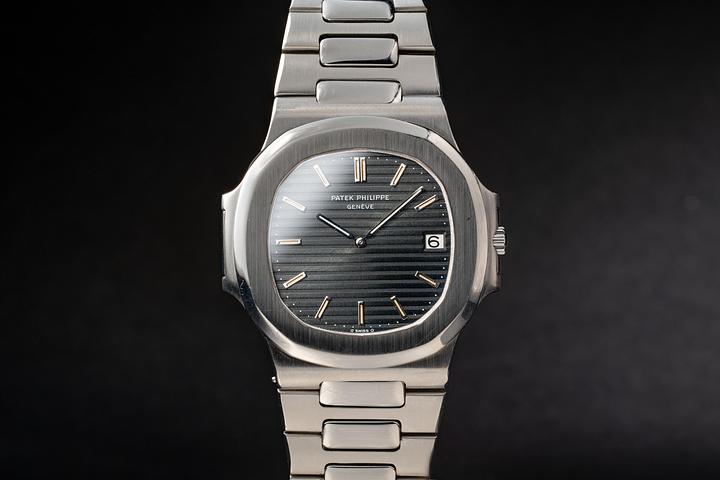
Patek Philippe Movement: Craftsmanship Behind the Price

What Makes a Patek Philippe Movement So Special?
If you have ever looked at a Patek Philippe and wondered why it commands such an extraordinary price, the answer lives inside the case. The movement, which is the mechanical engine powering the watch, is where Patek Philippe separates itself from virtually every other watchmaker in the world. This is not marketing language. It is a measurable, documented reality that collectors, horologists, and auction houses have validated for well over a century. Understanding what goes into a Patek Philippe movement is one of the most rewarding things a serious watch buyer can do before making a purchase decision.
A Brief History of Patek Philippe and Its Mechanical Legacy
Patek Philippe was founded in Geneva in 1839 by Antoni Patek and Adrien Philippe. Adrien Philippe himself invented the keyless winding mechanism, which is now standard across the entire watch industry. That detail alone tells you something important about the brand's relationship with innovation. From the very beginning, Patek Philippe was not simply manufacturing watches. They were solving problems and setting standards that others would spend decades trying to replicate. The company has remained independently owned by the Stern family since 1932, which has allowed them to prioritize craftsmanship over short-term commercial pressures. That independence matters enormously when you understand how decisions about movement development get made at this level.
What Is a Watch Movement and Why Does It Matter?
A watch movement is the internal mechanism responsible for measuring and displaying time. In mechanical watches, this involves an intricate system of gears, springs, levers, and escapements working in precise coordination. There are two primary categories of mechanical movements: manual-winding and automatic. Manual movements require the wearer to wind the crown regularly to maintain power reserve. Automatic movements, also called self-winding movements, use a rotor that spins with wrist movement to wind the mainspring. Patek Philippe produces exceptional examples of both, and their in-house manufacturing of these components is what elevates the brand above most competitors.
In-House Manufacturing: The Foundation of Patek Philippe Quality
Many watch brands, even respected ones, source their movements or key components from third-party suppliers. Patek Philippe does not operate that way. They design, develop, and produce their calibres entirely in-house at their manufacture in Geneva and their facility in Plan-les-Ouates. This means every gear, every jewel, every bridge and plate is produced and finished under their direct supervision. The brand holds the prestigious Patek Philippe Seal, which replaced the Geneva Seal in 2009 and sets even more demanding standards for precision, finishing, and after-sale service. This internal seal governs tolerances and finishing requirements that go well beyond what regulatory bodies require.
Key Patek Philippe Calibres Worth Knowing
Patek Philippe produces dozens of distinct calibres, each engineered for specific complications or watch families. A few stand out as particularly significant for collectors and buyers researching the brand.
- Calibre 240 is a micro-rotor automatic movement known for its slim profile and exceptional finishing. It powers many dress watches including certain references in the Calatrava collection.
- Calibre 324 S C is an automatic movement frequently found in the Nautilus collection, offering a date function and a power reserve of approximately 45 hours.
- Calibre 89 is considered one of the most complex watch movements ever constructed, featuring 33 complications and developed to celebrate the brand's 150th anniversary in 1989.
- Calibre R TO 27 PS is a manual-winding tourbillon movement used in the reference 5101, the famous Ten-Day Tourbillon. It offers a remarkable 10-day power reserve.
- Calibre CHR 29-535 PS is the in-house split-seconds chronograph movement, notable for its lateral clutch and column wheel, delivering a level of precision that chronograph enthusiasts specifically seek out.
The Role of Complications in Patek Philippe Movements
A complication, in watchmaking terms, refers to any function beyond basic timekeeping. Patek Philippe has long been associated with the most demanding complications in the craft, including perpetual calendars, minute repeaters, tourbillons, and split-seconds chronographs. What makes their approach distinctive is not simply that they offer these features, but how they integrate them. A Patek Philippe perpetual calendar, for instance, is designed to account for different month lengths and even leap years without manual correction until the year 2100. The engineering required to achieve this inside a slim case, while maintaining the refined aesthetic the brand is known for, represents an extraordinary technical achievement. These are not features added for marketing purposes. They reflect generations of accumulated expertise.
Finishing Standards That Define the Movement
Even if you never open the caseback of your Patek Philippe, the finishing applied to the movement inside is meticulous by any standard. Patek Philippe applies beveling, polishing, and decorative techniques to every visible surface, including components that are largely hidden from view. Techniques such as Cotes de Geneve striping on bridges and plates, circular graining on specific surfaces, and hand-chamfering on individual edges are applied by trained artisans. The balance between aesthetic refinement and mechanical precision is deliberate. These finishing techniques are not purely decorative. Some of them, particularly the deburring and smoothing of contact surfaces, contribute directly to the longevity and reliability of the movement.
Longevity and Serviceability: A Long-Term Investment
One of the most practical reasons collectors prize Patek Philippe movements is their design for long-term serviceability. The brand is known for maintaining spare parts and service capabilities for watches produced many decades ago. This is a significant commitment that few manufacturers match. A well-maintained Patek Philippe can function reliably across multiple generations, which is precisely the philosophy behind the brand's long-running campaign positioning their watches as objects passed from parent to child. The movements are engineered with this generational lifespan in mind, using materials and construction methods that hold up remarkably well when properly serviced at regular intervals of approximately three to five years.
Why Tropical Watch Is the Right Partner for Your Luxury Watch Journey
Understanding Patek Philippe movements is one part of the equation. Finding the right source for acquiring them is equally important. Tropical Watch has built a reputation as a trusted destination for collectors who take both quality and provenance seriously. Whether you are drawn to the technical mastery of a Patek Philippe perpetual calendar or exploring the broader world of authenticated vintage luxury watches from the world's most prestigious manufactures, Tropical Watch offers the expertise and curated inventory that discerning buyers expect. The team brings deep market knowledge to every transaction, ensuring that the watches presented meet rigorous standards for authenticity and condition. For collectors who want guidance without the pressure, this is the kind of partnership that makes a meaningful difference.
Frequently Asked Questions About Patek Philippe Movements
What does in-house movement mean for Patek Philippe?
An in-house movement means Patek Philippe designs, engineers, and manufactures the movement components entirely within their own facilities rather than sourcing them from outside suppliers. This gives the brand complete control over quality, finishing, and performance standards.
How often should a Patek Philippe movement be serviced?
Patek Philippe recommends servicing their movements approximately every three to five years, depending on the calibre and usage conditions. Regular servicing ensures the oils remain effective, tolerances are maintained, and the movement continues to operate within its specified accuracy range.
What is the Patek Philippe Seal and how does it differ from the Geneva Seal?
The Patek Philippe Seal is a proprietary quality standard introduced in 2009 that replaced the Geneva Seal for the brand's watches. It sets stricter requirements covering movement precision, finishing quality, water resistance, and after-sale service obligations, making it a more comprehensive certification.
Are Patek Philippe movements considered better than other luxury watchmakers?
Patek Philippe movements are consistently ranked among the finest in the industry due to their in-house manufacturing, finishing standards, complication expertise, and long-term serviceability. While other prestigious manufactures like A. Lange and Soehne and Audemars Piguet also produce exceptional movements, Patek Philippe's breadth of complication development and historical track record place them at the very top of the category.
What is a tourbillon and why does Patek Philippe use it?
A tourbillon is a rotating cage that holds the escapement and balance wheel, designed to counteract the effects of gravity on timekeeping accuracy. Patek Philippe incorporates tourbillons in select high-complications references as both a functional precision feature and a demonstration of the highest levels of watchmaking skill.
Can vintage Patek Philippe movements still be serviced today?
Yes. Patek Philippe maintains an extensive archive of spare parts and technical documentation for vintage references, allowing certified service centers to properly maintain watches produced many decades ago. This commitment to long-term serviceability is a key reason why vintage Patek Philippe watches retain and often appreciate in value over time.



















Table of Contents


Get More from the Journal