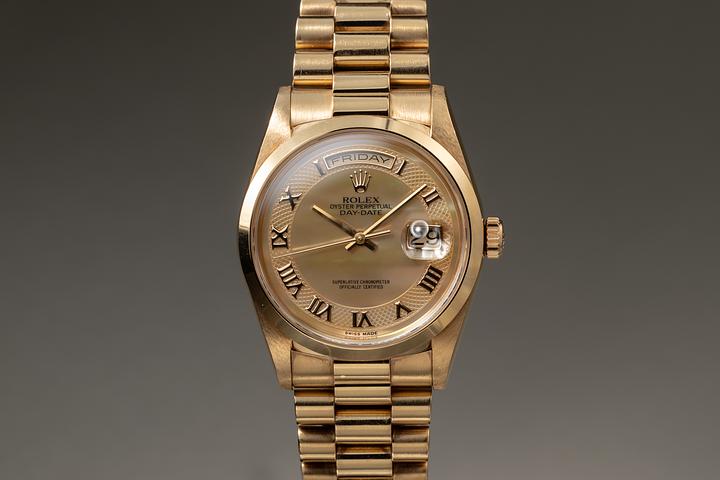
Rolex Yacht-Master Watch Guide: Precision, Style, and Legacy

The Rolex Yacht-Master: A Timepiece Built for the Sea and Beyond
There are watches designed to tell time, and then there are watches designed to define it. The Rolex Yacht-Master sits firmly in the second category. Introduced in 1992, this collection was Rolex's answer to a very specific kind of person — someone who lives near the water, thinks in knots, and expects their watch to keep up. Over three decades later, it remains one of the most refined nautical timepieces in the world, balancing genuine technical precision with a level of elegance that translates just as naturally from the deck of a sailboat to a business dinner. If you have been considering the Yacht-Master, or if you are simply trying to understand what separates it from everything else Rolex makes, this guide is exactly where to start.
A Brief History of the Yacht-Master Collection
Rolex has long had a relationship with the sea. The brand introduced the Submariner in 1953, targeting divers and underwater explorers. The Yacht-Master came nearly four decades later, and it approached the ocean from a different angle entirely. Rather than functional depth ratings and tool-watch utility, the Yacht-Master leaned into the lifestyle surrounding sailing — the racing circuits, the regattas, the culture of professional and recreational sailing at its highest level. The original reference, the 16628, launched in 18-karat yellow gold, which told you immediately that this watch was not playing the same game as the Submariner. It was luxurious from the start. Over time, Rolex expanded the Yacht-Master into multiple case sizes, metal combinations, and dial configurations, eventually introducing the Yacht-Master II in 2007 with a mechanical regatta countdown function. The original collection, however, has remained a cornerstone of the Rolex catalog because it does something very few watches manage to do well — it looks like it belongs everywhere.
Case Sizes and Materials: Understanding Your Options
The Yacht-Master is available in three primary case sizes, giving buyers flexibility based on wrist size and personal preference. The 37mm reference sits in a midsize position, appealing to those who prefer a slightly more restrained profile. The 40mm has historically been the most popular among men, offering a balanced, versatile fit. The 42mm, introduced more recently, provides a contemporary, larger presence on the wrist. In terms of materials, Rolex offers several configurations.
Stainless steel with a platinum bezel, known as Rolesor combinations Full 18-karat yellow gold construction Full 18-karat white gold construction Everose gold, Rolex's proprietary rose gold alloy Two-tone Rolesor combinations pairing steel with Everose or yellow goldThe bezel itself deserves attention. The Yacht-Master features a bidirectional rotatable bezel with a raised numerals and minute scale, crafted in platinum or gold depending on the reference. It has a distinctive, satisfying click and a tactile weight that immediately signals quality. The Oysterflex bracelet, available on several models, pairs a high-performance elastomer strap with a titanium and nickel alloy blade — a design that speaks directly to the nautical environment while remaining extremely comfortable on the wrist.
The Movement Inside: Rolex Calibre Precision
Every Rolex Yacht-Master is powered by a manufacture movement, meaning Rolex designs, builds, and tests each calibre entirely in-house. Current references typically run the Calibre 3235, a movement that represents one of the most significant technical achievements in modern watchmaking. It features a Chronergy escapement, a patented design that improves energy efficiency by approximately 15 percent compared to traditional lever escapements. The power reserve sits at approximately 70 hours, meaning the watch can rest for nearly three days without winding and still pick up from the correct time. It carries the COSC chronometer certification and additionally meets Rolex's own even stricter Superlative Chronometer standards, which guarantee precision of plus or minus two seconds per day. That level of accuracy is not incidental — it is engineered deliberately, and it is part of what justifies the Yacht-Master's position in the luxury tier.
Dial Design and Readability on the Water
A nautical watch has to be legible. The Yacht-Master delivers on this without sacrificing aesthetics. The dials are offered in a range of finishes including rhodium, blue, black, and silver, with applied hour markers and Chromalight luminescence on the hands and indices. Chromalight emits a blue glow that is significantly longer lasting than standard luminescent materials — an important consideration for anyone reading coordinates or tracking elapsed time in low-light conditions at sea. The overall dial presentation is clean, with appropriate restraint. Rolex does not overcrowd the face with complications, which keeps readability sharp and the look timeless. Whether you choose a sunray-brushed metallic dial or a classic white gold format, the Yacht-Master communicates precision through its simplicity.
How the Yacht-Master Differs from the Submariner and Explorer
This question comes up often, and it is worth addressing directly. The Submariner is a dive watch first — it is rated to 300 meters, has a unidirectional bezel for tracking dive time, and carries a more utilitarian visual identity. The Explorer prioritizes legibility and durability for extreme land-based exploration. The Yacht-Master occupies a different space entirely. It is water-resistant to 100 meters, which is more than sufficient for sailing and recreational water activities, but it is not designed as a dive instrument. Its rotatable bezel is bidirectional rather than unidirectional, and its overall aesthetic leans significantly more toward elegance. The Yacht-Master is the Rolex you choose when you want the brand's technical excellence expressed through a more refined and versatile package.
Vintage Yacht-Master References Worth Knowing
For collectors, the Yacht-Master's earlier references carry particular interest. The reference 16628 in yellow gold was the original and introduced the collection's signature language. The 16622 in stainless steel with a platinum bezel became a benchmark for the sport-luxury category and remains highly sought after on the secondary market. Early examples with tropical dials, original bracelets, and documented service histories can command notable premiums. Knowing what to look for when purchasing vintage is essential.
Original crown and case proportions consistent with production year Correct dial text formatting for the reference period Serial number alignment with published Rolex production records Evidence of original bracelet and clasp components Documentation including box and papers where availableWearing the Yacht-Master: Versatility in Practice
One of the Yacht-Master's most underappreciated qualities is how naturally it transitions across contexts. On a yacht, it handles spray, sun, and activity without complaint. In a business environment, the gold or Rolesor versions read as polished and intentional. On weekends, the steel and platinum references wear like a confident, understated sports watch. Rolex designed this collection with genuine lifestyle versatility in mind, and the execution delivers. This is not a watch that demands a specific wardrobe or occasion. It simply adapts, which is a rare quality in a timepiece at this price level.
Why Tropical Watch Is the Right Source for Your Yacht-Master
When investing in a Rolex Yacht-Master — whether a current production reference or a coveted vintage piece — the source matters enormously. Authenticity, condition, and provenance are the three pillars of any serious luxury watch acquisition, and finding a dealer who understands all three is not always straightforward. Tropical Watch has built its reputation specifically around this standard. With deep expertise in vintage and pre-owned Rolex timepieces, the team at Tropical Watch approaches every acquisition with the kind of rigor that serious collectors expect. If you are looking to explore vintage and pre-owned Rolex Yacht-Master watches for sale, Tropical Watch offers a curated inventory paired with genuine expertise, making it one of the most trusted destinations for discerning buyers in the luxury watch market. Whether you are starting your Rolex collection or adding a specific reference you have been tracking for some time, working with a knowledgeable source changes the entire experience.
Frequently Asked Questions About the Rolex Yacht-Master
What is the water resistance rating of the Rolex Yacht-Master?
The Rolex Yacht-Master is water resistant to 100 meters, or 330 feet. This makes it suitable for swimming, sailing, and general water activities, though it is not classified as a professional dive watch like the Submariner.
What movement does the current Rolex Yacht-Master use?
Most current Rolex Yacht-Master references use the in-house Calibre 3235, which features a Chronergy escapement, approximately 70 hours of power reserve, and meets Rolex's Superlative Chronometer standard of plus or minus two seconds per day.
Is the Rolex Yacht-Master a good investment?
Rolex watches, including the Yacht-Master, have historically retained strong value over time. Specific references in gold or with desirable configurations tend to hold value particularly well. Vintage examples in excellent condition with original documentation can appreciate significantly on the secondary market.
What is the difference between the Yacht-Master and the Yacht-Master II?
The original Yacht-Master is a time-only watch with a rotating bezel, designed for nautical lifestyle wear. The Yacht-Master II, introduced in 2007, features a mechanical regatta countdown function, making it a more technically specialized instrument for competitive sailing.
What materials are available for the Rolex Yacht-Master bezel?
The Yacht-Master bezel is available in platinum on steel models and in yellow gold or white gold on precious metal references. The bezel is bidirectional rotatable and features a distinctive raised numerals and minute scale design.
How do I verify the authenticity of a vintage Rolex Yacht-Master?
Authenticating a vintage Rolex Yacht-Master requires examining the serial number, reference number, case and dial consistency for the production year, movement condition, and original components including bracelet and clasp. Purchasing from a reputable, experienced dealer significantly reduces the risk of acquiring an inauthentic piece.