Why Rolex Remains the Benchmark of Swiss Watchmaking Excellence
Why Rolex Remains the Benchmark of Swiss Watchmaking Excellence
There are luxury watches, and then there is Rolex. While dozens of prestigious Swiss manufacturers have produced extraordinary timepieces over the centuries, one name consistently rises above the rest in terms of global recognition, market value, and cultural relevance. Rolex has maintained its position at the top of the horological world not through marketing alone, but through a relentless commitment to precision, durability, and design integrity. Understanding why Rolex occupies this singular position requires looking at the full picture — the history, the engineering, the craftsmanship, and the enduring appeal that keeps both first-time buyers and seasoned collectors coming back. This is not a short story. It is over a century in the making.
A Foundation Built on Innovation, Not Tradition Alone
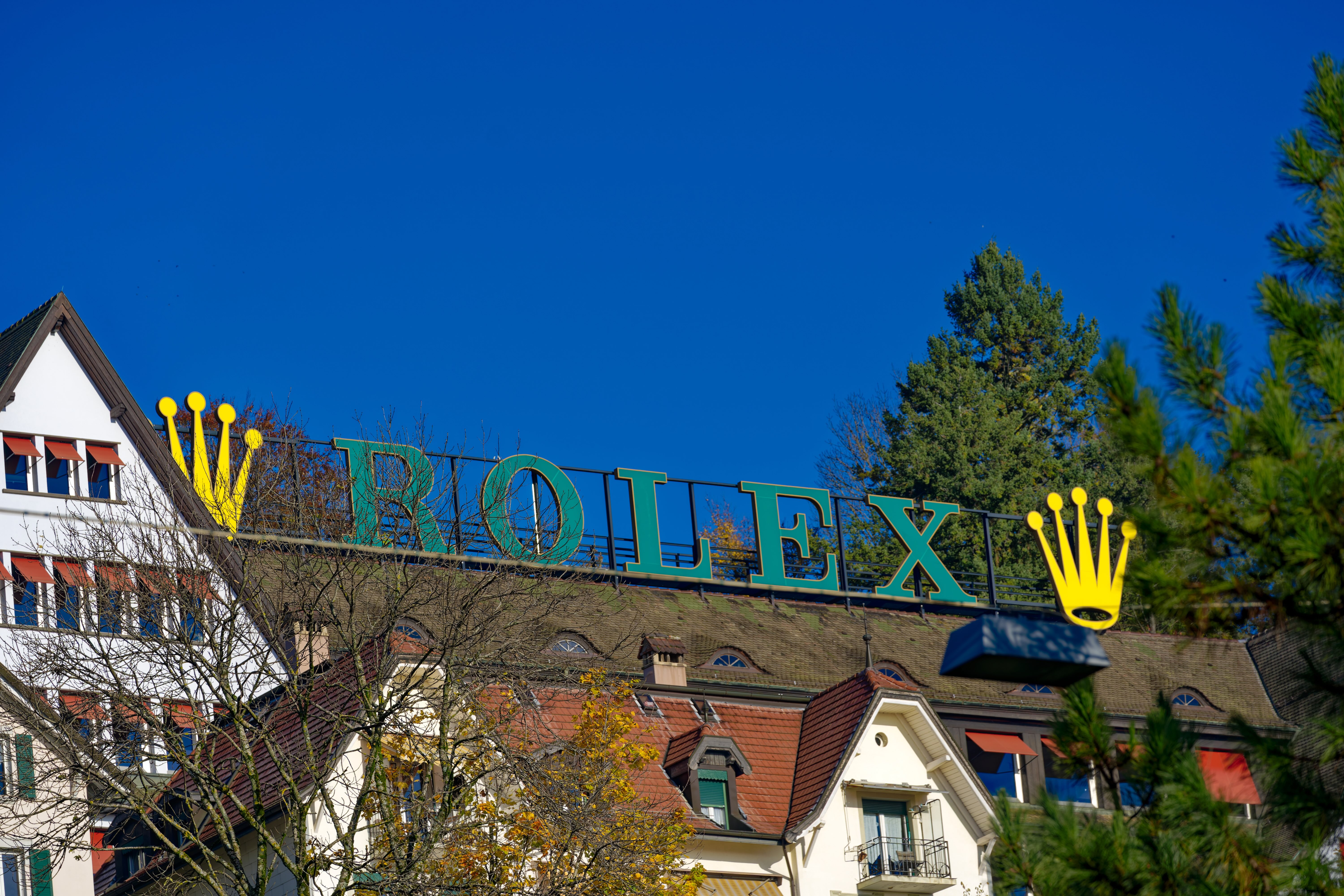
Rolex was founded in 1905 by Hans Wilsdorf in London, later relocating to Geneva as the brand grew into a Swiss institution. From the very beginning, Wilsdorf had a clear ambition — to place a reliable, precise mechanical watch on the wrist of the world. That sounds simple enough, but at the time, wristwatches were largely considered decorative and unreliable compared to their pocket watch counterparts. Rolex changed that perception entirely. In 1926, the brand introduced the Oyster case, the world's first waterproof wristwatch case. A year later, in 1927, a watch was strapped to the wrist of swimmer Mercedes Gleitze as she crossed the English Channel — and it kept perfect time throughout. That was not an accident. It was a statement. The Rolex Oyster became the proof of concept for what a modern wristwatch could actually be: tough, accurate, and wearable in the real world.
The In-House Advantage: Why Manufacturing Everything Matters
One of the most significant reasons Rolex maintains its benchmark status is vertical integration. Unlike many watch brands that source components from third-party suppliers, Rolex manufactures the vast majority of its components in-house — including its movements, cases, bracelets, and even the gold alloys used in certain models. The brand operates its own foundry in Geneva, producing proprietary alloys like Oystersteel, Everose gold, and Rolesor. This level of control over the production process means that every single watch leaving the manufacture meets an extraordinarily consistent standard of quality. It also allows Rolex to innovate on its own timeline, without dependency on external suppliers. That independence is rare in this industry and contributes directly to why Rolex watches perform and hold value the way they do.
Precision That Goes Beyond the COSC Standard
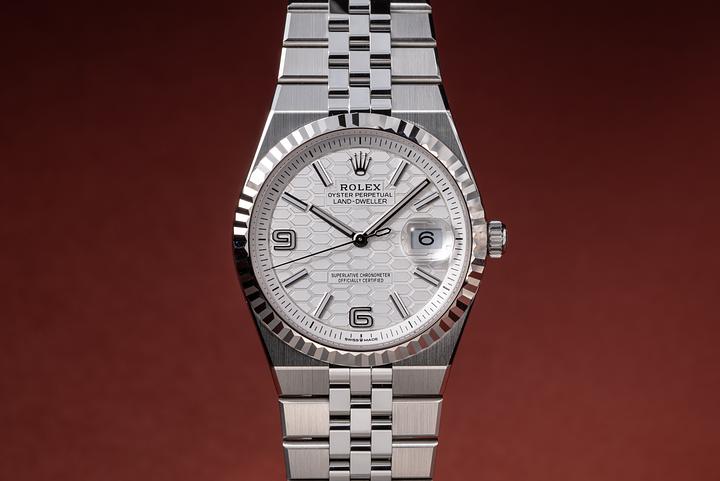
Most high-end Swiss watches are certified by the Controle Officiel Suisse des Chronomètres, better known as COSC. To earn COSC certification, a movement must perform within minus four to plus six seconds per day. Rolex submits its movements for COSC certification — and then goes further. After receiving COSC approval, every Rolex movement is tested again internally against Rolex's own Superlative Chronometer standard, which requires accuracy within plus or minus two seconds per day. That is a tighter tolerance than COSC demands, and it applies to every watch before it ships. This dual-certification process reflects the brand's philosophy clearly: meeting the industry standard is the floor, not the ceiling. For buyers, that means receiving a watch that is not just certified, but held to a higher internal benchmark that most of the industry does not impose on itself.
Iconic Models That Defined Entire Categories
Rolex did not just create watches. It created categories. Several of the most iconic watch designs in horological history originated from this single manufacturer, and those designs have remained largely intact for decades — which is itself a statement about how well they were conceived from the start.
The Rolex Submariner, introduced in 1953, established the modern dive watch template and remains the most recognizable watch silhouette in the world. The Daytona, launched in 1963, became the definitive chronograph for motorsport and is now among the most sought-after watches on the secondary market. The GMT-Master, developed in partnership with Pan American World Airways in 1954, gave pilots a practical dual-timezone tool and evolved into a collector staple. The Datejust, introduced in 1945, was the first wristwatch to display the date in a magnified window — a feature so useful it has been widely imitated ever since. The Explorer, worn by Edmund Hillary and Tenzing Norgay on the first ascent of Everest in 1953, is the ultimate expression of utilitarian precision.Each of these references carries historical weight and design continuity that no amount of marketing spend can manufacture. They earned their reputations through actual use in actual conditions — and that story resonates with buyers in a way that purely aesthetic watches rarely can.
Rolex as a Store of Value: The Investment Perspective
Something interesting happens with Rolex watches that does not happen with many other luxury goods — they tend to hold, and in some cases significantly exceed, their original retail value on the secondary market. Certain vintage references, particularly early Submariners, Daytonas with exotic dials, and GMT-Masters with two-tone bezels, have appreciated dramatically over the past two decades. This is partly driven by genuine scarcity, partly by collector demand, and partly by the brand's discipline in controlling production volume. Rolex does not flood the market. It does not discount. It does not chase trends. That restraint creates desirability, and desirability — sustained over decades — creates value. For buyers who are weighing whether a Rolex represents a smart financial decision alongside a personal one, the historical data on value retention is difficult to argue with.
Cultural Relevance Across Generations
Rolex has been worn by explorers, athletes, heads of state, musicians, and film icons for over a century. That kind of cultural saturation does not happen by accident, and it does not maintain itself without substance behind it. The brand has historically aligned itself with achievements and individuals that reflect its own values — precision, endurance, and excellence. James Cameron wore a Rolex Sea-Dweller when he dove to the deepest point on Earth. Roger Federer has represented the brand since 2001. Paul Newman's personal Daytona sold at auction for over seventeen million dollars, setting a record for any wristwatch sold at auction. These are not footnotes. They are part of the fabric of why Rolex occupies a specific cultural position that transcends the watch industry. It is a symbol understood globally across languages, socioeconomic backgrounds, and generations.
What Makes a Rolex Worth Its Price
Critics occasionally question whether a Rolex is truly worth the investment relative to other fine Swiss watches at similar or even higher price points. The answer depends on what a buyer values. If raw technical complexity is the goal, there are other brands offering more intricate complications. But if the priority is a watch built to extraordinary standards, designed to last multiple lifetimes, backed by a global service network, and recognized universally as a mark of achievement — then the value proposition becomes clear. Rolex watches are engineered to be serviced and worn indefinitely. Many collectors today wear references that are forty or fifty years old and still performing accurately. That longevity is baked into the engineering philosophy from the start, and it justifies the price in a way that purely fashionable luxury goods cannot.
Why Tropical Watch Is the Right Source for Vintage Rolex
For those who have developed an appreciation for everything covered here — the history, the precision, the cultural weight, the investment value — vintage Rolex watches represent the deepest expression of what this brand stands for. And sourcing a vintage Rolex requires the right partner. Tropical Watch is a specialist in rare and vintage timepieces, offering collectors and first-time buyers access to authenticated examples that carry genuine provenance. Whether you are searching for an early Submariner, a Daytona with an exotic dial, or a GMT-Master with original documentation, the curatorial expertise that Tropical Watch brings to the process is exactly what the vintage market demands. For anyone serious about acquiring a rare vintage Rolex watch with verified authenticity and expert provenance, Tropical Watch offers the depth of knowledge and inventory that this level of purchase genuinely requires. The vintage market rewards those who buy from specialists — and Tropical Watch is precisely that.
Frequently Asked Questions
Why is Rolex considered the best Swiss watch brand?
Rolex is widely regarded as the benchmark of Swiss watchmaking because of its combination of in-house manufacturing, proprietary materials, industry-leading accuracy standards, iconic design history, and consistent value retention over decades. No single factor explains it — the reputation is built on all of them working together over more than a century of production.
Do Rolex watches hold their value over time?
Many Rolex references hold their value well on the secondary market, and certain vintage and limited-production models have appreciated significantly beyond their original retail price. Value retention depends on the specific reference, condition, completeness of documentation, and overall market demand at the time of resale.
What is the Superlative Chronometer certification on a Rolex?
The Superlative Chronometer certification is Rolex's own internal accuracy standard, applied after COSC certification. It requires each watch to perform within plus or minus two seconds per day, which is a stricter tolerance than the official COSC standard of minus four to plus six seconds per day.
What makes vintage Rolex watches so desirable to collectors?
Vintage Rolex watches attract collectors for several reasons, including historical significance, design variations no longer produced, exotic dial configurations such as tropical dials, original documentation and provenance, and strong long-term appreciation in secondary market value. Rarity and condition are the primary drivers of price in the vintage segment.
How often should a Rolex watch be serviced?
Rolex recommends servicing its watches approximately every ten years under normal use conditions, though this can vary based on the model, usage environment, and age of the watch. Older vintage references may require more frequent attention depending on their service history and condition.
Is buying a vintage Rolex a good investment?
Buying a vintage Rolex from a reputable specialist with verified authenticity and documented provenance has historically proven to be a sound investment for many collectors. However, results vary by reference, condition, and market timing. Purchasing from a knowledgeable dealer significantly reduces risk in the vintage market.