Why Rolex Watches Cost More: Craftsmanship, Heritage, Value

Why Rolex Watches Cost More Than Almost Everything Else
There is a moment — and most watch enthusiasts know it well — when you first hold a Rolex and something just clicks. The weight feels deliberate. The crown turns with this quiet, almost mechanical confidence. And then you look at the price tag and wonder how a watch ends up costing what a car costs, sometimes what a house costs. It is a fair question. The answer, though, is layered in ways that go far beyond the name engraved on the dial. Rolex pricing is the result of decades of engineering discipline, vertical manufacturing, brand integrity, and a resale market that has consistently defied economic gravity. This article breaks it all down — clearly, honestly, without the jargon — so you can understand what you are actually paying for.
The Starting Point: What Does a Rolex Actually Cost
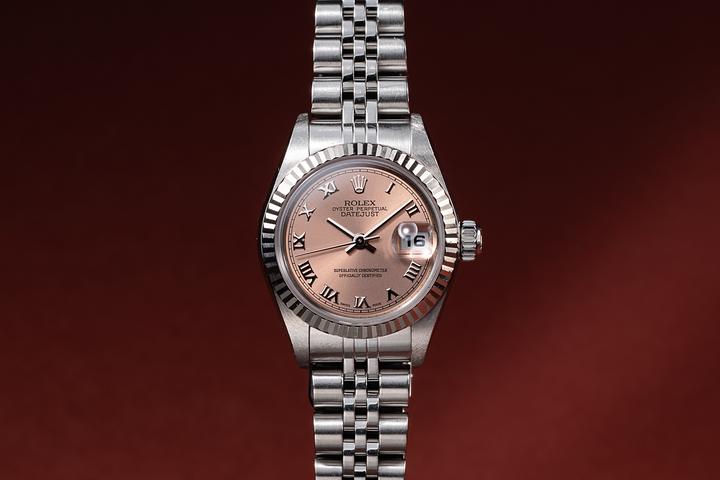
Rolex watches span a wide range depending on the model, materials, and market conditions. Entry-level models like the Oyster Perpetual begin around $5,000 to $6,000 at retail. Mid-tier references such as the Datejust typically fall between $7,000 and $15,000, while sport models like the Submariner, GMT-Master II, and Explorer II generally land in the $10,000 to $16,000 range at authorized dealer pricing. Then there are the prestige tiers — the Daytona, the Sky-Dweller, the Day-Date — which regularly exceed $20,000 to $75,000 depending on metal and dial configuration. On the secondary market, those numbers climb significantly. A stainless steel Daytona, for instance, has sold for multiples of its retail price for years. The gap between what Rolex charges and what buyers are willing to pay on the open market says a great deal about perceived and actual value.
Vertical Integration: The Factory Builds Almost Everything Itself
One of the most important — and least discussed — reasons Rolex watches cost what they do is the company's manufacturing model. Rolex operates with an extraordinary degree of vertical integration. This means the brand manufactures the majority of its watch components in-house, from the movements to the cases, bracelets, dials, and even the alloys used in the metals themselves. Rolex developed its own proprietary steel — called Oystersteel — which belongs to the 904L family and is considerably harder and more corrosion-resistant than the 316L steel used by most competitors. They also produce their own gold alloys, including Everose gold, a proprietary 18-karat rose gold blend that resists fading. Controlling that entire production chain adds cost, but it also adds consistency and quality assurance at every single stage. You are not buying a watch assembled from third-party parts. You are buying something built almost entirely by one team, to one standard.
Movement Engineering: The Beating Heart of the Price
The mechanical movement inside a Rolex is the single most technically complex element of the watch, and it is where a significant portion of the manufacturing investment lives. Rolex designs, produces, and tests all of its movements internally. The calibers found in current production watches — such as the 3235 powering the Submariner or the 4131 in the Daytona — feature innovations like the Chronergy escapement, which improves efficiency, and the Parachrom hairspring, a proprietary blue hairspring that is ten times more resistant to shocks than traditional hairsprings and essentially immune to magnetic fields. Every Rolex movement is certified as a Superlative Chronometer by the brand itself, meaning it is tested to a precision standard of plus or minus two seconds per day — stricter than COSC certification. These are not small technical achievements. They represent years of development and ongoing refinement.
Materials and Finishing: Where Time Meets Craft
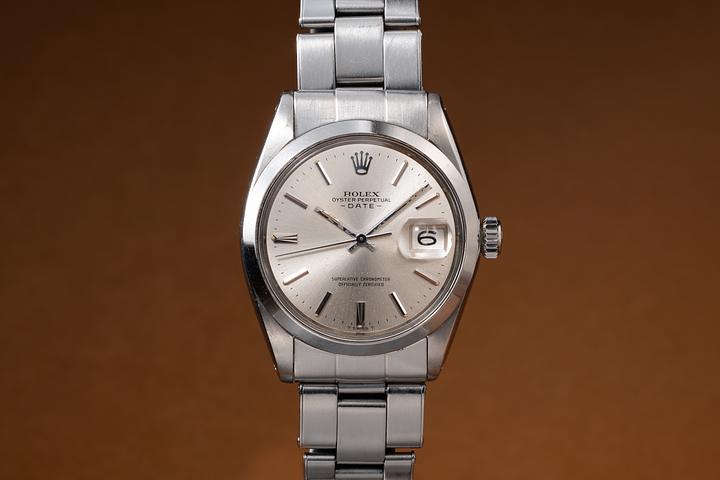
The physical finishing of a Rolex is meticulous in a way that photographs rarely capture. Cases go through multiple polishing and brushing stages. Bezels are set by hand. Dials — particularly those with gem-set indices or complex textures — involve specialists who spend considerable time on individual components. The sapphire crystals used are scratch-resistant and treated with anti-reflective coating. Even the bracelets, which on many watches are an afterthought, receive serious engineering attention. The Oyster bracelet and the Jubilee bracelet are both manufactured to incredibly tight tolerances, with a solidity and finish quality that competitors have spent decades trying to replicate. When you factor in precious metals — yellow gold, white gold, Everose gold, or platinum — the material cost alone can justify price ranges that surprise first-time buyers.
Heritage and Brand Integrity: Over 100 Years of Earned Trust
Rolex was founded in 1905 by Hans Wilsdorf in London, originally operating under the name Wilsdorf and Davis. By 1910, a Rolex watch had received the first Swiss Certificate of Precision ever awarded to a wristwatch. By 1926, the brand had introduced the Oyster, the world's first waterproof wristwatch case. In 1953, Sir Edmund Hillary and Tenzing Norgay wore Rolex watches when they summited Everest. The Submariner launched that same year. These are not marketing fabrications. They are documented historical moments that built real, legitimate credibility over generations. Rolex has spent over a century proving that its watches work under conditions that would destroy lesser instruments. That heritage is baked into every price point, and rightly so.
Resale Value: Rolex as a Financial Asset
Few consumer goods hold their value the way Rolex watches do, and certain references actively appreciate over time. This is not an accident or a market anomaly — it is the result of controlled production, consistent demand, and decades of secondary market behavior that has validated Rolex as a store of value. Watches like the Daytona, Submariner, and GMT-Master II in stainless steel have historically sold for well above retail on the secondary market. Vintage references — particularly those with original dials, untouched cases, and documented provenance — can command prices that are multiples of their original cost. For buyers who approach the purchase with some strategy, a Rolex is not just a luxury item. It is a wearable asset with documented resale performance.
What Factors Most Influence Rolex Pricing
Understanding Rolex pricing means recognizing the variables that drive cost up or down across references. Here are the primary factors that determine where a given Rolex lands on the price spectrum:
Metal and material composition — steel commands lower retail prices, while gold, platinum, and gem-set versions climb significantly Movement complexity — chronograph calibers and annual calendar movements carry more development cost Dial configuration — meteorite dials, gem-set dials, and exotic lacquers add considerable value Production year and vintage status — older references with correct, original components often exceed modern retail by large margins Market availability — limited production and high demand on the secondary market consistently push prices above retailNew Versus Pre-Owned: What Buyers Should Know
Purchasing a Rolex new from an authorized dealer offers peace of mind regarding authenticity and warranty, but it also comes with one significant challenge — availability. Many of the most desirable references carry waitlists that stretch for months or years, and dealers rarely have definitive answers on when stock will arrive. The pre-owned and vintage market offers an alternative that is, in many cases, more accessible and more interesting. Buyers can find discontinued references, rare dial variants, and historically significant models that no authorized dealer carries. The key is working with a trusted, knowledgeable source that specializes in authenticated luxury timepieces. Condition, service history, originality of components, and documentation all affect value significantly in the pre-owned market, so expertise matters.
Why Tropical Watch Belongs in Your Search for a Rolex
If this article has done anything useful, it has hopefully clarified why Rolex watches are priced the way they are — and why the right purchase, made with the right guidance, can be genuinely rewarding on multiple levels. Tropical Watch is a destination built for exactly this kind of buyer. Specializing in authenticated pre-owned and vintage Rolex timepieces, Tropical Watch combines deep horological expertise with a curated inventory that reflects the full range of what makes Rolex remarkable. Whether you are looking for a classic Submariner, a rare dial variant, or a historically significant reference, the team at Tropical Watch approaches every transaction with the knowledge and integrity the category demands. For anyone serious about acquiring a certified pre-owned Rolex watch with verified authenticity and provenance, Tropical Watch represents one of the most reliable and knowledgeable resources in the market today.
Frequently Asked Questions About Rolex Watch Pricing
Why are Rolex watches so expensive compared to other watch brands?
Rolex watches command premium pricing because of in-house manufacturing, proprietary materials, rigorous movement certification, decades of proven heritage, and a secondary market that consistently validates their value. The brand controls nearly every aspect of production, which elevates both quality and cost.
Do Rolex watches hold their value over time?
Many Rolex references hold or increase in value over time, particularly stainless steel sport models and vintage references with original components. Resale performance varies by model, condition, and market conditions, but Rolex is widely recognized as one of the strongest value-retaining watch brands in the industry.
What is the most affordable Rolex watch available?
The Rolex Oyster Perpetual is generally considered the entry point into the Rolex lineup, with retail pricing starting around $5,000 to $6,000 depending on dial color and size. Pre-owned examples can sometimes be found at competitive prices through reputable dealers.
Is buying a pre-owned Rolex a good idea?
Purchasing a pre-owned Rolex can be an excellent decision, offering access to discontinued references, rare variants, and strong value relative to retail pricing. The critical factor is working with an authenticated, reputable source that verifies originality and condition before sale.
What makes a vintage Rolex more valuable than a modern one?
Vintage Rolex watches often carry higher value due to rarity, original untouched components, discontinued dial configurations, and historical significance. References with documented provenance and unpolished cases in original condition typically command the strongest premiums on the collector market.
How do I know if a Rolex is authentic before buying?
Authentication involves examining the movement, case engravings, dial printing, serial and reference numbers, bracelet construction, and overall finishing quality. Purchasing from a dealer who specializes in authenticated Rolex timepieces and provides documented verification is the most reliable approach for buyers entering the market.