Black and Red Rolex GMT-Master II: The Coke Guide
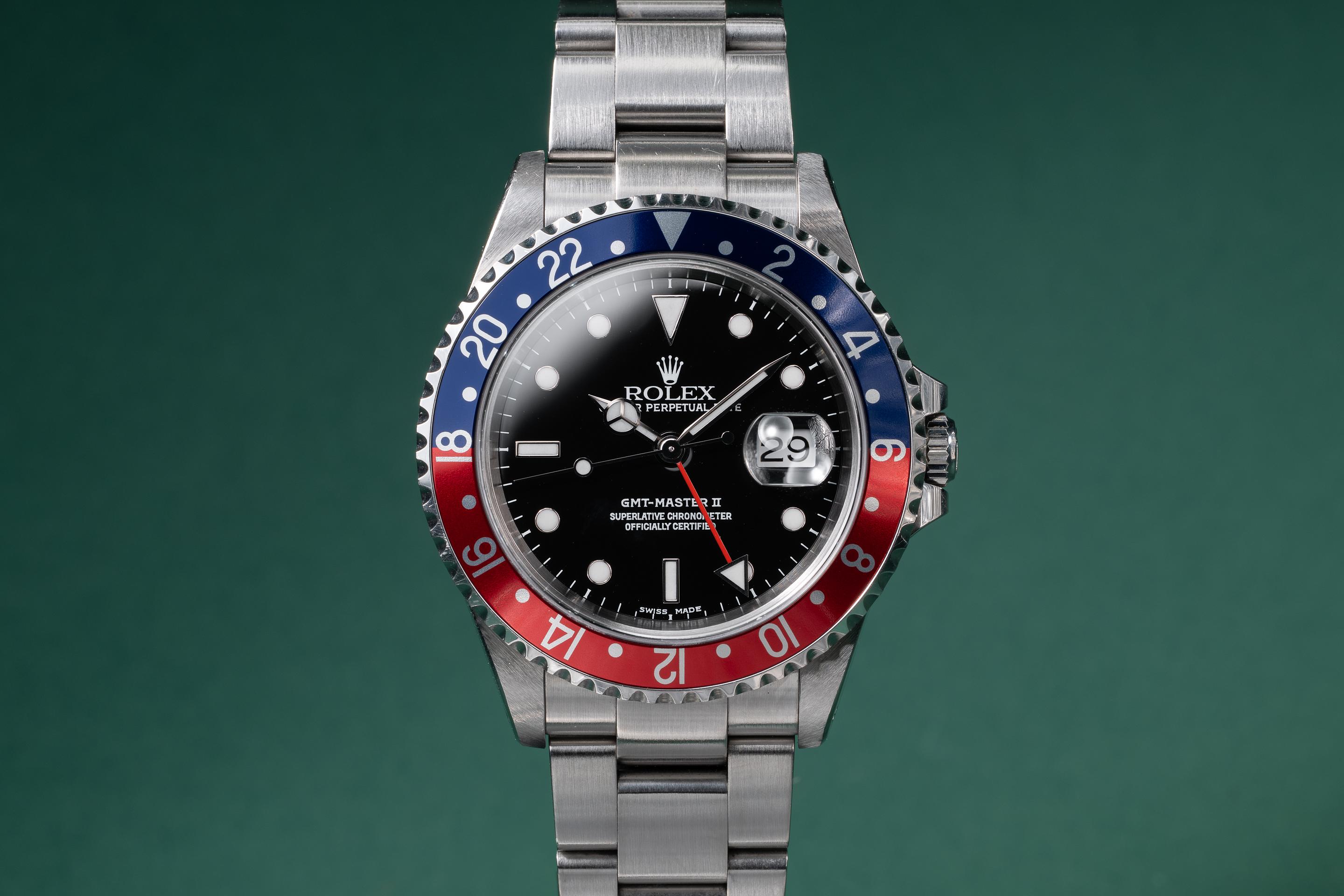
The Black and Red Rolex: Everything You Need to Know About the GMT-Master II
There are certain watches that stop a conversation the moment they hit a wrist. The black and red Rolex is one of them. Known formally through its association with the GMT-Master and GMT-Master II lineage, this two-tone bezel configuration has earned a reputation that stretches well beyond the watch community. Whether you are a seasoned collector or someone who just noticed one across the room and had to know more, this guide covers the full picture — history, models, value, and what makes this particular color combination so enduring in the world of luxury watches.
The Origins of the GMT-Master and That Iconic Bezel
Rolex introduced the GMT-Master in 1955, developed in direct collaboration with Pan American World Airways. Pilots needed a reliable way to track two time zones simultaneously during transatlantic flights, and Rolex delivered with a rotating 24-hour bezel and an additional GMT hand. The original reference, the 6542, featured a red and blue bezel that collectors now call the "Pepsi." But it was not long before Rolex introduced a different colorway for pilots flying into and out of darker or more varied light conditions. The black and red combination — nicknamed "Coke" by collectors — made its appearance in the 1980s with the reference 16760, sometimes called the "Fat Lady" due to its slightly wider case profile. That reference marked a turning point, both in how the GMT-Master wore and how it was perceived.
Why Collectors Call It the "Coke" Rolex
Collector nicknames in the watch world tend to stick fast, and the black and red Rolex is no exception. The "Coke" nickname is a direct reference to the colors of the Coca-Cola brand — red on the top half of the bezel, black on the bottom. The logic behind the color split was functional: red represented daytime hours, black represented nighttime, allowing the wearer to read the 24-hour scale at a glance and distinguish AM from PM in a second time zone. It sounds simple, but that level of practical design thinking is part of what has made Rolex's GMT family so respected for so long. The Coke is not just a collector's nickname — it is shorthand for a very specific kind of refined, purposeful design.
Key References That Define the Black and Red Rolex Legacy
Understanding the lineage of the black and red Rolex means getting familiar with a handful of specific references. Each one has its own character and its own place in the market.
Reference 16760 — The original "Fat Lady," introduced in 1983. Features the first black and red bezel on the GMT-Master, a quickset date function, and a larger case to accommodate the new caliber 3085. Produced until around 1988.
Reference 16710 — This is where things get interesting. The 16710 ran from 1989 to 2007 and was available in multiple bezel configurations, including the Coke. It used the caliber 3185 and is widely considered one of the most wearable vintage-adjacent GMT references on the market today.
Reference 126710BLRO — The modern GMT-Master II reintroduced the Pepsi colorway in ceramic, but it was the black and red ceramic variant of more recent years that brought the Coke aesthetic into the current era. Rolex refreshed the GMT-Master II line significantly with Oystersteel and Jubilee bracelet options that broadened appeal considerably.
The Cerachrom Bezel: How Rolex Modernized the Design
One of the most significant developments in Rolex's GMT-Master II evolution was the introduction of the Cerachrom ceramic bezel insert. Earlier versions of the watch used aluminum bezels, which, while functional and historically significant, were prone to fading and scratching over time. Ceramic changed everything. It is virtually scratchproof, resistant to UV light and corrosion, and retains its color with remarkable consistency. For the black and red GMT-Master II, the ceramic bezel brought a depth and richness to the two-tone appearance that aluminum simply could not match. The technical challenge of producing a two-color ceramic component in a single piece is not trivial — it required Rolex to develop a proprietary process, and the result speaks for itself every time you see one in person.
Black and Red Rolex Pricing: What to Expect in Today's Market
The market for black and red Rolex watches spans a wide range depending on reference, condition, and provenance. Here is a general sense of where values sit as of the current market landscape.
- Reference 16760 in good condition with original documentation can command prices in the range of $8,000 to $15,000 or more, depending heavily on dial and bezel condition.
- Reference 16710 with a Coke bezel typically sits between $9,000 and $18,000, with examples in exceptional condition or with original boxes and papers pushing higher.
- Modern GMT-Master II references with ceramic bezels in current production carry retail prices starting around $10,000 to $12,000, but secondary market premiums often push transaction prices considerably higher given waitlist dynamics at authorized dealers.
- Vintage examples with original "tropical" dials or unusual patina can reach significantly elevated prices among serious collectors.
Wearing the GMT-Master II: Versatility That Few Watches Can Match
Part of what makes the black and red Rolex so compelling beyond collecting circles is how genuinely versatile it is on the wrist. The contrast of the bezel reads as bold without being excessive. It pairs cleanly with a dark suit, transitions easily to casual wear, and has enough history behind it that it carries real weight in a room. The 40mm case size of most GMT-Master II references hits a sweet spot that works across a broad range of wrist sizes. The Oyster bracelet lends a more professional presence, while the Jubilee bracelet — reintroduced with modern references — softens the overall profile slightly. It is a watch that can hold its own in almost any environment, which is no small thing when you are talking about a single purchase at this price level.
Authentication and What to Watch For When Buying
Given the desirability of the black and red Rolex, the secondary market is not without its risks. Counterfeit GMT-Master pieces exist at various levels of sophistication, and buyers should take authentication seriously regardless of where they are purchasing. Key areas to scrutinize include the bezel insert for correct color gradient and font consistency, the cyclops lens alignment over the date, the caseback engravings, and the weight and feel of the bracelet. Movement inspection by a qualified watchmaker adds another layer of confidence. Reference-specific details matter enormously — a 16710 has very different markers than a modern 126710, and mixing components across generations is a known tactic in the counterfeit market. Working with a reputable dealer who offers authentication documentation is always the right move.
Why the Black and Red Rolex Holds Its Value So Well
Rolex has built something remarkable over the course of its history — not just watches, but an ecosystem where demand consistently outpaces supply and where the secondary market tends to hold, and often appreciate, over time. The black and red GMT-Master II sits in a particularly strong position within that ecosystem. Its nickname is instantly recognizable. Its design history is well-documented and respected. And the combination of functionality, aesthetics, and brand prestige means it attracts buyers from multiple angles: aviation enthusiasts, design-focused collectors, and straightforward luxury buyers who simply want the best. That breadth of appeal is one of the strongest drivers of long-term value retention in the watch world.
Why Tropical Watch Is the Right Place to Find Your Black and Red Rolex
Finding the right example of a black and red Rolex GMT-Master II takes more than a search engine — it takes access to a curated inventory, deep reference knowledge, and a source you can trust. Tropical Watch specializes in exactly that. With a focus on authenticated vintage and pre-owned luxury timepieces, the team brings the kind of expertise that makes a real difference when you are investing at this level. Whether you are searching for a 16710 Coke in exceptional condition or exploring the broader landscape of vintage Rolex GMT-Master watches for sale, Tropical Watch offers a buying experience built around transparency, knowledge, and genuine passion for the pieces they carry. This is not a marketplace where watches are just listed — it is a destination where context, condition, and authenticity are taken seriously, and where the right watch finds the right buyer.
Frequently Asked Questions About the Black and Red Rolex
What is the black and red Rolex called?
The black and red Rolex is most commonly associated with the GMT-Master and GMT-Master II collection. Collectors refer to it as the "Coke" due to the color resemblance to the Coca-Cola brand. The specific references most closely tied to this nickname include the 16760, 16710, and select modern GMT-Master II variants.
What does the black and red bezel on a Rolex mean?
The two-tone bezel serves a functional purpose. On a GMT-Master, the 24-hour bezel is divided into a red half representing daytime hours and a black half representing nighttime hours. This allows the wearer to track a second time zone and identify at a glance whether it is AM or PM in that zone.
How much does a black and red Rolex cost?
Pricing varies significantly by reference and condition. Vintage references like the 16760 and 16710 with Coke bezels typically range from approximately $8,000 to $18,000 on the secondary market. Modern GMT-Master II references carry higher retail prices, and secondary market premiums often push transaction prices well above the authorized dealer retail level.
Is the black and red Rolex GMT a good investment?
Historically, GMT-Master references in desirable configurations have demonstrated strong value retention and appreciation over time. The Coke bezel in particular holds collector appeal that spans multiple generations of buyers. As with any investment, condition, provenance, and documentation play a significant role in long-term value performance.
What is the difference between the Rolex "Coke" and "Pepsi"?
Both are GMT-Master bezel nicknames. The "Pepsi" bezel is red and blue, introduced with the original GMT-Master in 1955. The "Coke" bezel is red and black, introduced with the reference 16760 in 1983. Both nicknames reference consumer beverage brands whose color schemes closely match the respective bezel configurations.
How can I tell if a black and red Rolex is authentic?
Authentication requires careful examination of multiple components including the bezel insert color and typography, the caseback engravings, the cyclops date magnification, bracelet construction quality, and ideally movement inspection by a certified watchmaker. Purchasing from a reputable, specialist dealer that provides authentication documentation significantly reduces risk.