Gold Rolex Day-Date: The Complete Presidential Watch Guide
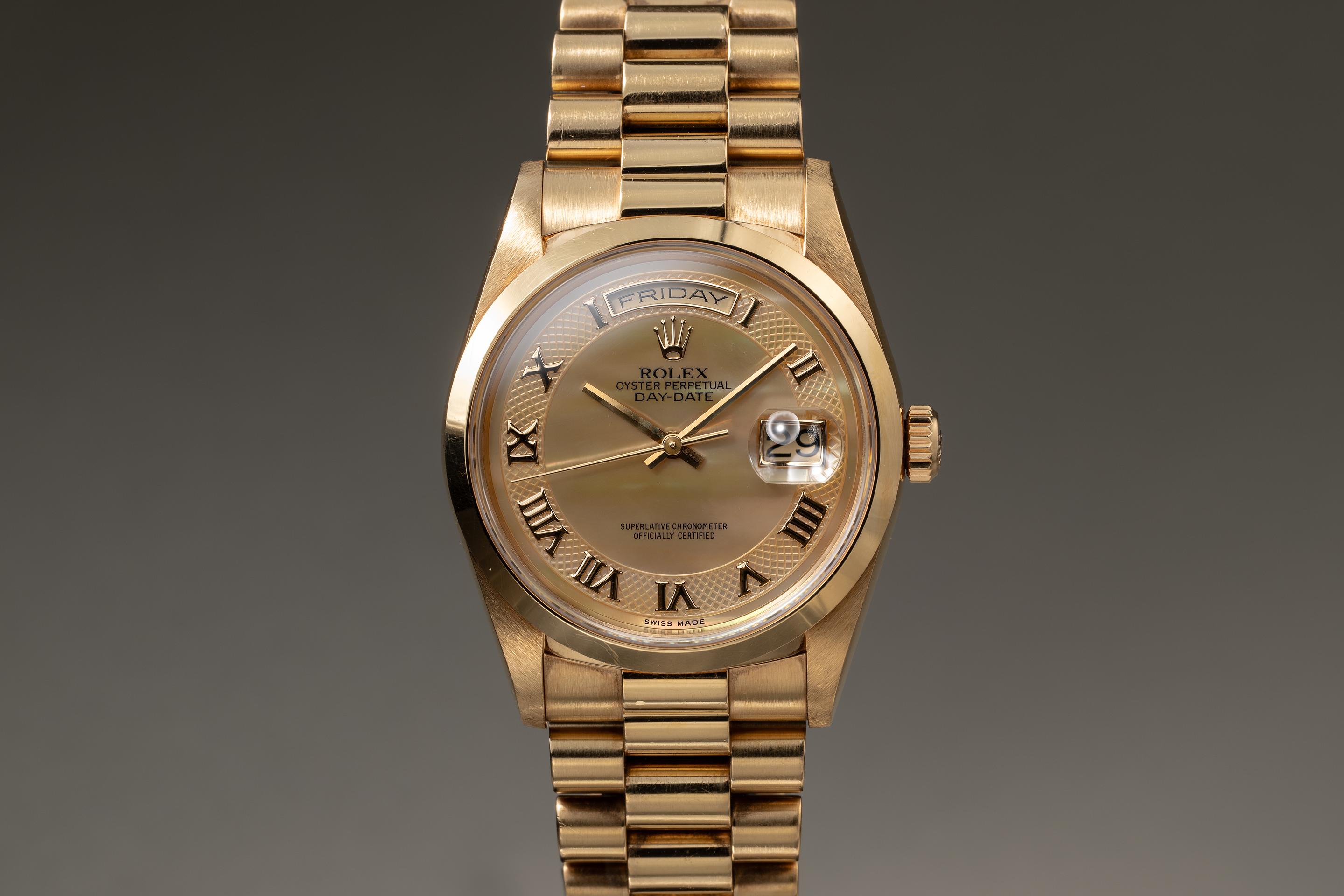
The Day-Date Gold Rolex: A Complete Guide to the Watch That Defined Presidential Prestige
There are watches, and then there is the Rolex Day-Date. Few timepieces in history have carried the kind of cultural weight and horological significance that this particular reference has accumulated since its debut in 1956. When people talk about the gold Rolex Day-Date, they are not simply referencing a watch. They are talking about one of the most recognizable symbols of achievement ever produced. Whether you are new to the world of luxury watches or a seasoned collector trying to sharpen your knowledge, understanding what makes the Day-Date special is worth the time. And yes, that pun was intended.
The History Behind the Rolex Day-Date
Rolex introduced the Day-Date in 1956, and it was immediately groundbreaking for one very specific reason. It was the first wristwatch ever to display both the day of the week spelled out in full and the date simultaneously on the dial. That combination sounds simple enough today, but at the time it was a genuine mechanical achievement. Rolex developed the reference exclusively in precious metals from day one, meaning the Day-Date was never offered in stainless steel. From the beginning, it was intended for a very specific kind of buyer. The watch was initially introduced in 18-karat gold and platinum only, which told you everything you needed to know about where it was positioned in the market. It was not trying to be accessible. It was built to be exceptional.
Why It Became Known as the President Watch
The nickname did not come from a marketing campaign. It came from actual heads of state wearing the watch. Dwight D. Eisenhower was famously associated with the Day-Date, and over the decades a remarkable number of world leaders, presidents, and influential figures were photographed wearing one. The connection became so embedded in culture that Rolex eventually named the bracelet that came standard with the Day-Date the President bracelet. That three-link bracelet with its semi-circular links became just as iconic as the watch itself. When you put a Day-Date on your wrist, you are wearing a piece of horological and cultural history whether you realize it or not.
Understanding the Gold Options: Yellow, White, and Everose
When someone says gold Rolex Day-Date, the conversation quickly gets more specific. There are actually several gold options available, and understanding the differences helps make sense of the pricing and the aesthetic choices available to buyers.
- Yellow gold is the most traditional and arguably the most iconic choice for the Day-Date. It is what most people picture when they imagine the watch.
- White gold offers a cooler, more contemporary look that reads almost like platinum at a glance but comes in at a different price point.
- Rolex Everose gold is a proprietary rose gold alloy that Rolex developed in-house. It is specifically formulated to resist fading over time, which is a real concern with many standard rose gold alloys.
- Platinum remains available for the Day-Date as well, sitting at the very top of the material hierarchy.
Each metal option changes the character of the watch considerably, so this is not a detail to skim past when evaluating references or making a purchase decision.
The Evolution of Case Sizes: 36mm vs. 40mm
For most of its production history, the Day-Date was offered exclusively in a 36mm case. That changed in 2008 when Rolex introduced the Day-Date II with a 41mm case, and later refined that offering with the Day-Date 40 in 2015. The 36mm reference, often referred to by its reference numbers such as 1803, 18038, or 118238, remains the classic proportioned version. It is historically significant, fits a wide range of wrist sizes elegantly, and in the vintage market carries tremendous collector demand. The larger 40mm case appeals to buyers who prefer something with a stronger presence on the wrist. Neither is the objectively correct choice, but understanding which generation suits your preferences is important before you start shopping.
Dial Variety: One of the Most Expressive Watches Ever Made
One of the genuinely underappreciated aspects of the Day-Date is just how expressive the dial options have been throughout its production history. Rolex offered the Day-Date with an almost extraordinary range of dial materials and configurations over the decades. Stone dials made from lapis lazuli, malachite, onyx, tiger eye, and meteorite have all appeared in production. Standard lacquered dials in champagne, black, silver, and chocolate remain popular. Baguette diamond bezels and diamond-set dials pushed certain references firmly into high jewelry territory. For collectors, the dial is often the most significant factor in determining both the desirability and the value of a specific example. A rare stone dial Day-Date from the 1970s occupies a very different market position than a standard champagne dial reference of the same era. The variation is part of what makes the Day-Date such a compelling category to explore.
Key Reference Numbers Every Buyer Should Know
Navigating the Day-Date market means getting familiar with reference numbers. Here is a straightforward breakdown of the most significant ones across the watch's production history.
- Reference 6511 and 6611 were among the earliest Day-Date references produced in the late 1950s.
- Reference 1803 is the classic 36mm Day-Date produced from approximately 1959 into the 1970s, featuring a smooth bezel.
- Reference 18038 introduced the quickset date function in the late 1970s and remained in production through the 1980s.
- Reference 118238 represents the modern 36mm yellow gold Day-Date introduced in the early 2000s with updated movement specifications.
- Reference 128238 is the current generation 36mm Day-Date featuring the caliber 3255 movement.
- Reference 228238 is the current 40mm Day-Date in yellow gold.
Knowing these references allows buyers to ask the right questions and understand exactly what they are looking at when browsing pre-owned or vintage examples.
What Drives the Value of a Day-Date Gold Rolex
The Day-Date holds its value exceptionally well, and in many vintage configurations it appreciates meaningfully over time. Several factors influence where a specific piece lands on the value spectrum. The metal choice matters significantly, with platinum examples typically commanding the highest prices. Dial configuration is often the deciding factor in the vintage market, where unusual stone dials or original unrestored dials in excellent condition can push prices dramatically higher than a standard example. Provenance, box and papers, and the originality of components all play important roles as well. The condition of the bracelet is frequently overlooked by first-time buyers but matters considerably to knowledgeable collectors. Stretched or worn President bracelets can be expensive to address and directly impact resale value.
Buying a Day-Date Gold Rolex: New vs. Pre-Owned vs. Vintage
New Day-Date references purchased through authorized Rolex dealers come with full manufacturer warranty and documentation, which provides peace of mind. However, waitlists for popular configurations have been a consistent reality in recent years. The pre-owned market offers immediate availability and often more competitive pricing relative to retail. Vintage references from the 1960s through the 1980s represent a completely different proposition, one driven by collector interest, rarity, and the appeal of owning something with genuine history attached to it. Each buying pathway has legitimate advantages, and the right choice depends on whether your priorities are investment potential, immediate wearability, or the satisfaction of owning a historically significant piece.
Why Tropical Watch Is the Right Source for Your Day-Date
Finding the right Day-Date gold Rolex is one thing. Finding it through a source you can actually trust is another matter entirely, and that distinction deserves more attention than it usually gets. Tropical Watch has built a reputation in the vintage and pre-owned luxury watch space by taking authentication and transparency seriously. If you are searching for an authentic vintage gold Rolex Day-Date for sale, the Tropical Watch inventory and team offer the kind of expertise and accountability that makes a meaningful difference when you are spending serious money. The nuances of Day-Date collecting, from identifying correct original dials to evaluating bracelet condition and verifying reference accuracy, require real knowledge. Tropical Watch brings that knowledge to every transaction, which means you are not navigating one of the most complex corners of the watch market alone.
Frequently Asked Questions About the Gold Rolex Day-Date
What makes the Rolex Day-Date different from other Rolex models?
The Day-Date was the first watch to display the full day of the week alongside the date. It is produced exclusively in precious metals and platinum, which separates it from virtually every other Rolex reference in the catalog.
Is the Rolex Day-Date available in stainless steel?
No. The Day-Date has never been produced in stainless steel. It is offered only in 18-karat gold in yellow, white, or Everose, and in platinum. This exclusivity is a deliberate and defining characteristic of the model.
What is the President bracelet on the Day-Date?
The President bracelet is a three-link semi-circular bracelet designed specifically for the Day-Date. It was named in reference to the notable world leaders who wore the watch and remains one of the most recognized bracelet designs in watchmaking.
Which vintage Day-Date references are most valuable?
Examples with original stone dials, particularly in unusual materials such as meteorite or lapis lazuli, consistently attract the highest collector interest. Early references in excellent unrestored condition with matching documentation also command significant premiums.
How do I verify the authenticity of a pre-owned Day-Date?
Authentication requires examining the movement, case, dial, and bracelet for correct specifications consistent with the stated reference and production era. Working with a reputable specialist dealer is the most reliable approach, as the Day-Date market includes sophisticated counterfeits.
Does the gold Rolex Day-Date hold its value over time?
The Day-Date has demonstrated strong value retention historically, and vintage references with desirable dials have appreciated substantially. As with any luxury asset, condition, originality, and provenance have a direct impact on long-term value performance.