The Rolex Logo: Legacy, Design, and Swiss Icon Status
The Rolex Logo: A Symbol That Defined an Entire Industry
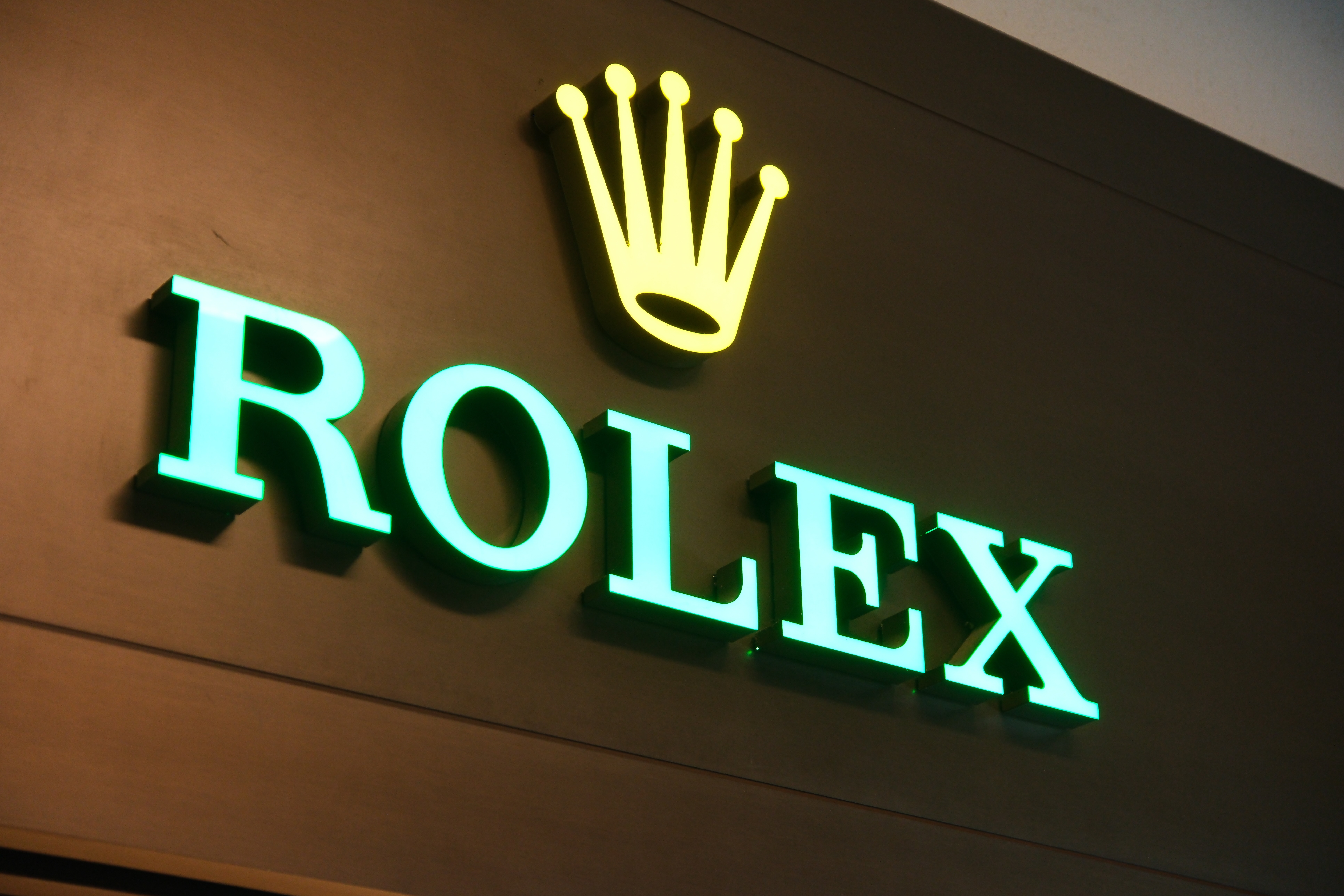
There are logos, and then there is the Rolex crown. Few symbols in the world carry the same immediate weight of recognition, aspiration, and trust. The moment you spot that five-pointed coronet on a dial, a clasp, or a storefront, you already know what it represents — precision, exclusivity, and a standard that very few watchmakers have ever come close to matching. But how did this icon come to be, and what does it actually mean? Understanding the Rolex logo is, in many ways, understanding the entire philosophy of the brand itself.
Origins of the Crown: Where the Rolex Logo Began
Rolex was founded in 1905 by Hans Wilsdorf in London, though the brand would later relocate its operations to Geneva, Switzerland — the spiritual home of haute horlogerie. The name "Rolex" was reportedly chosen because it was easy to pronounce in any European language and looked elegant on a watch dial. The crown logo, however, came slightly later and was officially registered in 1925. The choice of a crown was deliberate and unmistakably intentional. It communicated royalty, mastery, and an unapologetic declaration that this brand sat at the top of its industry. That message has never changed.
The Five Points of the Crown and What They Represent
The Rolex crown logo features five distinct points, each one reported to symbolize a core element of the brand's identity and achievements. While Rolex has never issued an exhaustive official breakdown of every point's meaning, the symbolism most widely attributed to the design reflects the following pillars of the brand:
The five founding fingers of Hans Wilsdorf's hand, representing the human touch behind the craft The mastery of watchmaking as a discipline — technical, artistic, and scientific The global prestige of Swiss watchmaking excellence The pursuit of perfection in every component and movement The promise of enduring quality that transcends generationsWhether or not every interpretation is literally true, the crown shape itself was chosen with great care. It projects authority without aggression, elegance without excess. That balance is exactly what Rolex has always been.
The Evolution of the Rolex Logo Through the Decades
Like any great design, the Rolex crown has not stood completely still — but its evolution has been remarkably restrained. The core shape of the coronet has remained consistent for nearly a century, which is itself a statement. What has changed are subtle refinements in proportion, weight, and the accompanying wordmark. Early versions of the logo appeared in more varied typographic treatments across different watch families and marketing materials. Over time, Rolex standardized everything into the clean, bold identity the world recognizes today. The typeface paired with the crown is a custom serif design — precise, authoritative, and completely proprietary. Nothing about it feels accidental.
Color, Gold, and the Visual Language of Prestige
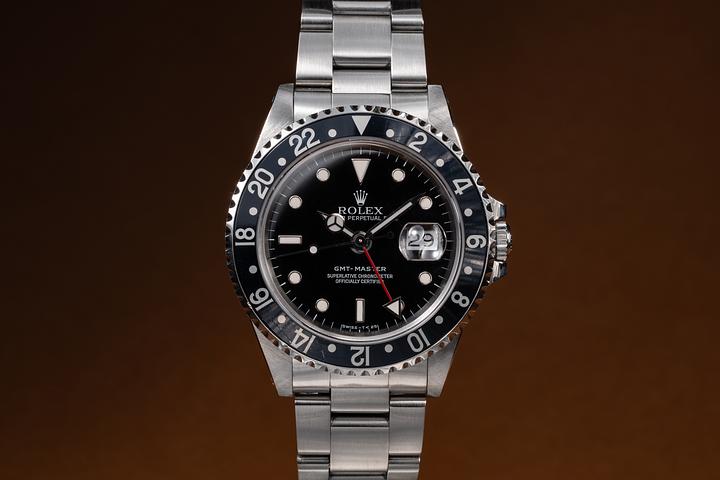
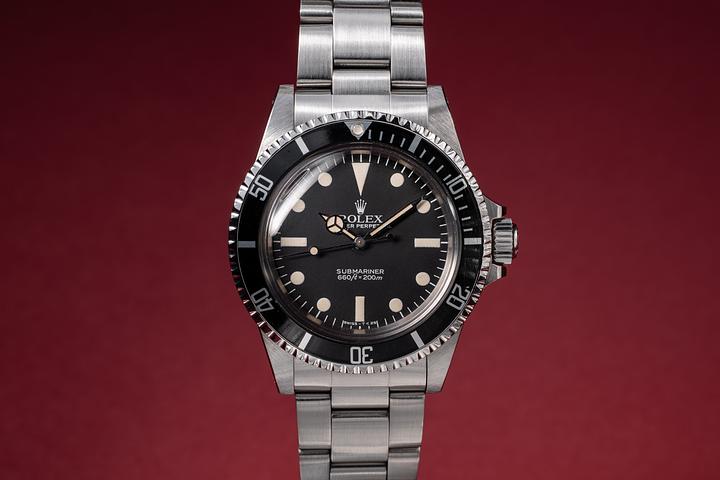
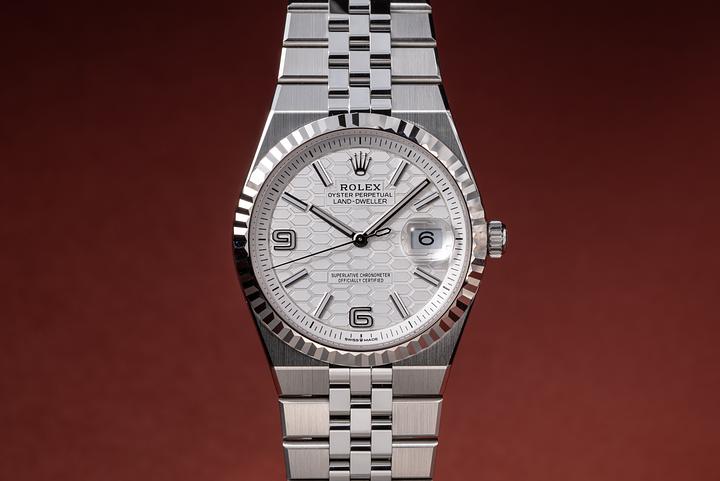
The Rolex logo is most commonly rendered in one of two colorways: gold or white on a dark background. The use of gold is not simply a stylistic preference — it is a calculated alignment with the brand's core product range. Rolex produces its own gold alloys in-house, including its proprietary Everose gold, Yellow gold, and White gold formulations. By rendering the logo in gold tones, the brand visually connects its identity with the materials it uses to craft its watches. On watch dials, the crown often appears embossed, engraved, or printed in a way that makes it feel three-dimensional and tactile. It is not just a mark — it functions almost like a miniature sculpture on the face of each timepiece.
The Rolex Crown as a Certification Mark
Beyond branding, the Rolex crown logo serves a functional purpose that many buyers do not immediately consider. In the context of Rolex certification and authenticity, the crown is used as a verification mark across numerous touchpoints — from the crown etched at the six o'clock position on the sapphire crystal of modern watches (a detail visible only under magnification), to the crown embossed on the clasp and buckle of every bracelet. This level of integration means the logo is not decoration. It is part of the watch's authentication system. For buyers in the pre-owned and vintage market, the presence, quality, and placement of these crown markings are key indicators of a genuine timepiece.
Why the Rolex Logo Has Remained Virtually Unchanged
Brand identity consultants often advise companies to refresh their visual identity every decade or so to stay relevant. Rolex has largely ignored that conventional wisdom, and it has worked spectacularly. The brand understands something that many companies forget — when your logo has become genuinely iconic, redesigning it is not evolution, it is erosion. The Rolex crown carries decades of cultural equity. It has been worn by heads of state, world record holders, Olympic champions, and explorers who descended to the ocean floor and ascended to the world's highest peaks. Changing that symbol would risk detaching the brand from its own history, and Rolex has no interest in doing that.
What the Rolex Logo Communicates to the Watch Buyer
For someone entering the luxury watch market, the Rolex logo is often a starting point for understanding what to look for and why it matters. Here is what that crown actually signals from a buyer's perspective:
A commitment to in-house manufacturing across movements, cases, bracelets, and dials Certification to COSC chronometer standards and, in many models, the proprietary Superlative Chronometer designation Long-term value retention that outperforms virtually every other watch brand in the pre-owned market A universal language of quality that is recognized from Tokyo to New York to Geneva A history of technical firsts, including the first waterproof wristwatch, the first self-changing date display, and the first watch worn on the summit of EverestUnderstanding what the logo represents helps buyers make more confident decisions — whether they are purchasing new, pre-owned, or vintage.
Why Tropical Watch Is the Right Partner for Your Rolex Journey
If the history and craftsmanship behind the Rolex logo has deepened your interest in owning one of these extraordinary timepieces — particularly a vintage reference with the kind of patina and character that only decades can produce — then the source you buy from matters enormously. Tropical Watch is a destination built specifically for collectors and enthusiasts who understand that the right watch is more than a purchase; it is an acquisition with lasting significance. As a trusted resource for authenticated vintage and pre-owned Rolex watches with verified provenance, Tropical Watch combines deep horological expertise with a curated inventory that reflects genuine passion for the craft. When you are ready to find a piece that carries both the crown and the history behind it, this is where that search deserves to begin.
Frequently Asked Questions About the Rolex Logo
What does the Rolex crown logo represent?
The Rolex crown logo represents excellence, mastery, and prestige in watchmaking. The five-pointed coronet is widely interpreted as symbolizing the core pillars of the brand, including craftsmanship, global recognition, and a commitment to precision. It was officially registered as a trademark in 1925 and has remained central to the brand's identity ever since.
When was the Rolex crown logo first used?
The Rolex crown was officially registered as a trademark in 1925, approximately two decades after the brand was founded in 1905 by Hans Wilsdorf. Its adoption marked a pivotal moment in the brand's development as a global luxury identity rather than simply a watch manufacturer.
Why is the Rolex logo gold?
The gold rendering of the Rolex logo is a deliberate design choice that connects the brand's visual identity to the precious metals it uses in its watches. Rolex produces its own proprietary gold alloys in-house, and using gold tones in the logo reinforces the association with material quality and luxury craftsmanship.
Is the small crown on the Rolex crystal part of the logo?
Yes. Modern Rolex watches feature a microscopic crown etched into the sapphire crystal at the six o'clock position. This detail, invisible to the naked eye without magnification, serves as an authentication marker and is one of several ways the logo functions as a verification tool across the watch itself.
Has the Rolex logo ever changed?
The Rolex crown has undergone subtle refinements in proportion and weight over the decades, but its fundamental shape and identity have remained consistent for nearly a century. Rolex has intentionally avoided major redesigns, recognizing that the logo's value lies in its continuity and the cultural history it carries.
What should I look for on the Rolex logo when buying a pre-owned watch?
When purchasing a pre-owned or vintage Rolex, examine the crown mark on the dial, the clasp, the buckle, and — on modern pieces — the sapphire crystal. The logo should be crisp, correctly proportioned, and precisely applied. Any inconsistency in size, font, or placement relative to authenticated reference examples may indicate a non-genuine piece and warrants further expert evaluation.