Rolex Crown Symbolizes Precision, Heritage, and Excellence

The Rolex Crown: What It Means and Why It Matters
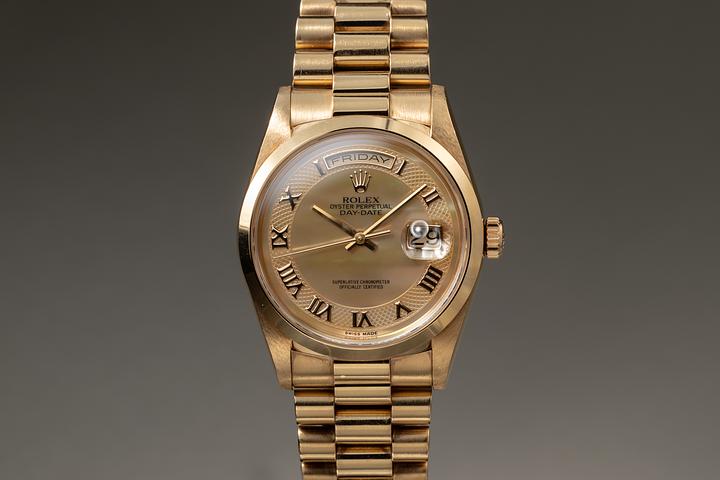
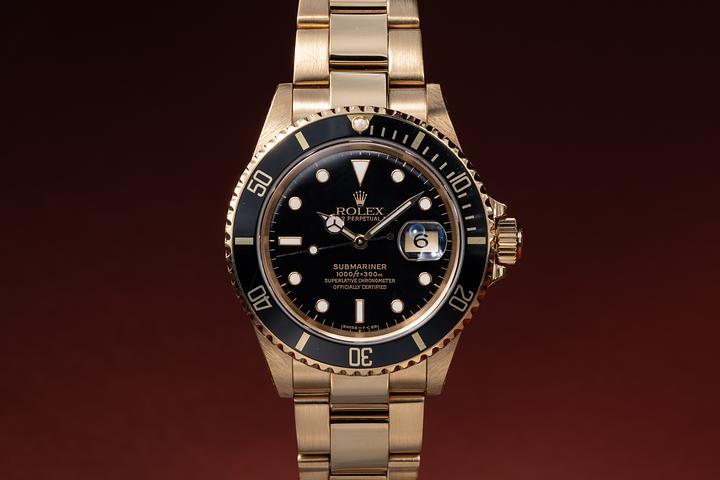
There are few symbols in the world of luxury goods that carry as much weight as the five-pointed crown sitting at the top of every Rolex dial. It is small, precise, and instantly recognizable — and if you have ever found yourself wondering what exactly it stands for, you are not alone. The Rolex crown is not just a logo. It is a carefully considered emblem that encodes the brand's entire philosophy into a single, elegant mark. Understanding what it represents gives any prospective buyer or watch enthusiast a much richer appreciation for what they are actually looking at when they study a Rolex dial.
A Brief History of the Rolex Crown Logo
The Rolex crown logo was introduced in 1925, roughly two decades after Hans Wilsdorf founded the company in London in 1905. Wilsdorf was a visionary — genuinely ahead of his time — and he understood early on that a brand needed more than a great product. It needed an identity. The five-pointed crown was selected deliberately, each point representing one of five fingers, symbolizing the hand of a craftsman reaching for excellence. Over the decades, the design has been refined but never fundamentally altered. That kind of consistency is rare in any industry, and it speaks directly to Rolex's commitment to longevity over trend-chasing. The logo has appeared on dials, crowns, buckles, and winding stems, becoming one of the most replicated — and most coveted — marks in the world.
What the Five Points of the Crown Actually Represent
This is where it gets interesting. The five points of the Rolex crown are not arbitrary design choices. Each point is generally understood to symbolize one of the five fingers on a human hand — a nod to the skilled artisans whose hands bring every watch to life. Some interpretations go further, associating the points with core brand values: precision, quality, innovation, heritage, and distinction. Whether Rolex officially endorses each of these interpretations is secondary. What matters is that the symbol has come to embody all of these qualities in the minds of collectors, enthusiasts, and casual wearers alike. That kind of cultural resonance is something money cannot simply manufacture — it accumulates over generations.
Precision: The Engineering Behind the Emblem
The word precision gets used loosely in the watch world, but Rolex has earned it. The brand was among the first to receive the Swiss Certificate of Chronometric Precision in 1910, and it has been setting accuracy benchmarks ever since. Every movement that leaves a Rolex facility must pass stringent in-house testing that exceeds official COSC chronometer certification standards. When you see that crown on a dial, it is a quiet assurance that the movement inside has been held to a standard most manufacturers cannot or do not attempt to match. Rolex movements are tested across temperature variations, positional accuracy, and power reserve performance before a single watch reaches a retailer. The crown, in this sense, is not decorative — it is a certificate of merit compressed into a logo.
Heritage: Decades of Firsts That Shaped Watchmaking
Heritage in the watch industry is not measured in years alone — it is measured in contributions. Rolex has an impressive list of industry firsts that no serious conversation about watchmaking history can ignore.
First waterproof wristwatch case — the Oyster, introduced in 1926 First self-winding mechanism with a perpetual rotor, developed in 1931 First watch to display two time zones simultaneously — the GMT-Master in 1955 First watch worn on the wrist of a diver descending to 10,908 meters — the Deepsea Challenge First wristwatch to be worn on the summit of Everest — on the wrist of Sir Edmund Hillary's team in 1953These are not marketing stories — they are documented historical events. Each one added another layer of meaning to the crown symbol. When Rolex places that emblem on a watch, it is drawing a direct line from the current piece back through all of those milestones. For a collector, that lineage matters enormously.
Excellence: Craftsmanship That Goes Beyond the Visible
One of the more underappreciated aspects of Rolex's commitment to excellence is how much of it is invisible to the naked eye. Rolex manufactures its own alloys — including Oystersteel, a proprietary 904L stainless steel that offers superior corrosion resistance compared to the 316L steel used by most competitors. The brand also produces its own gold in an on-site foundry, controls its own crystal and bracelet production, and develops its movements entirely in-house. This level of vertical integration is exceptional in the watch industry and directly impacts the consistency and quality of every single watch that leaves Geneva. The crown, then, represents not just a finished product but an entire ecosystem of manufacturing excellence that most consumers never fully see.
The Rolex Crown on Vintage Watches: Why It Holds Special Significance
On vintage Rolex references, the crown takes on additional layers of meaning. Early dials — particularly from the 1950s through the 1970s — featured crown placement and printing that collectors have studied extensively. The depth of the crown's color, the precision of its application, and its positioning relative to the Rolex name and model designation are all markers that help authenticate a vintage piece. Collectors refer to variations in crown printing as part of their broader analysis of dial originality. This is not trivia — it directly affects the value of a watch. A well-preserved, unpolished vintage Rolex with original crown markings can command a significant premium over an otherwise similar piece that shows signs of refinishing or replacement. The crown is, quite literally, part of the authentication record.
Reading the Crown: What It Tells You About a Rolex You Are Considering
For anyone evaluating a Rolex — vintage or modern — the crown is one of several key areas of focus. On a genuine Rolex, the crown on the dial will be crisp, well-defined, and proportionally accurate to the specific reference and production period. On the winding crown itself, located at the three o'clock position, you will find a small etched crown logo that Rolex introduced in the early 2000s as an additional anti-counterfeiting measure. This etching is extremely fine and not easily replicated. On bracelets and clasps, the crown appears again, consistently applied across every touchpoint of the watch. Knowing where to look — and what a correct crown should look like on a given reference — is one of the foundational skills of any serious Rolex buyer or collector.
Why Tropical Watch Is the Right Destination for Rolex Crown Collectors
If the history, symbolism, and craftsmanship behind the Rolex crown have given you a deeper appreciation for these watches — and they should — then the next logical question is where to find exceptional examples with full confidence in their authenticity. Tropical Watch is a trusted source for discerning collectors seeking authenticated vintage and pre-owned Rolex timepieces, with a reputation built on transparency, expertise, and genuine passion for the category. Whether you are searching for a rare vintage reference with original crown printing intact or a modern certified pre-owned piece, the team at Tropical Watch brings the kind of deep knowledge that makes all the difference. Explore the curated selection of authenticated vintage Rolex watches with verified crown markings and original dials and find a piece that connects you directly to the heritage this symbol represents.
Frequently Asked Questions About the Rolex Crown
What does the Rolex crown logo symbolize?
The Rolex crown logo symbolizes precision, heritage, and excellence. The five points are widely interpreted as representing the five fingers of a craftsman's hand, honoring the skilled artisans who build each watch. Over time, the symbol has also come to represent the brand's core values of quality, innovation, and distinction.
When was the Rolex crown logo introduced?
The Rolex crown logo was introduced in 1925, approximately twenty years after the company was founded by Hans Wilsdorf in London in 1905. The design has been refined subtly over the decades but has remained fundamentally consistent since its introduction.
How can the crown help authenticate a vintage Rolex?
On vintage Rolex dials, the crown's printing depth, color consistency, size, and placement relative to the model name are all indicators of originality. Collectors and authenticators study these details carefully, as refinished or replaced dials often show inconsistencies in crown application that betray their non-original status.
Where does the Rolex crown appear on a watch beyond the dial?
The Rolex crown appears in several locations on an authentic Rolex watch. These include the dial, the winding crown at three o'clock where a micro-etched crown was introduced in the early 2000s, and on the clasp and bracelet components. Each application is a quality checkpoint and an anti-counterfeiting measure.
Does the crown logo affect the value of a vintage Rolex?
Yes, significantly. On vintage references, original and undisturbed crown printing on the dial contributes directly to a watch's desirability and market value. A dial with well-preserved crown markings and no evidence of refinishing will almost always command a higher price among serious collectors than one that has been altered.
Is the Rolex crown the same across all models?
The crown logo maintains a consistent five-pointed design across all Rolex models, but specific details such as size, proportion, and color can vary depending on the reference, production year, and dial material. Collectors who specialize in particular references often develop a detailed understanding of these variations as part of their authentication practice.