Gold vs Stainless Steel Watches: Which Should You Buy?
Gold vs Stainless Steel Watches: Which Material Is Right for You?
If you have spent any time researching luxury watches, you have probably found yourself stuck on one very specific question: gold or stainless steel? It sounds simple enough, but once you start pulling at that thread, things get more layered. Material choice affects how a watch looks, how it wears, how it holds value over time, and honestly, what it says about the person wearing it. Both options have strong cases to be made for them, and the right answer depends on more than just budget. This guide breaks it all down so you can make a decision that actually makes sense for your lifestyle and your collection goals.
A Brief History of Gold and Steel in Watchmaking
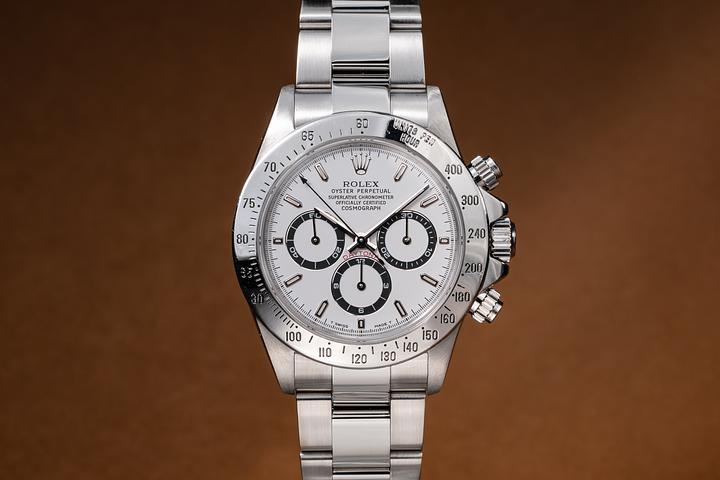
Gold has been part of watchmaking since the very beginning. Early pocket watches from the 17th and 18th centuries were almost exclusively crafted in gold because it was the material associated with wealth, craftsmanship, and permanence. Watchmakers used yellow gold as a standard, and the rarity of the material made owning a timepiece a genuine status symbol. Stainless steel, on the other hand, did not enter the watch world in a significant way until the 1930s. When it did, it was largely positioned as a more practical, affordable alternative. Brands like Rolex began producing steel sport watches during that era, and those references have since become some of the most sought-after timepieces in history. What started as a working material has, in many cases, outpaced gold in terms of collector demand and market value.
Understanding the Materials: What You Are Actually Buying
When a luxury watch brand says gold, they typically mean an alloy rather than pure gold, since pure 24-karat gold is too soft for daily wear. The most common options you will encounter are 18-karat yellow gold, 18-karat white gold, and 18-karat rose gold. Each of these blends gold with other metals to improve durability while retaining that warm, distinctive appearance. Yellow gold remains the classic choice. White gold offers a more contemporary, silvery look that is often confused with platinum. Rose gold, which blends gold with copper, has surged in popularity over the past decade for its warm, distinctive tone. Stainless steel used in luxury watchmaking is typically a grade known as 904L or 316L. Rolex, for instance, uses 904L steel exclusively, which offers superior corrosion resistance and a higher polish capacity than standard steel grades. The difference is subtle but meaningful in terms of long-term appearance and durability.
Durability and Daily Wear: How Each Material Holds Up
This is where stainless steel makes a very compelling argument. Steel is harder than gold, which means it is more resistant to scratches and dents during everyday wear. A stainless steel sports watch can take real punishment and still look reasonably clean after a polish. Gold, being a softer metal, shows wear more readily. You will notice fine scratches accumulating on a gold case faster than you would on an equivalent steel model. That said, gold can be polished and refinished beautifully, and many collectors actually appreciate the patina that develops over time on a gold watch. It tells a story. For someone who wears their watch in active settings, steel is the more forgiving companion. For someone who treats their timepiece with more deliberate care, gold is an entirely reasonable daily choice.
Weight and Wrist Feel: A Detail That Matters More Than You Think
Gold is noticeably heavier than stainless steel. An 18-karat gold watch will feel more substantial on the wrist, which some wearers love and others find fatiguing over a full day. This is not a universal dealbreaker, but it is worth experiencing before committing. Dealers and authorized retailers will almost always let you try both variations of a reference if they have them in stock. The weight of gold can feel luxurious, grounding even. But steel watches tend to wear lighter and more comfortably across extended periods, particularly on wider bracelet configurations. If you plan to wear your watch every single day through long working hours or travel, that difference in weight adds up.
Value Retention and Investment Considerations
Here is where things get genuinely interesting. Conventional wisdom has long held that gold watches carry more inherent value because of the precious metal content. And that is true to an extent, since you are buying a quantifiable amount of gold. However, the secondary market for luxury watches has complicated that assumption considerably. Certain stainless steel references, particularly from Rolex, Patek Philippe, and Audemars Piguet, have appreciated at rates that outpace their gold counterparts. The Rolex Submariner in steel, the Daytona in steel, and the Nautilus from Patek have all demonstrated extraordinary resale value and collector demand. The reason is partly scarcity, partly cultural desirability, and partly the shift in what the collector market values. Gold watches retain strong value too, particularly complicated pieces and vintage references, but the assumption that gold automatically equals better investment is no longer a reliable rule.
Style and Occasion: Matching Material to Wardrobe
Gold watches read as formal and traditionally luxurious. A yellow gold dress watch paired with a suit is a timeless combination that communicates success and refinement without needing to say a word. Rose gold has found a strong foothold in more fashion-forward circles, working well with both casual and formal contexts. White gold occupies a similar visual space to platinum and pairs cleanly with contemporary, minimal aesthetics. Stainless steel is significantly more versatile across contexts. A well-designed steel watch transitions from a business setting to a weekend environment without any friction. This versatility is one of the core reasons steel watches dominate everyday wrist presence, even among buyers who could comfortably afford gold.
Price Differences: What to Expect Across Both Categories
The price gap between steel and gold versions of the same reference can be significant. Consider these general patterns across the luxury watch market:
- A steel version of a reference typically serves as the entry point into that model family
- Gold versions of the same reference often carry a premium of 50% to 300% depending on the brand and model
- Two-tone watches, which combine steel and gold, fall between both price points
- White gold and platinum references frequently command the highest premiums
- Vintage gold watches can trade at values well above retail due to metal content and rarity
Understanding these patterns helps set realistic expectations when you begin shopping, whether you are looking at current production pieces or exploring the vintage market.
Two-Tone Watches: The Middle Ground Worth Considering
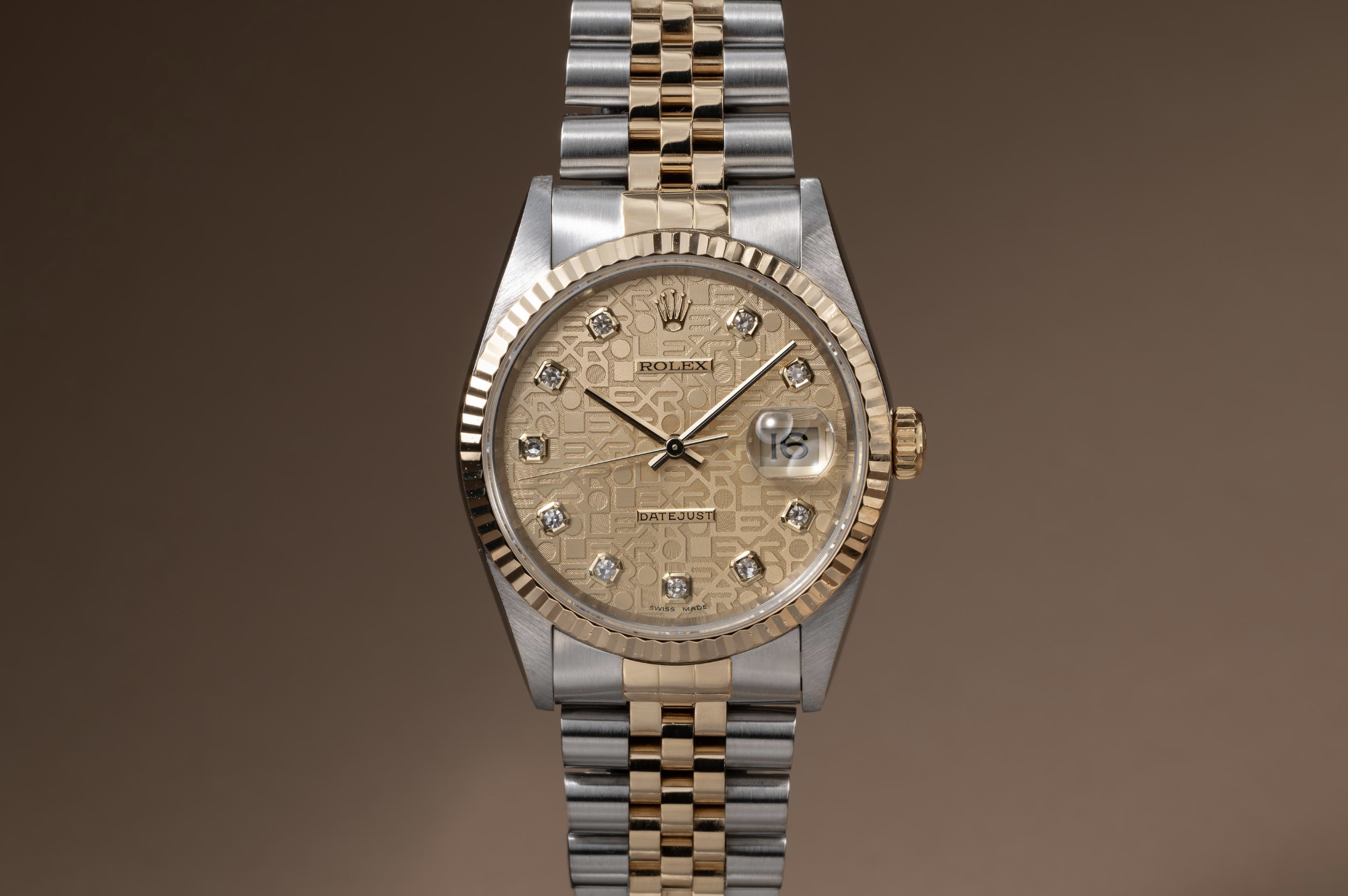
Two-tone watches, sometimes called Rolesor in Rolex terminology, combine a stainless steel case and bracelet with gold accents, typically on the bezel, crown, and bracelet center links. This combination offers a middle path that provides some of the visual warmth of gold at a lower price point than a fully gold watch. Two-tone references were enormously popular through the 1980s and early 1990s, fell out of fashion for a period, and have since made a quiet but confident return among collectors and new buyers alike. They wear with surprising versatility and hold their value reasonably well on the secondary market.
Why Tropical Watch Should Be Your Source for Gold and Steel Luxury Watches
Choosing between gold and stainless steel is a decision worth taking seriously, and so is choosing where you buy. Tropical Watch has built its reputation in the vintage and pre-owned luxury watch market by sourcing exceptional timepieces with verified provenance and careful authentication. Whether you are drawn to the durability and collector appeal of a steel sports reference or the prestige of a gold dress watch, the inventory and expertise at Tropical Watch reflects a genuine understanding of what makes each piece significant. For collectors who want to explore gold and stainless steel vintage Rolex watches with authenticated provenance, Tropical Watch offers a curated selection backed by deep market knowledge and a commitment to transparency. This is not a marketplace where pieces are just listed and forgotten. Every watch is presented with the context and detail that serious buyers deserve.
Frequently Asked Questions About Gold vs Stainless Steel Watches
Does a gold watch hold its value better than a stainless steel watch?
Not necessarily. While gold watches carry inherent precious metal value, certain stainless steel references from brands like Rolex and Patek Philippe have demonstrated stronger appreciation on the secondary market due to collector demand and limited availability. Value retention depends heavily on the specific reference, brand, condition, and market timing.
Is stainless steel a durable material for a luxury watch?
Yes. High-grade stainless steel used in luxury watchmaking, particularly 904L steel used by Rolex, is exceptionally durable, corrosion-resistant, and capable of maintaining a high polish over time. It is harder than gold, which makes it more resistant to everyday scratches and surface wear.
What karat of gold is most commonly used in luxury watches?
18-karat gold is the standard in luxury watchmaking. It contains 75% pure gold blended with other metals for improved durability. It is available in yellow, white, and rose variations, each with its own distinct appearance and alloy composition.
Are two-tone watches a good compromise between gold and steel?
Two-tone watches offer a practical and visually appealing middle ground. They typically combine a stainless steel structure with gold accents, providing some warmth and luxury feel at a lower price point than fully gold references. They hold value reasonably well and have experienced renewed popularity among collectors.
Which is better for everyday wear, gold or stainless steel?
Stainless steel is generally better suited to daily wear due to its hardness, lighter weight relative to gold, and resistance to surface damage. Gold watches can certainly be worn daily, but they show scratches more readily and may feel heavier on the wrist over extended periods.
Why are some stainless steel watches more expensive than gold ones on the secondary market?
Collector demand, cultural desirability, and limited production drive secondary market prices independent of material value. Iconic steel sport references from Rolex, for example, often command premiums that exceed their gold counterparts because the market values rarity and cultural relevance as much as raw material content.