Rolex Crystals: Acrylic, Sapphire & What Sets Them Apart

Rolex Crystals: Acrylic, Sapphire & What Sets Them Apart

Understanding Rolex Crystals: A Complete Guide to What Covers Your Dial

If you have ever looked closely at a Rolex watch and wondered what that perfectly clear layer sitting above the dial actually is, you are not alone. The crystal is one of those components that most people never think twice about until it gets scratched, cracked, or they start researching a vintage piece and suddenly realize there is a lot more to it than a simple piece of glass. Rolex has used several different types of crystals across its long history, and understanding the differences matters whether you are buying new, collecting vintage, or simply curious about what makes these watches tick. This guide covers everything you need to know.

What Is a Watch Crystal and Why Does It Matter

A watch crystal is the transparent cover that protects the dial and hands from dust, moisture, and physical damage. It is not decorative in a flashy sense, but it plays a critical role in both the durability and legibility of the watch. For Rolex specifically, the crystal is part of a carefully engineered system designed to protect the movement beneath it. The type of crystal used affects scratch resistance, optical clarity, how light interacts with the dial, and even how a watch is authenticated. Knowing what you are looking at is genuinely useful, especially when dealing with vintage references where the crystal type can significantly impact value and originality.

Acrylic Crystals: The Starting Point for Rolex

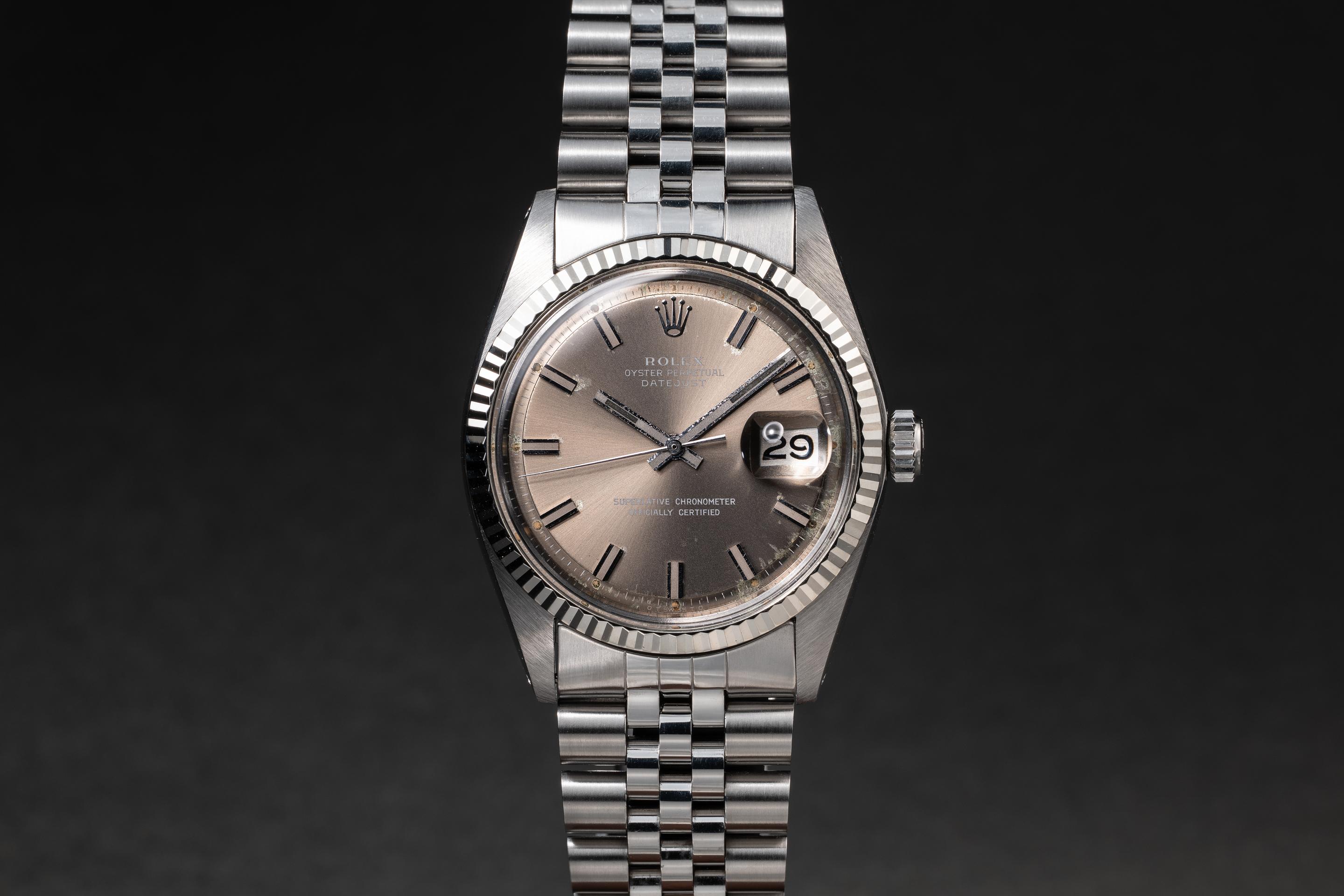
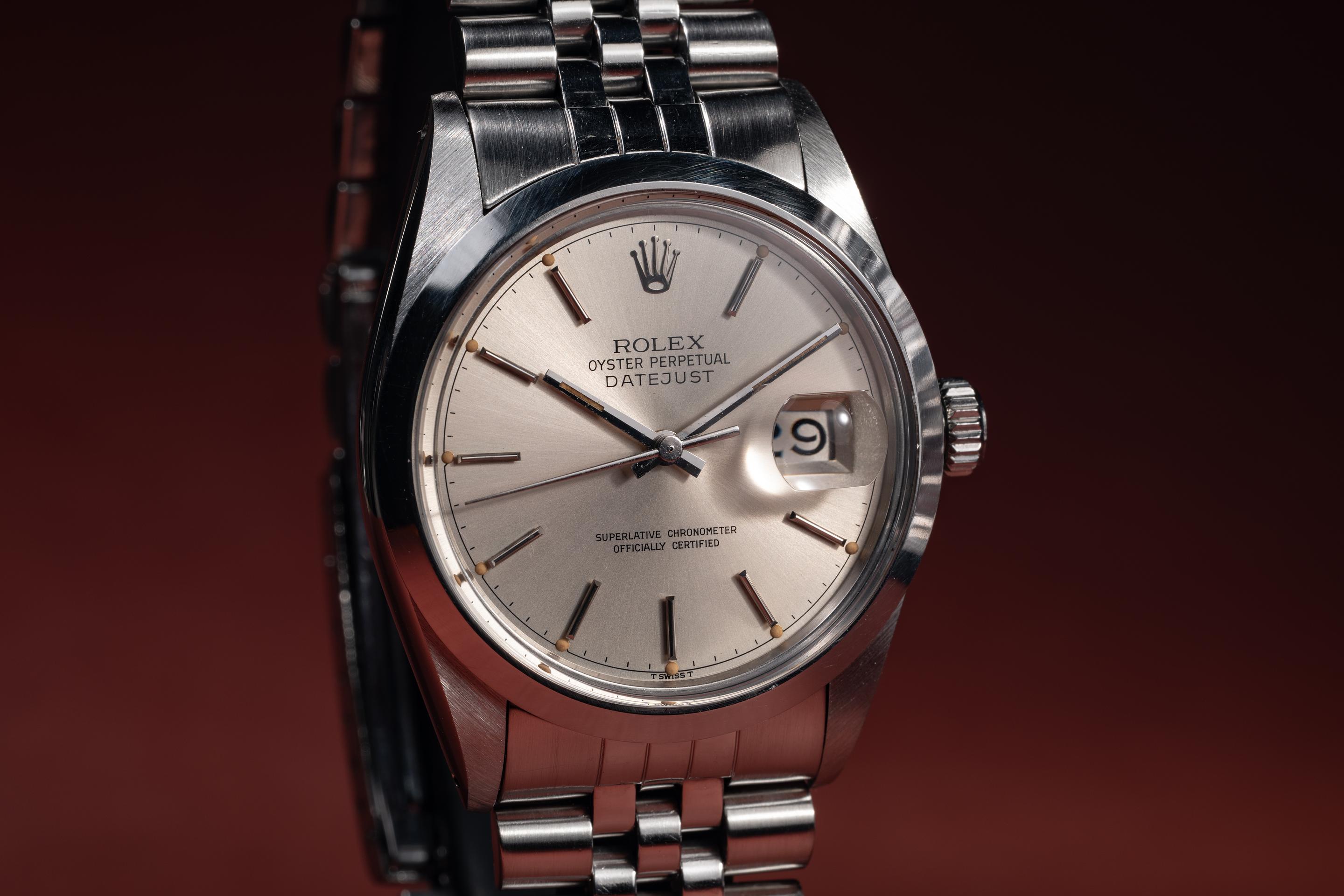
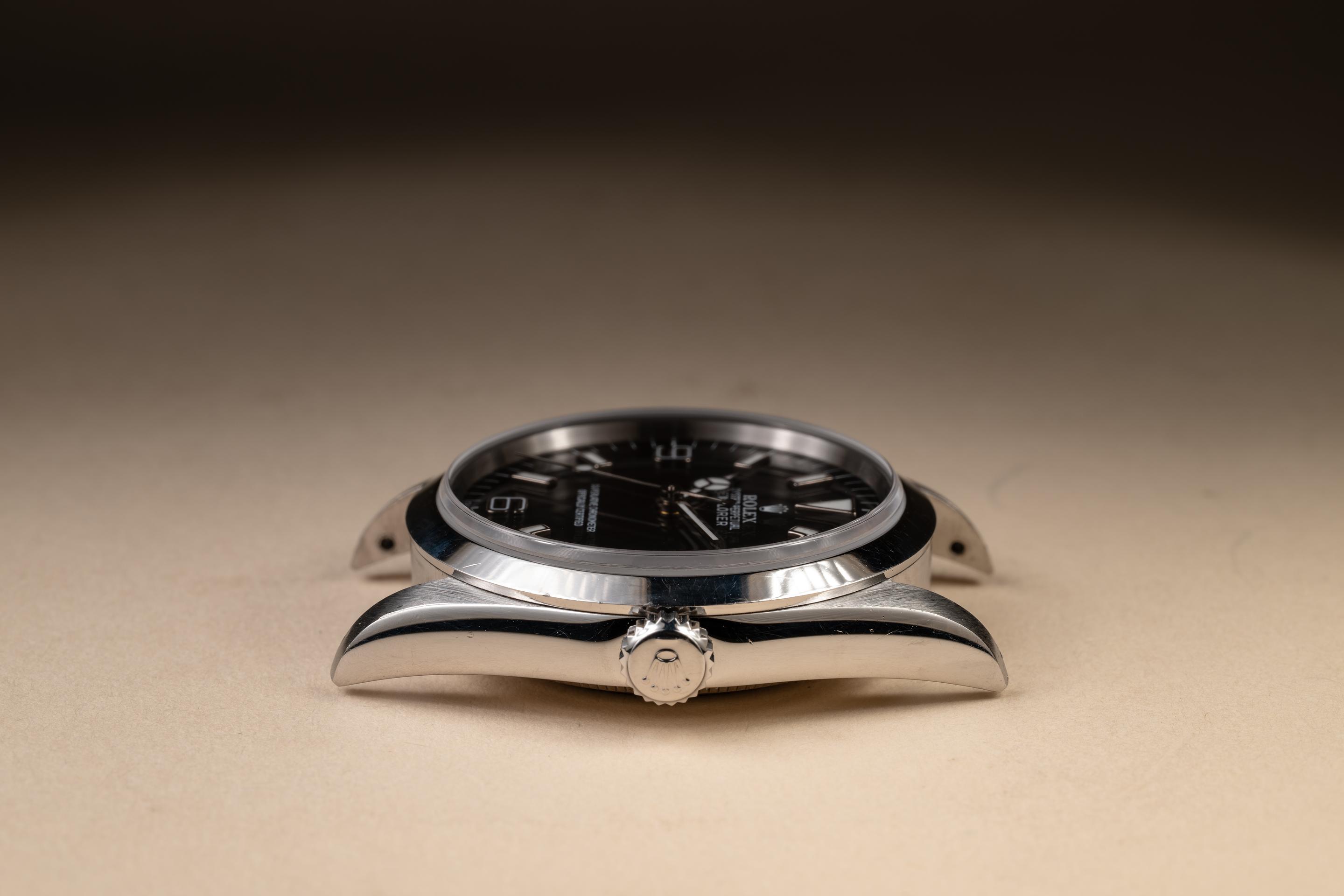
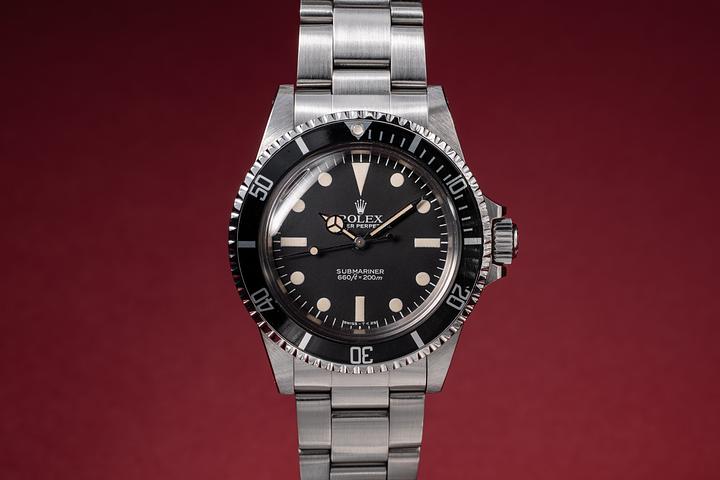
For much of the mid-twentieth century, Rolex used acrylic crystals, sometimes called hesalite or plexiglass. These are plastic-based and were the industry standard before more advanced materials became viable. Acrylic is softer than glass, which means it scratches more easily, but here is the interesting part: those scratches can actually be polished out with basic products. That repairability made acrylic practical for everyday wearers. Rolex used acrylic crystals across many of its most iconic references from the 1950s through the 1980s and even into the early 1990s on certain models. Today, acrylic crystals are still found on the Rolex Daytona ref. 116520 predecessors and remain a defining characteristic of vintage Rolex collecting. On older pieces, the crystal can develop a warm, slightly distorted look that collectors actually find appealing because it adds to the character and patina of the watch.

Sapphire Crystals: The Modern Standard

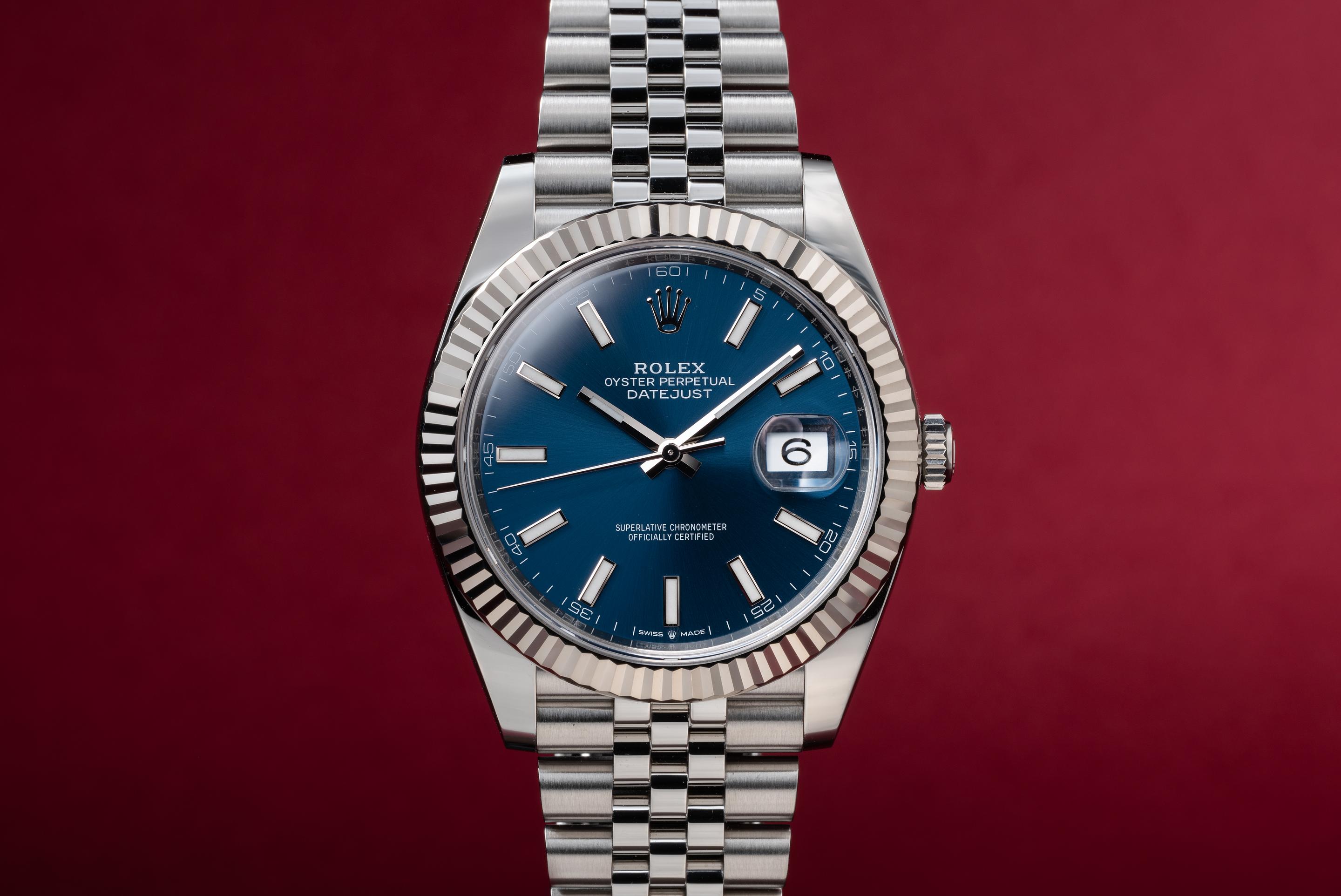
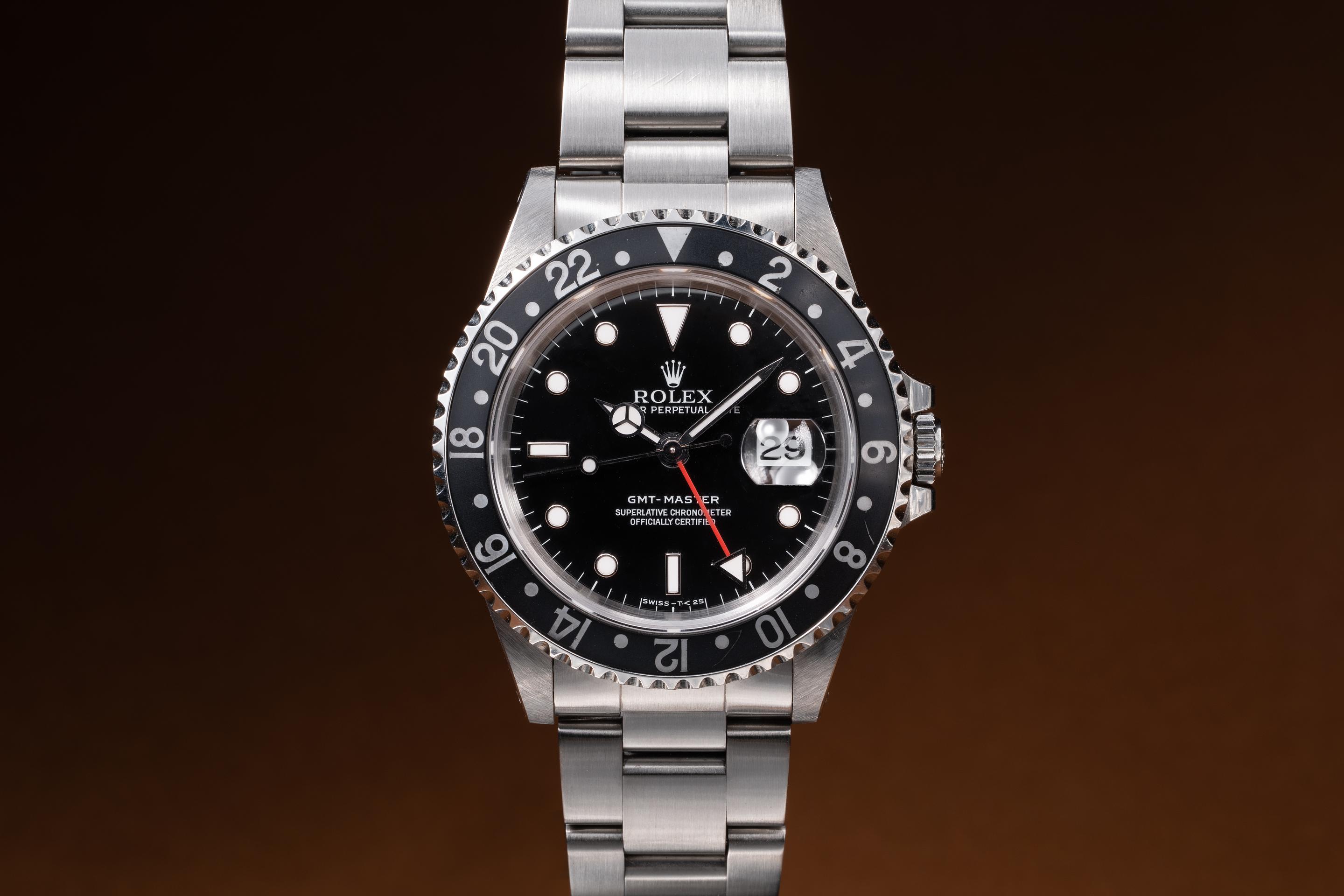
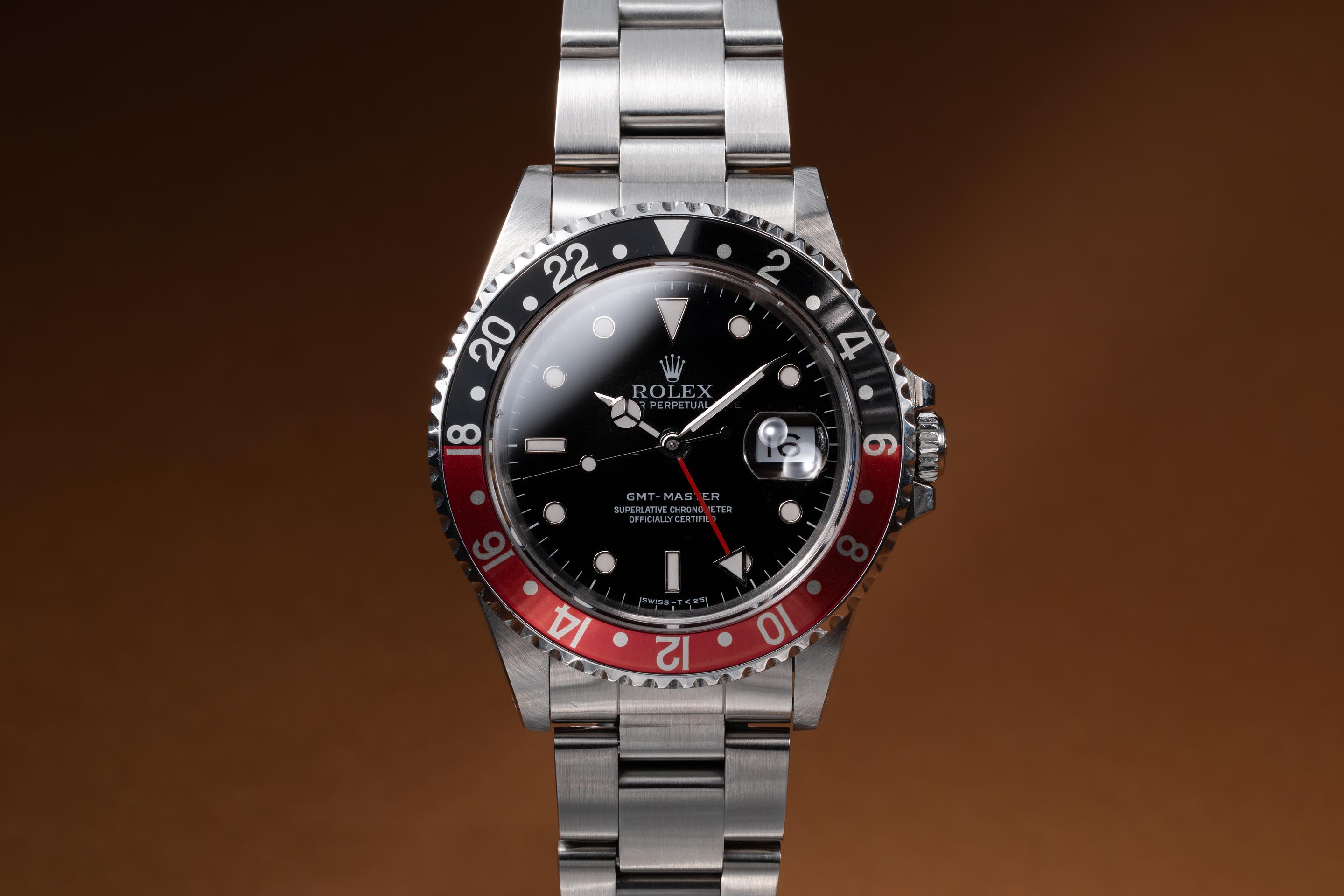
Beginning in the 1980s, Rolex began transitioning to synthetic sapphire crystals, and by the time the 1990s arrived, sapphire had become the standard across virtually the entire collection. Synthetic sapphire is grown in a lab and rates a 9 on the Mohs hardness scale, second only to diamond. This makes it exceptionally resistant to scratching under normal circumstances. Unlike acrylic, scratched sapphire cannot be polished back to perfect clarity, but in practice, it is far more difficult to scratch in the first place. Rolex applies their own proprietary anti-reflective coating to the inside of the sapphire crystal on many models, which dramatically improves dial legibility under different lighting conditions. If you have ever noticed that a modern Rolex dial looks almost three-dimensional when you tilt it under light, the crystal coating plays a significant role in that effect.

The Cyclops Lens: Magnification Built Into the Crystal

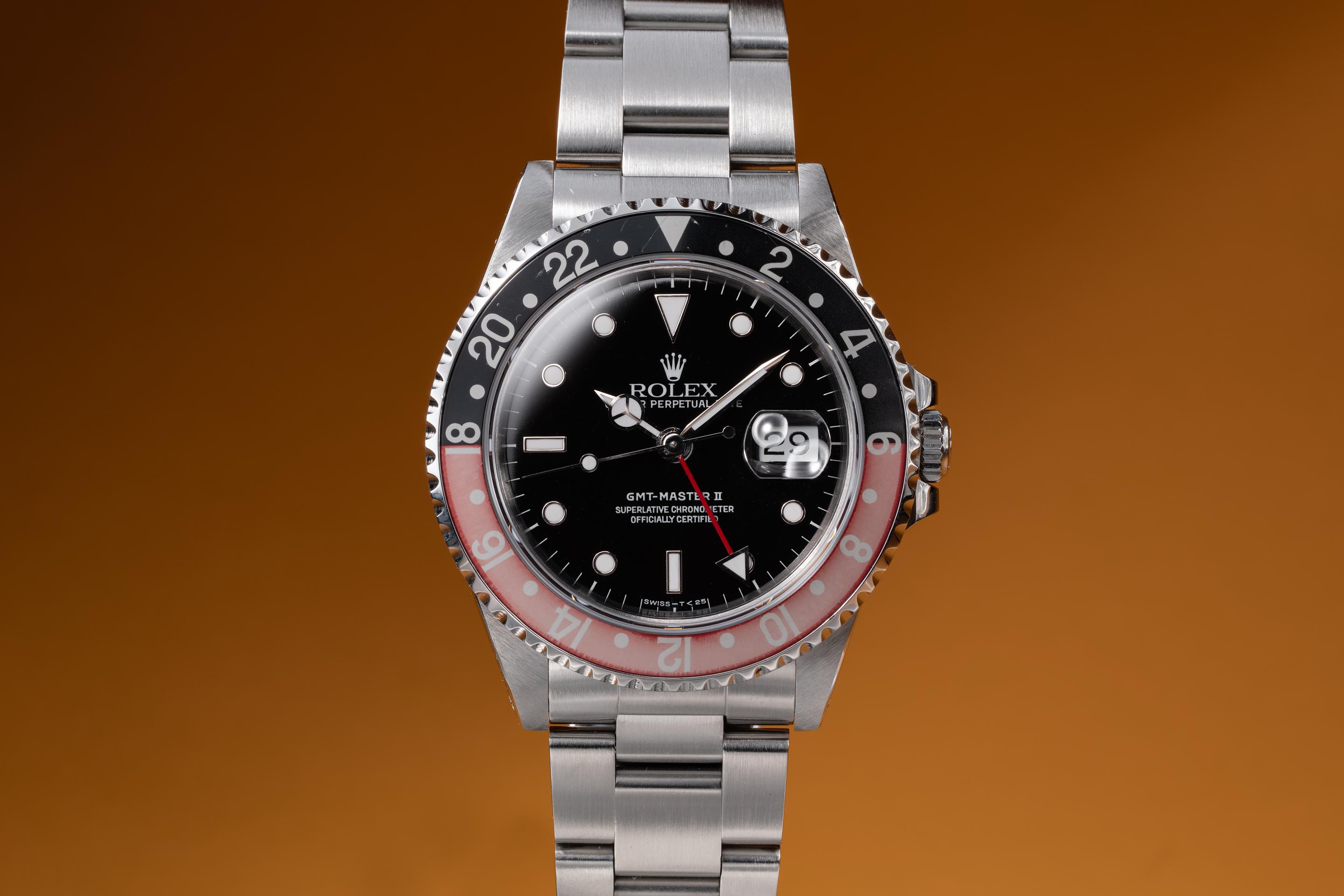
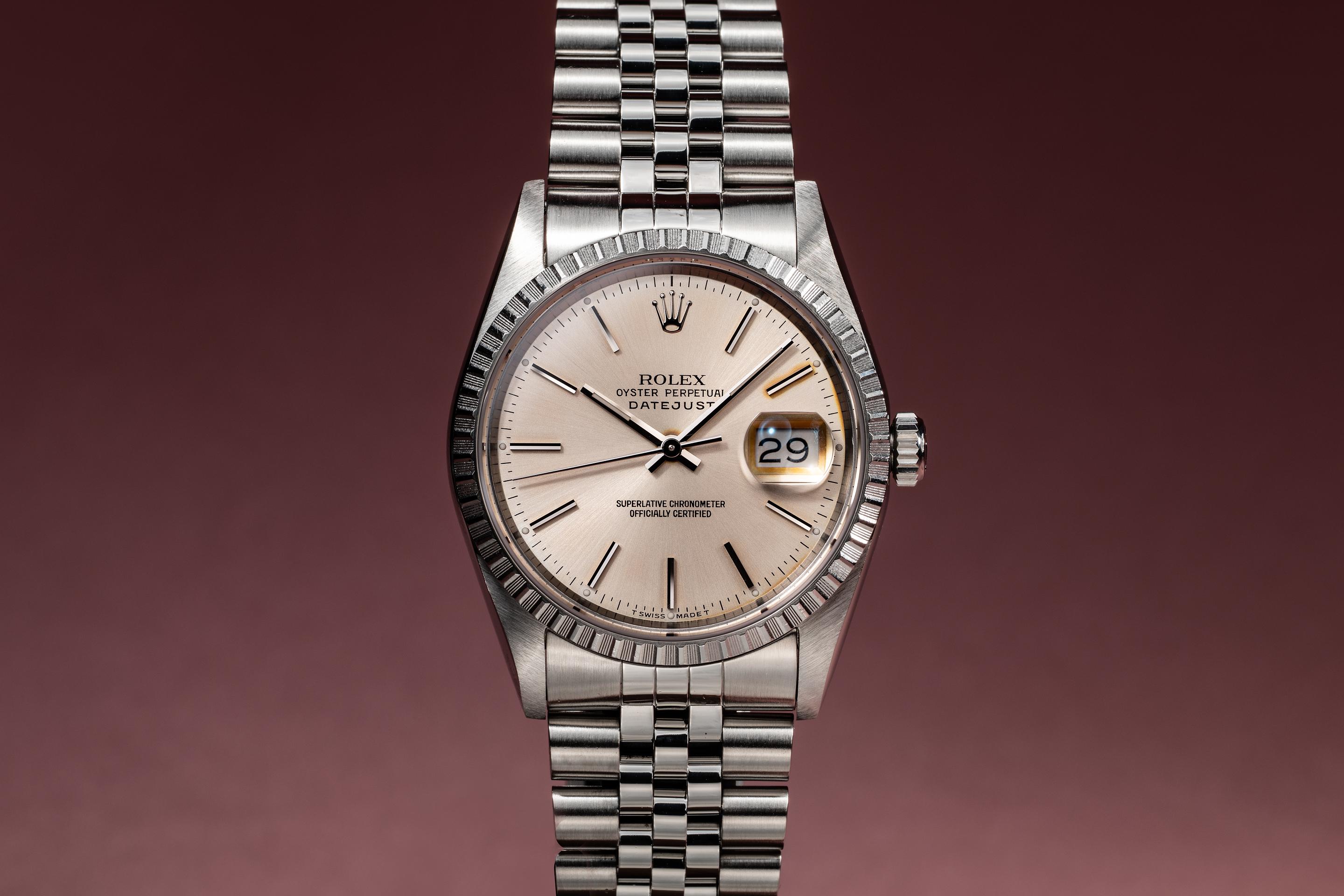
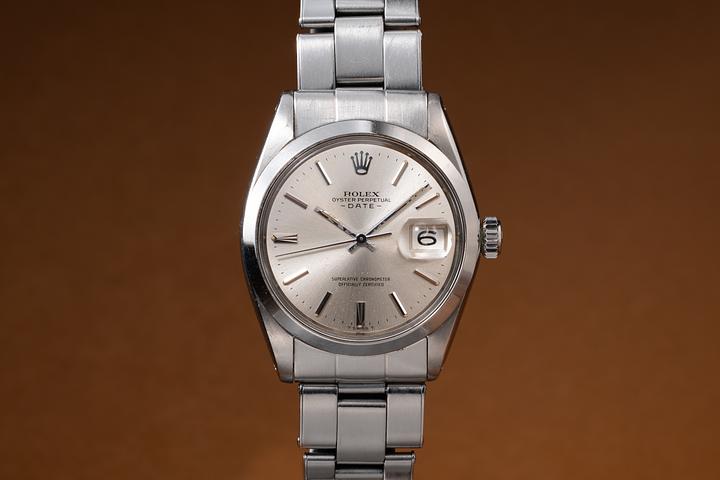
One of the most recognizable features of many Rolex watches is the Cyclops lens, which is a small magnification bubble integrated into the crystal directly above the date window. Rolex introduced this feature in 1953, and it has remained a signature design element ever since. The Cyclops lens magnifies the date by 2.5 times, making it significantly easier to read at a glance. On vintage acrylic crystals, the Cyclops lens was a separate piece bonded to the surface, which means it can sometimes be found missing or replaced on older watches. On modern sapphire crystals, the lens is integrated into the crystal itself during manufacturing. Collectors and authenticators pay close attention to the Cyclops, as its clarity, magnification strength, and alignment can reveal whether a crystal is original or has been substituted.

How to Identify the Type of Crystal on a Rolex

There are a few reliable ways to distinguish between acrylic and sapphire on a Rolex watch without any special tools. The anti-reflective coating on sapphire crystals tends to produce a faint blue or green tint when the watch is held at an angle under light. Acrylic crystals do not have this coating and will reflect light differently, often with a warmer or more neutral appearance. Acrylic also has a slightly different feel if you tap it gently with a fingernail, producing a softer sound compared to the harder tap of sapphire. Additionally, acrylic tends to show micro-scratches and surface wear over time, while a well-maintained sapphire crystal will look virtually pristine even on a heavily worn watch. For vintage Rolex buyers, confirming the original crystal type for a given reference is an important part of evaluating authenticity and overall condition.

Vintage Rolex Crystals and Collector Considerations

When it comes to vintage Rolex collecting, the crystal is one of several details that separates a well-preserved example from a heavily serviced one. Originality matters, and that extends to what is covering the dial. Collectors generally consider these points when evaluating a vintage crystal:

  • Correct crystal reference number for the specific model and year
  • Presence or absence of the Cyclops lens based on original specification
  • Surface condition including fine scratches, chips, or cloudiness
  • Original printing on models that include text on the crystal itself
  • Whether any replacement has been made with period-correct or incorrect parts

These details affect both the visual appeal and the market value of a vintage Rolex. A watch with its original acrylic crystal showing appropriate wear tends to be more desirable among serious collectors than one with a replacement sapphire crystal fitted out of convenience during a past service.

Can a Rolex Crystal Be Replaced and What Does It Cost

Yes, Rolex crystals can be replaced, and there are a few routes available depending on the watch. Rolex service centers can replace crystals using genuine parts, which is the safest option for maintaining authenticity on modern pieces. For vintage watches, the decision is more nuanced. Some owners prefer to have a worn or cracked original crystal replaced with a correct period-equivalent part sourced from reputable suppliers. Others choose to keep the original crystal even if it shows significant wear, viewing it as part of the watch's story. Costs vary considerably depending on the model, the source of the crystal, and whether the work is done through an official Rolex service center or an independent watchmaker. Sapphire crystals for modern references can range from a couple hundred dollars to significantly more when including labor.

Why the Crystal Is a Key Authentication Detail

In the world of luxury watch authentication, the crystal is more than just a cover. It is a reference point. Counterfeit Rolex watches frequently use incorrect crystals, whether the wrong type for the reference, a poorly manufactured Cyclops lens, or a sapphire with noticeably different optical properties. The anti-reflective coating on genuine Rolex sapphire crystals produces a very specific tint that trained eyes recognize quickly. The Cyclops lens on genuine examples has a precise optical quality that is difficult to replicate convincingly at lower cost. For buyers purchasing vintage or pre-owned Rolex watches, examining the crystal carefully is one of the most accessible and informative parts of the authentication process.

Why Tropical Watch Is the Right Source for Vintage Rolex

Understanding the nuances of Rolex crystals is exactly the kind of knowledge that separates a confident purchase from an uncertain one, and that is where working with the right source makes all the difference. Tropical Watch specializes in rare and collectible timepieces with a particular focus on vintage Rolex, and their team approaches every watch with the same attention to detail that serious collectors bring to the table. Whether you are searching for a specific reference with its original acrylic crystal intact or evaluating a modern piece with a flawless sapphire, the expertise behind each listing is evident. For anyone serious about acquiring authenticated vintage Rolex watches with verified original crystals, Tropical Watch offers a curated inventory backed by deep horological knowledge and a genuine passion for getting the details right. This is not a place that simply moves product. It is a resource for collectors who understand that the small details, including what covers the dial, are precisely what defines a great watch.

Frequently Asked Questions About Rolex Crystals

What type of crystal does Rolex use on modern watches?

Modern Rolex watches use synthetic sapphire crystals, which rate 9 on the Mohs hardness scale and are highly resistant to scratching. Many models also feature an anti-reflective coating applied to the inside of the crystal to improve dial legibility.

Did Rolex ever use glass crystals?

Rolex did not use traditional mineral glass crystals in the way many other brands did. Their pre-sapphire crystals were made from acrylic, a plastic-based material, before the brand transitioned to synthetic sapphire beginning in the 1980s.

Can acrylic Rolex crystals be polished to remove scratches?

Yes, acrylic crystals can be polished using appropriate products to reduce or remove light surface scratches. This is one of the practical advantages of acrylic over sapphire, which cannot be polished once scratched.

How does the Rolex Cyclops lens work?

The Cyclops lens is a magnification bubble integrated into or bonded onto the crystal above the date window. It magnifies the date display by 2.5 times, making it easier to read. On vintage watches it was bonded separately, while on modern watches it is part of the sapphire crystal itself.

Does the crystal type affect a vintage Rolex's value?

Yes, significantly. Collectors generally place higher value on vintage Rolex watches that retain their original crystal for the correct reference and production year. A replaced crystal, especially one that is incorrect for the model, can reduce desirability and resale value.

How can I tell if a Rolex has a genuine sapphire crystal?

Genuine Rolex sapphire crystals produce a faint blue or green tint when held at an angle under light due to the proprietary anti-reflective coating. The Cyclops lens will also show precise optical magnification and clarity that is difficult to replicate on counterfeit pieces.

How to Sell a Patek Philippe Watch and Get Top Dollar
Best Patek Philippe Watches: A Collector's Guide
The History of Cartier Watches: Icons, Legacy & Craft
Rolex Bubbleback History and Legacy in Automatic Watchmaking
Rolex Milsub 5517: The Iconic Military Submariner Unveiled
Iconic Movie Watches and the Swiss Legacy Behind Them
Decode Your Rolex: Serial Numbers, History, and Hidden Value
Mastering Speed: How the Tachymeter Scale Measures Time
Does Rolex Own Tudor? A Look at the Legendary Watch Duo
Omega Speedmaster 1969 Price and Legacy of the Moonwatch
Rolex COMEX Watch History and Rarity of a Deep-Sea Icon
Paul Newman Daytona: The Rolex That Redefined Collecting
Rolex Milsub 5513: The Legendary Tool Watch Uncovered
Inside the Domino’s Rolex: Where Fast Food Meets Fine Time
Rolex GMT-Master: The Astronaut’s Choice for Dual Time Precision
Rolex Service Cost Breakdown: What to Expect and Why It Matters
Rolex GMT-Master: The Astronaut’s Choice for Dual Time Precision
How to Change the Date on a Rolex Without Messing It Up
Celebrities and Rolex: Timepieces That Tell More Than Time
Why the Poor Man’s Rolex Is Actually a Smart Watch Move
Should You Insure Your Rolex Watch? Smart Protection Tips
Why Rolex Is So Popular in the Swiss Watch World
Why Rolex Sports Watches Feature Iconic Mercedes Hands
Rolex Daytona and Le Mans: A Legacy of Speed and Precision
Rolex Submariner Lug Width Explained: Fit, Style, Legacy
How Many Rolex Watches Are Made Each Year Really
How to Set the Time on a Rolex Without Messing It Up
Rolex Daytona 6239: The Chronograph That Changed the Game
Why the Rolex Daytona Is the Most Wanted Watch Alive
Rolex John Mayer Daytona: Green Dial Gold Icon Explained
Timeless Style: Female Celebrities Who Love Their Rolex
Is a Rolex Watch Worth It? Investment Value Explained
Rolex Green Sticker Meaning: History, Value, and Collectibility
Rolex Wimbledon Datejust 41: Timeless Style with a Green Edge
Rolex Oysterquartz Day-Date: Bold Design Meets Quartz Legacy
Mother of Pearl Rolex Dials: Elegance in Every Iridescent Glance
Grand Seiko vs Seiko vs Swiss Watches Craftsmanship Showdown
What Is an Automatic Watch and Why It Still Matters Today
Casino Royale’s Omega Seamaster: Bond’s Timeless Wrist Game
Omega Speedmaster Moonwatch: Swiss Craft Meets Space History
Omega x Ultraman: A Legendary Speedmaster Pop-Culture Pairing
How Much Is a Rolex in 2024? Real Talk on Swiss Luxury
Swiss GMT Watches That Master Time Zones in Style
Swiss GMT Watches: Timeless Craft for Global Travelers
Top Swiss Watch Brands That Define Time, Style, and Legacy
John Mayer Daytona Watch: The Gold and Green Grail Rolex
How Much Is a Rolex Watch Really Worth in 2025?
The Rolex Crown Logo and Its Legacy in Swiss Watchmaking
Chronograph Watches Explained: Style, History, and How They Work
Inside a Swiss Watch: Parts, Craft, and Precision Unveiled
Rolex Batman GMT-Master II Review: Style Meets Function
Rolex GMT Batman vs Batwoman: Icon Moves in Black and Blue
Rolex and Wimbledon: A Legacy of Precision and Prestige
Inside the Swiss Watch Legacy: Craft, Time, and Precision
Tom Brady’s Rolex Day-Date 40: Precision Meets Legacy
Where Rolex Watches Are Made: Inside Switzerland’s Finest Craft
Rolex Submariner Ultimate Guide: Dive Into Iconic Timekeeping
Rolex Datejust 31 Review: Timeless Elegance Meets Innovation
Rolex Caliber 655 Guide: Vintage Charm with Mechanical Grit
Rolex Sea-Dweller Review: Dive Deep into Iconic Precision
Who Owns Rolex and Why It’s Unlike Any Other Watch Brand
Rolex Datejust Watch Guide: Swiss Craft Meets Timeless Style
Rolex Watch Service Guide: When, Why, and What to Expect
Why Rolex Is Famous: Swiss Precision Meets Iconic Style
Inside Rolex Watch Repair: Craftsmanship, Precision, Legacy
The Rolex Fix: Keeping Time with Swiss Precision and Care
Rolex Watches and Prices Explained: Luxury, Craft, Legacy
Rolex Serial Number Lookup Guide for Age and Authenticity
Rolex Bracelet Types Explained: Craft, Legacy, and Innovation
Rolex Watch Prices Explained: Models, Features, and Value
Rolex Cosmograph Daytona History and Legacy Explained
How Much Does a Rolex Cost? Pricing Levels and Key Factors
Rolex Daytona History and Innovation in Swiss Watchmaking
How to Change the Time on a Rolex Watch with Precision
Rolex Watch Sizes Guide: History, Purpose, and Precision
Rolex GMT-Master History and Legacy of an Iconic Timepiece
Where Rolex Watches Are Made: Inside Swiss Manufacturing Mastery
Rolex Oyster Perpetual Datejust: A Legacy of Timeless Precision
Rolex and the Swiss Watch Legacy: Precision That Endures
Rolex Datejust: A Timeless Icon of Swiss Watchmaking Excellence
Ladies Diamond Rolex Watches: Iconic Craftsmanship and Elegance
Rolex Watch Prices in 2025: What Drives the Cost
Why Rolex Watches Are So Expensive: Craftsmanship and Prestige
Men with Rolex: Timeless Craftsmanship Meets Enduring Prestige
Gold Rolex Legacy: Swiss Craftsmanship and Iconic Design
Rolex Dive Watch Excellence Redefines the Depths of Timekeeping
Rolex GMT-Master History and Evolution of an Iconic Timepiece
Rolex Oyster Case: A Legacy of Waterproof Innovation Since 1926
Rolex GMT-Master II: A Legacy of Precision and Prestige
Rolex Bracelets: Timeless Design Meets Swiss Precision
Rolex Tiffany Blue Dial: Rarity, Design, and Collector Appeal
Where Rolex Watches Are Made: Inside the Swiss Craftsmanship
Rolex Datejust History and Innovation in Swiss Watchmaking
Rolex U Serial Numbers Explained: History, Value, and Legacy
Rolex GMT-Master II Review: Dual-Time Precision Refined
Rolex Datejust Watch History, Innovation, and Timeless Design
Rolex Air-King: Precision, Heritage, and Timeless Innovation
Rolex Explorer Watch History and Legacy of Swiss Precision
Rolex Swiss Craftsmanship and Innovation Through the Ages
Journey Through Rolex: Icons of Time, Craft, and Precision
Rolex Serial Number Guide: Authenticate and Date Your Watch
Previous Item
Previous
Next Item
Next

Shop Watches