Rare Omega Watches: History, Value, and What to Know

Rare Omega Watches: What Makes Them Truly Rare and Why Collectors Chase Them
Not every old watch is a rare watch. That distinction matters, especially when you are navigating the luxury watch market and trying to separate genuine rarity from clever marketing. Omega has been producing timepieces since 1848, and across nearly two centuries of production, a handful of references have emerged as genuinely scarce, historically significant, and increasingly valuable. Understanding what makes certain Omega watches rare is the first step toward appreciating why they command such intense interest from seasoned collectors and first-time buyers alike.
The History Behind Omega's Most Collectible References
Omega's reputation was built on precision, innovation, and an unusual willingness to push into hostile environments. The brand served as the official timekeeper for the Olympic Games starting in 1932. It supplied military-grade watches during World War II. It landed on the moon in 1969 when NASA selected the Speedmaster after rigorous testing. Each of these moments produced watches tied to a specific historical context, and when those references were produced in limited quantities or discontinued shortly after, they became the foundation of what the collector market now calls rare Omega watches. The Speedmaster Professional reference 2915, for example, was produced from 1957 to 1959 in very small numbers, and finding an original example in honest condition today requires patience, connections, and a serious budget. History, in the watch world, has a price attached to it.
What Actually Defines Rarity in an Omega Watch
Rarity in a watch is not just about age. Several overlapping factors determine whether a reference earns that distinction in the eyes of serious collectors. Production numbers play a significant role, but they are not the whole story. A watch produced in low quantities but with little historical relevance may not generate the same demand as one with a compelling provenance or technical significance. The factors that tend to define true rarity include the following:
- Production volume relative to demand
- Exotic or unconventional dial configurations, including tropical dials or double-signed dials
- Association with a specific mission, event, or institution such as NASA, military contracts, or the Swiss Federal Railway
- Prototype or pre-production status
- Original, unrestored condition with matching components throughout
Dial condition is particularly important. A tropical dial, which refers to a dial that has developed a rich brown or chocolate patina through oxidation over decades, is one of the most sought-after features in vintage watch collecting broadly. Omega references that exhibit genuine tropical dials are considerably rarer than standard versions, and that factor alone can multiply value significantly.
Rare Omega Speedmaster References Worth Knowing
The Speedmaster line is the most recognizable entry point into rare Omega territory. Within that family, several references stand apart. The reference 2915, already mentioned, is the earliest Speedmaster and features a broad arrow hand, an aluminum bezel insert, and a case construction that was quickly revised in subsequent years. The reference 105.003 from the early 1960s is notable as one of the watches worn during the earliest NASA missions. Then there is the reference CK 2998, which introduced the black aluminum bezel and is frequently described as the watch that defined the Speedmaster's visual identity before the moon landing. Each of these exists on the secondary market, but finding genuine examples with original dials, hands, and cases is genuinely difficult. Replacement parts were common in the past, and originality is where value concentrates today.
The Seamaster and Constellation Lines Also Carry Rare Examples
Collectors who focus exclusively on the Speedmaster sometimes overlook the quiet rarity found within the Seamaster and Constellation families. Early Seamaster references from the 1950s feature elegant, restrained designs that have aged beautifully, and certain examples with unusual dial colors or configurations were produced in extremely limited quantities. The Constellation, Omega's precision-focused dress watch line launched in 1952, has produced references with distinctive pie-pan dials and observatory-certified movements that appeal to a different but equally passionate segment of the collector community. The Constellation Manhattan, introduced in the 1980s, looked polarizing at the time but has developed a following in recent years, particularly for examples featuring original integrated bracelets and clean, unpolished cases. Rarity is not always obvious at first glance.
How Condition and Originality Affect Value in Rare Omega Watches
This point cannot be overstated. In the vintage and rare watch market, condition is everything, and originality is the qualifier that makes condition meaningful. A rare Omega reference with a re-dialed or refinished dial loses a substantial portion of its value regardless of how clean it looks. Collectors and appraisers examine dials under magnification for signs of repainting, lume replacement, or printing inconsistencies. Cases are inspected for excessive polishing, which rounds off the sharp lines and lugs that define a watch's original geometry. Movements are checked for replaced parts or incorrect service components. Buying a rare Omega watch without this level of scrutiny is a significant risk, and it is precisely why provenance documentation, original boxes, and accompanying papers add real, quantifiable value to any transaction.
What Buyers Should Know Before Purchasing a Rare Omega Watch
The secondary market for rare Omega watches is sophisticated and, frankly, requires preparation. First-time buyers should spend time learning reference numbers and production years before committing any budget. Reputable auction houses and specialized dealers provide the authentication and documentation needed to transact with confidence. There are a few practical considerations worth keeping in mind:
- Work only with sellers who can provide verifiable authentication documentation
- Study reference-specific production details before evaluating any example
- Prioritize originality over cosmetic appearance
- Understand that lower prices rarely reflect genuine deals in the rare watch market
- Factor in servicing costs, which for a vintage Omega movement can be significant
Patience is genuinely a strategy in this market. The right example at a fair price appears for collectors who have done their research and are not operating under urgency.
The Investment Perspective on Rare Omega Watches
Rare Omega watches have demonstrated meaningful long-term appreciation, particularly for early Speedmaster references and condition-original Seamaster examples from the 1950s. That said, the watch market responds to trends, and specific references can fall in and out of collector favor over time. The most stable appreciation tends to follow watches with clear historical significance, strong originality, and low surviving population counts. Treating a rare Omega as a pure financial instrument is a limited perspective. The most satisfied collectors are those who buy pieces they genuinely connect with, because the years spent holding a watch matter as much as the return on sale. That said, the combination of historical resonance, mechanical quality, and finite supply makes rare Omega watches a credible component of a thoughtfully assembled collection.
Why Tropical Watch Is the Right Partner for Rare Luxury Watch Collecting
Finding rare Omega watches and other exceptional vintage timepieces requires access to a curated market and a team that understands what originality, condition, and provenance actually mean. Tropical Watch has built its reputation on exactly that standard, offering collectors the kind of inventory and expertise that serious buyers depend on. Whether you are searching for a specific Speedmaster reference or exploring the broader landscape of rare vintage Omega watches and collectible luxury timepieces, Tropical Watch brings both the selection and the knowledge to help you find the right piece at the right moment. The team approaches every transaction with the same level of care a collector would apply to their own purchases, which makes a measurable difference when the stakes involve genuinely rare watches.
Frequently Asked Questions About Rare Omega Watches
What is the rarest Omega watch ever made?
The Omega Speedmaster reference 2915 is widely regarded as one of the rarest production Speedmaster watches, having been produced from 1957 to 1959 in very small numbers. Pre-production prototypes and certain military-issued variants also carry exceptional rarity, but the 2915 remains the reference most commonly cited by serious collectors.
How do I know if a vintage Omega watch is authentic?
Authentication involves examining the dial, movement, case, and all components against documented specifications for the specific reference. Reputable dealers and certified watchmakers with expertise in vintage Omega pieces can conduct this assessment. Original paperwork and box materials add supporting evidence but are not sufficient on their own.
Do rare Omega watches hold their value over time?
Historically, rare Omega watches with strong provenance, genuine originality, and documented history have appreciated over time. Specific references tied to significant events, such as NASA-issued Speedmasters, have shown particularly strong performance in the collector market. No investment is guaranteed, but condition-original examples from low-production references have demonstrated consistent demand.
What is a tropical dial and why does it matter for Omega watches?
A tropical dial is a vintage watch dial that has developed a warm brown or chocolate patina through natural oxidation over decades. This occurs in certain dial compositions and is considered highly desirable by collectors because it indicates an unrestored, original watch. Omega references with genuine tropical dials are significantly rarer than standard examples and command meaningful premiums.
Is it better to buy a rare Omega from an auction or a specialist dealer?
Both channels have legitimate advantages. Auction houses offer transparency through public bidding and detailed condition reports, while specialist dealers provide a more guided purchasing experience with direct accountability and often more flexible terms. The most important factor in either context is the credibility of the seller and the quality of authentication provided with the watch.
Which Omega collections produce the most collectible vintage watches?
The Speedmaster Professional is the most widely collected vintage Omega line, driven largely by its NASA history and wide range of significant references. The Seamaster from the 1950s and early Constellation references with pie-pan dials also generate strong collector interest. Within each family, specific dial configurations, case materials, and movement variants determine which examples rise to genuinely rare status.


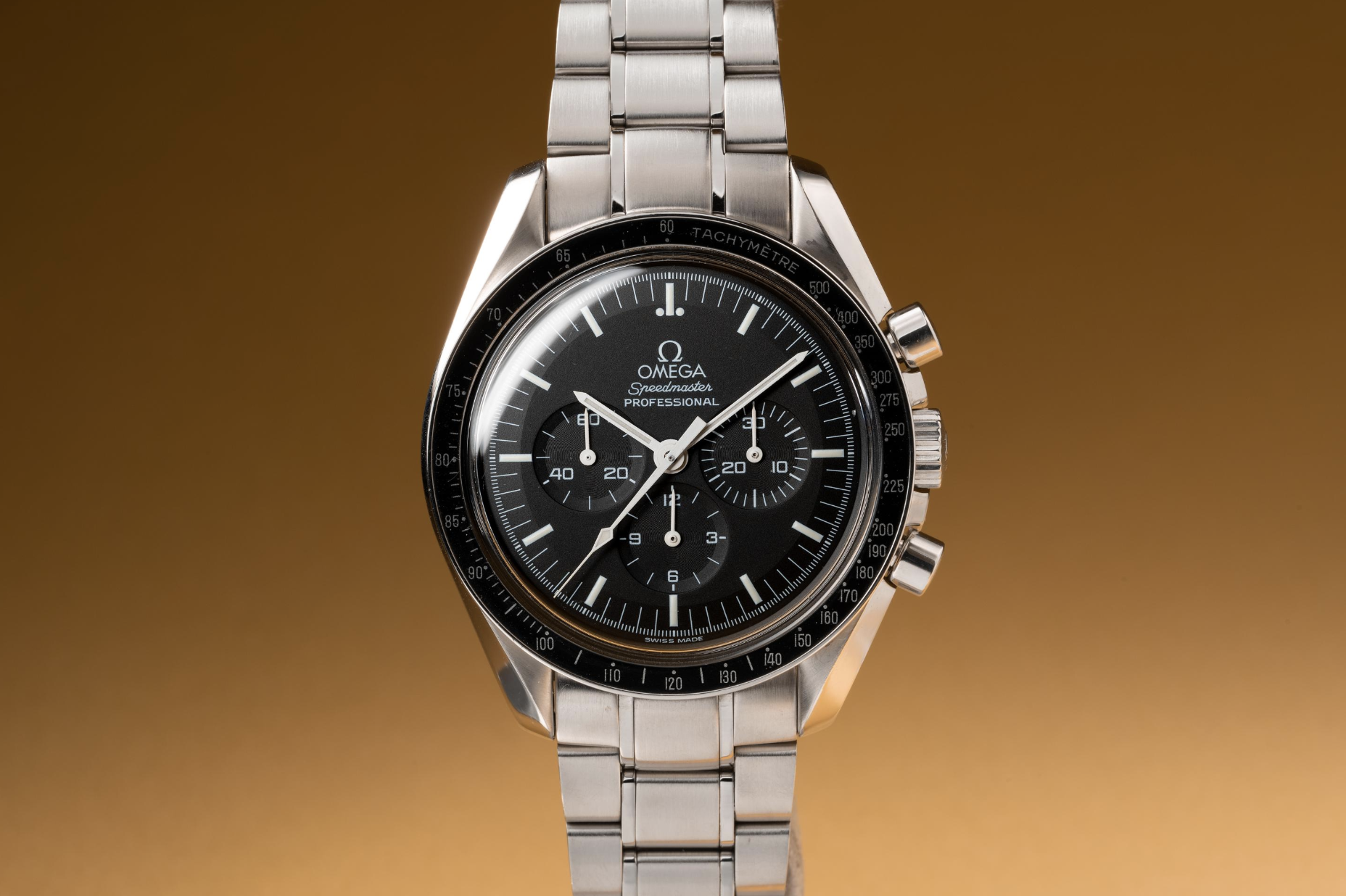










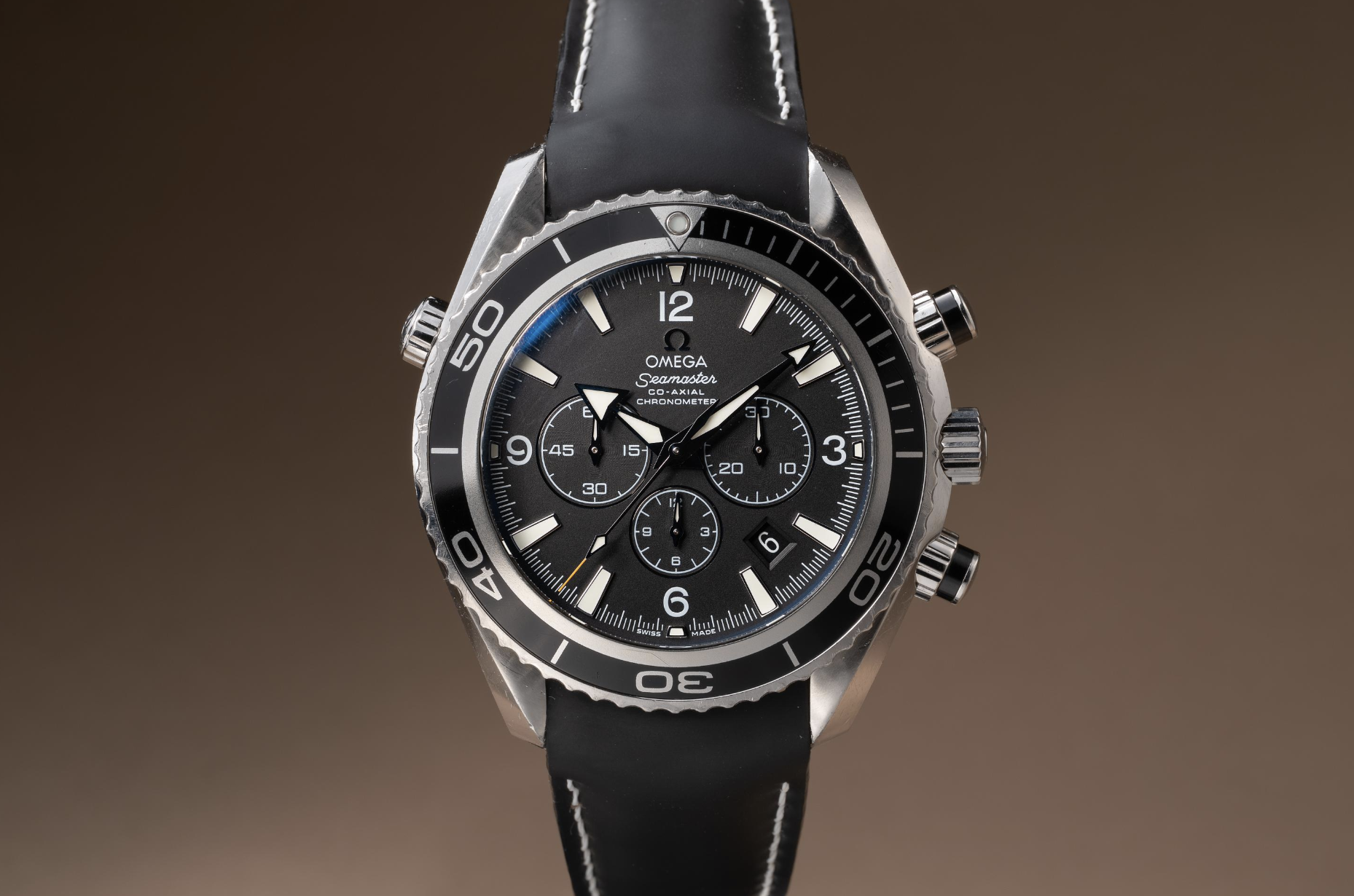
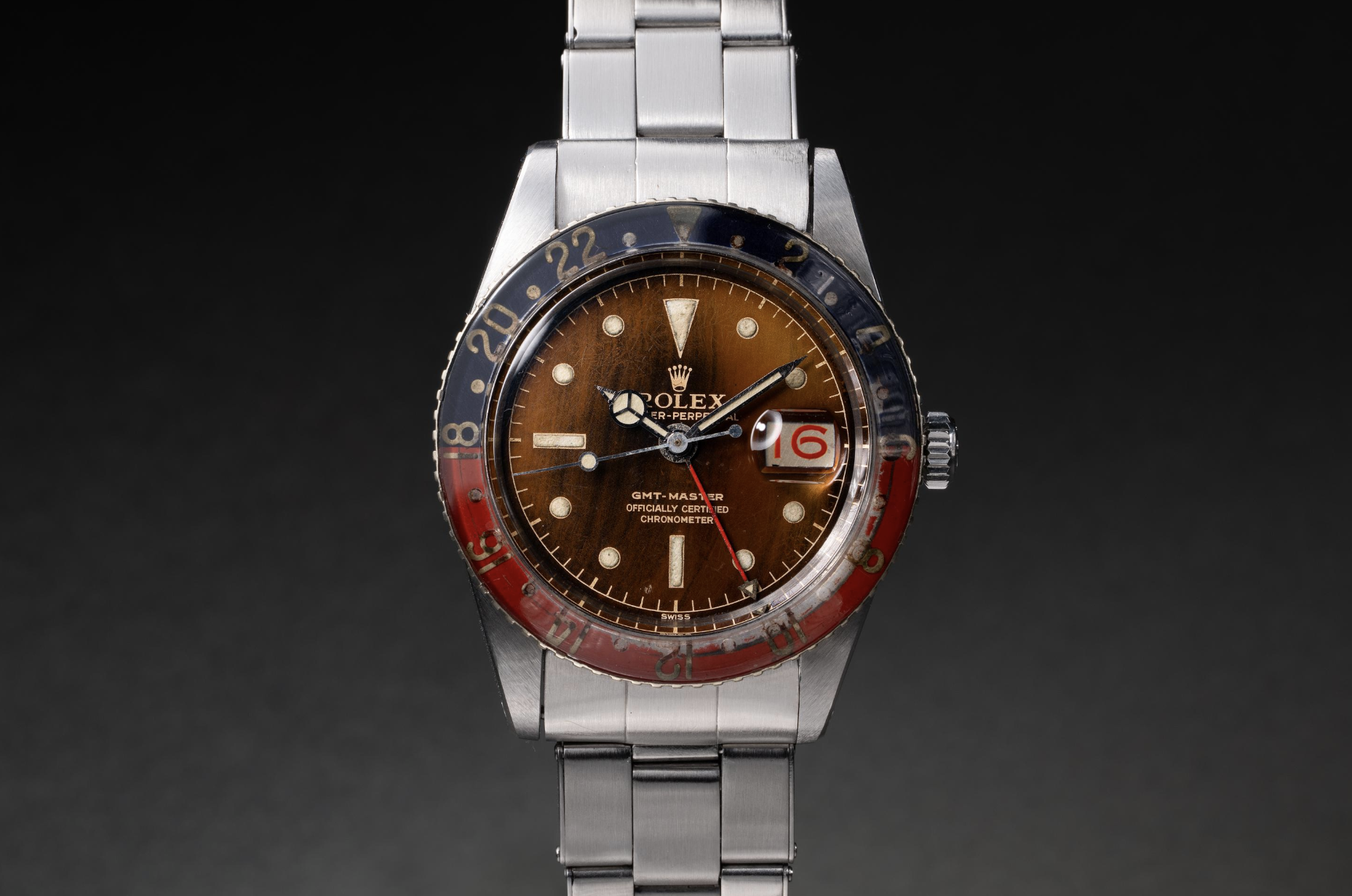







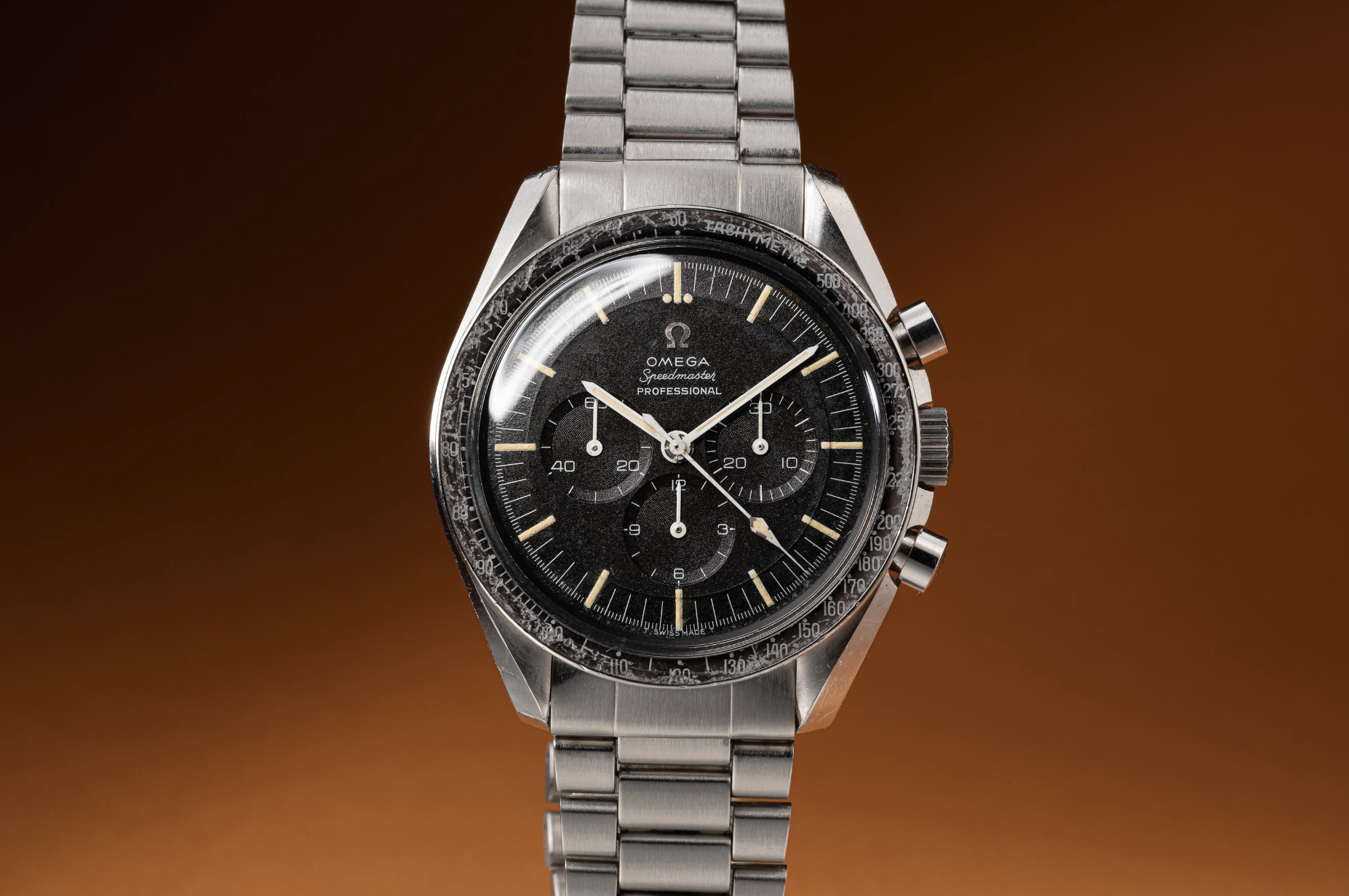


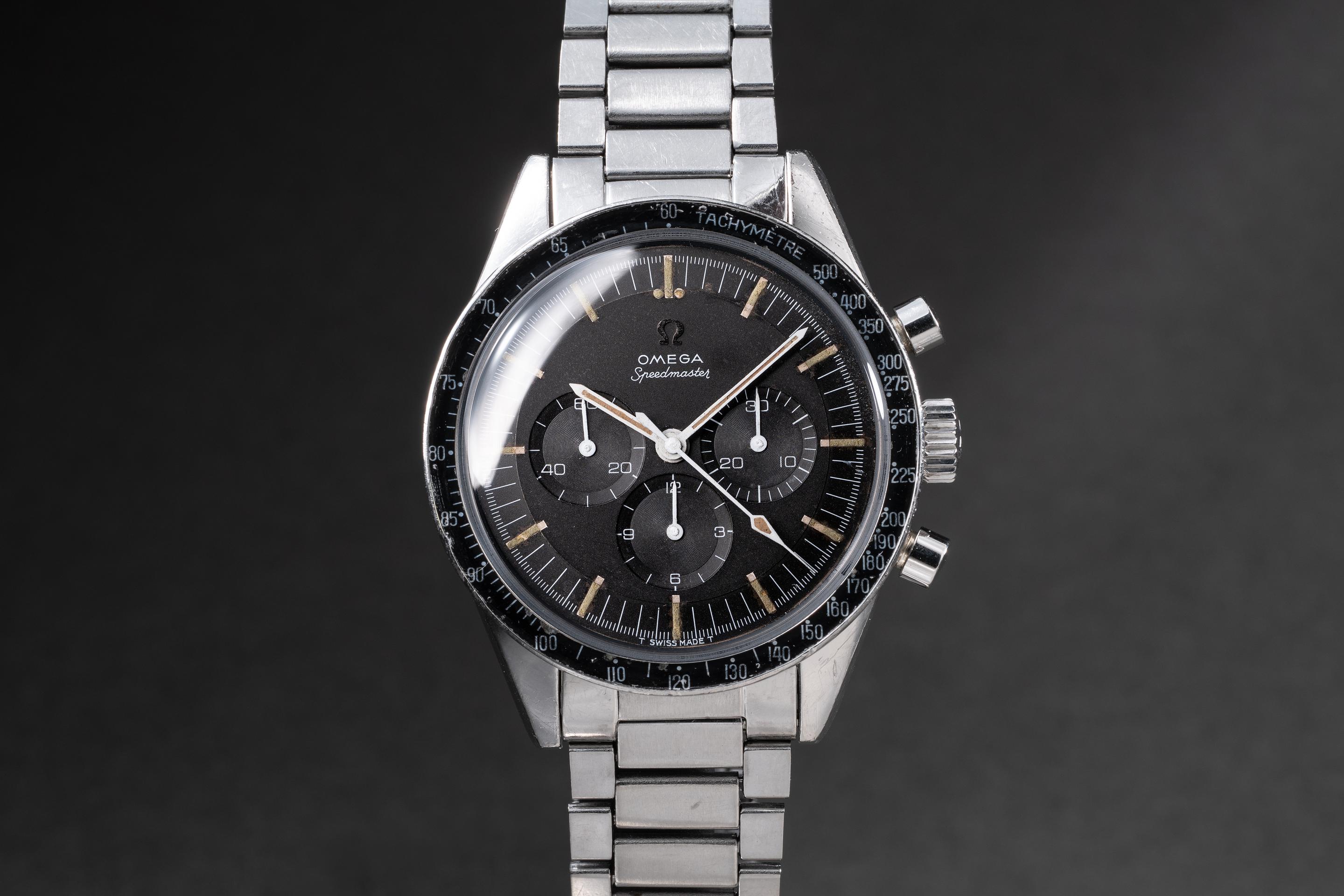
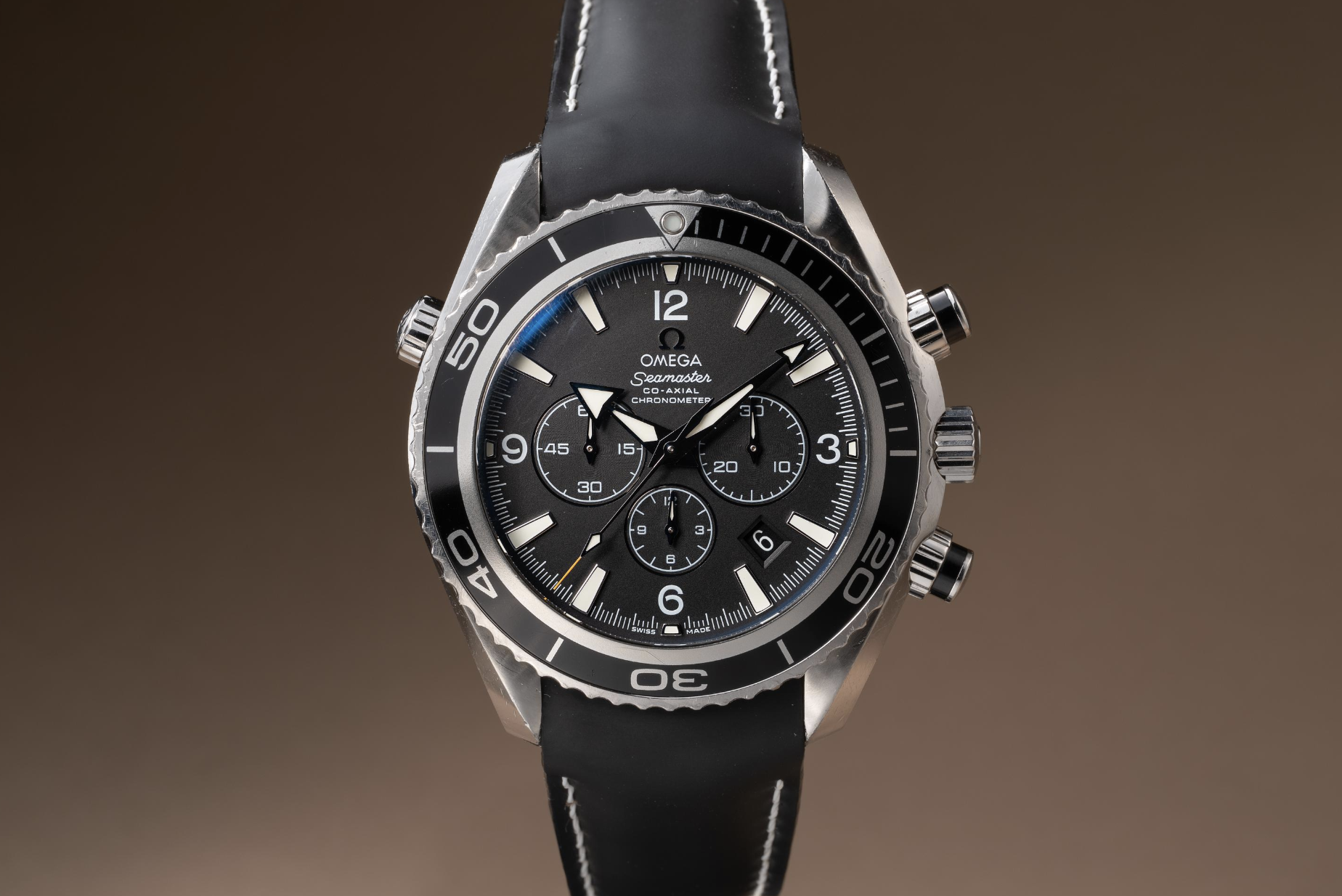
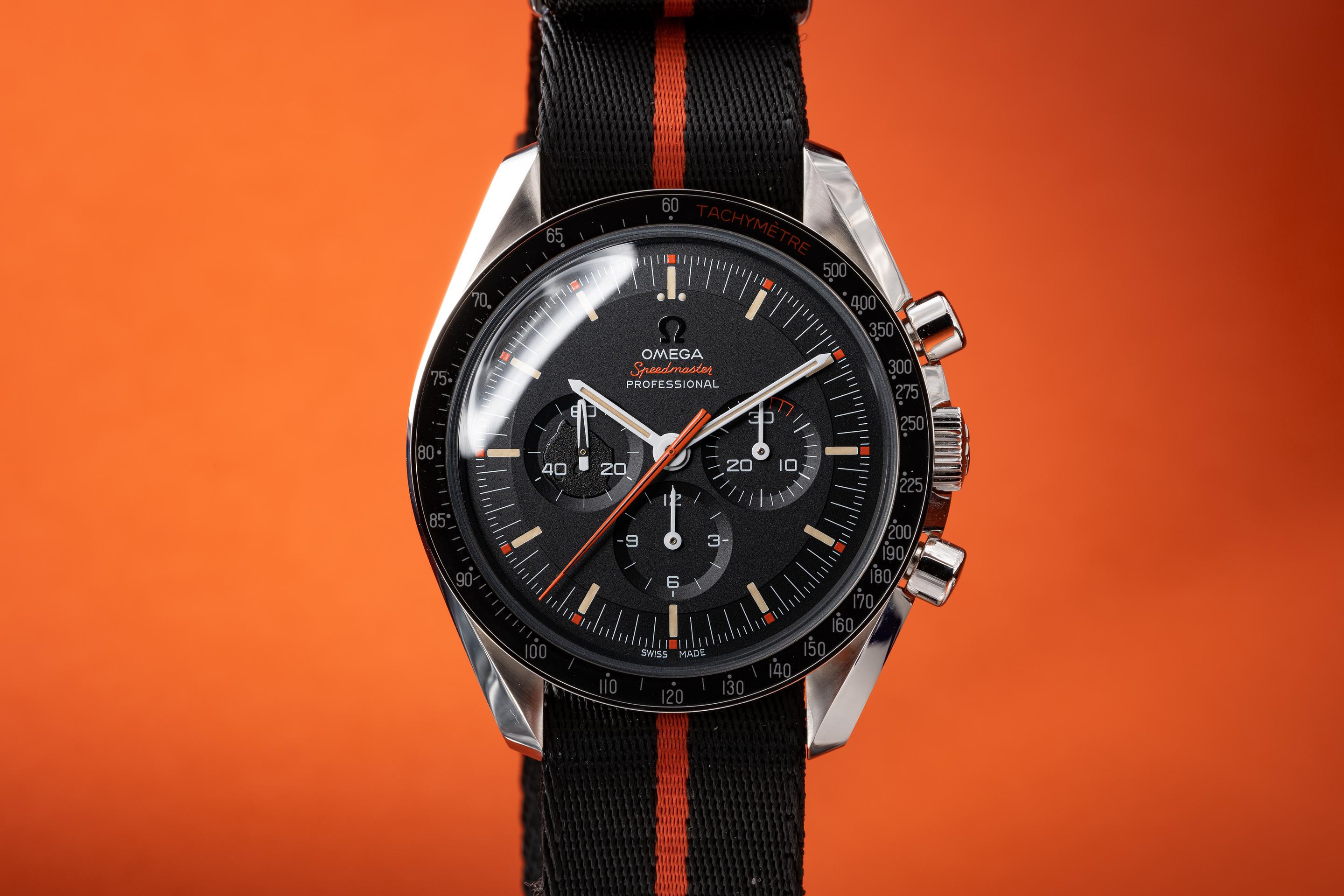
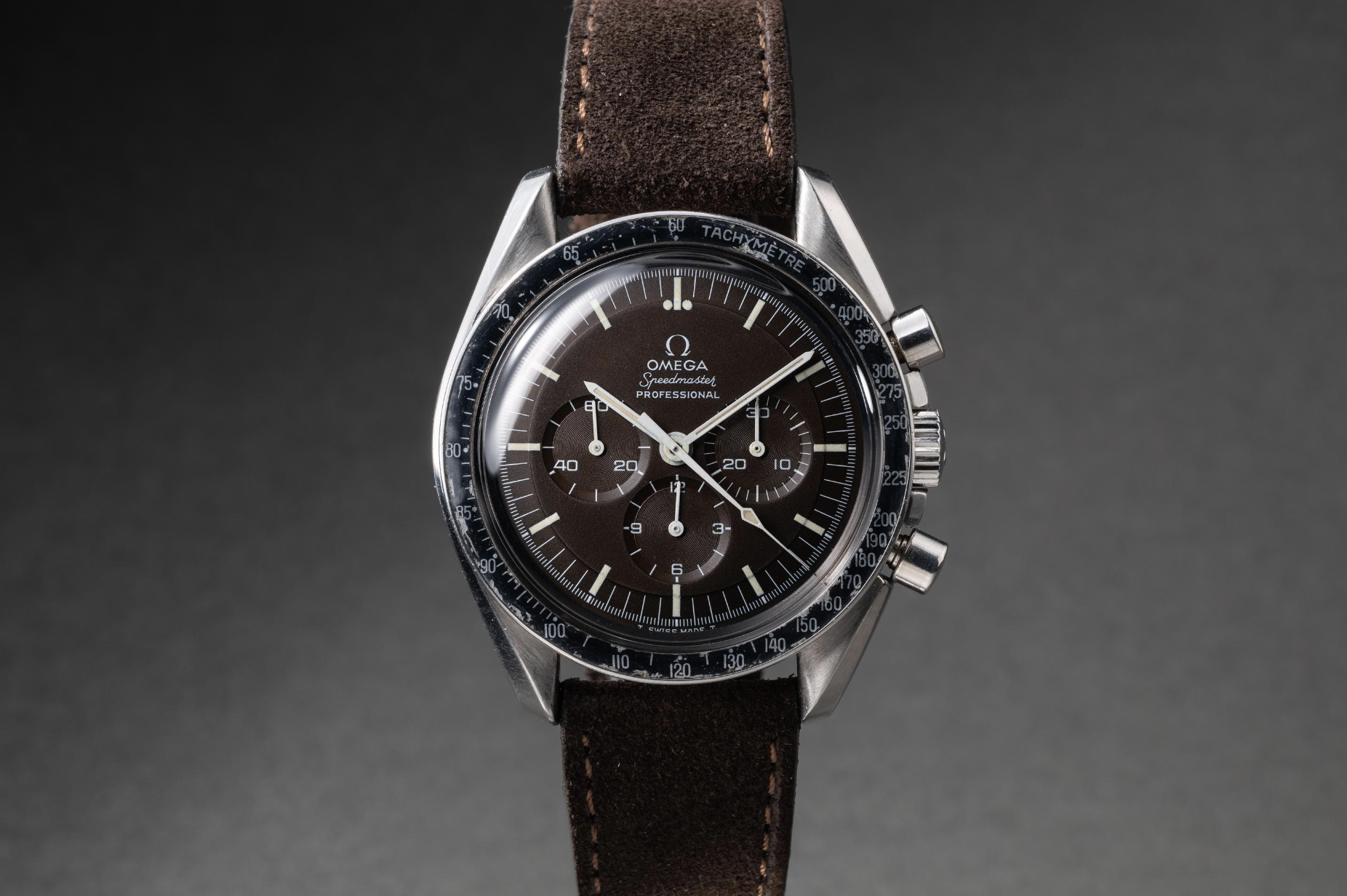


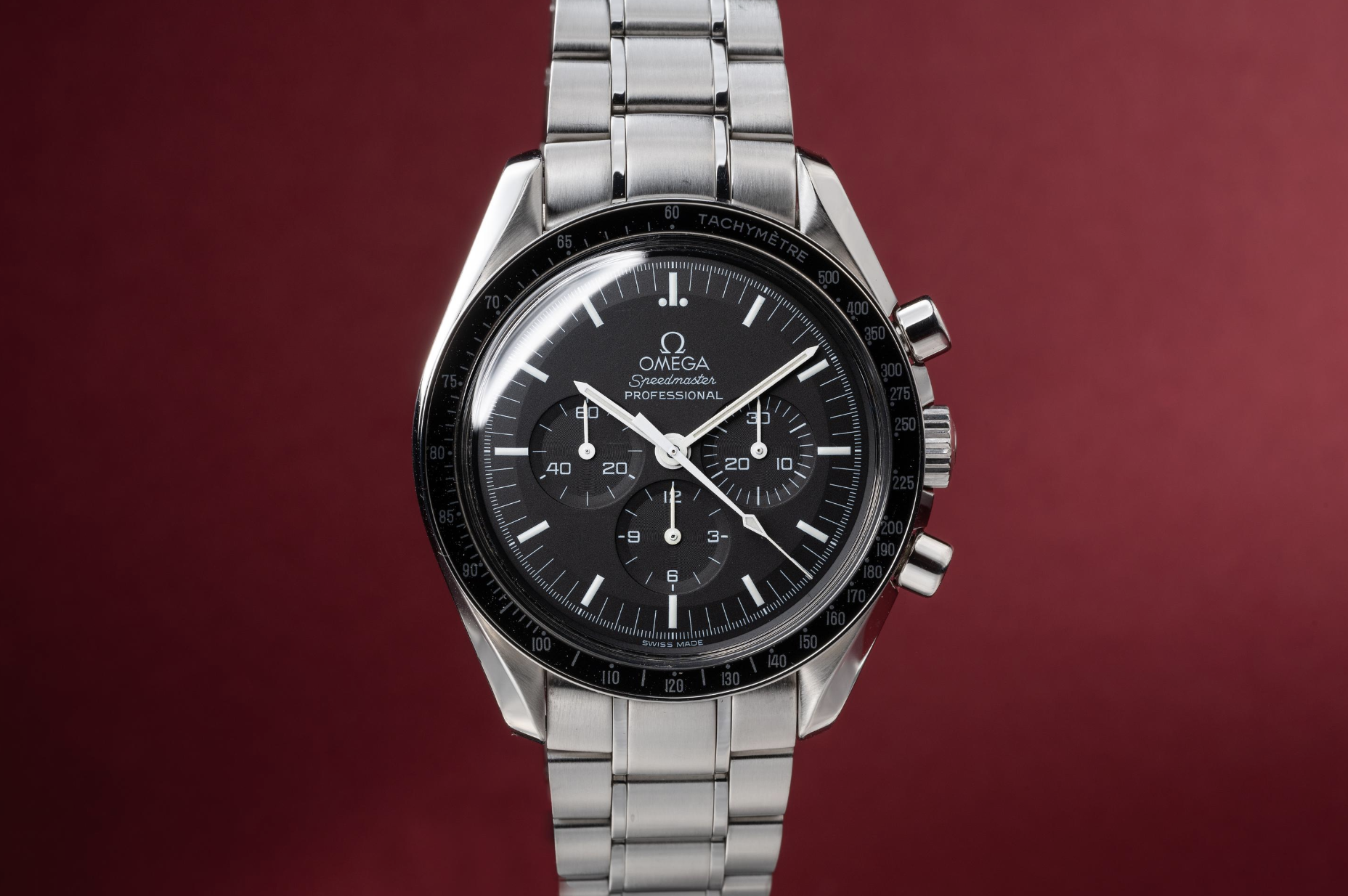


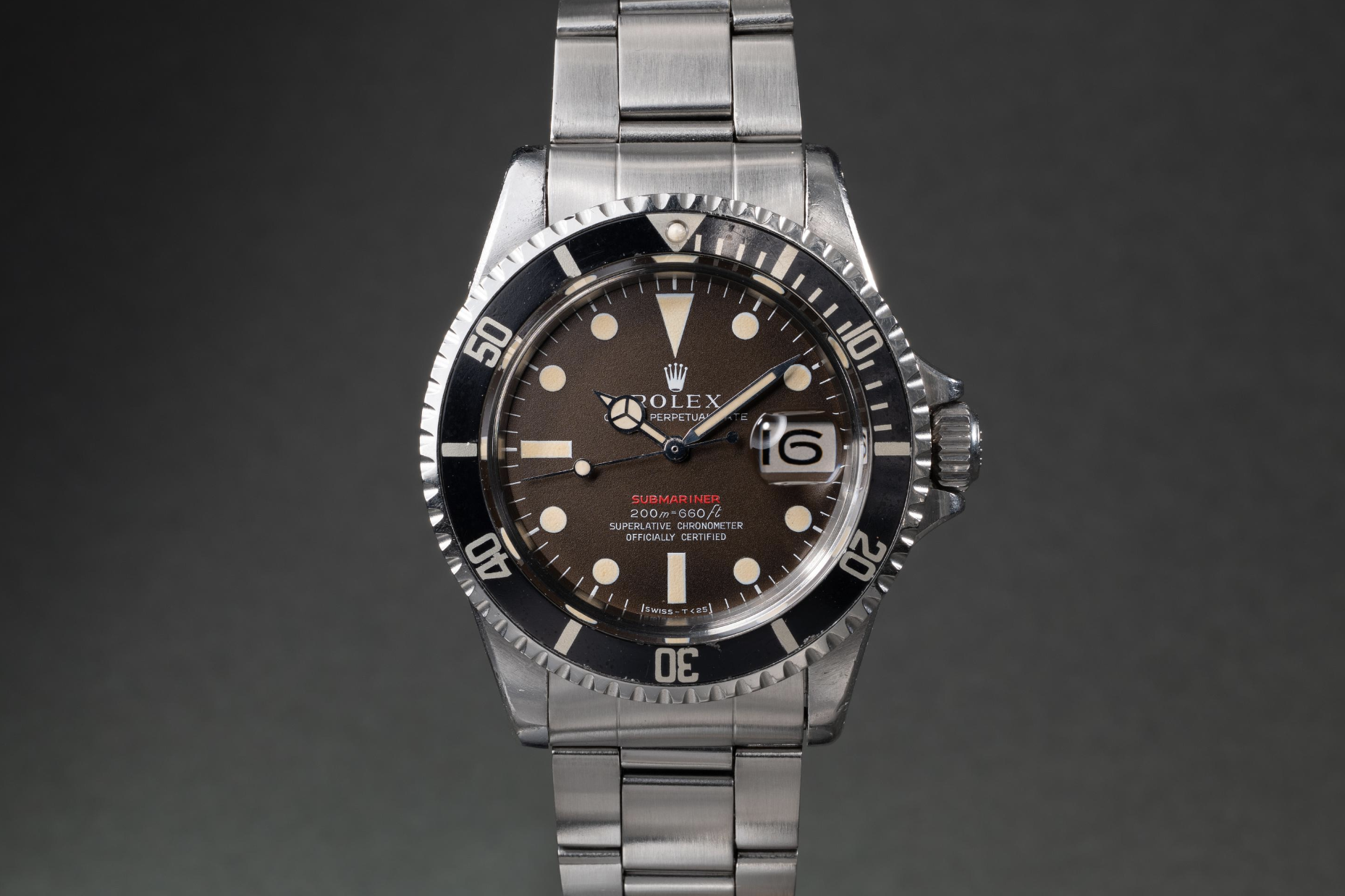









Table of Contents
Get More from the Journal