Fake Patek Philippe vs Real: How to Spot the Difference

Why Spotting a Fake Patek Philippe Matters More Than You Think
Patek Philippe is not just a watch brand. It is one of the most respected names in the entire history of horology, with a legacy stretching back to 1839. When you are dealing with timepieces that can sell for tens of thousands to several million dollars, the stakes of mistaking a fake for a genuine piece are extraordinarily high. The counterfeit watch market has grown more sophisticated over the decades, and Patek Philippe remains one of the most frequently replicated luxury brands in the world. Whether you are a first-time buyer or a seasoned collector, understanding how to distinguish a fake Patek Philippe from a real one is not just useful knowledge, it is essential protection for your investment.
A Brief History of Patek Philippe and Why Counterfeiters Target It
Founded in Geneva, Switzerland by Antoni Patek and Adrien Philippe, Patek Philippe has spent nearly two centuries building a reputation for uncompromising craftsmanship and technical innovation. The brand invented the perpetual calendar wristwatch, the split-seconds hand chronograph, and several other mechanical milestones that changed watchmaking permanently. Because of this heritage and the brand's deliberately limited production, genuine Patek Philippe watches command extraordinary prices on both the primary and secondary markets. The Patek Philippe Grandmaster Chime Reference 6300A sold at auction for over 31 million Swiss francs in 2019, making it the most expensive wristwatch ever sold at that time. With that kind of value attached to the name, it is no surprise that counterfeiters invest heavily in reproducing the look, and sometimes even the feel, of these watches as convincingly as possible.
The Most Commonly Faked Patek Philippe References
Not every Patek Philippe model gets counterfeited with equal frequency. Fakes tend to cluster around the most recognizable and desirable references, particularly models that carry strong brand recognition even among casual observers. The references most frequently replicated include:
- Nautilus Ref. 5711 and 5726
- Aquanaut Ref. 5167
- Calatrava Ref. 5196
- Annual Calendar Ref. 5396
- Complications models such as the perpetual calendar
The Nautilus is by far the most targeted. Its distinctive porthole case design and horizontally embossed dial are immediately recognizable, which also makes it a prime candidate for high-effort fakes. Some counterfeits of the Nautilus have become technically impressive enough that untrained eyes struggle to identify them at first glance, which is exactly why understanding the specific details matters so much.
Case, Dial, and Finishing: Where Fakes Almost Always Fall Short
The single most reliable way to begin evaluating a Patek Philippe is through its finishing quality. Genuine Patek Philippe watches are finished by hand to an extraordinary standard. Case surfaces alternate between brushed and polished zones with laser-sharp transitions. On a real Nautilus, for example, the bezel has a distinctly defined brushed texture while the case flanks carry a high-polish mirror finish. Fakes almost universally blur this boundary. The transition between finishing zones on a counterfeit tends to look softer, rounded, or inconsistent. Dials on authentic Patek Philippe watches are printed or applied with extreme precision. Text on the dial, including the brand name, model designation, and any complication labels, will be perfectly aligned, evenly spaced, and sharply rendered. On fakes, text often appears slightly off-center, the font weight varies, or the printing looks slightly fuzzy under magnification. Applied hour indices, if present, will be perfectly level and uniformly thick. On counterfeits, they are frequently uneven or slightly recessed in ways that genuine pieces never are.
Movement Quality: The Clearest Dividing Line
If the case and dial can sometimes fool a casual glance, the movement almost never will, at least not to someone who knows what to look for. Patek Philippe manufactures its own calibers in-house, and these movements are considered among the finest in the world. Genuine movements feature Geneva Seal certification on select pieces, beveled and polished bridges, hand-chamfered edges on every component, and immaculate finishing throughout. Counterfeit movements, even expensive ones, typically use generic ETA or Miyota-based movements that bear little resemblance to genuine Patek calibers. Even when fakers engrave false caliber numbers onto a movement, the overall finishing quality, the anglage on the bridges, the perlage on the baseplate, and the quality of the rotor weight on automatic models will give the game away immediately to an experienced observer. If you ever have access to the caseback and the watch is supposed to have a display caseback, always look. The genuine article will take your breath away slightly. A fake will not.
Practical Tips for Authenticating a Patek Philippe Before You Buy
There are several steps any buyer should take before committing to a purchase, regardless of the seller's reputation or the apparent quality of the watch being offered:
- Request the original box, papers, and extract from Patek Philippe's registry
- Verify the serial number directly with Patek Philippe or an authorized dealer
- Examine the crown and crown logo engraving under magnification
- Check the weight, as genuine cases use specific alloys with a distinct heft
- Consult a certified watchmaker or independent authenticator before any significant purchase
- Review recent auction records for similar references to establish fair market value
It is also worth noting that Patek Philippe's customer service department can often confirm whether a serial number aligns with the stated reference and year of production. This is a step many buyers overlook and one that can save considerable grief.
The Crown Logo and Engravings That Fakes Consistently Get Wrong
Every genuine Patek Philippe features the brand's crown logo in specific locations, most notably on the crown itself. On a real watch, this engraving is crisp, perfectly proportioned, and deeply set. On fakes, the crown logo is often shallow, slightly misshapen, or positioned awkwardly. Similarly, casebacks on genuine pieces carry engravings that are clean and consistent. Reference numbers, serial numbers, and metal content stamps are all rendered with precision. Fakes frequently have engravings that appear machine-pressed in a way that lacks depth or consistency. Even the sapphire crystal, which on genuine pieces is of optically pure quality with an extremely fine anti-reflective coating, tends to look subtly different on counterfeits, either too reflective, slightly off in tint, or with coating that appears uneven at certain angles.
Understanding the Price Reality of Genuine Patek Philippe
One of the most reliable signals that something is wrong is the price. Genuine Patek Philippe watches do not sell significantly below their established market value except under unusual circumstances. If someone is offering a Nautilus 5711 at a price that feels too good to be true, it almost certainly is. At retail, Patek Philippe sets strict allocation controls and has no authorized online sales channel, so any watch sold through an online marketplace or grey market dealer warrants additional scrutiny. Understanding current secondary market pricing through reputable auction house records and certified pre-owned dealers is one of the most important steps any buyer can take before handing over funds.
Why Tropical Watch Is the Right Partner for Serious Collectors
When it comes to acquiring genuine, authenticated luxury timepieces, the source matters as much as the watch itself. Tropical Watch specializes in carefully vetted vintage and pre-owned pieces, with a particular depth of expertise in the kinds of highly collectible references that attract the most sophisticated buyers and, unfortunately, the most sophisticated fakes. Working with a trusted dealer who understands exactly what separates a real Patek Philippe from a counterfeit is not a luxury, it is a necessity at this level of the market. If you are exploring the world of authenticated luxury timepieces and want access to genuine pieces with full provenance, shop authenticated vintage and luxury watches with confidence at Tropical Watch, where every piece is evaluated with the kind of scrutiny these investments demand. The combination of deep horological knowledge and genuine market experience makes Tropical Watch an ideal resource for collectors who refuse to compromise on authenticity.
Frequently Asked Questions About Fake vs Real Patek Philippe Watches
How can I tell if a Patek Philippe is real just by looking at it?
Start with the dial text and finishing quality. Genuine Patek Philippe watches have perfectly sharp typography, flawless finishing transitions between brushed and polished surfaces, and applied indices that are precisely level. Any blurring, misalignment, or inconsistency in these areas is a strong indicator of a fake.
Can a fake Patek Philippe have a real-looking movement?
Some high-effort counterfeits use modified movements with false engravings, but the overall finishing quality of a genuine Patek Philippe caliber, including hand-chamfered edges, perlage, and anglage, is nearly impossible to replicate convincingly. A trained watchmaker can identify a fake movement within minutes.
Does Patek Philippe provide authentication services?
Patek Philippe does not offer a formal public authentication service, but their service centers can often confirm whether a serial number corresponds to a given reference and production year. Authorized dealers can also assist with initial evaluations.
Which Patek Philippe model is faked most often?
The Nautilus, particularly Reference 5711, is by far the most commonly counterfeited Patek Philippe model due to its iconic design and extremely high secondary market value. Buyers should exercise particular caution with any Nautilus offered through unofficial channels.
Is it illegal to buy a fake Patek Philippe?
In most jurisdictions, knowingly purchasing counterfeit goods is illegal and can result in fines or other penalties. Beyond the legal risk, buying a fake also means losing the investment entirely, as counterfeit watches have no genuine resale value and cannot be serviced by authorized Patek Philippe service centers.
What documents should a genuine Patek Philippe come with?
A genuine Patek Philippe should come with its original box, the guarantee certificate bearing the reference and serial number, and any accompanying documentation from the original purchase. Patek Philippe also offers an extract from their archives for many references, which provides independent verification of the watch's production history.




























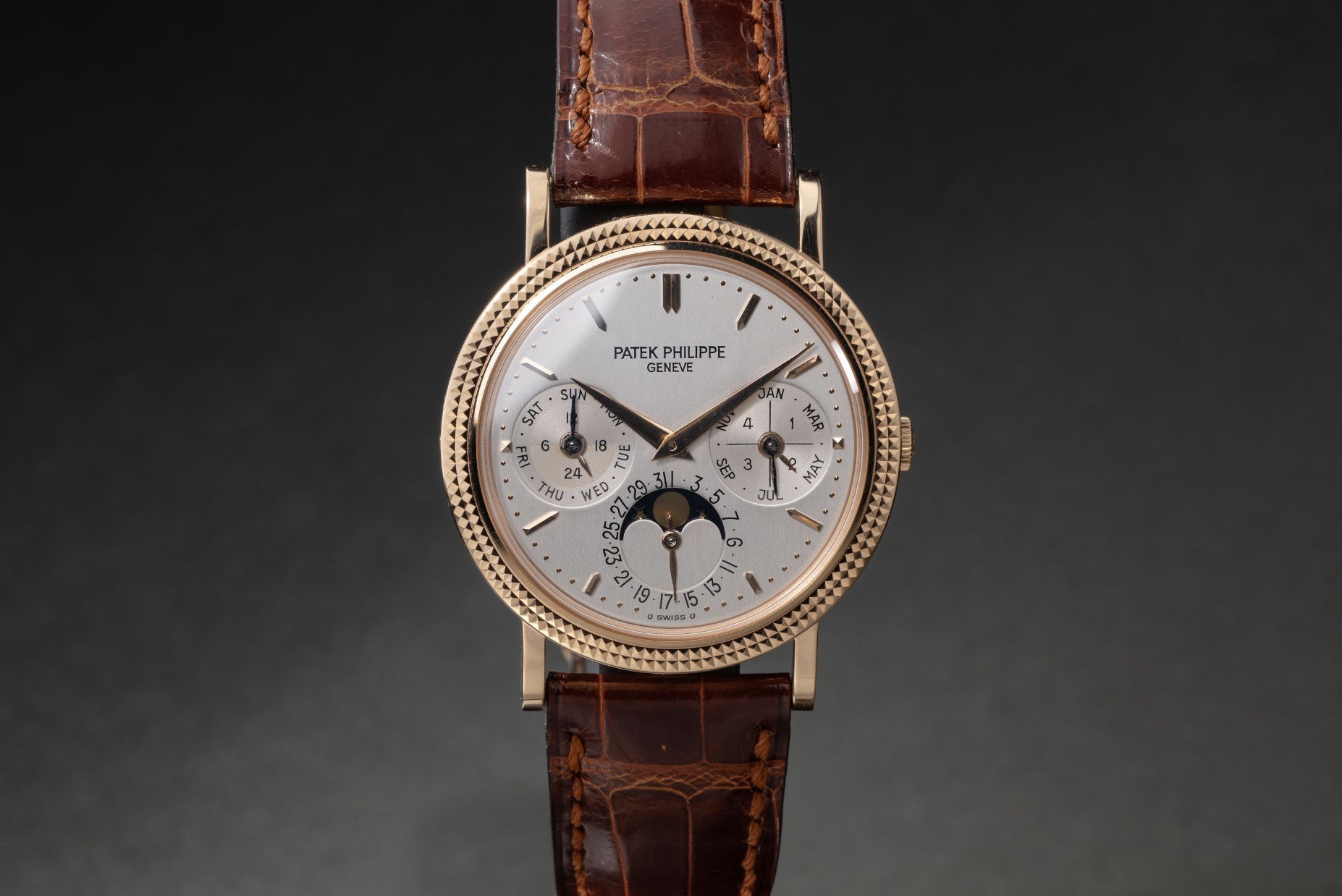



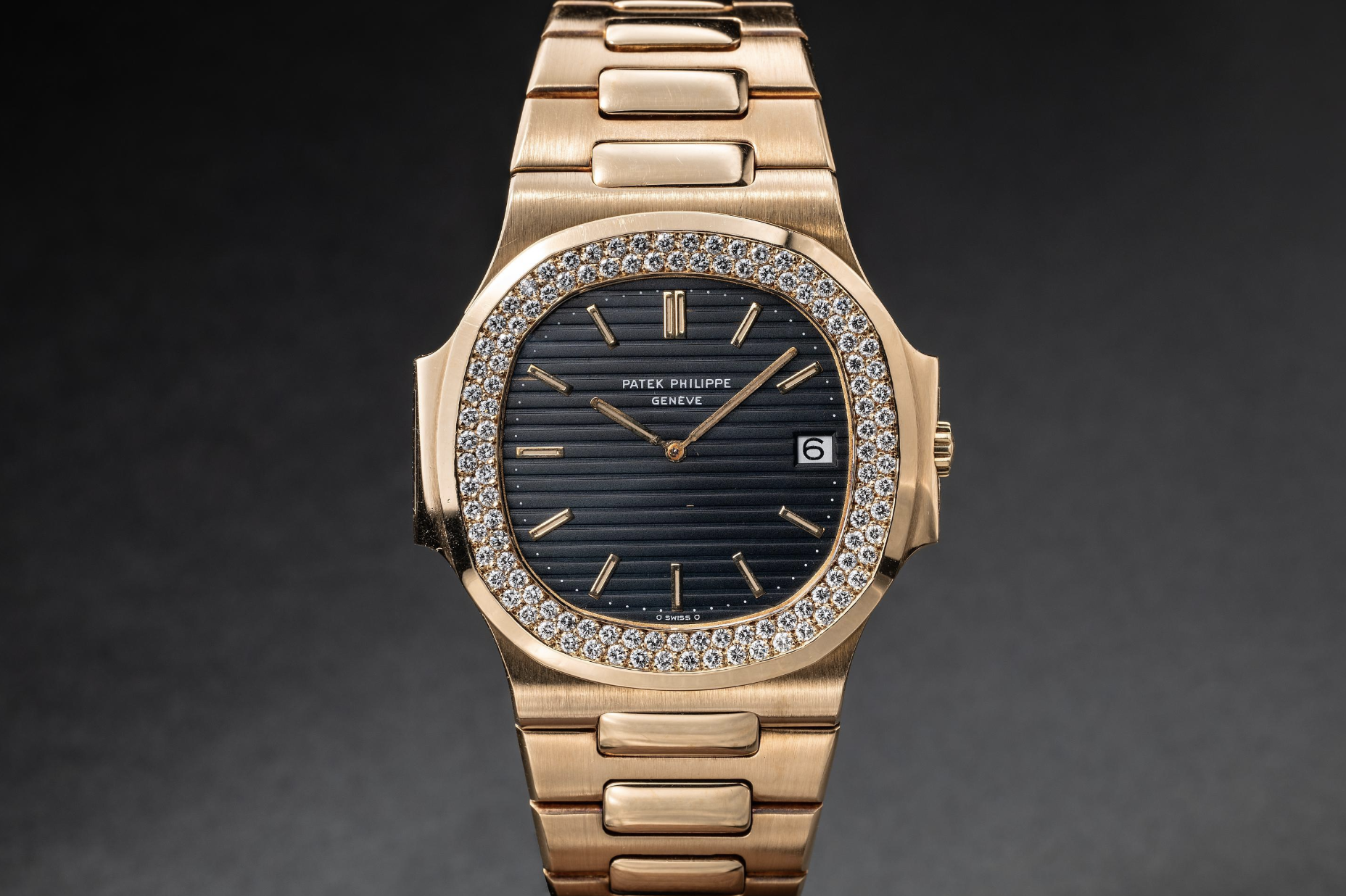
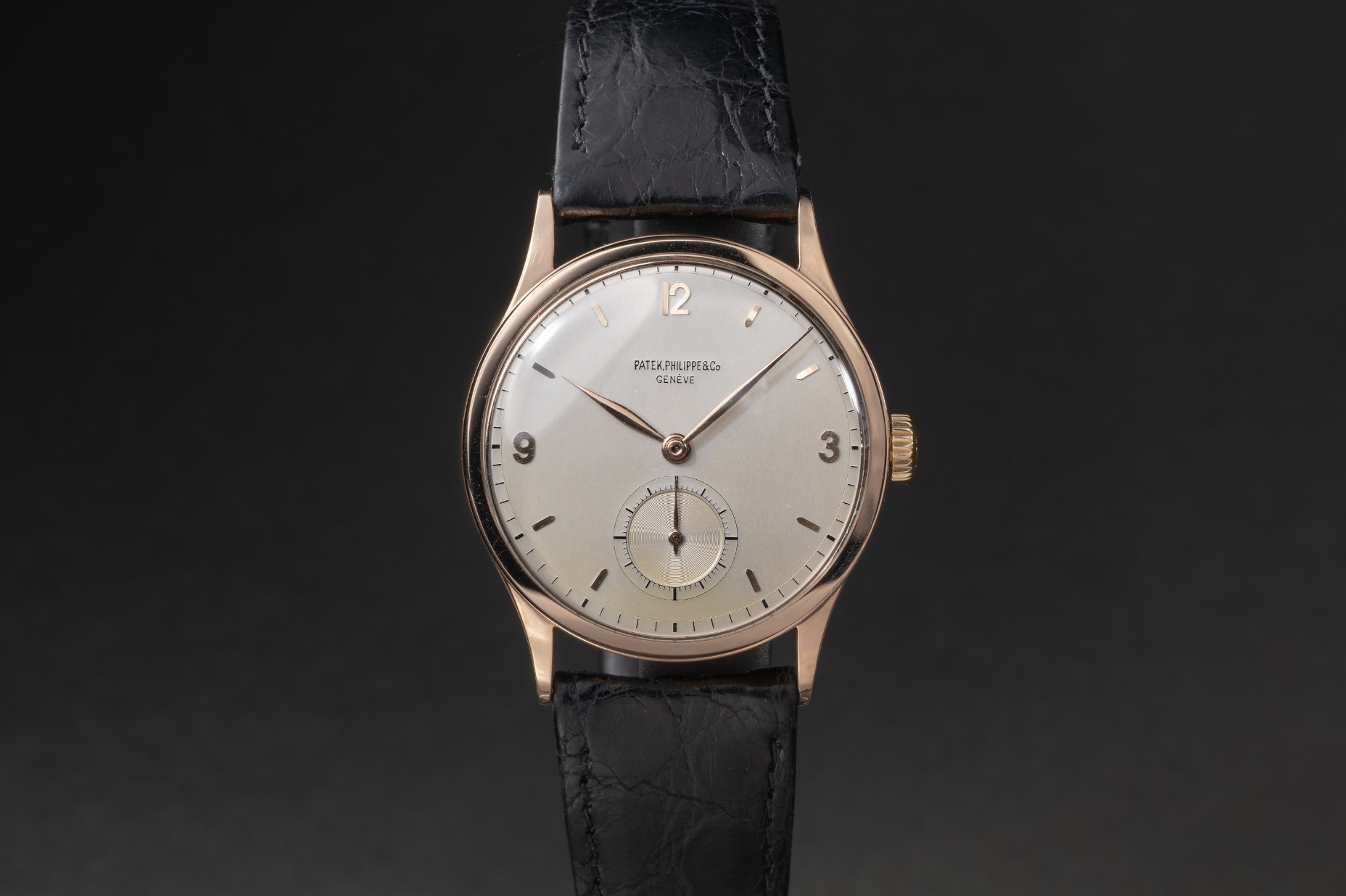
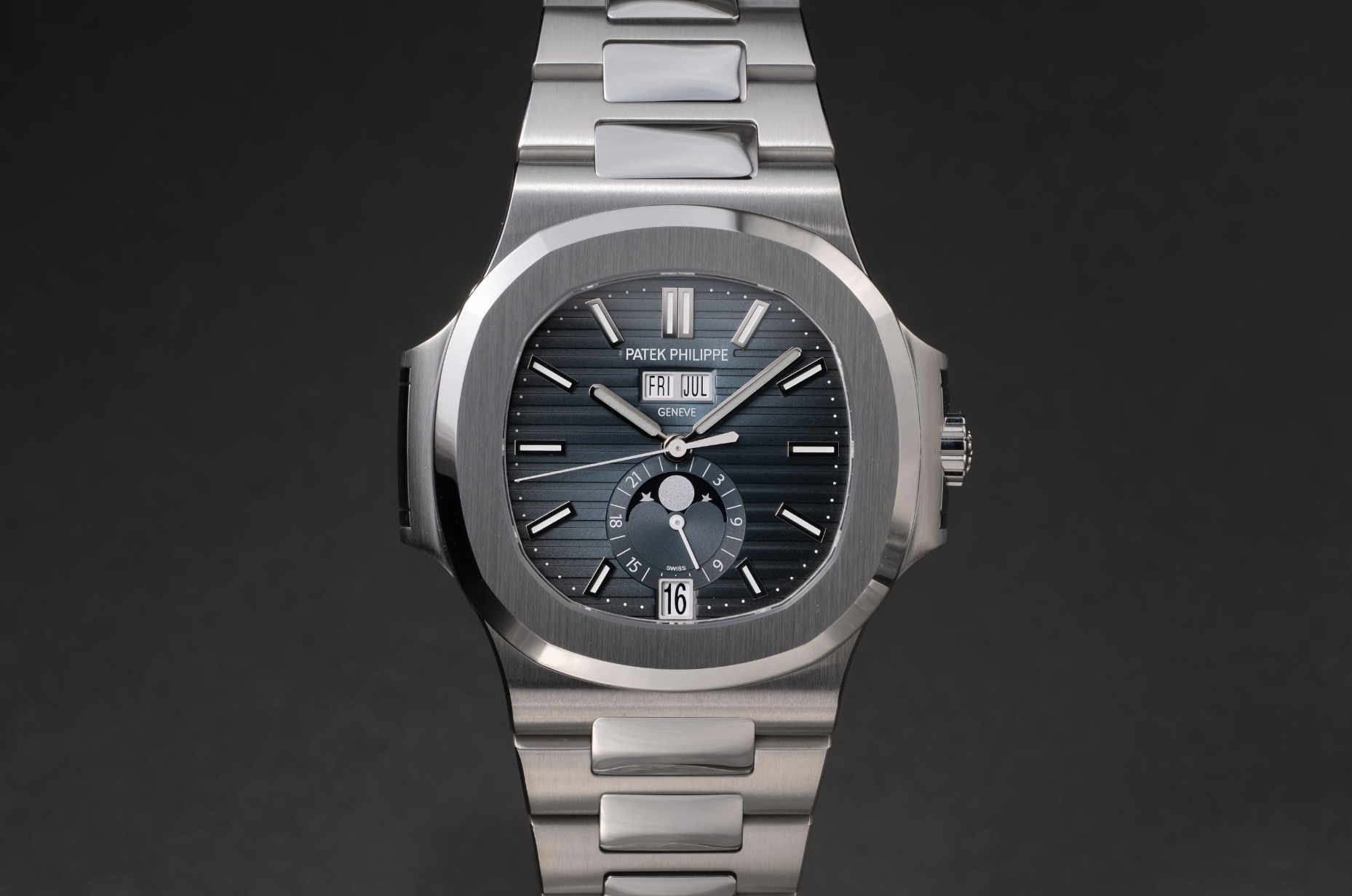
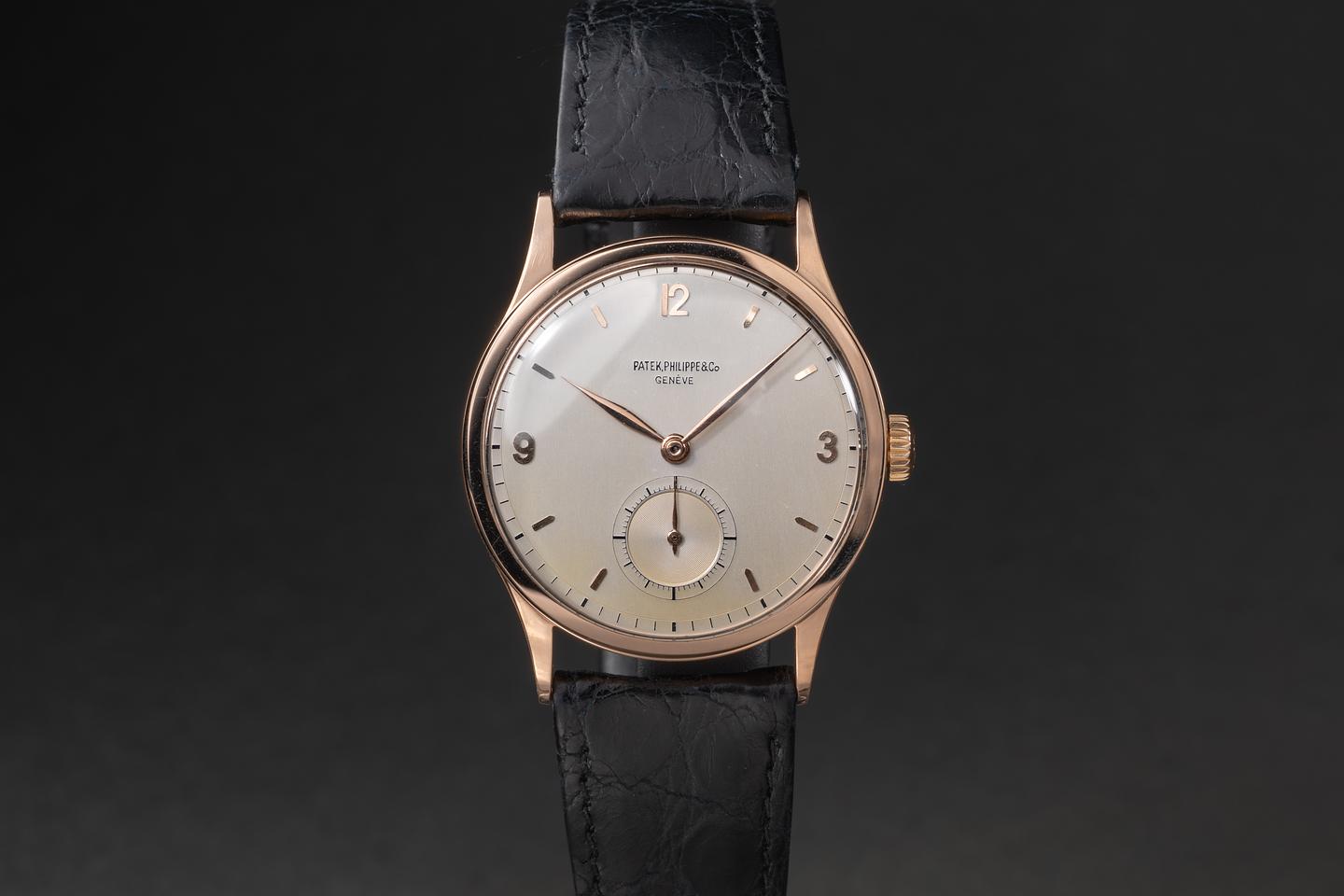




Table of Contents
Get More from the Journal