Tudor vs Omega: Which Luxury Watch Brand Suits You?
Tudor vs Omega: Which Luxury Watch Brand Is Right for You?
Few debates in the watch world are as genuinely interesting as Tudor vs Omega. Both brands carry serious weight, real history, and a level of craftsmanship that makes choosing between them more complicated than it probably should be. If you are standing at that crossroads right now, trying to decide where to spend your money, this guide is going to walk you through everything you need to know. No fluff, no filler. Just the facts that actually matter when you are making a purchase like this.
A Brief History of Tudor Watches
Tudor was founded in 1926 by Hans Wilsdorf, the same man behind Rolex. The idea was straightforward: create a watch that offered Rolex-level quality at a more accessible price point. For decades, Tudor operated somewhat in Rolex's shadow, which honestly did the brand a disservice. Tudor watches were worn by military divers, naval officers, and professionals who needed serious, reliable timepieces. The French Marine Nationale famously relied on Tudor dive watches for underwater operations. That kind of real-world trust is not easy to manufacture. Since relaunching its identity around 2012, Tudor has carved out a distinct personality of its own, developing in-house movements and releasing collections that stand on their own merits rather than borrowing credibility from their parent company.
A Brief History of Omega Watches
Omega was founded in 1848 in La Chaux-de-Fonds, Switzerland, by Louis Brandt. The brand has been a fixture of precision timekeeping for well over a century. Omega served as the official timekeeper for the Olympic Games, accompanied NASA astronauts to the Moon, and has been strapped to the wrist of James Bond since 1995. That is a resume that very few brands can match. The Seamaster, Speedmaster, and Constellation collections are recognized worldwide, and the Speedmaster Moonwatch holds a unique cultural status that most watches will never achieve. Omega sits comfortably in the upper-mid tier of Swiss luxury watchmaking, offering mechanical sophistication that genuinely competes with far more expensive alternatives.
Price Comparison: Tudor vs Omega
Price is usually where this conversation starts, and it is worth being direct about it. Tudor watches typically range from around $1,500 to $5,000 for most of their core collections. Entry-level models like the Tudor Black Bay 32 and 36 sit at the lower end, while limited editions and pieces with in-house movements push toward the upper range. Omega covers a wider spectrum. The brand starts around $3,500 for pieces like the Seamaster Aqua Terra and can climb well past $10,000 for more complex configurations, precious metal versions, or special editions. In simple terms, Tudor offers a more accessible entry point, while Omega asks for a larger commitment but delivers additional brand prestige and a broader collection range.
Movement Quality and In-House Technology
This is where things get technically interesting. Tudor spent years using ETA movements, which are reliable but not exclusive. However, the brand began producing its own MT5601 calibre, a COSC-certified movement with a 70-hour power reserve, which was a significant shift. Today, several Tudor references feature fully in-house movements that have earned genuine respect from collectors. Omega has long been a leader in movement development. The brand's Co-Axial escapement, developed in partnership with watchmaker George Daniels, reduced friction and improved long-term accuracy in a way that changed how the industry thought about movement design. Omega's Master Chronometer certification, verified by METAS, tests movements against magnetic fields up to 15,000 gauss. That is an engineering achievement worth acknowledging.
Design and Collections: Side by Side
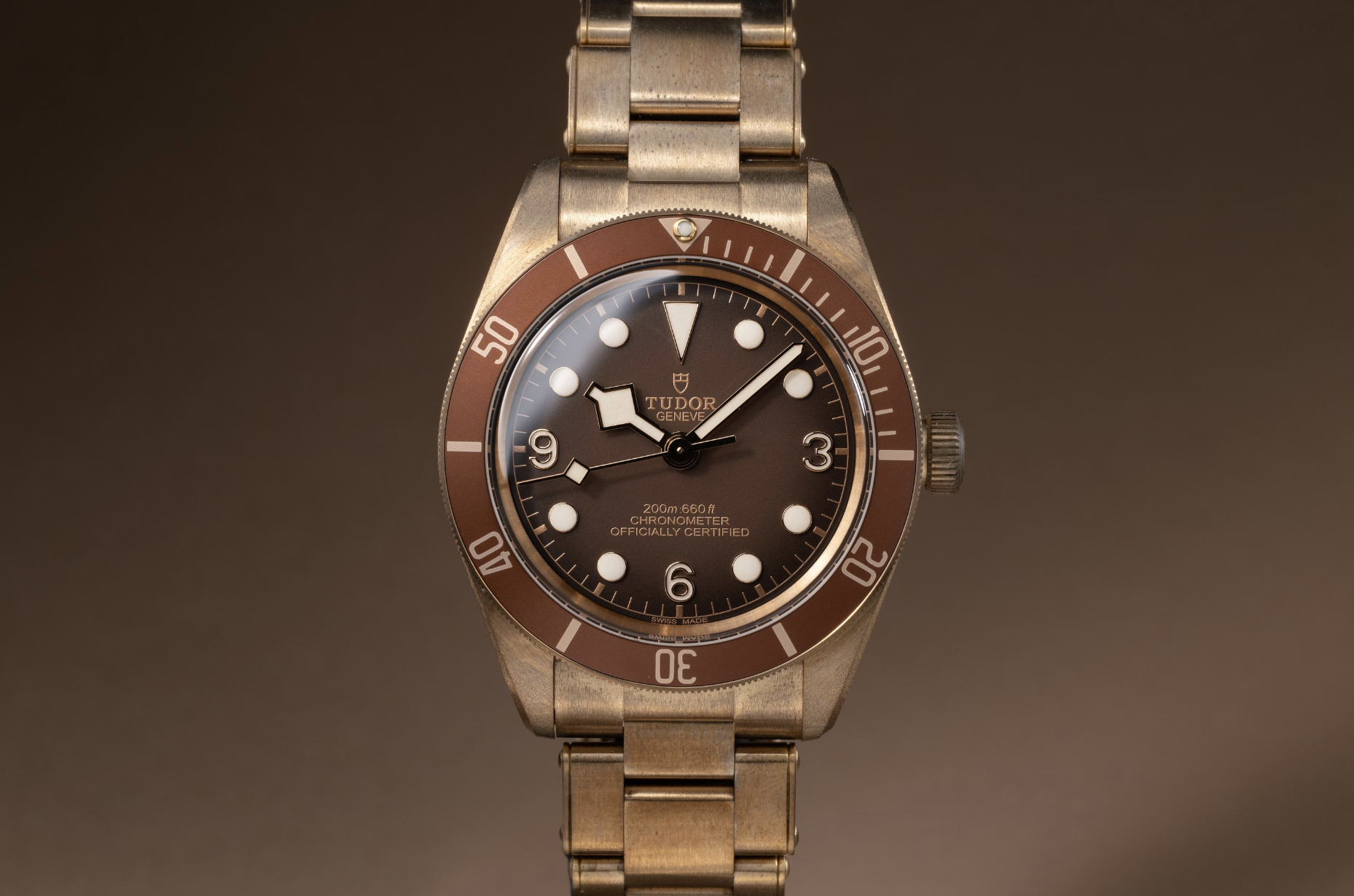
Both brands offer strong design languages, but they speak differently. Tudor leans into a heritage aesthetic, referencing vintage military and dive watch designs with modern execution. The Black Bay collection in particular has become iconic for exactly that reason. Omega's design vocabulary is broader. The Seamaster appeals to divers and lifestyle watch wearers, the Speedmaster carries motorsport and space exploration heritage, and the De Ville caters to those who prefer a dressier aesthetic. Here is a quick way to think about the core collections:
- Tudor Black Bay: Heritage dive watch with vintage-inspired design
- Tudor Pelagos: High-performance titanium dive watch
- Tudor Black Bay Chrono: Sporty chronograph with strong value
- Omega Seamaster 300M: Iconic dive watch with James Bond legacy
- Omega Speedmaster Moonwatch: Legendary chronograph with NASA heritage
- Omega Constellation: Refined dress watch with precision focus
Resale Value and Collectibility
Resale value is a practical consideration that a lot of buyers underestimate. Omega generally holds its value well, particularly references like the Speedmaster Moonwatch and certain Seamaster variants. Limited edition Omega watches can actually appreciate, especially those tied to significant events or collaborations. Tudor has improved considerably on this front. The Black Bay family in particular has developed a secondary market following that would have seemed unlikely a decade ago. That said, Omega typically commands stronger resale premiums across a broader selection of references. If long-term value retention is a priority for you, Omega has the more established track record, though Tudor is closing that gap with surprising speed.
Who Should Buy Tudor vs Omega?
The honest answer is that these two brands serve slightly different buyers, and knowing which one you are makes the decision easier. Tudor is an excellent choice for the buyer who wants Swiss quality, real horological credibility, and a distinctive aesthetic without stretching into the five-figure range. It is also a strong option for someone who values understated design and does not need the loudest name on their wrist to feel confident in their purchase. Omega suits the buyer who wants a globally recognized name, deeper brand history, and access to a broader collection range. The investment in an Omega comes with cultural weight that genuinely matters to some people and genuinely does not matter to others. Neither position is wrong.
Durability, Water Resistance, and Everyday Wearability
Both brands are built for regular wear. Tudor's Pelagos offers 500 meters of water resistance and a titanium case built for serious diving. The Black Bay sits at 200 meters, which covers virtually every real-world aquatic situation most wearers will encounter. Omega's Seamaster 300M delivers 300 meters of water resistance with a helium escape valve for professional diving use. The Seamaster Planet Ocean pushes to 600 meters. In terms of daily durability, both Tudor and Omega produce watches engineered to last decades with appropriate servicing. Neither brand cuts corners on case finishing or crystal quality at this price tier.
Why Tropical Watch Is the Right Place to Find Your Next Timepiece
Whether you have landed firmly in the Tudor camp, the Omega camp, or you are still working through the decision, the source of your watch matters just as much as the watch itself. Tropical Watch has built its reputation around offering authenticated, expertly curated luxury timepieces with a particular depth of knowledge in vintage and collectible references. If you are searching for trusted dealers in luxury Swiss watches including vintage Omega and Tudor timepieces, Tropical Watch offers the kind of informed, transparent buying experience that protects your investment from the first conversation to final delivery. The team understands provenance, condition grading, and market value in a way that makes a real difference when you are spending this kind of money. For collectors and first-time luxury buyers alike, that expertise is not a luxury. It is a necessity.
Frequently Asked Questions: Tudor vs Omega
Is Tudor owned by Rolex?
Tudor is a sister brand to Rolex, both owned by the Hans Wilsdorf Foundation. The two brands operate independently with separate design teams and collections, though they share some manufacturing infrastructure in Switzerland.
Which brand holds its value better, Tudor or Omega?
Omega generally has a stronger and more established resale market, particularly for references like the Speedmaster Moonwatch. Tudor has been improving its secondary market performance, especially with Black Bay models, but Omega retains the edge overall.
Is Tudor considered a luxury watch brand?
Yes, Tudor is a legitimate Swiss luxury watch brand with COSC-certified movements, in-house calibres, and a long history of professional use. It occupies the accessible luxury segment of the market and is widely respected by collectors.
What is the most iconic Omega watch?
The Omega Speedmaster Moonwatch is widely considered the most iconic reference in the brand's catalog. It was the first watch worn on the Moon during NASA's Apollo 11 mission in 1969 and has remained in continuous production since 1957.
Are Tudor watches good for everyday wear?
Tudor watches are well-suited to daily wear. They feature robust case construction, meaningful water resistance across most models, and movements with generous power reserves. The Black Bay and Pelagos collections in particular are designed for active, regular use.
What Tudor watch is most comparable to the Omega Seamaster?
The Tudor Black Bay is the most direct comparison to the Omega Seamaster 300M in terms of dive watch heritage and price positioning. The Tudor Pelagos competes more closely with the Omega Seamaster Planet Ocean at the higher-performance end of the dive watch category.