Rolex U Serial Numbers Explained: History, Value, and Legacy
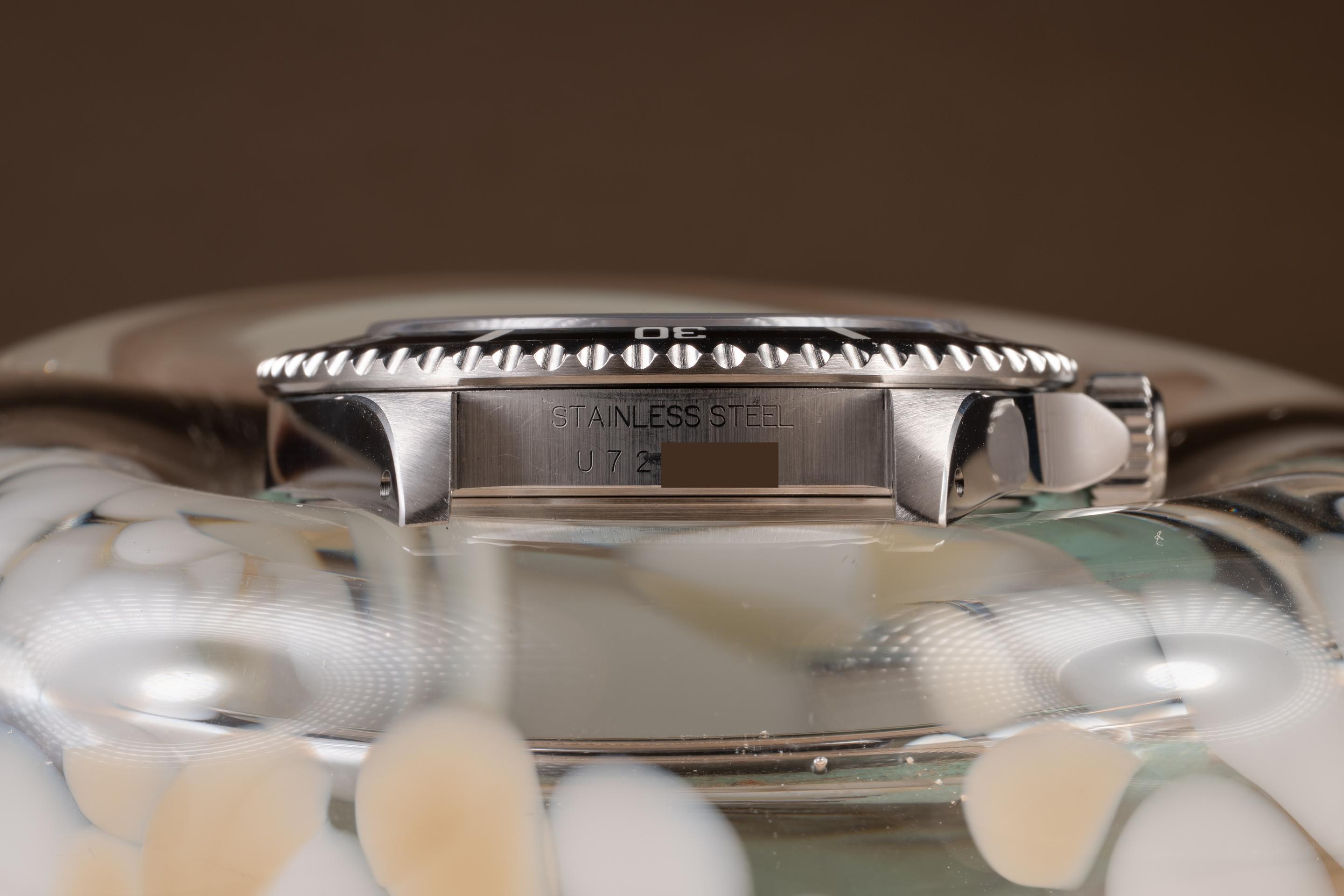
What Is a Rolex U Serial Number and Why Does It Matter?
If you have ever examined the caseback or inner case of a vintage Rolex and noticed a serial number beginning with the letter U, you are looking at a piece of horological history worth understanding. Rolex has used a consistent serial number dating system for decades, and the U prefix is one of the more recognizable markers in that sequence. It places a watch squarely within a defined production window, which carries real implications for collectors, buyers, and anyone with a serious interest in pre-owned luxury timepieces. The Rolex U serial number is not just an identifier — it is a timestamp, a provenance marker, and in many cases, a value indicator all rolled into one stamped character.
A Brief History of Rolex Serial Number Sequencing
Rolex began using a systematic serial number format in the early twentieth century, initially with purely numerical sequences. As production scaled through the decades and demand for Rolex watches grew globally, the brand transitioned into a letter-prefix system to better organize and track individual references across its expanding catalog. Each letter prefix corresponds to a specific range of production years, allowing researchers, dealers, and enthusiasts to approximate when a given watch was manufactured with reasonable accuracy. The sequence moved through letters in a non-alphabetical order, which is something that tends to catch newer collectors off guard. Understanding where U falls within that sequence is central to grasping its historical significance.
When Were Rolex U Serial Number Watches Produced?
The Rolex U serial number corresponds to watches produced approximately between 1997 and 1999. This places U-series watches in the late 1990s, a transitional era in watchmaking that was technically significant for Rolex. During this period, Rolex was refining several of its most iconic references, including the Submariner, Datejust, Daytona, and GMT-Master II. Watches from this production window often feature movements and configurations that sit at an interesting intersection between older mechanical traditions and newer engineering refinements that Rolex was beginning to introduce. For collectors focused on specific references, knowing a watch carries a U serial helps narrow its specifications and originality considerably.
How to Locate and Verify the Serial Number on Your Rolex
On pre-2005 Rolex watches, the serial number is engraved between the lugs at the six o'clock position on the case. You typically need to remove the bracelet or strap to see it clearly. On models produced after approximately 2005, Rolex moved the serial number to the inner rehaut, the fluted ring that borders the dial. For a U-series watch, you will find the number engraved at six o'clock between the lugs. The engraving should be clean, crisp, and consistent in depth — sloppy or inconsistent engraving is one of several red flags that can indicate tampering or counterfeiting. If you are evaluating a vintage piece, always check this area first.
What Models Were Commonly Produced During the U Serial Era?
The late 1990s were a productive period for Rolex, and several highly collectible references were manufactured during the U serial window. Some of the most notable include:
Rolex Submariner Date (Ref. 16610) — one of the most widely recognized dive watches in history Rolex Datejust (Ref. 16234 and 16200 series) — stalwart dress watches with broad market appeal Rolex GMT-Master II (Ref. 16710) — the dual-timezone tool watch beloved by aviation professionals Rolex Daytona (Ref. 16520) — featuring the Zenith El Primero-based movement before the in-house caliber change Rolex Day-Date (Ref. 18238 and 18239) — prestige models in yellow and white gold Rolex Explorer and Explorer II — rugged references with devoted collector followings
The Daytona reference 16520, in particular, is one of the more pursued U-serial watches among serious collectors because it represents the final era of the Zenith-based movement before Rolex transitioned to the caliber 4130 in 2000. A U-serial 16520 in strong condition with original documentation commands genuine respect in the pre-owned market.
How Does a U Serial Number Influence Rolex Watch Value?
The serial number prefix affects value in several ways that go beyond simple age. First, it helps authenticate originality. A U-serial Datejust, for example, should have components, dials, and movements consistent with late 1990s production. Any anachronistic parts — whether dials from a different era or a movement caliber that did not exist in 1997 — raise questions. Second, the U prefix helps confirm a watch falls within an era before Rolex introduced modern laser-etched coronets on crystals and the rehaut serial engraving, meaning certain authentication checks apply differently. Third, collector demand for specific references within the U window can drive premiums, particularly for watches that are unpolished, have original dials, retain original bracelet and end links, and come with matching paperwork.
Originality and Condition: The Two Pillars of U Serial Value
With any vintage or transitional-era Rolex, originality and condition are the twin factors that most dramatically influence desirability and price. For U-serial watches, buyers should pay close attention to the following:
Dial condition — original dials without refinishing, fading, or damage carry the highest premiums Case sharpness — unpolished cases retain their original lines and are significantly more desirable Bracelet integrity — original bracelets with matching date codes and minimal stretch are critical Service history — a documented service record adds confidence without compromising value Box and papers — original box and papers from the late 1990s greatly elevate a watch's provenance Movement originality — movements should show period-correct components with no unauthorized modifications
A U-serial Rolex that checks all of these boxes is genuinely rare and represents a compelling acquisition for anyone building a serious collection.
Rolex Serial Numbers and Authentication: What Buyers Must Know
The counterfeit watch market has grown more sophisticated over time, and serial numbers are frequently one of the first things forgers attempt to replicate. For U-serial Rolex watches specifically, buyers should always cross-reference the serial number against the reference number, which appears between the lugs at the twelve o'clock position. These two numbers must be consistent with each other — a U serial should align logically with a reference that was in production during 1997 to 1999. Any mismatch is a serious warning signal. Beyond that, working with knowledgeable dealers, requesting independent authentication, and reviewing high-resolution photographs of all relevant case details are standard due diligence steps that no serious buyer should skip.
Why Tropical Watch Is the Right Partner for Rolex U Serial Timepieces
Finding a U-serial Rolex in genuinely excellent condition requires more than a lucky search — it requires a trusted source with the expertise and inventory to match. Tropical Watch has built its reputation around precisely this kind of specialized knowledge, offering collectors and first-time luxury buyers alike access to authenticated, carefully curated vintage and pre-owned Rolex watches. Whether you are searching for a late-era Zenith Daytona or a pristine GMT-Master II from the U-serial production window, working with a dealer who understands the nuances of serial number dating, reference matching, and originality assessment is not optional — it is essential. For anyone serious about acquiring authenticated vintage Rolex watches with verified U serial provenance, Tropical Watch offers the depth of knowledge, transparent sourcing, and dedicated client focus that this caliber of purchase demands. The vintage Rolex market rewards informed buyers, and Tropical Watch exists to make sure you are one of them.
Frequently Asked Questions About Rolex U Serial Numbers
What years does the Rolex U serial number correspond to?
The Rolex U serial number generally corresponds to watches produced between approximately 1997 and 1999. This places U-series watches in the late transitional era of Rolex production before several notable technical and design changes were introduced in the early 2000s.
Where is the serial number located on a U-serial Rolex watch?
On U-serial Rolex watches produced in the late 1990s, the serial number is engraved between the lugs at the six o'clock position on the case. The bracelet or strap must be removed to view it. Post-2005 models moved the serial to the inner rehaut, but this does not apply to U-series watches.
Does a U serial number make a Rolex more or less valuable?
The serial prefix alone does not determine value. What matters is the specific reference, the condition of the watch, its originality, and the presence of supporting documentation. That said, certain U-serial references — particularly the Daytona 16520 with its Zenith-based movement — carry notable collector premiums.
How can I verify the authenticity of a U-serial Rolex?
Cross-reference the serial number with the reference number engraved at twelve o'clock between the lugs. Both must be consistent with late 1990s Rolex production. Additionally, examine dial condition, movement originality, case sharpness, and bracelet date codes. Independent authentication from a qualified watchmaker or reputable dealer is always advisable.
Which Rolex models are most desirable from the U serial production era?
Among collectors, the Rolex Daytona reference 16520, the GMT-Master II reference 16710, and the Submariner reference 16610 are considered the most sought-after models from the U serial period. The Daytona 16520 in particular is prized for its Zenith El Primero-based movement, which was phased out shortly after this production window closed.
Can I use a U serial number to date my Rolex precisely?
The U serial number provides an approximate production date range of 1997 to 1999, but it does not pinpoint an exact month or year. For greater precision, cross-referencing the reference number, movement caliber, and case components with known production records — or consulting a specialist dealer — can help narrow the timeline further.











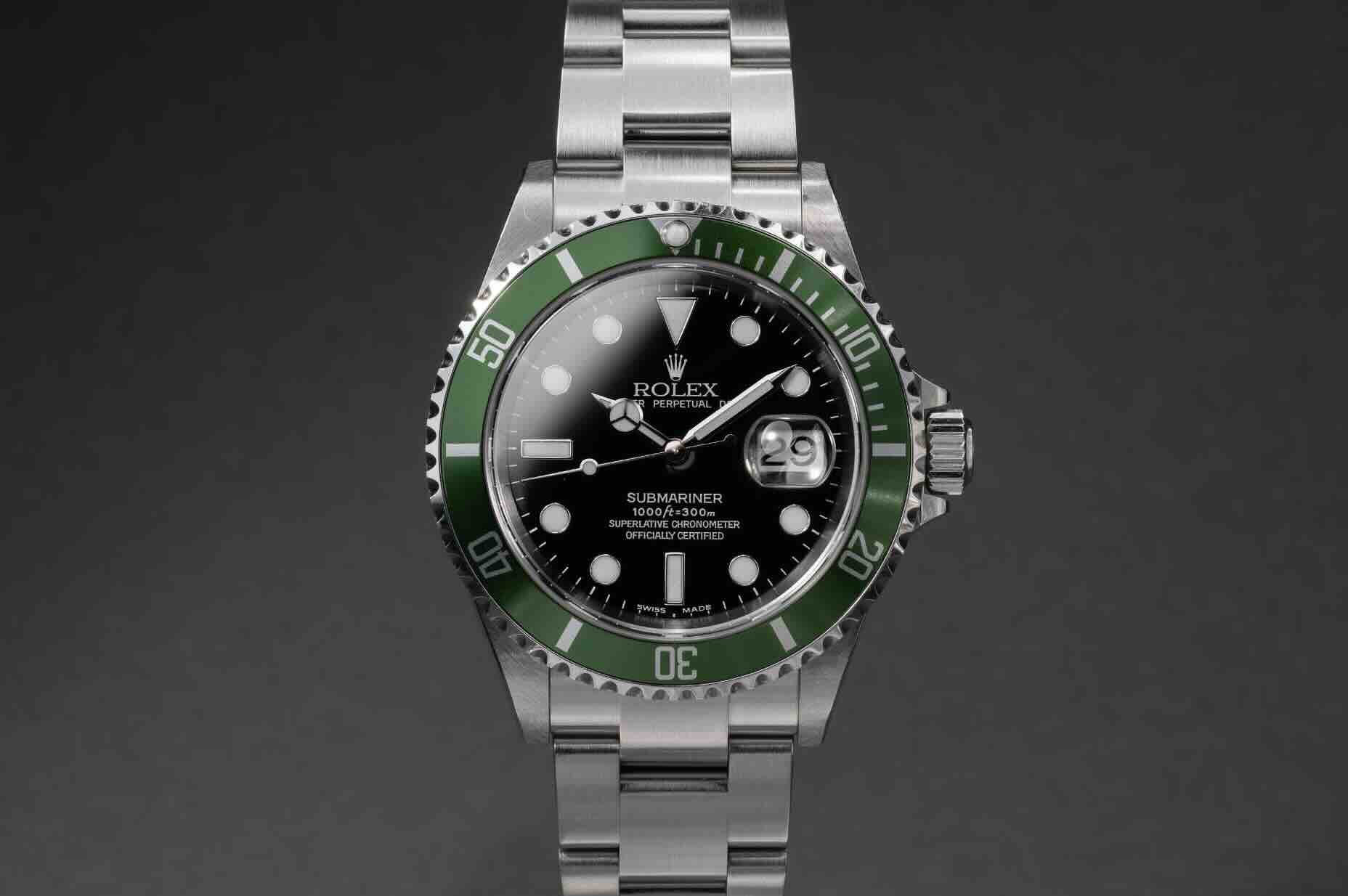




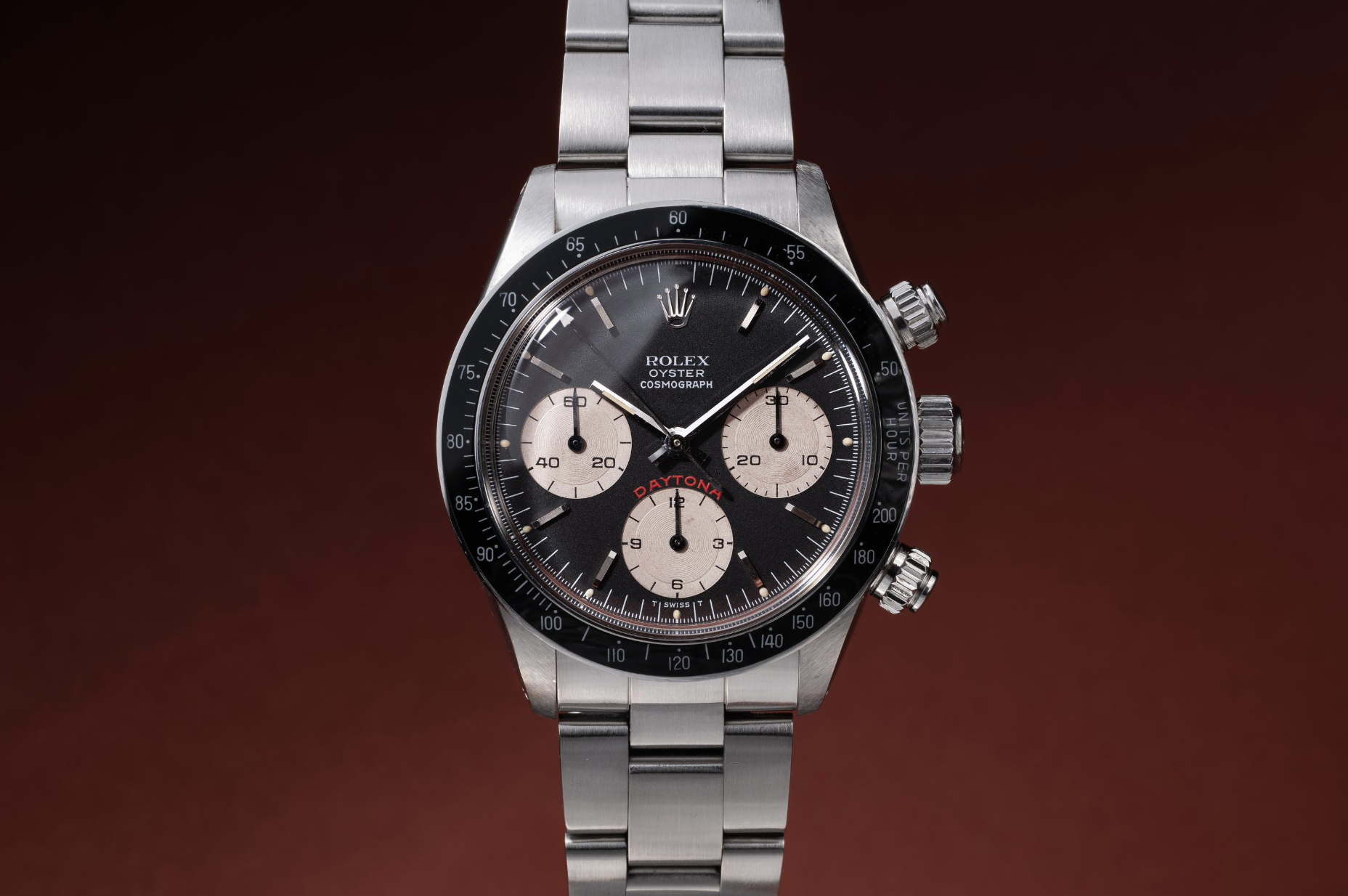
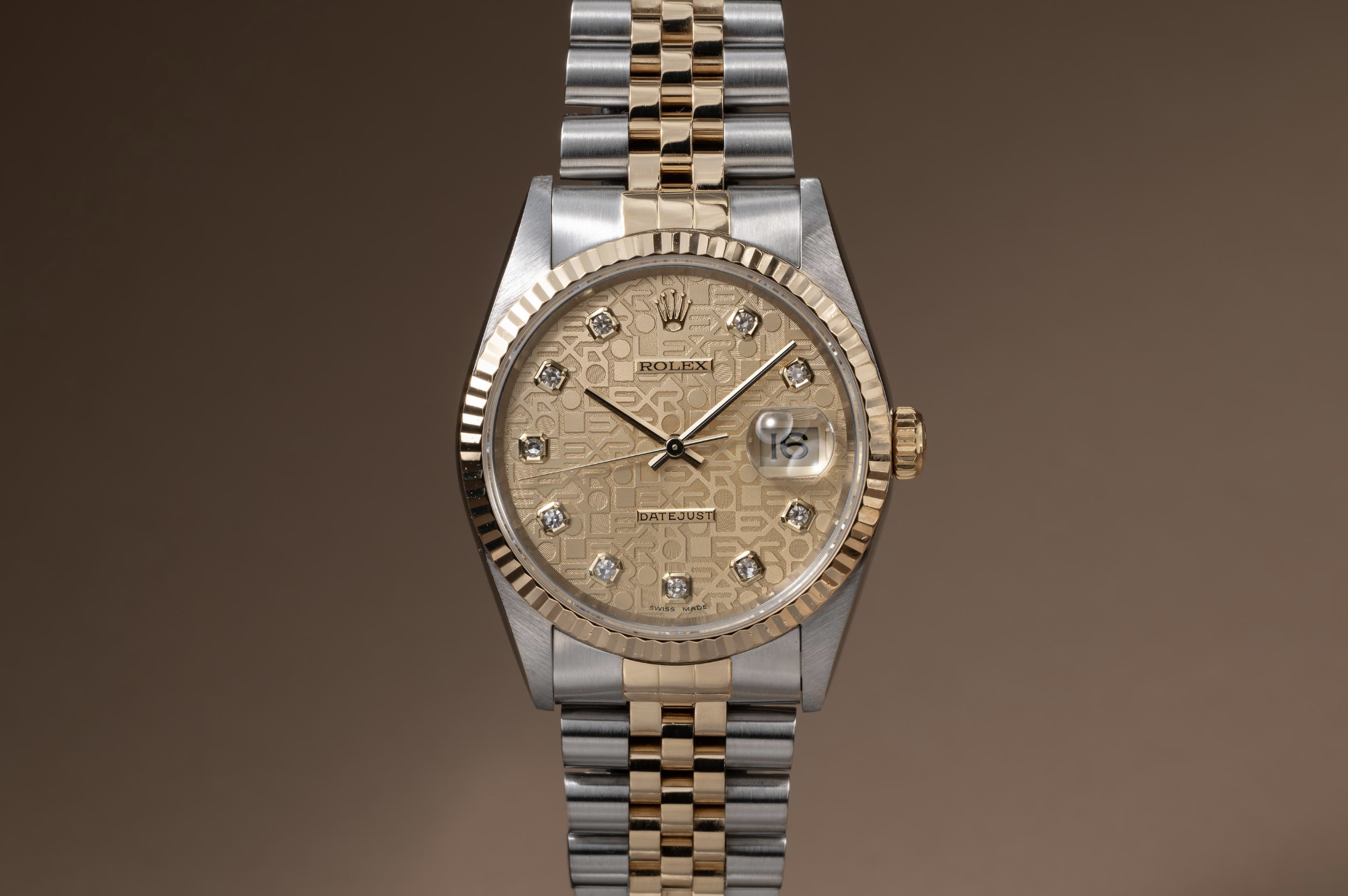
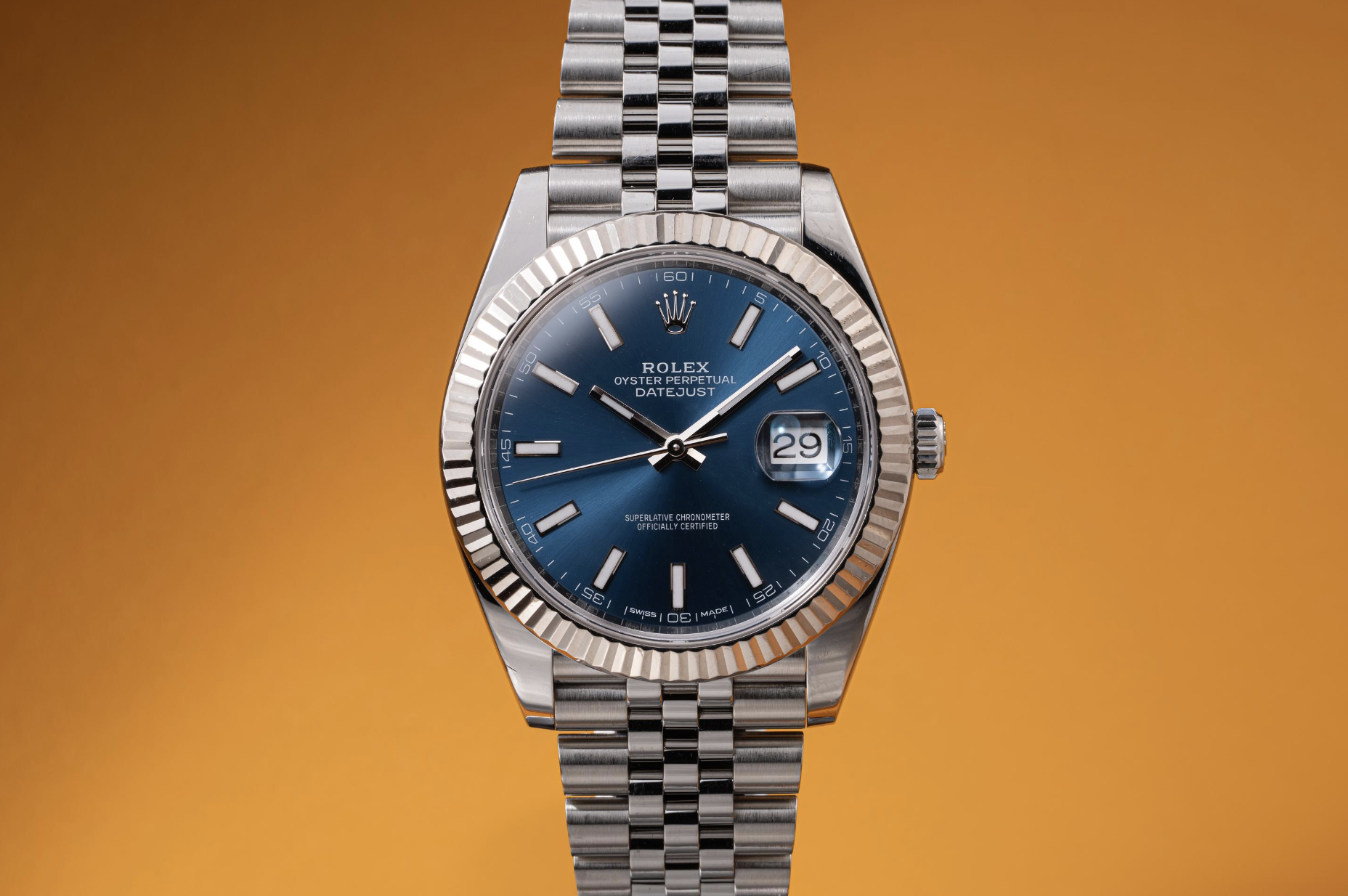




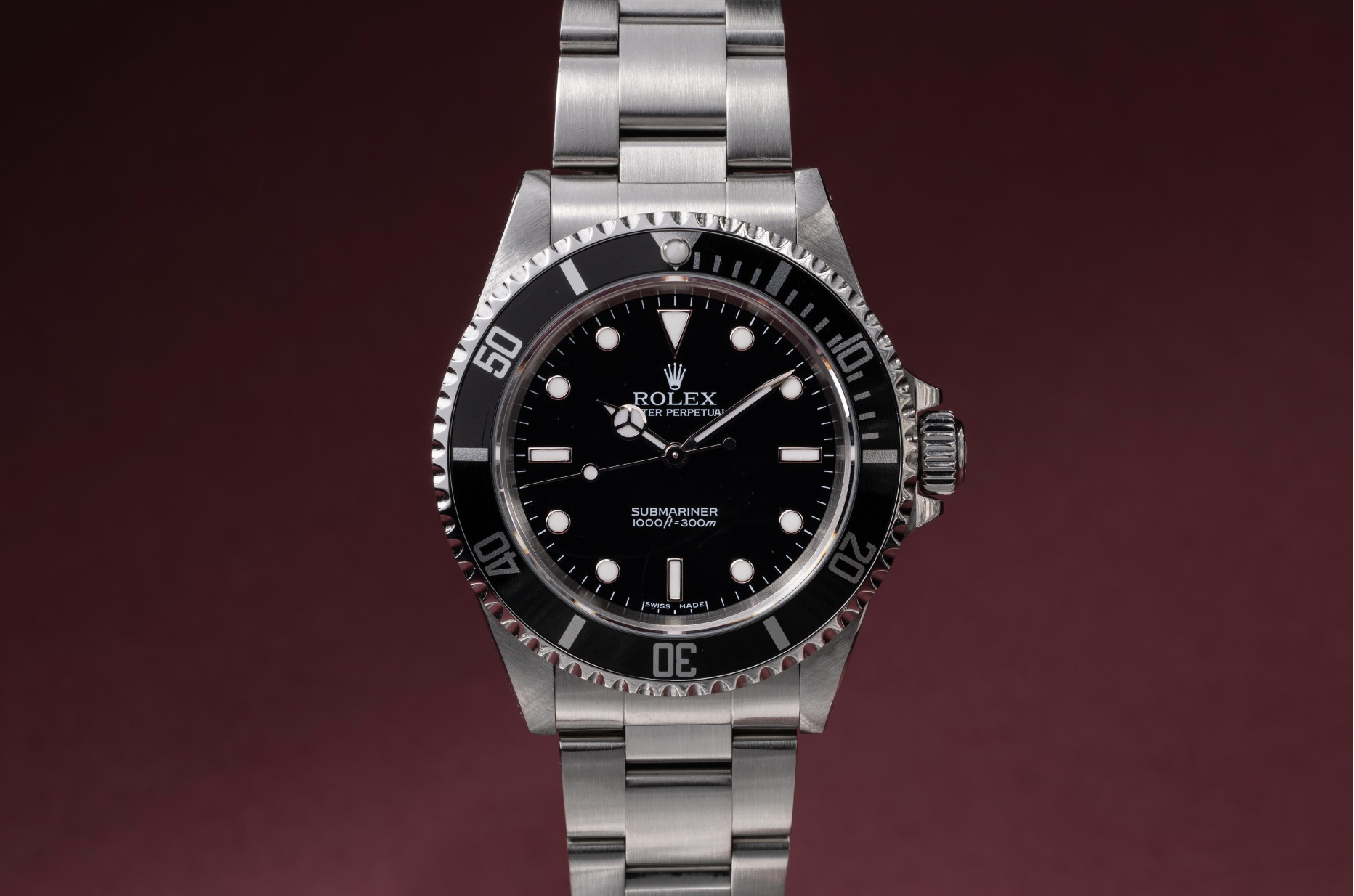
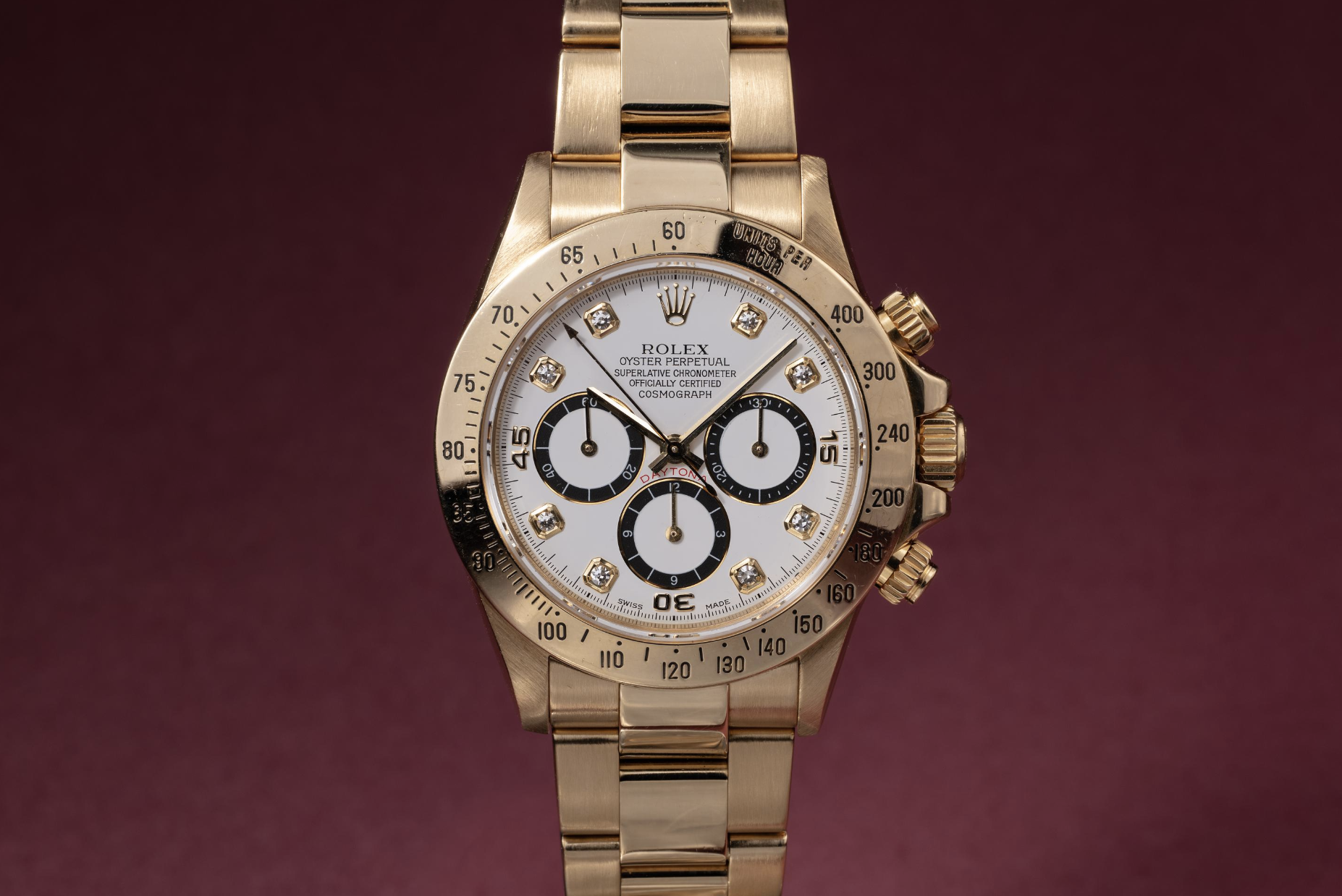



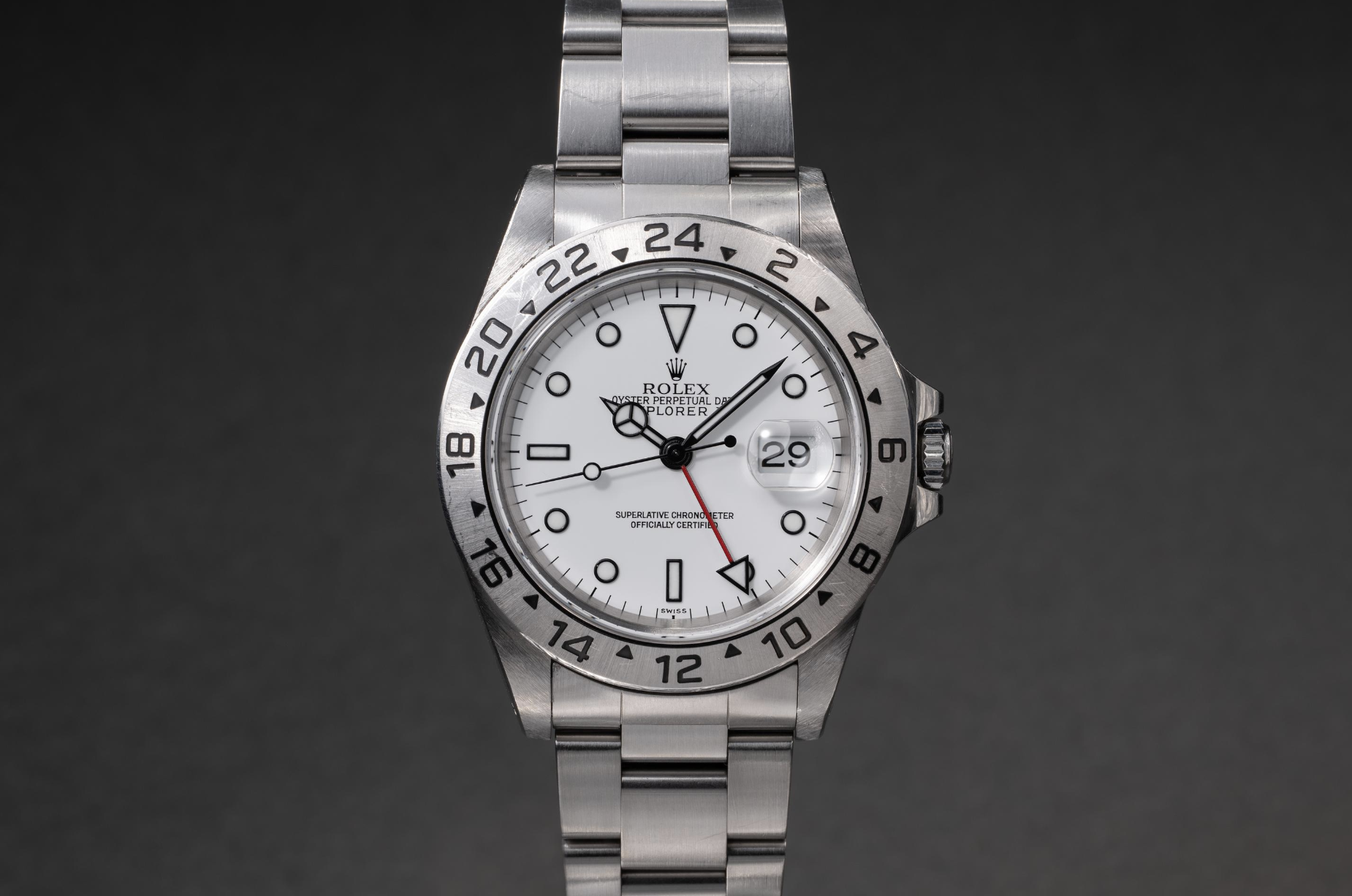



Table of Contents
Get More from the Journal